

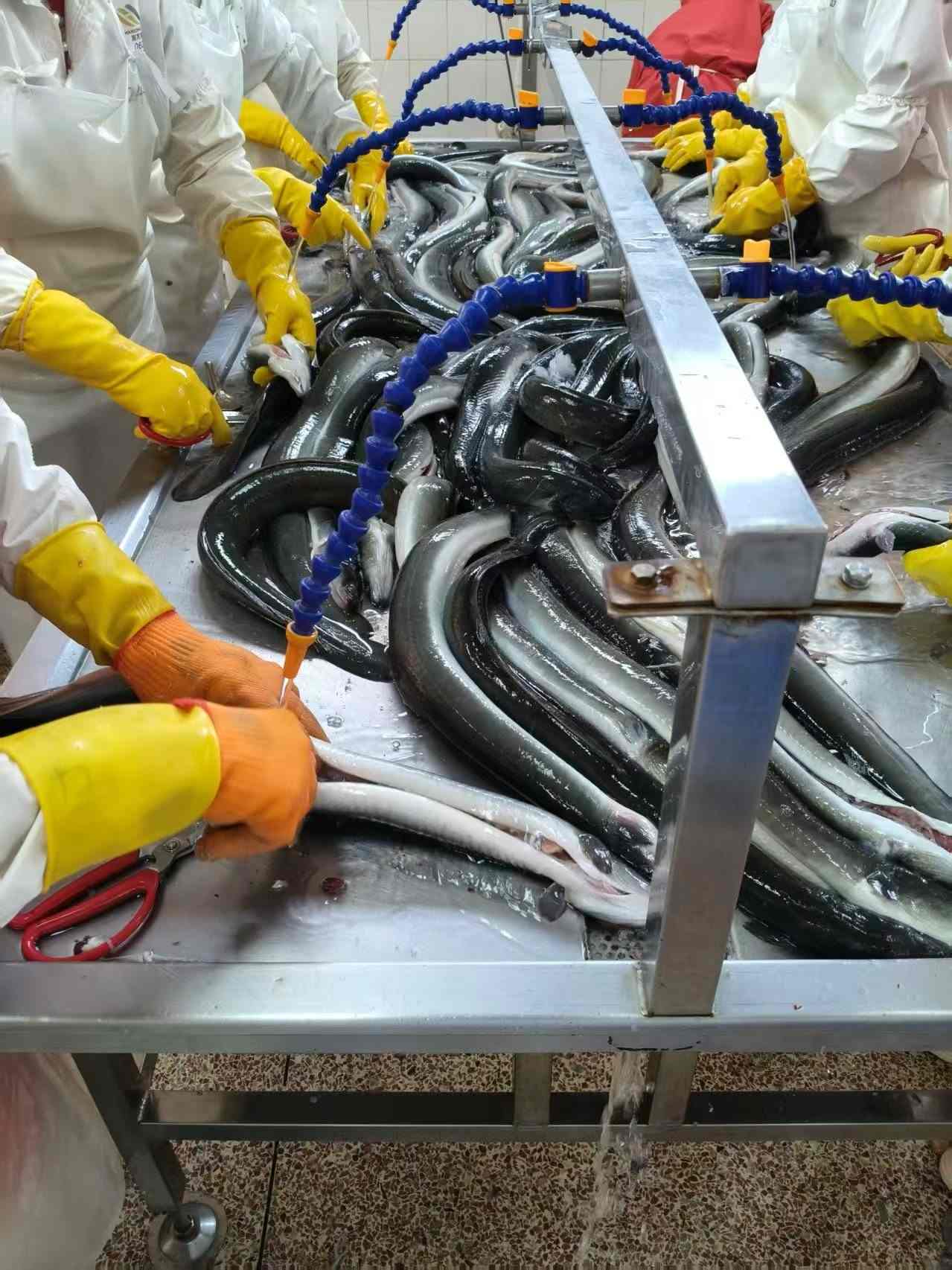
How to Clean Eel Safely for Better Kitchen Yield
How to clean eel is a practical skill that can decide whether a beautiful eel dish starts with clean, usable flesh or ends with slippery waste, broken fillets, and an unpleasant odor. For chefs, processors, and seafood buyers, proper eel handling affects labor planning, menu consistency, and the amount of usable product left after trimming.
Fresh eel is unlike most round fish. Its smooth body, firm skin, and narrow cavity call for a different grip, a controlled knife angle, and a clean work area. Learn how to clean eel before service begins, not while a busy kitchen is waiting for the next order.
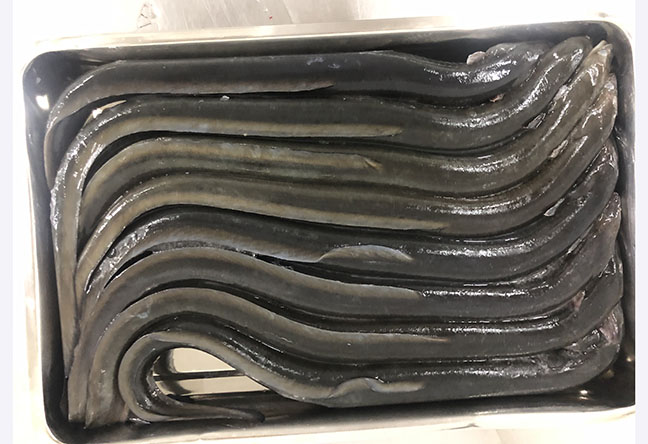
How to Clean Eel Means Preparing It for Safe and Useful Cooking
How to clean eel means removing surface slime, opening and rinsing the cavity, trimming unwanted parts, and deciding whether the skin should remain on or be removed for the intended dish. It is not simply washing the fish. It is a preparation decision that affects flavor, appearance, labor, and usable yield.
For a restaurant buyer, the first question is not only how to clean eel. It is whether the product purchased actually needs raw preparation. Freshwater eels supplied for kitchen processing require knife work and careful sanitation. Frozen prepared eel products may require less raw handling, depending on the format supplied.
| Product Format | Preparation Requirement | Buyer Decision Point | Best Fit |
|---|---|---|---|
| Freshwater eel | Cleaning fresh eel, gutting, rinsing, trimming, and possible skinning | Confirm that trained staff, knives, boards, and cleaning space are available | Restaurants and processors seeking control over cuts and recipes |
| Frozen unagi kabayaki | Confirm serving and reheating instructions with the supplier | Assess whether raw-fish preparation labor can be reduced | Busy kitchens, sushi counters, and prepared-food programs |
| Frozen seafood range | Handling depends on the item and its supplied format | Ask for product-specific preparation guidance before menu planning | Mixed seafood menus and purchasing teams |
This distinction matters. A kitchen buying fresh eel should budget for preparation labor and trimmings. A buyer choosing unagi kabayaki product can instead focus on portion presentation, sauce pairing, and final cooking method.
At Eelpro Co., LTD, our Technical Team sees the same issue repeatedly: buyers can compare product prices easily, but they should also compare the labor and handling steps that happen after delivery. Knowing how to clean eel helps procurement teams ask better questions before choosing a product format.
Tools and Workstation Setup for Cleaning Fresh Eel
Before learning how to clean eel, set up the station. Eel moves in the hand even after chilling, and rushed preparation can lead to torn flesh or unsafe knife handling. A tidy station makes the work calmer and more repeatable.
The foundation is safe food handling. Keep raw seafood tools separate from cooked-food tools, clear away packaging waste, and wash hands and contact surfaces between tasks. Do not let raw eel liquid reach ready-to-eat ingredients, cooked rice, garnishes, or serving plates.
What tools do you need to clean an eel?
- Stable cutting board: Use a board that does not slide. Place a clean damp towel beneath it if needed for grip.
- Sharp fillet knife: A narrow, sharp blade gives better control than a heavy knife.
- Kitchen shears: Helpful for trimming fins or opening connective tissue when a knife is awkward.
- Food-safe gloves: Useful for grip and hand protection, especially when handling a slippery fish.
- Clean towels or disposable paper: Use them to hold the eel securely and wipe excess surface moisture.
- Separate waste container: Keep trimmings away from the cleaned product.
- Clean running water: Use it for controlled rinsing, not for soaking the eel in a crowded sink.
- Food-safe sanitizing procedure: Follow your kitchen or processing facility’s established cleaning routine for boards, knives, sinks, and handles.
A common mistake is using one towel for everything. Do not use the same towel to hold raw eel, wipe your hands, clean the counter, and dry cooked food plates. Keep raw-product towels separate and replace them when soiled.
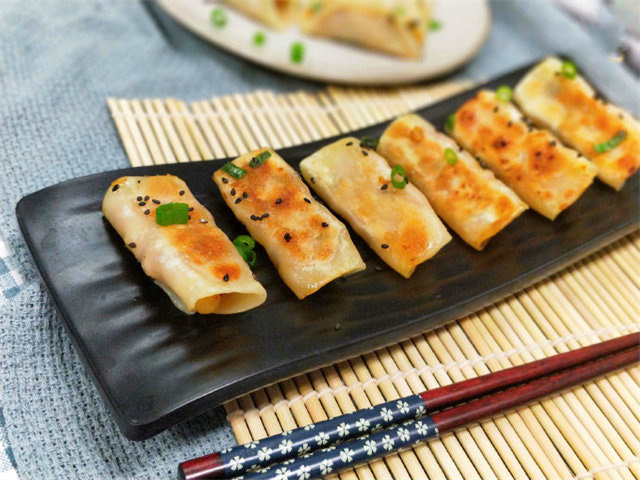
How to Clean Eel Step by Step Without Damaging the Flesh
The most reliable way to learn how to clean eel is to treat each action as a separate quality check. Do not rush from opening the fish straight into cooking. Pause after each stage and inspect the work.
- Inspect the eel before cutting. Check the body for damage, unusual discoloration, strong off-odors, or damaged packaging if it arrived frozen. If the product condition is unclear, stop and contact the supplier before processing.
- Secure the fish on the board. Pat the surface dry enough to improve grip. Hold the eel with a towel or food-safe glove so the knife hand remains controlled.
- Rinse the exterior lightly. Rinse away visible surface residue under controlled running water. Avoid forceful spraying that can spread raw seafood liquid across the sink and nearby work surfaces.
- Open the belly carefully. For those learning how to gut eel, make a shallow incision along the belly side. Keep the cut controlled. A deep, careless stroke can puncture internal organs and make cleaning more difficult.
- Remove internal contents. Lift out the contents gently rather than scraping aggressively against the flesh. Put waste directly into the dedicated container.
- Rinse the cavity. For how to gut and rinse an eel, use a gentle stream of clean water to flush the cavity. Inspect for remaining dark material, membrane, or residue, then drain the fish well.
- Trim according to the menu. Remove unwanted fins, head sections, tail portions, or damaged flesh only when those trims are not useful for your intended product. Keep edible trims separate if your kitchen uses them for stock or another approved recipe.
- Choose skin-on or skin-off preparation. Decide before cutting portions. Skin-on eel can suit grilling and some traditional presentations, while skin-off flesh may suit selected rolls, minced preparations, or recipes that need a softer bite.
- Dry and inspect again. Pat the cleaned eel dry. Look for remaining residue in the cavity, torn flesh, loose skin, or uneven trimming before moving to filleting, marinating, or cooking.
These eel preparation steps are simple on paper. The skill lies in making each cut shallow, deliberate, and repeatable. A sharp blade helps. So does refusing to rush.
Eel Skin Removal Choices That Affect Portion Quality
How to clean eel does not always require eel skin removal. The right choice depends on the dish, cooking method, and customer expectation. Removing skin creates an extra labor step and can pull away flesh if the fish is not held securely.
How do you remove eel skin safely?
Start after gutting and rinsing the eel. Make a careful cut around the skin near one end of the fish without cutting deeply into the flesh. Grip the loosened skin with a clean towel or suitable food-safe gripping tool. Hold the eel firmly on the board and pull the skin away in a steady direction rather than in short, jerking motions.
Stop if the skin begins taking flesh with it. Reposition your grip, loosen the skin edge with the knife tip, and continue gradually. This is safer than pulling harder. For inexperienced staff, skin removal should be practiced under supervision before it becomes part of routine production.
| Preparation Choice | Potential Benefit | Potential Trade-Off | Kitchen Check |
|---|---|---|---|
| Keep skin on | Fewer preparation steps and less direct handling of the flesh | May not suit every texture preference or finished presentation | Confirm the recipe and service style |
| Remove skin | Can support selected portion styles and softer finished texture | Requires extra labor and can reduce usable flesh if done poorly | Train staff on grip, knife control, and trim collection |
| Buy prepared eel | May reduce raw cleaning requirements | Less control over starting format than whole fresh eel | Confirm supplied product format before ordering |
If your menu is centered on glazed grilled eel, explore our eel sauce product page and consider how sauce application, portion shape, and final presentation work together. For home-style menu inspiration after cleaning, our eel cleaning guide offers related cooking ideas.
Yield Tips for Buyers and Seafood Processing Teams
Knowing how to clean eel is also a yield-management skill. Yield is not only the amount of flesh left on the board. It includes the quality of portions, the usability of trim, the amount of product damaged during preparation, and the labor needed to reach the finished cut.
Track cleaning fresh eel by product condition and preparation goal. A whole eel intended for grilled portions may be trimmed differently from an eel intended for sliced toppings. One standard trimming approach does not fit every menu.
- Define the finished product first: Decide whether the eel will be grilled, sliced, rolled, smoked, minced, or used in another format before trimming begins.
- Separate edible trims from waste: Keep suitable trims separate only if your approved kitchen process has a clear use for them.
- Use sharp knives: Dull blades tear flesh, create uneven cuts, and encourage excess trimming.
- Train for repeatable cuts: Different staff members should follow the same preparation sequence and portion standard.
- Record reasons for loss: Note whether loss came from damaged fish, poor skinning, deep gutting cuts, poor knife condition, or menu-driven trimming.
- Compare raw labor with prepared formats: Buyers should compare fresh eel preparation requirements against available frozen eel supplier options when planning labor and menu margins.
Cold fact for the kitchen: the largest avoidable loss often happens before cooking. A deep belly cut, torn skin, or overly aggressive trimming can reduce the usable portion before the eel reaches the grill.
Common Mistakes When Learning How to Clean Eel
Even experienced cooks can lose product when how to clean eel becomes a rushed routine. These errors are easy to avoid when the workstation and procedure are clear.
- Using a blunt knife: This causes dragging, tearing, and uneven cuts. Sharpen or replace the blade before preparation starts.
- Soaking the eel unnecessarily: Use controlled rinsing instead of leaving cleaned product in standing water.
- Cutting too deeply during gutting: Keep the first opening shallow, then widen only when needed.
- Pulling skin too forcefully: Stop and loosen the skin edge if flesh begins to tear away.
- Mixing raw and cooked tools: Keep boards, knives, towels, and containers separated by task.
- Trimming before planning portions: Decide the recipe and portion direction first, then trim with a purpose.
- Ignoring product format: Ask suppliers whether fresh cleaning, reheating, slicing, or other preparation is expected for the item purchased.
Buyer Checklist for Fresh Eel Preparation Requirements
Before purchasing freshwater eel for a restaurant or processing operation, use this checklist. It turns how to clean eel from a vague kitchen question into a purchasing requirement.
- Does the team have staff who know how to gut eel and inspect the cavity properly?
- Is there a dedicated raw seafood board, knife, sink area, waste container, and sanitation routine?
- Will the menu use skin-on portions, skin-off portions, or both?
- Can the kitchen use trims in an approved recipe, or will they become waste?
- Does the purchase decision account for preparation labor as well as product cost?
- Would frozen unagi kabayaki better fit the service model and staff skill level?
- Has the supplier provided clear information on the product format and expected handling?
FAQ About How to Clean Eel
What tools do you need to clean an eel?
For how to clean eel, use a stable board, sharp fillet knife, food-safe gloves, clean towels, kitchen shears if needed, a separate waste container, and access to clean running water. Keep raw seafood tools separate from tools used for cooked food.
How do you remove eel skin safely?
Eel skin removal begins with a shallow cut to loosen the skin near one end. Grip the skin with a clean towel or suitable food-safe tool, hold the fish securely, and pull steadily. If flesh tears, stop, loosen the edge again, and continue with less force.
How do you gut and rinse an eel?
To gut and rinse an eel, make a shallow belly opening, remove internal contents carefully, and rinse the cavity with a gentle stream of clean water. Inspect the cavity, drain the eel well, and pat it dry before further cutting or cooking.
How to clean eel becomes much easier when the product format, recipe goal, tools, and hygiene routine are decided in advance. Share your preferred skin-on or skin-off eel preparation method with your kitchen team, and explore our eel recipe ideas for ways to turn properly prepared eel into a memorable menu item.