


Unagi Sauce Vegan Pairings Bring Sweet-Savory Depth to Plant-Based Menus
Unagi sauce vegan options solve a familiar menu problem: how do you give plant-based sushi, tofu, and vegetables that glossy, sweet-savory finish diners expect without losing the Japanese-inspired character? The answer is not one dish. It is a smart pairing plan.
For buyers, chefs, and menu developers, unagi sauce vegan applications matter because one familiar flavor direction can connect rice bowls, sushi rolls, grilled vegetables, and shareable starters. A well-selected sauce can make a simple eggplant slice look lacquered and appetizing, turn plain tofu into a signature filling, and help a plant-based section sit naturally beside Japanese-inspired seafood dishes.
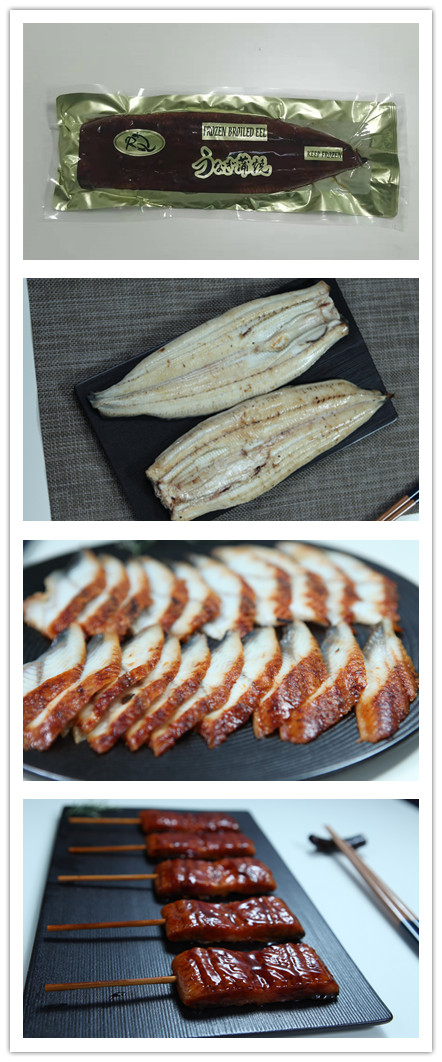
Unagi sauce vegan is a plant-based sweet-savory finishing sauce
Unagi sauce vegan describes a plant-based sauce used to create the sweet, savory, glossy profile that diners often associate with unagi-style dishes. It is a menu-use definition, not a claim that every sauce sold as eel sauce is suitable for vegan service. Buyers should confirm the full product information, allergen declaration, production controls, and vegan suitability directly with the supplier before listing any sauce as vegan.
The differentiator is simple: a traditional unagi-style menu flavor can be applied to plant-based ingredients without presenting a dish as seafood. That distinction helps restaurants build a clearer menu message and gives chefs a repeatable finishing element for several dishes.
| Menu approach | Main component | Role of the sauce | Best use case |
|---|---|---|---|
| Plant-based sushi | Tofu, mushroom, avocado, cucumber, or roasted vegetables | Adds shine and a sweet-salty top note | Rolls, nigiri-style bites, and sushi platters |
| Vegetarian grill plate | Eggplant, mushrooms, pumpkin, or peppers | Creates a glaze-like finish after grilling | Small plates and shared starters |
| Rice bowl | Rice, greens, tofu, and vegetables | Connects the toppings with a familiar savory flavor | Fast casual lunch and delivery menus |
| Plant-based snack | Skewers, crispy tofu, or fried vegetables | Works as a drizzle or dipping sauce | Bar food, catering, and grab-and-go trays |
A vegan unagi sauce should support the food rather than hide it. A mushroom nigiri needs its roasted aroma to remain noticeable. Tofu needs a crisp edge or a browned surface to contrast with the sauce. Eggplant needs enough structure to hold its shape on a plate. Think of the sauce as the final brushstroke, not the whole painting.
At Eelpro Co., LTD, our Technical Team works with buyers seeking practical ways to position sauce alongside Japanese-style menu concepts. Our eel sauce product page can help buyers begin a product discussion, but vegan claims should always be based on the supplier’s current documentation and the buyer’s own labeling requirements.
Choose plant-based pairings that hold up under a sweet-savory glaze
Not every vegetable behaves well with a glossy sauce. Watery ingredients can dilute the flavor. Fragile leaves can collapse. The strongest unagi sauce vegan pairings have either a caramelized surface, a firm texture, or a mild flavor that benefits from contrast.
Best foods for plant-based sushi and rolls
- Roasted eggplant: Its soft center and browned exterior give an unagi-style visual effect without copying seafood.
- King oyster mushrooms: Thick slices provide chew and carry a shiny finish well.
- Grilled tofu: Use firm tofu with a browned exterior so the sauce sits on the surface rather than soaking in immediately.
- Avocado and cucumber: Pair them with a glazed cooked filling to balance rich, cool, and fresh textures.
- Roasted sweet potato: A good choice for rolls where a gentle sweetness supports the sauce profile.
Best foods for bowls, starters, and grilled plates
- Rice bowls: Combine rice, tofu or mushrooms, greens, pickled vegetables, and a controlled drizzle of plant-based eel sauce.
- Charred vegetables: Eggplant, peppers, squash, and corn gain visual appeal when finished with a vegetarian unagi glaze.
- Crispy cauliflower: The crunchy coating gives diners a needed contrast against the sauce’s glossy texture.
- Tofu skewers: A practical catering option because the sauce can be served separately or brushed on at service.
- Grilled rice cakes: Their crisp edges and chewy center make them suitable for a vegan sushi sauce finish.
So, what foods pair well with unagi sauce vegan options? Focus on browned tofu, roasted eggplant, thick mushrooms, grilled vegetables, rice, and crunchy fried or roasted components. Add a fresh counterpoint such as cucumber, herbs, pickled vegetables, or citrus. That contrast prevents the dish from tasting overly sweet or visually flat.
For more menu inspiration around sweet-savory combinations, review these menu flavor pairings. The protein choices may differ for a plant-based menu, but the pairing logic around rice, vegetables, and Japanese-style side dishes can still support recipe planning.
Build a repeatable restaurant workflow for vegan unagi sauce
Restaurants can use unagi sauce vegan formats in several service styles, but consistency depends on deciding when the sauce enters the dish. Brushing, drizzling, dipping, and packing separately each produce a different guest experience.
- Choose the menu role. Decide whether the sauce is a finishing glaze, a dipping sauce, a bowl drizzle, or a sushi topping.
- Match it to a stable base. Select firm tofu, roasted vegetables, mushrooms, rice cakes, or a crisp fried component that will not become soggy quickly.
- Set the application point. Brush sauce onto grilled items near the end of cooking; drizzle bowls just before pass; serve dipping sauce separately for fried food and delivery orders.
- Add contrast. Pair the sweet-savory profile with acidity, fresh vegetables, toasted sesame, herbs, or a crisp garnish.
- Write the menu description honestly. Use terms such as “plant-based eel-style glaze” only when supplier documentation and your recipe process support the statement.
- Test the delivered dish. Check whether sauce pools in the container, softens fried coatings, or overwhelms other toppings before launching on delivery platforms.
How can restaurants use unagi sauce vegan products effectively? A sushi restaurant might use it on mushroom nigiri and tofu maki. A bowl-focused outlet could make it the finishing element for a charred eggplant rice bowl. A café can offer it alongside crispy cauliflower bites. One sauce direction, several menu formats.
Cold kitchen fact: visual shine strongly affects perceived flavor before the first bite. A controlled brush of sauce can make a grilled vegetable look richer and more intentional. Too much, however, can hide the ingredient and create a sticky plate.
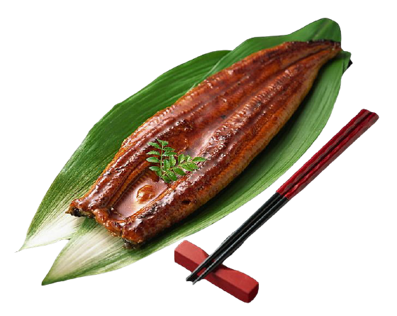
Avoid menu mistakes when using a vegetarian unagi glaze
The most common failure is treating a plant-based eel sauce as a universal condiment. It has a distinct sweet-savory direction. Use it where that profile belongs, then give diners texture and freshness around it.
- Do not glaze raw watery vegetables. Cucumber, lettuce, and tomato can release water and weaken the sauce. Use them as fresh accents instead.
- Do not coat fried food too early. A heavy coating can soften a crisp crust before the dish reaches the table.
- Do not use vague vegan menu claims. Confirm the sauce specification, allergen information, and suitability statement with the supplier before printing menus or packaging.
- Do not pair every sweet component together. Sweet potato, sweet sauce, sweet pickles, and sweet drinks can make one dish feel repetitive. Add acidity or heat.
- Do not hide the main ingredient. The tofu, mushroom, or eggplant should still be identifiable in taste and appearance.
- Do not use seafood language for a plant-based dish. Present the dish clearly as plant-based and explain the flavor style rather than implying it contains eel.
A useful buyer test is to ask the kitchen team one question: “Would a guest still recognize the base ingredient after the sauce is applied?” If the answer is no, reduce the amount, add a crisp element, or change the pairing.
Use a sourcing checklist before buying vegan unagi-style sauce
Where can buyers source unagi sauce vegan products? Start with suppliers that can discuss product labeling, application needs, packaging expectations, and the destination market’s import requirements. Eelpro Co., LTD supplies eel sauce, frozen unagi kabayaki, frozen seafood, and freshwater eels for overseas buyers. For a vegan project, state the vegan requirement at the start of the enquiry instead of assuming that an unagi-style product is automatically suitable.
| Buyer question | Why it matters | Action before purchase |
|---|---|---|
| Is the product suitable for a vegan menu claim? | Names alone do not confirm dietary suitability. | Request the supplier’s current product documentation. |
| What allergens must be declared? | Allergen controls affect menus, labels, and kitchen handling. | Compare supplier information with destination-market requirements. |
| Will it be used as a glaze or dip? | Application changes portion control and serving design. | Test it on the intended menu item before approval. |
| Will the dish be dine-in or delivered? | Texture may change during transport. | Run a packed-product test with the finished recipe. |
| Does the menu sit beside seafood dishes? | Clear descriptions prevent guest confusion. | Use distinct names and preparation procedures for plant-based items. |
Buyers developing both seafood and plant-based offerings may also compare sauce positioning with our unagi kabayaki product range. Keeping those concepts separate on the menu helps guests understand what they are ordering and helps kitchen teams follow the right preparation process.
A good purchasing brief is direct: identify the destination market, state that the intended use is plant-based, explain whether the sauce will be used in sushi, bowls, or grilled dishes, and request current product and labeling information. This makes supplier communication faster and reduces menu revision later.
Plan plant-based menu combinations around familiar Japanese-style flavor cues
Unagi sauce vegan menu planning works best when the sauce connects ingredients diners already understand. A tofu bowl with rice, greens, pickles, and a glossy drizzle feels approachable. A mushroom sushi roll with cucumber and avocado gives familiar contrasts. A grilled eggplant plate feels special when paired with crisp vegetables and sesame.
Try building a small plant-based collection instead of adding a single token vegan item. For example, offer a glazed mushroom roll, a tofu rice bowl, and crispy cauliflower bites with vegan sushi sauce. The repeated flavor cue gives the section a clear identity while each item still has its own texture and format.
For kitchen teams exploring Japanese-inspired serving ideas, our rice bowl topping ideas can spark useful garnish and bowl-structure discussions. Adapt the protein selection to your plant-based specification, then keep the sauce application controlled and consistent.
Plant-based menus do not need to imitate every seafood dish. They need flavor, contrast, and a reason for guests to order again. Use unagi sauce vegan options as a finishing direction for ingredients that bring their own character. If your team has a favorite tofu, mushroom, or vegetable pairing, share the idea with your purchasing and development teams, then test it in the exact service format your guests will receive.