

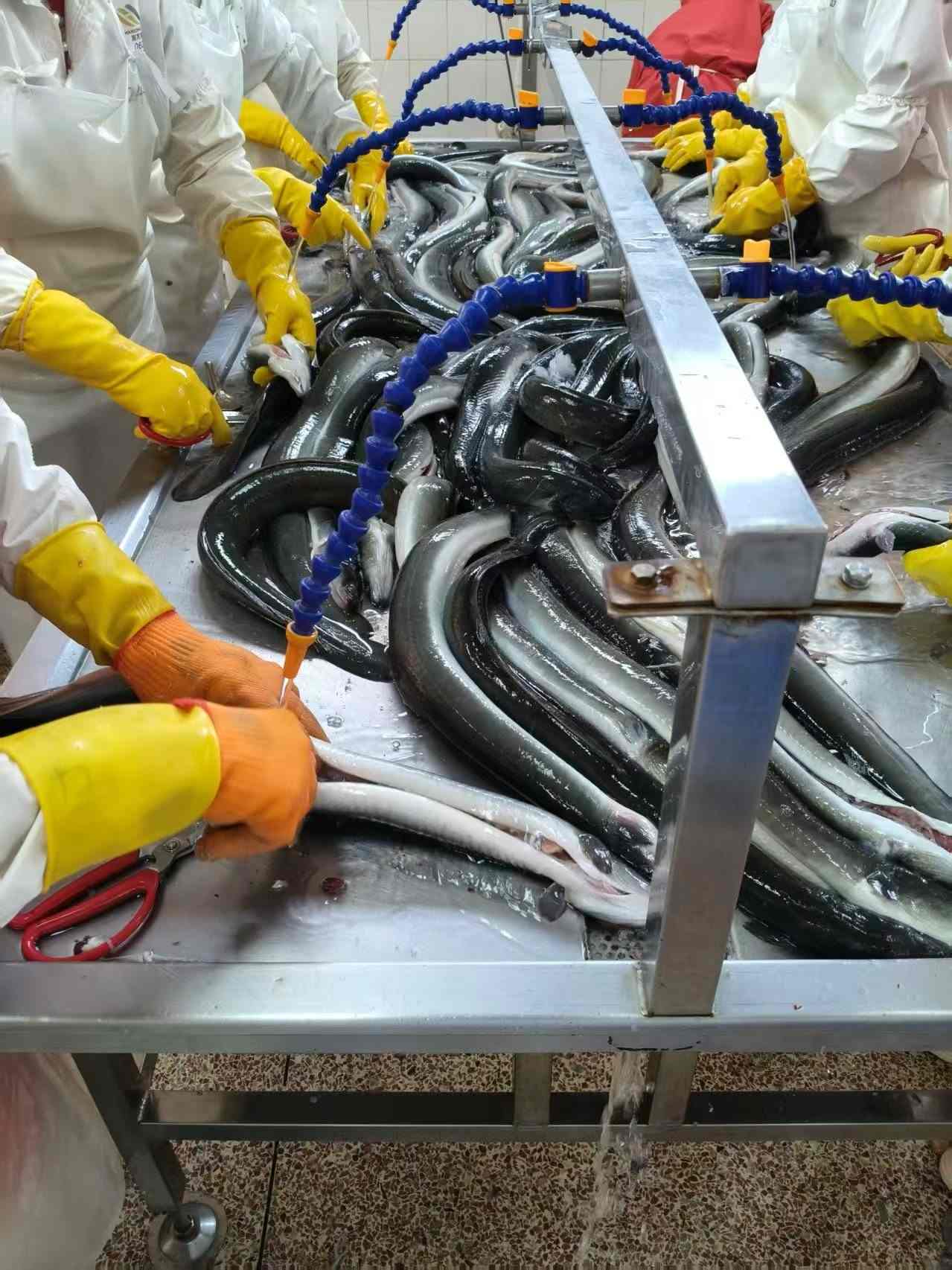
Anguilla Sauce Shelf Life and Storage for Commercial Kitchens
Anguilla sauce is a thick, sweetened soy-based glaze, essential for finishing grilled eel and a multitude of other dishes. For a restaurant, distributor, or food importer, its value goes beyond flavor. Consistent quality and a stable shelf life directly impact your bottom line by reducing waste and ensuring a reliable customer experience. An improperly stored batch of anguilla sauce can lose its signature viscosity and complex flavor, or worse, spoil entirely, forcing costly disposal and disrupting service.
Understanding the factors that affect anguilla sauce shelf life is not just about food safety; it's about inventory management and protecting your investment. This guide provides the technical details and practical steps for handling commercial quantities of this vital sauce.
Anguilla Sauce vs. Unagi Tare: What's the Difference for B2B Buyers?
In the global market, the terms "anguilla sauce" and "unagi tare" are often used interchangeably. While both refer to a sweet soy glaze for eel, subtle differences in formulation can impact flavor, application, and stability. For B2B buyers, knowing these distinctions helps in sourcing the right product for a specific culinary need. The term "Anguilla" is the genus name for freshwater eels, so "anguilla sauce" often implies a sauce specifically formulated for eel dishes.
As the Eelpro Technical Team, we formulate our eel sauce product page to achieve a perfect balance for use with our unagi kabayaki product. Here is a breakdown for procurement managers and chefs:
| Attribute | Anguilla Sauce (Typical Commercial Formulation) | Unagi Tare (Traditional / Artisanal) |
|---|---|---|
| Primary Ingredients | Soy sauce, sugar (often corn syrup or glucose), mirin, and sake are foundational. Stabilizers or thickeners may be added for consistency. | Often includes dashi made from eel bones, adding deeper umami and complexity. Formulations can vary significantly between chefs. |
| Flavor Profile | Balanced sweet and savory. Formulated for broad appeal and consistency across large batches. Generally less complex. | Can have a more pronounced, smoky, and savory flavor from the eel bone dashi. The flavor can evolve over time as the tare is replenished. |
| Viscosity & Stability | Engineered for a specific viscosity that clings well to food. Longer, more predictable shelf life due to controlled production. | Viscosity can vary. May require more frequent attention and replenishment. Shorter shelf life unless meticulously maintained. |
| Best B2B Application | High-volume restaurants, catering, food manufacturing, and distributors needing a reliable, consistent product with a long shelf life. | Specialty Japanese restaurants, high-end sushi bars, and chefs who want to create a signature, house-made flavor profile. |
Key Factors Influencing Anguilla Sauce Shelf Life
The stability of any commercial anguilla sauce depends on a few key scientific principles. Controlling these factors is how we ensure our sauce maintains its quality from our facility to your kitchen. When evaluating a supplier, ask about how they manage these variables.
The primary components that protect the sauce are sugar and salt (from soy sauce). Both ingredients reduce "water activity" by binding to water molecules, making them unavailable for microbial growth like bacteria, yeast, and mold. A lower water activity is a major contributor to a longer shelf life.
Here’s a buyer’s checklist for understanding product stability:
- Ingredient Quality: The foundation is high-quality soy sauce and sugars. Inferior ingredients can contain impurities that accelerate spoilage.
- pH Level: A slightly acidic pH helps inhibit bacterial growth. The combination of soy sauce, mirin, and sake naturally contributes to a food-safe pH level.
- Production Process: Proper heating and pasteurization during manufacturing are critical. This step eliminates initial microbial loads, essentially "resetting the clock" before the sauce is packaged.
- Packaging Integrity: The container must provide an airtight seal to prevent oxygen and contaminants from entering. Oxygen can lead to oxidation, which degrades flavor and color over time.
Commercial Anguilla Sauce Storage Best Practices
Proper storage is the final, critical step to maximizing the value of your purchase. A high-quality anguilla sauce can be ruined by poor handling. Follow these guidelines to protect your inventory.
Unopened Anguilla Sauce Storage
For sealed containers, the goal is to maintain the condition set by the manufacturer. The "best by" date on the packaging is your primary guide, but this date assumes correct storage.
- Maintain a Cool, Consistent Temperature: Store containers in a pantry or storage room away from heat sources like ovens, grills, or dishwashers. The ideal temperature is between 50-70°F (10-21°C). Avoid temperature fluctuations, which can degrade the sauce.
- Block Out Light: Keep the sauce in a dark area or in its original cardboard shipping case. UV light can cause the sauce's color to fade and can accelerate flavor degradation.
- Check for Seal Integrity: Before storing, always inspect containers for damage, leaks, or bulging lids. A compromised seal means the product is no longer protected.
Opened Anguilla Sauce Storage
Once the factory seal is broken, oxygen and potential contaminants are introduced. The clock starts ticking faster. Refrigeration becomes mandatory.
How long does anguilla sauce last after opening? When properly refrigerated, a commercial anguilla sauce can last for 3 to 6 months. However, its peak flavor quality may start to diminish after the first month. Always check for signs of spoilage before use.
- Refrigerate Immediately: Store opened anguilla sauce in the refrigerator at a temperature below 40°F (4°C).
- Use Clean Utensils: Never double-dip. Use a clean spoon or pour the sauce into a smaller container for service. Introducing food particles will lead to rapid spoilage.
- Ensure an Airtight Seal: After each use, wipe the container's rim clean and seal the lid tightly. For large pails, consider transferring a week's worth of sauce to smaller squeeze bottles for daily use, keeping the main pail sealed and refrigerated.
Evaluating Anguilla Sauce Packaging for Kitchen Workflow
The type of anguilla sauce packaging you choose affects not only shelf life but also kitchen efficiency and food safety. Different formats are suited to different operational needs.
| Packaging Type | Pros | Cons | Best For |
|---|---|---|---|
| Bulk Pails (18L / 5 Gal) | Lowest cost per liter. Reduces packaging waste. Ideal for high-volume needs. | Higher risk of contamination due to frequent opening. Requires decanting into smaller containers. Takes up significant storage space. | Central kitchens, food manufacturers, very high-volume restaurants. |
| Gallon Jugs (3.8L) | Good balance of volume and manageability. Easier to pour and handle than pails. | Still requires careful handling to prevent contamination. Can be awkward to store on standard refrigerator shelves. | Busy restaurants and catering operations. |
| Glass Bottles (750ml - 1L) | Excellent barrier against oxygen and moisture. Perceived as higher quality. Recyclable. | Heavier, breakable, and typically higher cost. Slower dispensing for high-volume use. | Front-of-house presentation, lower-volume specialty restaurants. |
| Plastic Squeeze Bottles | Easy to dispense for plating. Lightweight and durable. Reduces the need for decanting. | Less effective oxygen barrier than glass, potentially shorter shelf life once opened. | Line cooks, sushi bars for direct application on dishes like delicious eel rice bowls. |
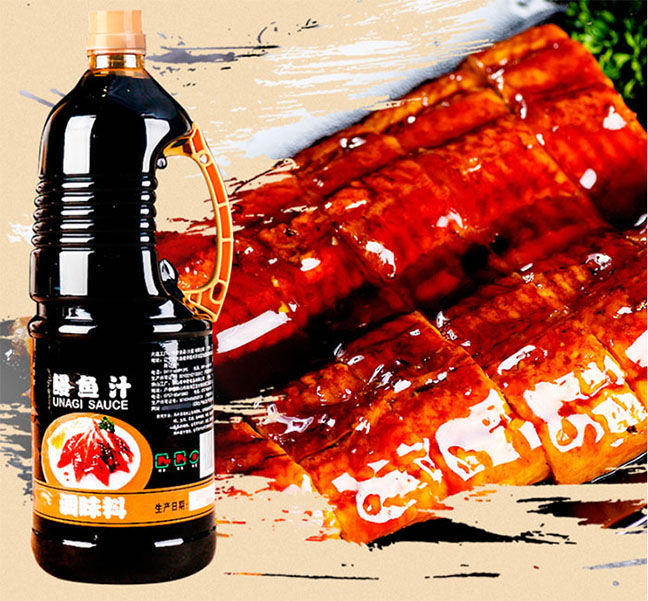
FAQ: Your Commercial Anguilla Sauce Questions
We receive frequent questions from our B2B partners about handling our products. Here are answers to the most common ones regarding our commercial anguilla sauce.
How should commercial anguilla sauce be stored?
Unopened, it should be stored in a cool, dark, and dry place (50-70°F / 10-21°C). Once opened, it must be kept tightly sealed and refrigerated below 40°F (4°C) to maximize its shelf life and maintain safety.
What are the signs of spoiled anguilla sauce?
Discard the sauce immediately if you notice any of these signs. Do not taste it.
- Visible Mold: Any fuzzy or discolored spots, especially around the rim or on the surface.
- Off Odor: A sour, fermented, or otherwise unpleasant smell instead of its typical sweet and savory aroma.
- Gas Formation: A bulging lid or a "hiss" sound upon opening can indicate fermentation.
- Major Color/Texture Change: While some darkening can occur over time, a drastic change or separation is a warning sign.
Can you freeze anguilla sauce to extend its life?
Yes, freezing is an effective way to prolong the life of anguilla sauce, especially if you buy in bulk but use it slowly. Pour it into ice cube trays for small, easy-to-thaw portions. Once frozen, transfer the cubes to a freezer bag. It can be stored this way for over a year, though for best quality, use within 6-8 months.