

What Does a Gulper Eel Eat in the Deep Ocean?
The gulper eel, *Eurypharynx pelecanoides*, is a fascinating creature of the deep ocean, recognized by its enormous, pelican-like mouth. For B2B seafood buyers and distributors, understanding species like the gulper eel is important, primarily to distinguish them from the commercially harvested freshwater eels that populate menus worldwide. Our focus at Eelpro Co., LTD is on supplying high-quality products like unagi kabayaki product and eel sauce product page, which come from entirely different environments and species than these deep-sea marvels. So, what does a gulper eel eat, and how do its feeding habits differ from those of eels we utilize in cuisine?
Understanding the Gulper Eel: A Deep-Sea Predator
The gulper eel is a truly unique inhabitant of the bathyal and abyssal zones, typically found at depths ranging from 500 to 3,000 meters (about 1,600 to 9,800 feet). Unlike the freshwater eels we farm and process, gulper eels are not commercially fished due to their extreme habitat and sparse distribution. Their most striking feature is their disproportionately large mouth, which can expand to swallow prey larger than themselves. This adaptation is essential for survival in an environment where food is incredibly scarce. They are part of the Saccopharyngiformes order, often referred to as "saccopharyngiform eels," which includes several other deep-sea oddities.
To clarify the distinction for seafood professionals considering their product lines, here is a comparison between gulper eels and commercially relevant freshwater eels like those we supply:
| Feature | Gulper Eel (*Eurypharynx pelecanoides*) | Commercial Freshwater Eel (e.g., *Anguilla japonica*) |
|---|---|---|
| Habitat | Deep ocean (500-3,000m), aphotic zone | Freshwater rivers, lakes, estuaries (migrates to sea for breeding) |
| Mouth Structure | Enormous, highly expandable, pelican-like jaws | Proportional, smaller mouth, suitable for catching smaller prey |
| Primary Diet | Crustaceans, small fish, cephalopods (infrequent large meals) | Insects, worms, small fish, crustaceans |
| Commercial Value | None; rarely encountered, not suitable for consumption | High; farmed and wild-caught for global culinary markets |
| Fishing Method | Accidental bycatch in deep-sea research nets (no targeted fishing) | Traps, nets, traditional angling, aquaculture |
As the table shows, the gulper eel's existence is far removed from the supply chain of high-quality unagi manufacturers. Our unagi eel farm for Eelpro Co., LTD focuses on sustainable aquaculture of species that thrive in controlled environments and provide delicious, consistent products.
The Unique Gulper Eel Feeding Habits and Prey
The gulper eel's feeding strategy is a masterclass in adaptation to a resource-poor environment. Its most notable feature, the massive mouth, is not just for show. It acts like a large net, allowing the eel to engulf a wide variety of prey when an opportunity arises. The jaws can unhinge, and the throat and stomach can distend significantly, enabling the eel to swallow prey much larger than its own body. This is a crucial adaptation for a predator that may only encounter a substantial meal every few weeks or months.
So, what prey do gulper eels eat in the deep sea? Research from submersible observations and stomach content analysis reveals a diet primarily consisting of:
- Crustaceans: Small shrimp, copepods, and other benthic (bottom-dwelling) or pelagic (open-water) crustaceans form a significant part of their gulper eel diet. These are relatively common in various deep-sea layers.
- Small Fish: Lanternfish (Myctophidae) and other small deep-sea fish are also consumed. These fish often migrate vertically, bringing them within the gulper eel's strike zone.
- Cephalopods: Small squid and octopuses, though less common, have been found in the stomachs of gulper eels. Their soft bodies make them easy to consume whole.
How does a gulper eel catch food? It's largely an ambush predator. Given the low light and sparse prey, active pursuit is energy-intensive and often fruitless. Instead, the gulper eel likely hangs motionless in the water column, often with its mouth slightly agape, waiting for an unsuspecting creature to swim close enough to be engulfed. Its long, whip-like tail, which sometimes has a bioluminescent organ at the tip, might also serve as a lure, attracting curious prey in the darkness. This "sit-and-wait" approach conserves precious energy, making every feeding opportunity count.
Deep-Sea Eel Food: Adapting to Scarcity
Life in the deep sea presents extreme challenges, especially regarding food availability. The absence of sunlight means no photosynthesis, placing organisms here at the bottom of a very long food chain, relying on organic matter drifting down from above. This scarcity profoundly shapes the gulper eel feeding habits. Their adaptations go beyond just their mouth structure.
- Low Metabolism: Gulper eels have a very slow metabolism. This allows them to survive for long periods between meals, making the most of every calorie consumed. Their slow movement is a direct result of this low energy expenditure.
- Efficient Digestion: Once a meal is secured, the gulper eel's digestive system is highly efficient, extracting maximum nutrients from its infrequent catches.
- Sensory Adaptations: While direct evidence is limited, it is believed that gulper eels possess highly sensitive lateral lines and other sensory organs to detect vibrations and chemical cues from potential gulper eel prey in the pitch-black environment. Their small eyes are likely more useful for detecting bioluminescent flashes than for forming images.
Do gulper eels eat fish or crustaceans? The answer is both, along with other small invertebrates. Their expansive mouth is not selective in the way some specialized predators are. It's a generalist trap, designed to catch whatever comes within range, be it a small fish or a deep-sea shrimp. The emphasis is on opportunity rather than specific prey targeting. This contrasts sharply with the varied and often carefully curated diets of farmed eels, which are fed specific nutrients to ensure rapid growth and optimal flavor for products like unagi kabayaki eel.
Why Understanding Gulper Eels Matters for Seafood Buyers
For businesses specializing in seafood, understanding species like the gulper eel reinforces the critical differences between deep-sea biodiversity and commercially viable aquaculture or fishery products. While gulper eels are fascinating from a scientific perspective, they hold no place in the global seafood market. This distinction is important for maintaining clear communication with consumers and ensuring responsible sourcing practices.
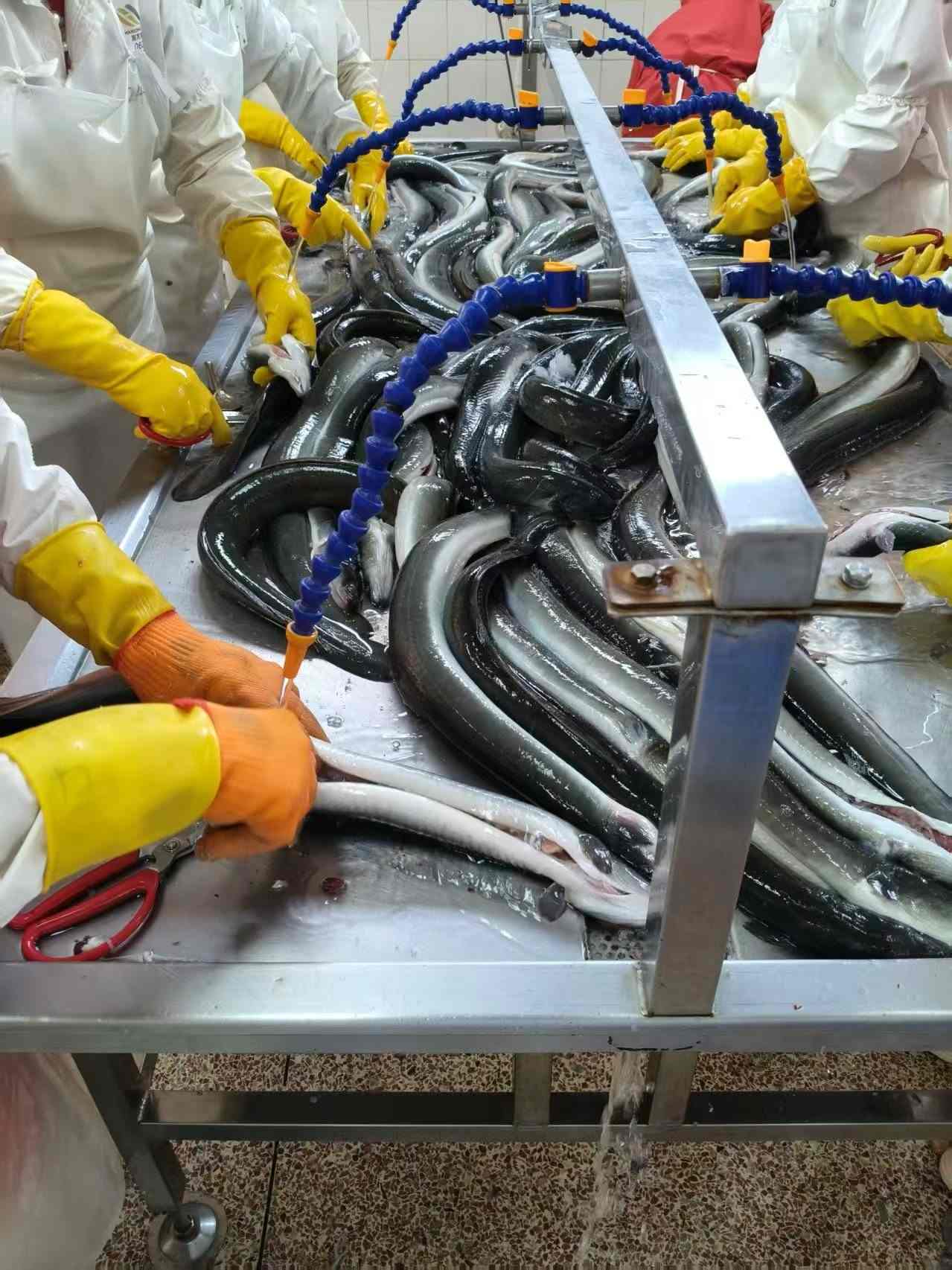
At Eelpro Co., LTD, we focus on providing premium quality freshwater eels and related products. Our eel lab of Eelpro Co., LTD continuously works to ensure the health and quality of our eels, which are then processed into exquisite items such as Unagi Kabayaki and a variety of frozen seafood. When considering commercial eel products, buyers should look for specific characteristics:
Buyer's Decision Checklist for Commercial Eel Products
To ensure you source the best quality commercial eels for your business, consider these points:
- Source Transparency: Does your supplier clearly state the origin of their eels (e.g., farmed freshwater eels from reputable aquaculture operations)?
- Processing Standards: Are the eels processed in HACCP-certified facilities? This ensures food safety and quality control.
- Product Formats: Does the supplier offer the specific formats you need, such as whole frozen freshwater eels, unagi kabayaki with sauce, or specialty Chinese dimsum items?
- Packaging Options: Can they provide bulk packaging suitable for your distribution needs, or individual retail packs?
- Consistency in Quality: Does the supplier demonstrate a consistent product in terms of size, texture, and flavor? This is vital for maintaining customer satisfaction.
- Logistics Capability: Can they handle international shipping requirements for frozen goods efficiently and reliably?
- Supplier Support: Do they offer clear communication, technical support, and respond promptly to inquiries?
By focusing on these practical aspects, you can ensure a reliable supply of high-quality eel products that meet market demand, far removed from the deep-sea mysteries of what does a gulper eel eat. We at Eelpro Co., LTD are dedicated to being your trusted partner for premium eel products, offering everything from savory eel teriyaki to innovative eel sushi roll recipes that delight diners.