

How to Price an Unagi Sushi Roll for Maximum Profitability
An unagi sushi roll, also known as an unakyu maki when it includes cucumber, is a classic menu item featuring grilled freshwater eel glazed with a sweet and savory sauce, rolled with sushi rice and nori. For restaurant owners and foodservice distributors, this popular roll is more than just a customer favorite; it is a significant profit center. But its profitability hinges entirely on precise costing and strategic menu pricing. Get it wrong, and this premium item can quietly drain your margins.
Understanding every component of your eel sushi menu cost is the first step toward building a more profitable menu. This guide breaks down the process, from calculating per-roll food costs to avoiding common pricing mistakes that we, the Eelpro Technical Team, have seen operators make over the years. The key is balancing ingredient quality with operational efficiency, ensuring every unagi sushi roll served delights the customer and benefits your bottom line.
Calculating Your Base Food Cost for an Unagi Sushi Roll
Before you can set a price, you must know exactly what it costs to make one roll. This figure, your plate cost, is the foundation of your entire pricing strategy. It requires a detailed breakdown of every single ingredient, no matter how small. A common target food cost percentage for restaurants is between 25-35%, meaning the raw ingredients should account for that portion of the menu price. This is a crucial part of managing your overall Cost of Goods Sold (COGS).
Follow this procedure to determine your precise cost per roll:
- List All Components: Write down every ingredient used in your unagi sushi roll. This includes the unagi, sushi rice, nori, cucumber, avocado, sesame seeds, and the unagi sauce for glazing and drizzling.
- Determine Cost-Per-Unit: Look at your invoices to find the price you pay for each ingredient. For example, cost per kilogram of unagi, cost per kilogram of rice, cost per 100-sheet pack of nori.
- Measure Portions Accurately: Use a digital scale to weigh the exact amount of each ingredient that goes into a single, standardized roll. Consistency is critical for cost control. A few extra grams of eel on every roll adds up quickly.
- Calculate Per-Roll Ingredient Cost: Divide the portion weight by the total weight of the purchased unit and multiply by the unit cost. (e.g., (50g unagi / 1000g per kg) * $30/kg = $1.50 for the unagi portion).
- Sum All Costs: Add the costs of each component together to get your total food cost for one unagi sushi roll.
Here is a simplified worked example. Please substitute your own supplier costs.
| Ingredient | Your Supplier Cost | Standard Portion Per Roll | Calculated Cost Per Roll |
|---|---|---|---|
| Frozen Unagi Kabayaki | $30.00 per kg | 55g | $1.65 |
| Sushi Rice (cooked) | $3.00 per kg | 120g | $0.36 |
| Nori Sheet | $15.00 per 100 sheets | 1 sheet | $0.15 |
| Avocado | $1.00 per piece (avg. 150g usable) | 30g | $0.20 |
| Cucumber | $2.00 per kg | 20g | $0.04 |
| Eel Sauce (Unagi Tare) | $8.00 per liter | 15ml | $0.12 |
| Total Plate Cost | $2.52 |
With a precise plate cost of $2.52, you can now make informed decisions about your unagi roll pricing. Using a consistent, high-yield product like our unagi kabayaki product helps stabilize the most expensive component of this calculation.
Prepared Unagi Kabayaki vs. In-House Preparation: A Cost-Benefit Analysis
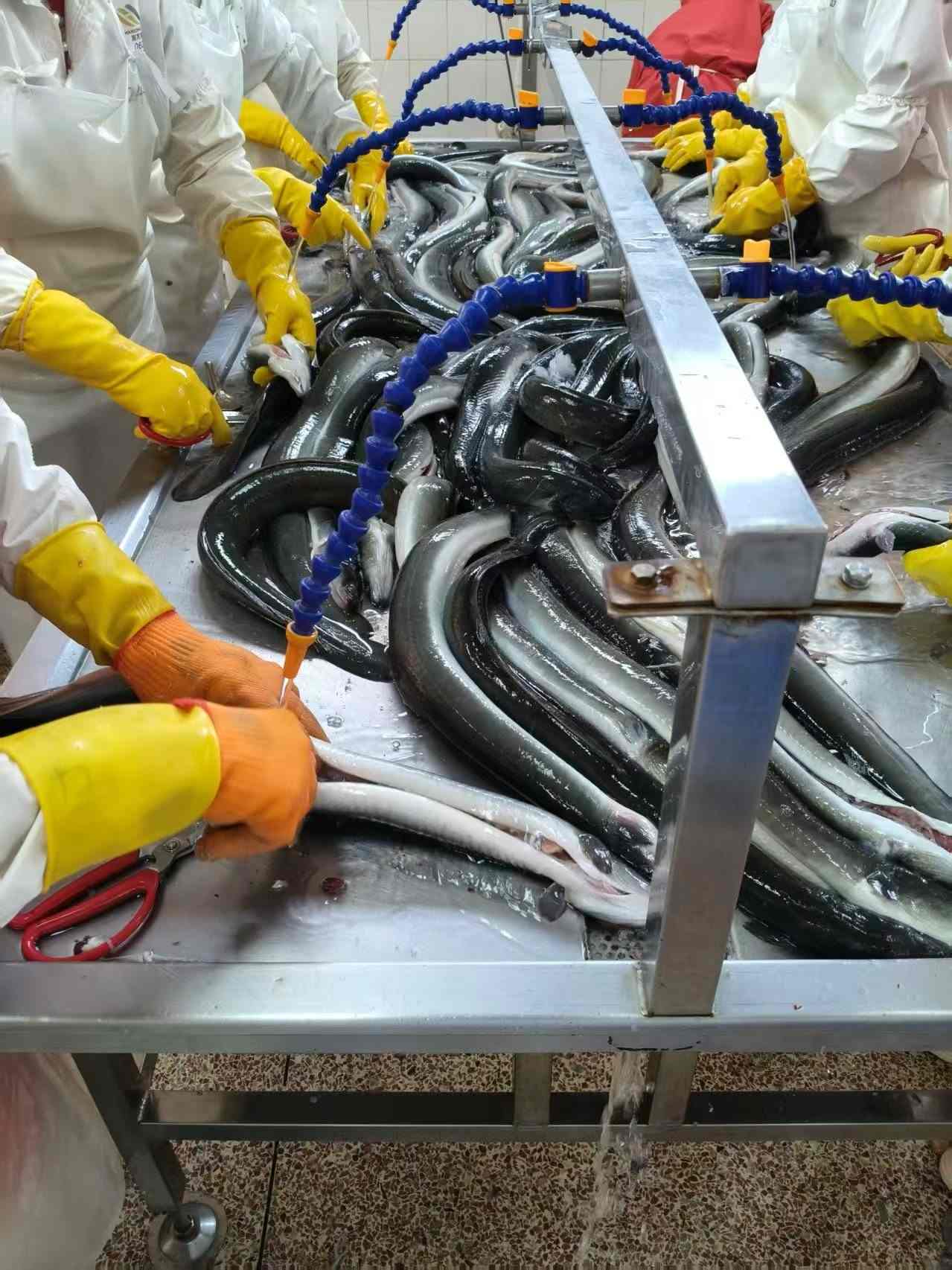
A major decision impacting your unagi sushi roll cost and operational workflow is how you source the eel. You can either purchase ready-to-use frozen unagi kabayaki or prepare it from raw freshwater eels in-house. While preparing from scratch may seem cheaper on the surface, a full analysis reveals hidden labor and waste costs.
As a specialized unagi kabayaki manufacturer, we have helped countless foodservice businesses analyze this exact choice. The decision directly impacts consistency, speed, and the overall sushi roll profit margin.
Here is a direct comparison for unagi roll foodservice operations:
| Factor | Frozen Unagi Kabayaki (Eelpro) | In-House Preparation from Raw Eel |
|---|---|---|
| Ingredient Cost | Higher cost per kilogram on the invoice. | Lower initial cost per kilogram for raw eel. |
| Labor Cost | Minimal. Simply thaw, portion, and heat. Requires very little specialized skill. | Extremely high. Involves skilled labor for de-sliming, filleting, deboning, skewering, multiple grilling stages, and saucing. |
| Product Consistency | 100% consistent. Every piece has the same thickness, flavor profile, and texture. | Highly variable. Depends on the chef's skill, the specific eel, and the grilling process that day. |
| Food Waste & Yield | Virtually zero waste. You use exactly what you thaw. | Significant waste from head, bones, and trim. Cooking shrinkage and potential for error (burning) further reduce yield. |
| Speed of Service | Very fast. Enables quick assembly of an unagi sushi roll during busy service periods. | Slow. Requires hours of advance preparation. Cannot be done on-demand. |
| Equipment Needs | Standard oven, broiler, or microwave. | Specialized eel grill (yaki-dai), skewers (kushi), and dedicated prep space. |
For most high-volume restaurants and foodservice operations, prepared unagi kabayaki offers superior control over costs and quality. The slightly higher invoice price is easily offset by massive savings in skilled labor, reduced food waste, and guaranteed product consistency, which protects your brand's reputation.
Setting Your Eel Sushi Menu Cost: Strategies and Market Positioning
Once you have your plate cost, you can apply a pricing strategy that aligns with your brand and market. Simply guessing or copying a competitor without understanding your own costs is a recipe for failure. The unagi roll pricing should be a deliberate business decision.
Here are three common approaches:
- Cost-Plus Pricing: This is the most straightforward method. You decide on a target food cost percentage and calculate the price accordingly.
Formula: Menu Price = Food Cost / Target Food Cost Percentage
Example: Using our $2.52 food cost and a target of 28% (0.28): $2.52 / 0.28 = $9.00. You could price the roll at $9.00 or $8.95. - Competitive Pricing: Research the menus of direct competitors in your area. Where does your unagi sushi roll fit? If you use premium ingredients, you can justify a price point 10-20% higher than the average. If you are competing on volume, you might price it in line with or slightly below the market average. Be careful not to start a price war.
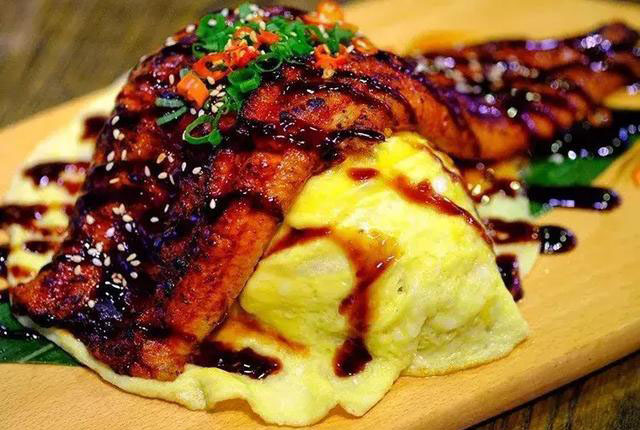
- Value-Based Pricing: This strategy focuses on the perceived value to the customer. Unagi is widely recognized as a premium ingredient. Your menu description, photos, and staff training should all emphasize the quality of the eel. Mentioning its rich flavor and tender texture can help justify a price set by what the market is willing to pay for a high-quality experience, rather than being strictly tied to your cost percentage.
Use this checklist to refine your pricing decision:
- What is my absolute minimum price based on a 35% food cost?
- What are my top three local competitors charging for their unagi roll?
- Is my restaurant positioned as a budget, mid-range, or premium dining experience?
- Does the quality of my unagi and our signature eel sauce product page justify a premium price point?
- Can I bundle the unagi sushi roll in a combo or bento box to increase the average check size?
Common Mistakes in Unagi Roll Pricing that Ruin Profit Margins
Profitability is often lost in the small details. Here are common mistakes to avoid when setting your eel sushi menu cost.
- Forgetting "Invisible" Costs: The plate cost calculation must be total. Did you include the cost of the ginger, wasabi, and the drizzle of eel sauce on top? What about a small fraction for takeout containers and soy sauce packets? These small items can erode 1-2% of your margin if forgotten.
- Inconsistent Portioning: This is the number one profit killer. If your recipe calls for 55g of unagi but your chefs are busy and "eyeballing" it at 65g, you have just increased the cost of your most expensive ingredient by nearly 20%. Use scales and train your team on the importance of standardization.
- Not Reviewing Costs Regularly: Supplier prices change. The cost of avocado, a key ingredient in many specialty unagi rolls, can fluctuate wildly. You must re-calculate your plate costs quarterly or whenever a supplier informs you of a significant price increase. A menu price set in January may be unprofitable by July.
- Underpricing a Premium Item: Customers expect to pay more for an unagi sushi roll than a California roll. Pricing it too low not only leaves money on the table but can also create a perception of lower quality. Don't be afraid to price your roll according to its value.
- Sacrificing Quality for Small Savings: Using a lower-grade unagi to save 50 cents on your plate cost might seem smart, but it's a dangerous trade-off. A poor-quality eel can be tough, muddy-tasting, or have an unpleasant texture. This leads to disappointed customers who won't return, destroying your long-term profitability for a tiny short-term gain.
Ultimately, a profitable unagi sushi roll is the result of a disciplined approach to sourcing, costing, and pricing. By partnering with a reliable supplier and meticulously managing your costs, you can ensure this menu favorite remains a powerful contributor to your restaurant's success.