





How to Source Unagi Seafood Seasoning Sauce for Import and Foodservice Buyers
A sauce can look good in a bottle and still create expensive trouble after arrival. Before placing an RFQ for unagi seafood seasoning sauce, buyers need to confirm more than flavor: ingredient declarations, label language, pack format, shelf life, and export paperwork can all affect whether a shipment is usable in the destination market.
For importers, distributors, and restaurant supply buyers, the best source is not automatically the supplier offering the lowest quoted price. It is the supplier that can provide consistent product information, appropriate packaging, traceable production controls, and documents that match the order. This matters especially when sauce is sold alongside frozen eel, used in restaurant chains, or repacked for retail.

Build a Clear Sourcing Brief Before You Request a Quote
The first decision is simple: define how the unagi seafood seasoning sauce will be used before comparing suppliers. A sauce for a restaurant kitchen, a retail shelf, and a frozen kabayaki eel kit may require very different pack formats, labeling details, and order volumes.
Recommendation: send every shortlisted supplier the same written sourcing brief. This makes quotations easier to compare and prevents one supplier from pricing a foodservice pack while another prices a retail-ready bottle. It fits buyers who are evaluating two or more suppliers. It does not replace a review of local import rules or label approval requirements in your own market.
- Application: finishing sauce, cooking glaze, dipping sauce, retail condiment, or sauce packed with eel products.
- Target customer: Japanese restaurants, Asian foodservice operators, supermarkets, food distributors, or meal-kit businesses.
- Required pack format: specify whether you need foodservice bulk packaging, consumer packaging, or a format suitable for inclusion with frozen products.
- Label requirement: state the destination country, required language, importer details, allergen declaration expectations, and whether private labeling is required.
- Order structure: identify whether the order is sauce-only or paired with frozen eel, seafood, or prepared foods.
- Documentation request: list the documents your customs broker, importer, or distributor expects before shipment.
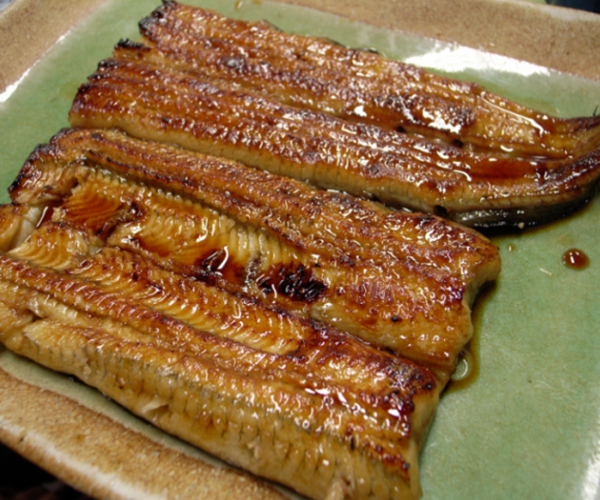
Buyers sourcing sauce alongside grilled eel should also specify whether the flavor profile must match a kabayaki product already in their range. Eelpro supplies unagi kabayaki as well as eel sauce, which can make product pairing discussions more direct when a buyer needs a coordinated menu offer.
Compare Unagi Seafood Seasoning Sauce Options by Sales Channel
There is no single “best” unagi seafood seasoning sauce format. The right choice depends on who opens the pack, how quickly it is used, and whether the buyer must place its own label on the finished product.
| Buyer situation | Best sourcing focus | Why it matters | When this option may not fit |
|---|---|---|---|
| Restaurant distributor | Operational pack format and stable supply | Kitchen teams need packaging that suits routine handling and menu service. | It may not suit retail customers that require consumer-facing labels. |
| Supermarket or specialty retailer | Retail label review and shelf-life confirmation | Retail buyers need clear declarations and packaging suitable for sale to consumers. | It may add setup work when the product is only for back-of-house use. |
| Frozen eel importer | Sauce and eel pairing | A coordinated offer can help maintain a consistent kabayaki serving experience. | It is less relevant if the buyer already has an approved sauce formula. |
| Private-label distributor | Artwork, declarations, pack approval, and document control | Errors in labels or approved specifications can delay a launch. | It may not be necessary for buyers selling under the supplier’s existing brand. |
A practical comparison should separate product price from the work required to make the item market-ready. A lower unit price can lose its advantage if the pack format, label content, or export records must be corrected after production begins.
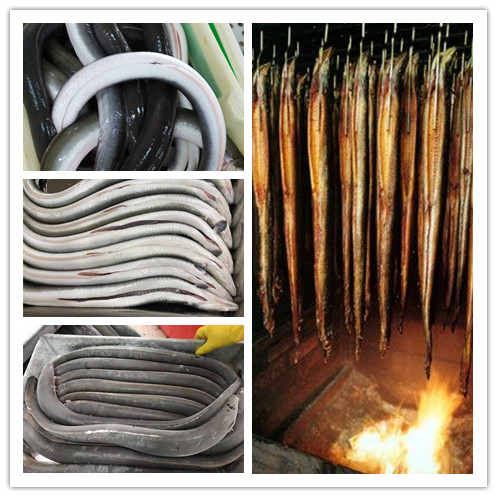
A Supplier-Verification Workflow Covering Ingredient Declarations, Pack Formats, Shelf Life, and Export Documentation
Before approving unagi seafood seasoning sauce, use a document-first workflow. The conclusion is clear: do not approve a supplier based only on product photographs, a brief product list, or a verbal promise. The reason is that each missing detail can become a border, labeling, warehouse, or customer-service problem later.
| Verification item | What to request | Risk if skipped | Decision use |
|---|---|---|---|
| Ingredient declaration | Current ingredient list, allergen information, and label copy intended for the target market | Ingredients or allergen statements may not align with importer, retailer, or local labeling expectations. | Use it to screen label feasibility before ordering samples or finalizing artwork. |
| Pack format | Pack style, net content, outer-carton configuration, and pallet loading details where required | The product may be impractical for kitchen use, retail display, or warehouse handling. | Use it to compare freight, storage, handling, and sales-channel fit. |
| Shelf life | Declared shelf life, storage conditions, date-marking format, and remaining-life requirement at shipment | Short remaining life can reduce distributor flexibility and increase write-off exposure. | Use it to set a written acceptance condition in the purchase order. |
| Export documentation | Document list, product description, consignee details, label confirmation, and shipment record process | Incorrect or incomplete records can hold cargo or create customs questions. | Use it to confirm that supplier, forwarder, and importer work from matching information. |
Cold fact: a nice-looking label image is not a verified label. Ask for the actual text content in an editable or reviewable format. Check product name, ingredient declaration, storage statement, date-marking approach, country-of-origin wording where needed, and importer information before mass production.
This workflow is especially suitable for first orders, private-label projects, and new-market launches. It may be shorter for repeat orders when the item, artwork, destination, and documentation process are already approved. Even then, review changes to ingredients, packaging, or shipment instructions in writing.
Match the Sauce to the Eel Product and Menu Use
Buyers should not evaluate unagi seafood seasoning sauce only from a spoon sample. Taste it in the actual application. A sauce that seems balanced on its own can behave differently after heating, brushing, or serving with rice and grilled eel.
Recommendation: test the sauce with the exact format you intend to sell or serve. This is most useful for kabayaki bowls, sushi items, bento programs, and restaurant menus. It is less decisive when sauce will be used as a general pantry condiment across many unrelated dishes.
- Prepare one test with sauce brushed onto heated kabayaki eel.
- Prepare one test served separately as a finishing sauce.
- Check whether the final serving remains balanced with rice, vegetables, and side dishes.
- Record the preparation method used so internal buyers and chefs compare the same result.
- Ask whether the sauce is intended for direct use, heating, or another stated application.
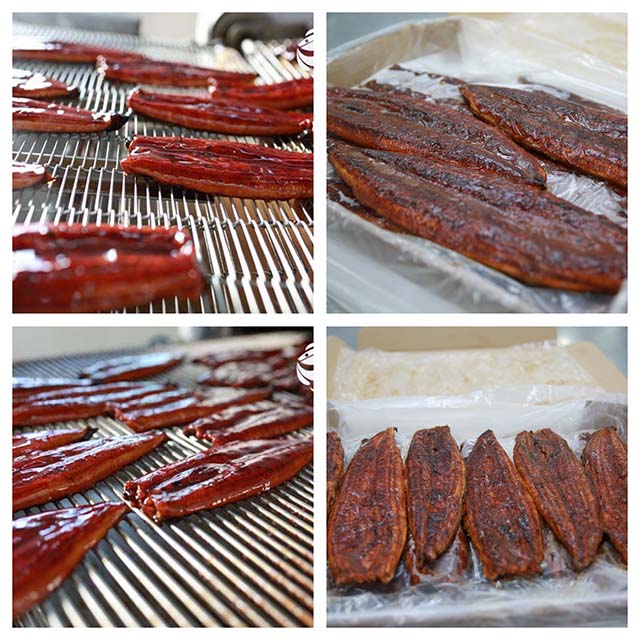
Eelpro uses an export-grade roasting process for eel featuring four precise soy-sauce coating layers and temperature-controlled steps. That roasting approach applies to the kabayaki process, not a claim that every sauce order uses an identical formula. Buyers who want to understand sauce use with grilled eel can review kabayaki sauce guidance and compare it with their own menu goals.
For menu teams developing broader seafood offerings, the same sourcing discipline applies to frozen seafood: confirm product form, storage conditions, packing information, and intended cooking method before adding an item to a catalogue.
Screen Supplier Controls Before You Discuss Final Price
Price matters, but unagi seafood seasoning sauce should be purchased from a supplier that can explain its food-safety controls and product traceability. This is particularly relevant when the sauce is sold together with eel products or supplied to foodservice groups that ask for supplier-approval records.
Eelpro Co., LTD holds ISO 22000:2018 Food Safety Management System certification, HACCP certification, HALAL certification, an Export Food Producer Registration Certificate, and an SC Food Production License covering quick-frozen prepared foods. HACCP is a preventive food-safety management approach that identifies and controls relevant hazards during production.
The company operates two modern production lines with annual finished-product capacity of 4,000 tons, supported by a 1,000-ton cold storage facility. Its supply chain includes approximately 20 customs-registered eel farming bases covering more than 2,150 mu, with traceability controls from farming registration through process verification, targeted sampling, and traceability tracking.
These facts matter most when sourcing unagi seafood seasoning sauce as part of an eel program rather than as a stand-alone condiment. They do not mean every export destination has identical import rules. Importers remain responsible for confirming their own market’s labeling, customs, and food-import requirements.
Avoid Common Quote-Comparison Mistakes
When buyers compare unagi seafood seasoning sauce offers, several avoidable mistakes can make one quote look cheaper than another when the products are not actually equivalent.
- Comparing only a unit price: confirm whether each quote covers the same pack format, label status, and shipping basis.
- Skipping remaining shelf-life terms: define the minimum acceptable remaining shelf life at shipment in the purchase order.
- Approving a sample without reviewing its specification: a sample confirms sensory suitability, but it does not confirm final production labeling or documents.
- Assuming sauce and eel are automatically matched: request a paired application test when the product will be sold as a kabayaki meal solution.
- Leaving documentation until booking: agree on document requirements before the supplier begins order preparation.
- Using vague packaging language: replace “standard packing” with the exact approved pack description.
The best time to correct these issues is before the purchase order is issued. After goods are packed, changes to labels, carton marks, or shipment records may affect schedules and cost.
Use a Practical RFQ Process for Unagi Seafood Seasoning Sauce
A structured RFQ helps suppliers quote accurately and helps buyers compare responses fairly. For unagi seafood seasoning sauce, follow this sequence:
- State the destination country and intended sales channel.
- Describe the intended use: restaurant finishing sauce, retail condiment, or paired eel product.
- Request the ingredient declaration, allergen information, pack format, declared shelf life, and storage conditions.
- Ask for product photos and packaging details only after the written specifications are provided.
- Confirm the required export-document list with your importer or customs broker.
- Request a sample or sample review plan for unagi seafood seasoning sauce before approving bulk production.
- Put approved product details, packing details, and documentary requirements into the purchase order.
Regular orders at Eelpro generally require approximately 30 days from order confirmation to shipment, subject to negotiation based on specification and quantity. Buyers should treat this as planning information, not a fixed promise for every project. Packaging format, order volume, and document requirements can affect the final schedule.
For buyers combining sauce with roasted eel, Eelpro can discuss product specifications for eel sauce and frozen eel selections within the same sourcing conversation. Request a specification sheet and quotation for unagi seafood seasoning sauce based on your destination, pack format, and intended application.
 WhatsApp
 sales@chinaeels.com
 +8619937922411