

Identify Chinese Eel Names by Species and Cuisine
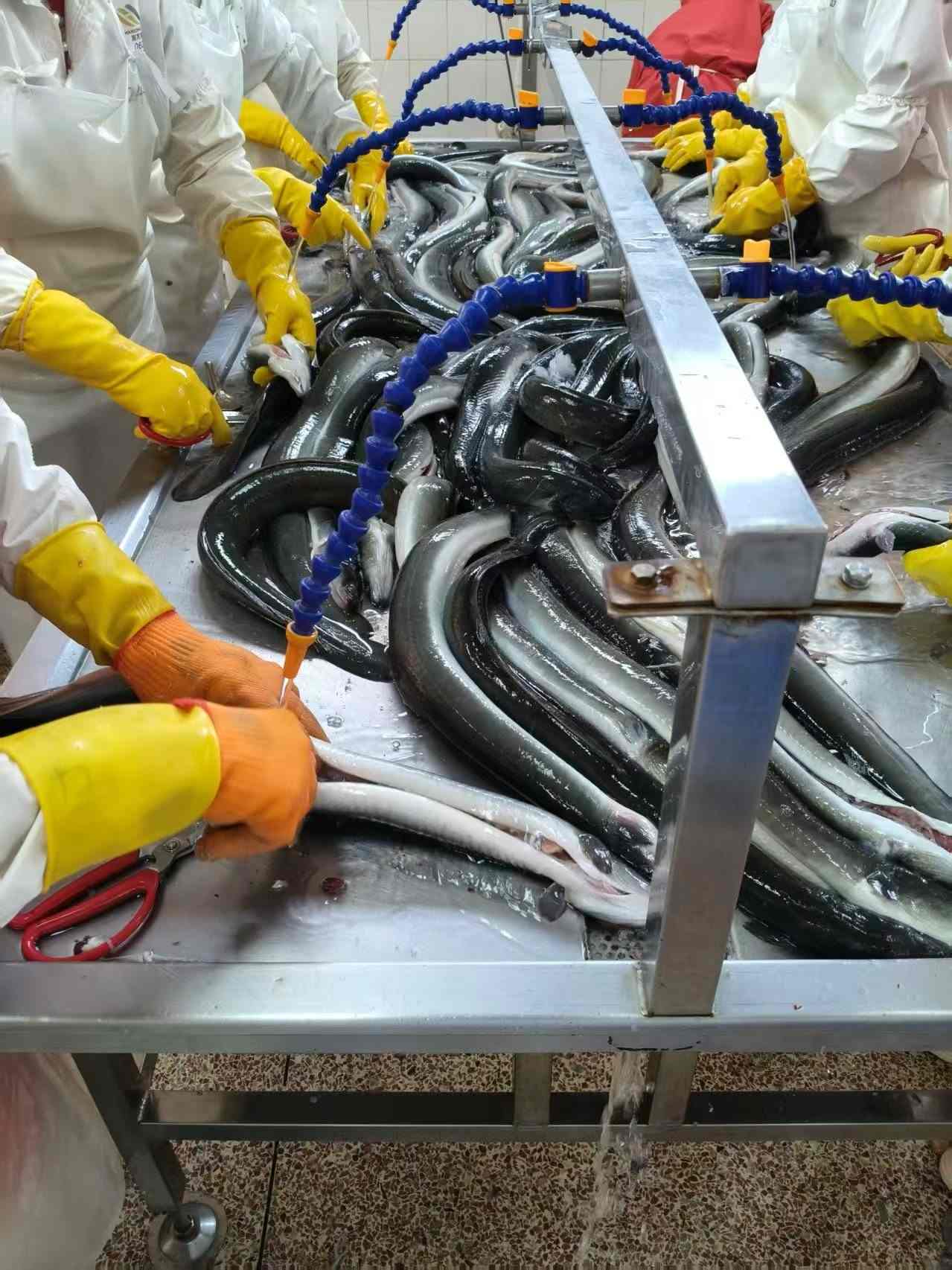
A menu says “eel,” a supplier says “freshwater eel,” and a Chinese product list says “man yu” or “huang shan.” Are they the same animal? Usually, no. For buyers, chefs, and import teams, identifying chinese eel names correctly can prevent a wrong purchase, a misleading menu description, or a rejected product specification.
The phrase chinese eel is broad. It may refer to true freshwater eels used for unagi-style products, or it may be used loosely for swamp eel in home-style Chinese dishes. The name alone is not enough. Buyers should confirm the scientific species, cut style, processing method, and intended cuisine before approving an order.
Start with the species because the trade name can mislead
The first sourcing rule is simple: do not approve a chinese eel item only because its English name says “eel.” Ask whether it belongs to the freshwater eel family, commonly associated with unagi, or whether it is swamp eel, a different fish with different cooking behavior and market use.
True freshwater eel includes species in the genus Anguilla. Japanese eel, often discussed in relation to Japanese eel China sourcing, is Anguilla japonica. This is the species category buyers generally expect when purchasing frozen unagi kabayaki, roasted eel fillets, sushi slices, or eel rice bowl toppings.
Swamp eel is commonly associated with Monopterus albus. It is not a true anguillid eel. It has a different body structure, different raw-material handling needs, and a different culinary identity. In Chinese cooking, it is frequently used in stir-fries, soups, braised dishes, and regional preparations rather than Japanese-style kabayaki.
The practical conclusion is clear: if a buyer needs grilled unagi for Japanese restaurants, a chinese eel product description should identify an Anguilla species. If the product is for Chinese-style soup or stir-fry, swamp eel may fit the recipe, but it should not be described as unagi.
Why the wrong species creates commercial problems
- Menu accuracy: A restaurant offering unagi should not substitute swamp eel without changing the menu description. The texture, appearance, and customer expectation are different.
- Processing suitability: Kabayaki roasting, sauce coating, sushi slicing, and ready-to-heat packaging are generally associated with freshwater eel products, not swamp eel.
- Import documentation: Buyers should ensure product specifications, health documents, ingredient declarations, and carton markings use the same species information.
- Price comparison: A low quote may not be comparable if one supplier offers roasted freshwater eel while another offers a different species or a raw swamp eel format.
- Customer trust: A foodservice buyer can lose repeat business if a dish advertised as unagi arrives with a different flavor profile or texture.
This distinction matters most when comparing chinese eel offers from several factories. It matters less when a buyer is intentionally sourcing a regional swamp eel dish and has already specified the species in writing.
Map common Chinese eel names to freshwater eel, swamp eel, and culinary uses
Common Chinese names are often translated into English as “eel,” but the original trade term may point to different animals. The table below uses English transliterations so international buyers can compare product sheets without relying on a single translated word. For every chinese eel purchase order, request the scientific name beside the local or commercial name.
| Common trade name | Likely English identification | Species or species group to confirm | Typical culinary use | What happens if the buyer gets it wrong |
|---|---|---|---|---|
| Man yu | Generic freshwater eel term | Usually an Anguilla species, but confirm on documents | Roasted eel, kabayaki, rice bowls, sushi, grilled dishes | A generic label can hide the actual species. Do not use it alone for import approval. |
| Ri ben man | Japanese eel | Anguilla japonica | Unagi kabayaki, sushi, bento, restaurant grilling | If the scientific name is absent, the phrase may be treated as a market description rather than proof of species. |
| Bai shan | Freshwater eel name used in some regions | Confirm whether the supplier means an Anguilla species | Regional Chinese eel dishes and some freshwater eel preparations | Regional naming varies. A buyer should not assume it always means the same species. |
| Huang shan | Swamp eel | Commonly Monopterus albus | Stir-fries, soups, braised dishes, clay-pot dishes | It is not the same as Japanese unagi. Substitution changes both menu identity and eating experience. |
| Qing shan | Regional swamp eel trade name | Confirm the scientific name and local usage | Fresh preparation, soup, stir-fry, regional cuisine | Color-based names are not sufficient for export specifications or species claims. |
Cold fact: body shape is not a safe species test. Both freshwater eel and swamp eel have long, eel-like bodies. The reliable check is the scientific name on the specification, invoice, label, and supporting product documents.
For a buyer building a Japanese menu, the best fit is a processed freshwater eel product with a stated unagi application. For a buyer serving Chinese regional dishes, swamp eel may be the intended ingredient. The limit is that local naming differs by province and supplier, so even an experienced purchasing team should verify the Latin species name before signing off on a chinese eel specification.
Match the species to the cuisine before selecting cuts and processing
The best chinese eel choice depends on what happens after the carton reaches the kitchen. A whole raw material buyer, a sushi counter, and a restaurant chain do not need the same product format.
| Buyer scenario | Recommended product direction | Reasoning | When this choice does not apply |
|---|---|---|---|
| Japanese restaurant chain | Frozen unagi kabayaki or standardized roasted eel portions | It supports a familiar grilled-eel menu format and reduces back-of-house handling. | It is not the best option for chefs who want to season and grill raw eel from scratch. |
| Sushi counter or bento producer | Boneless or deboned freshwater eel with sushi-slice cutting | Portion control and standardized cutting help improve presentation consistency. | It may not suit menus built around large grilled fillets. |
| Chinese home-style foodservice | Swamp eel only when the recipe specifically calls for it | Its use is tied to stir-fry, soup, and braised dishes rather than unagi rice bowls. | Do not use it as a substitute for kabayaki on a Japanese menu. |
| Retail frozen-food importer | Ready-to-heat roasted eel in retail-ready packaging | Consumers need a clear cooking direction and accurate species description. | It may not fit buyers seeking bulk foodservice packs or unprocessed material. |
At Eelpro Co., LTD, buyers can discuss white-roasted skewers, kabayaki eel, cut pieces, shredding, dicing, strip-cutting, chunk-cutting, three-section cuts, and sushi slices. Our roasted eel process uses four soy-sauce coating layers with controlled roasting steps. That makes it relevant to buyers seeking prepared freshwater eel formats rather than raw swamp eel material.
For example, a sushi operator comparing chinese eel suppliers should first request a sample in the intended cut format, then check whether the product is boneless or deboned, whether the sauce level suits the menu, and whether the species is stated consistently. A whole fillet can look attractive in a catalogue but create unnecessary trimming work at the counter.
Buyers looking for a finished Japanese-style item can review our unagi kabayaki product. Those developing a sauce-led rice bowl or grilled-eel menu can also compare the eel sauce product page with the eel format being purchased. Sauce and species should be evaluated together, because the wrong raw material cannot be corrected by a stronger glaze.
Use a five-step specification check before requesting quotations
A quotation request for chinese eel should be specific enough that every supplier prices the same item. The conclusion is not to ask only for “eel price.” Ask for a defined product. This is especially relevant for importers comparing Japan, United States, Germany, Poland, Australia, Indonesia, and Southeast Asian foodservice requirements.
- Name the scientific species. Request the Latin name and do not rely only on “eel,” “freshwater eel,” or a local Chinese trade name.
- State the culinary destination. Specify whether the item is for kabayaki, sushi, eel rice bowls, retail reheating, soup, stir-fry, or another use.
- Define the processing stage. Clarify raw, white-roasted, seasoned, roasted, sauced, boneless, deboned, or ready-to-heat.
- Confirm the cut and packaging. Ask for whole fillets, cut pieces, strips, chunks, sushi slices, skin packaging, or gift-box formats as appropriate.
- Review food-safety documents before approval. Check that product records support the target market’s inspection and labeling needs.
This process is most useful when procurement teams receive product descriptions from traders, factories, and distributors using different naming systems. It is less necessary only when the buyer has an existing approved specification with the same supplier and no product, market, or packaging change.
Eelpro operates two modern production lines with an annual finished-product capacity of 4,000 tons, supported by a 1,000-ton cold storage facility. We maintain full-chain traceability through approximately 20 customs-registered eel farming bases covering more than 2,150 mu. Our facility is certified to ISO 22000:2018 and HACCP systems and holds HALAL certification, export food producer registration, and an SC Food Production License.
These controls are relevant when a chinese eel buyer needs a documented supply route rather than only a product photo. Eelpro products are produced to meet Japan, United States, and European Union food inspection requirements for veterinary drug residues and microbiological indicators. Regular order delivery is approximately 30 days from order confirmation to shipment, although specifications and order quantity can change the schedule.
Buyers assessing process control can also review our eel laboratory controls and eel farm traceability. These resources are useful for qualification reviews; they do not replace a buyer’s own import checks, label review, or contract requirements.
Avoid the common naming mistakes that cause menu and sourcing errors
- Mistake: Treating “Chinese freshwater eel” as one exact species.
Conclusion: Ask for the scientific name. “Chinese freshwater eel” may describe an origin or product category, not a single biological identity. - Mistake: Assuming swamp eel is unagi.
Conclusion: Keep them separate in menus and specifications. Swamp eel Chinese name references generally point to a different animal from Japanese-style freshwater eel. - Mistake: Comparing raw eel prices with kabayaki prices.
Conclusion: Compare like with like. Roasted, sauced, boneless, and portion-cut items include processing that raw material does not. - Mistake: Approving labels from photos alone.
Conclusion: Check carton text, inner-pack text, species information, and commercial documents before shipment. - Mistake: Ordering a generic cut for a specialized menu.
Conclusion: A sushi program should request sushi slices or a suitable standardized cut, while a rice bowl operation may prefer larger portions or chunks.
These mistakes matter most for a chinese eel importer supplying several customer types from one warehouse. A restaurant serving only one traditional regional recipe may need fewer formats, but it still needs accurate species identification.
Answer the questions buyers ask about Chinese eel terminology
Which eel species are eaten in China?
China uses more than one eel-type ingredient in regional cooking. True freshwater eels from the Anguilla group are used for grilled and processed products, including unagi-style items. Swamp eel, commonly identified as Monopterus albus, is also eaten and is common in Chinese-style stir-fries, soups, and braised dishes. Therefore, a chinese eel label needs more detail than country of origin.
Is Chinese swamp eel the same as unagi?
No. Chinese swamp eel is not the same as unagi. Unagi generally refers to freshwater eel, often Japanese eel or another Anguilla species used in Japanese cuisine. Swamp eel has a separate species identity and different usual culinary applications. Use swamp eel when the recipe calls for it; do not substitute it for unagi in kabayaki, sushi, or an eel rice bowl without changing the product description.
What type of eel is man yu?
Man yu is a broad Chinese term commonly translated as freshwater eel. In a trade document, it may refer to an Anguilla species, but the term alone does not establish the exact species. A buyer sourcing chinese eel for export should request the Latin name, processing description, and intended culinary use before treating man yu as Japanese eel.
For a buyer, the safest working rule is short: identify the species first, then select the cut, processing level, sauce, and packaging. That order protects menu accuracy and makes supplier quotations easier to compare.
Send us your intended menu use and preferred cut to request a chinese eel specification or sample recommendation.