

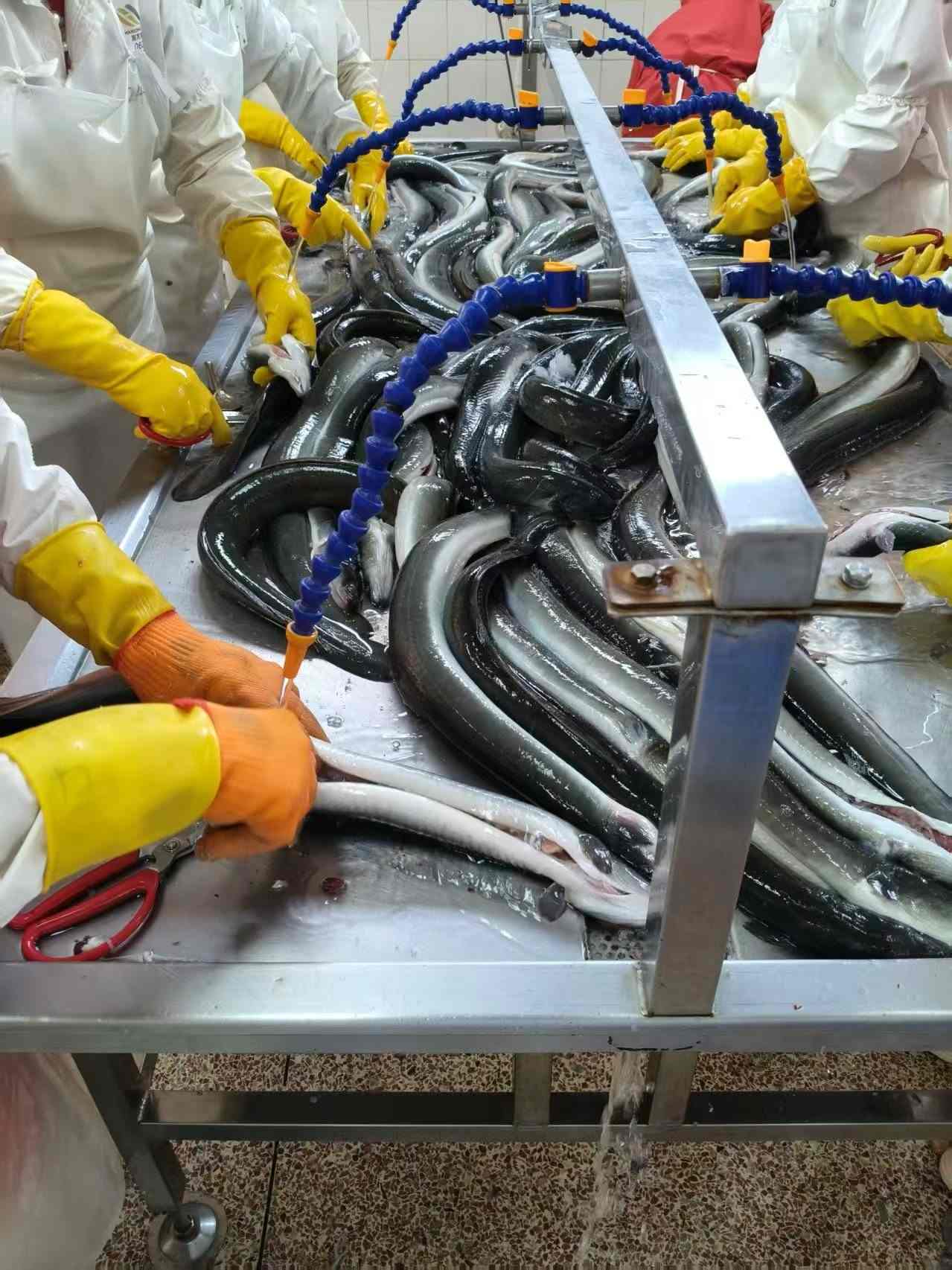
Understanding if Eating Eel is Good For You Starts With How It's Farmed and Processed
By Nancy Chen — Senior Food Safety & Quality Specialist
Nancy has spent over a decade managing food safety and quality control for eel and seafood exporters. She oversees the HACCP and ISO 22000 systems, and has guided dozens of overseas clients through import compliance for Japan, US, and EU markets.
For food importers and restaurant chains, the question "is eating eel good for you?" goes beyond simple nutrition facts. Your customers care about health, but you care about product safety, consistency, and supply chain integrity. The answer depends entirely on the source. An eel raised in a certified, traceable aquaculture system and processed in an ISO 22000:2018 certified facility is a world apart from one with an unknown origin. The true measure of a "good" eel product lies in verifiable quality control from the farm to the final frozen package.
At Eelpro, we've built our operations around this principle. With 19 self-operated and cooperative certified farming bases supplying over 5,000 tons of raw material annually, we manage the entire chain. This article breaks down the nutritional aspects of eel and connects them to the critical processing and farming standards that B2B buyers in demanding markets like Japan, the EU, and the US require for risk-free sourcing.
How to Balance Eel Nutrition With Practical Menu Application
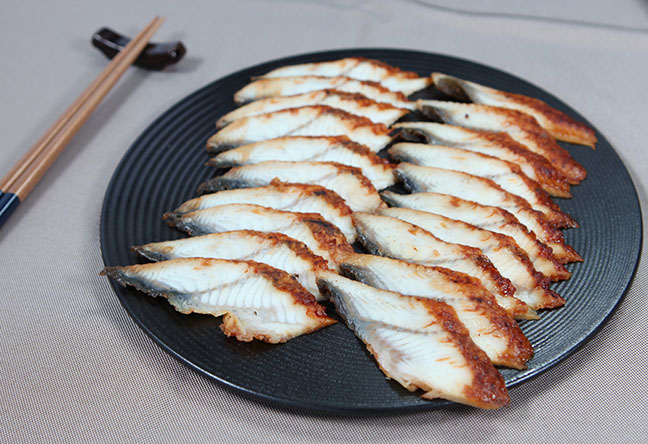
While eel is known for its rich content of Vitamin A, Vitamin E, and Omega-3 fatty acids, the final preparation method dramatically affects its health profile, particularly regarding sodium and sugar. For foodservice clients, offering healthier options without sacrificing flavor is a key challenge. This requires choosing the right product format and preparation technique.
The most common preparations for eel are Kabayaki (grilled with a sweet soy glaze) and Shirayaki (grilled plain or with salt). Each serves a different purpose on a menu and has a distinct nutritional impact. Understanding these differences allows you to design menu items that cater to diverse customer preferences, from indulgent to health-conscious.
Here is a practical guide for portioning and preparing eel to meet different dietary goals.
Eel Preparation Methods: A Comparative Guide
| Preparation Method | Flavor & Nutrition Profile | Ideal Menu Application | Portioning & Prep Guidance |
|---|---|---|---|
| Unagi Kabayaki (Glazed) | Rich, sweet, and savory. Higher in sodium and sugar due to the glaze. Our eel sauce uses a precise 4-layer coating process for balanced flavor. | Classic Unagi Don (eel rice bowls), sushi rolls (Unakyu Maki), high-impact appetizers. | Use 80-100g portions for rice bowls to avoid overwhelming the dish. Do not add extra sauce at the table. Our pre-glazed products are standardized for flavor consistency. |
| Shirayaki (White-Roasted) | Clean, delicate, and smoky. Highlights the natural flavor of the eel. Very low in sodium and sugar. | Standalone grilled entrees, premium sushi, dishes paired with subtle flavors like wasabi and light soy sauce. | Serve larger 120-150g portions as a center-of-plate protein. This format allows chefs full control over seasoning. |
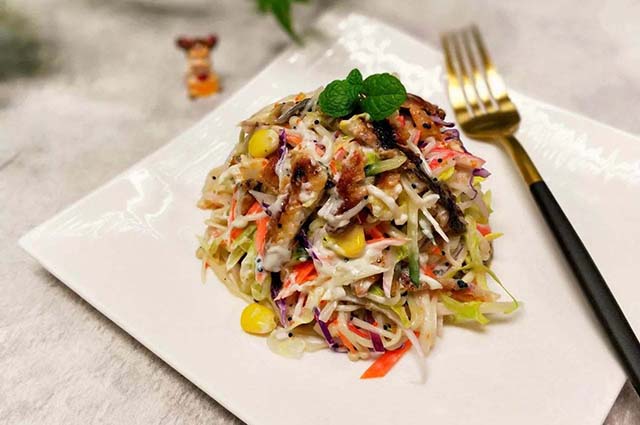
| Steamed or Simmered | Soft, tender texture. The mildest flavor profile, absorbing the taste of the broth or steaming liquid. Minimal added sodium or sugar. | Healthy soups, congee, or light broths. Excellent for institutional catering or health-focused menus. | Incorporate 50-70g of cut eel pieces into soups or stews. Our custom cutting services (dicing, shredding) provide standardized portions for easy kitchen workflow. |
Common Mistakes in Healthy Eel Preparation
- Over-Saucing Kabayaki: Many kitchens add extra sauce to pre-glazed unagi kabayaki products, which significantly increases the final dish's sugar and sodium content. Trust the supplier's glaze and use it as the primary flavor.
- Using the Wrong Cut: Attempting to create a delicate, low-sodium Shirayaki-style dish with a heavily sauced Kabayaki cut is inefficient and yields poor results. Sourcing the correct format is more cost-effective.
- Ignoring Cross-Contamination: When offering both plain and glazed eel, ensure separate utensils and grilling surfaces are used to prevent sugar and sodium transfer to the healthier Shirayaki option.
The Critical Link Between Processing Technology and Food Safety
The nutritional value of eel is meaningless if the product carries food safety risks. For our clients in Germany, Poland, and across the European Union, compliance with strict standards on veterinary drug residues and microbiological indicators is non-negotiable. This is where processing technology and quality management systems become paramount.
Our facility operates under an ISO 22000:2018 Food Safety Management System and a certified HACCP plan. These are not just certificates on a wall; they are active frameworks that govern every step of our process, from raw material receiving to final packaging. Our 25-person quality control team, supported by an in-house laboratory, ensures these standards are met for every batch.
Key processing steps that ensure a safe and high-quality product include:
- Patented Deodorizing: Before roasting, our eels go through a patented deodorizing process. This removes any potential "muddy" taste from the raw material, ensuring a clean flavor base. This is especially important for delicate Shirayaki preparations.
- Low-Fat Roasting: Our patented low-fat roasting technology renders excess fat during the cooking process. This results in a product with a better texture and a more appealing nutritional profile without sacrificing moisture.
- Precision 4-Layer Glazing: For Kabayaki, we don't just dip the eel in sauce. Our automated line applies four precise layers of soy sauce, each at a specific temperature. We have established color standards for "white-roasted" and each of the four glaze layers, ensuring absolute consistency in taste, color, and texture.
- Metal Detection: We have metal detectors at critical control points in the production line, a fundamental part of our HACCP system to eliminate physical contaminants.
This level of process control allows us to confidently export to the most demanding markets, helping our clients in the United States and Australia avoid costly import rejections and protecting their brand reputation.
Full-Chain Traceability: Verifying Quality from Farm to Freezer
A truly safe eel product begins long before it reaches our 8,497 m² production workshop. It starts at the farm. We source our raw materials from approximately 20 customs-registered eel farming bases that cover over 2,150 mu. This isn't just a loose supplier network; it's a fully integrated and traceable system.
Here’s what our full-chain control means for B2B buyers:
- Farm Registration & Audits: Every unagi eeel farm for Eelpro Co., Ltd is registered with customs authorities and is subject to our regular audits. We verify their water sources, feed quality, and adherence to responsible aquaculture practices.
- Targeted Sampling: Before harvesting, our QC team conducts targeted sampling at the farms to test for veterinary drug residues. This proactive step prevents non-compliant raw materials from ever entering our facility.
- Process Verification: Upon arrival at our plant, each batch of raw eels is inspected and logged. This data is linked to the source farm, creating a traceability record that follows the product through cutting, roasting, freezing, and packaging.
- Cold Chain Management: Once processed, the finished goods are moved to our 1,000-ton cold storage facility. We maintain stable temperatures throughout storage and logistics to preserve product quality and safety until it is shipped.
This system ensures that when we supply restaurant chains in Japan or foodservice channels in Indonesia, we can provide full documentation tracing the product back to its source. This transparency is the ultimate answer to whether eating eel is good for you—it is when you can verify its entire history.
By combining a deep understanding of nutritional application with certified processing technologies and full-chain traceability, we provide a product that is not only delicious but also safe, consistent, and compliant with global standards.
To learn more about our specific product cuts, packaging formats, and quality assurance protocols, please contact our export team to request a full product specification sheet.