

What Is Ankimo and Why Is It Prized in Japanese Cuisine?
If you have seen "ankimo" on a fine dining menu or a supplier's product list, you have encountered one of Japanese cuisine's most esteemed delicacies. So, what is ankimo? In short, it is steamed monkfish liver. Prized for its rich, creamy texture and deep umami flavor, it is often referred to as umino fugurowa, or the "foie gras of the sea."
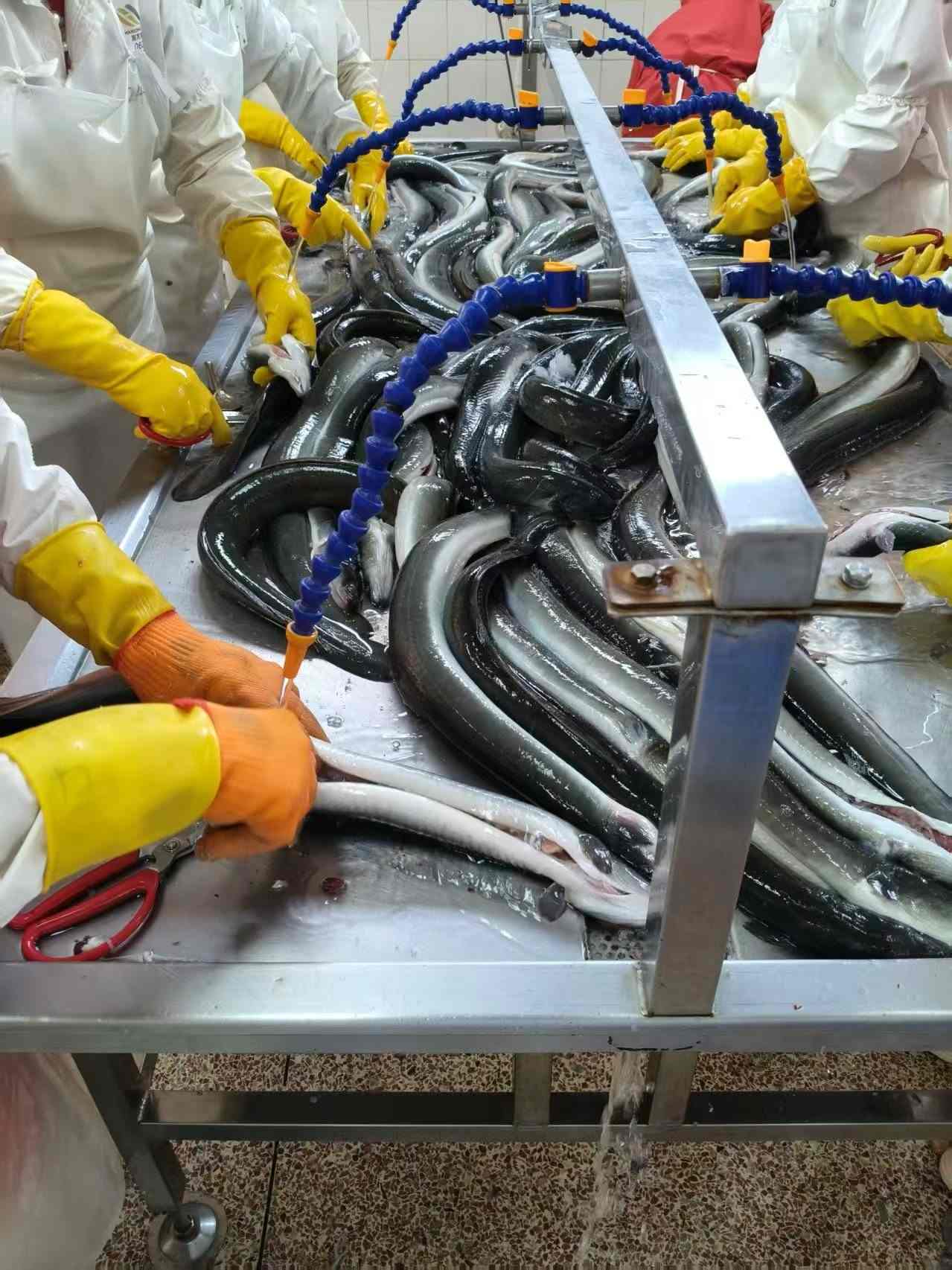
For food importers, distributors, and restaurant chains, understanding the nuances of this product is essential for making smart sourcing decisions. The quality of ankimo depends entirely on the freshness of the raw material and the precision of its preparation. As a food safety and quality specialist with over a decade of experience in seafood exports, I have seen firsthand how processing standards can make or break a product's value. At Eelpro, while our expertise lies in producing 4,000 tons of unagi kabayaki eel annually, the principles of quality control, traceability, and food safety we apply are universal across high-value frozen seafood.
Ankimo: The "Foie Gras of the Sea" Explained
The comparison to foie gras is not just a marketing term; it is a functional description of ankimo’s culinary role and texture. Both are valued for their silky, melt-in-your-mouth consistency and rich, buttery flavor profile. However, they are distinct products with different origins and preparation methods. Understanding these differences helps buyers and chefs appreciate what makes ankimo unique.
The liver comes from the monkfish (anko in Japanese), a deep-sea fish known for its rather grotesque appearance but prized for its delicious meat and especially its liver. The liver is large and fatty, which contributes to its celebrated texture after cooking. The key to premium ankimo lies in the meticulous cleaning and preparation process that removes any bitterness or off-flavors, leaving only the pure, refined taste.
Here is a direct comparison for B2B buyers evaluating both delicacies for their menus or import catalogs:
| Attribute | Ankimo (Monkfish Liver) | Foie Gras (Duck/Goose Liver) |
|---|---|---|
| Origin | Marine (from monkfish) | Avian (from specially fed ducks or geese) |
| Flavor Profile | Rich and buttery, with a subtle sweetness and a clean, briny ocean finish. Less gamey than foie gras. | Intensely rich, savory, and buttery, with a more pronounced, complex, and sometimes gamey flavor. |
| Texture | Velvety, creamy, and firm yet delicate. Similar to a very smooth pâté. | Extremely soft, silky, and melts readily at body temperature. Can be seared to a crisp exterior with a liquid-like interior. |
| Primary Preparation | Typically salt-cured, rinsed in sake, rolled into a cylinder, and steamed. Served chilled. | Often pan-seared, made into a terrine or pâté, or used as a rich ingredient in sauces. Served warm or cold. |
| Common Pairings | Ponzu sauce, momiji oroshi (grated daikon with chili), scallions, sake. | Sweet fruit compotes, balsamic reductions, toasted brioche, dessert wines like Sauternes. |
Sourcing Checklist: How to Identify High-Quality Frozen Ankimo
For importers and foodservice businesses, sourcing poor-quality ankimo can lead to waste and customer complaints. The product is delicate, and its quality is a direct result of how it was handled from the moment the fish was caught. Based on my experience managing HACCP and ISO 22000:2018 systems, here are the critical points to verify with a potential supplier.
Use this checklist during your supplier evaluation process to minimize sourcing risks:
- Traceability and Raw Material Origin: Can the supplier trace the liver back to the catch date and location? Freshness is paramount. At Eelpro, we maintain this level of control over our supply chain with ~20 customs-registered eel farming bases, ensuring full-chain traceability. Ask for the same level of documentation for monkfish.
- Color and Appearance: High-quality raw monkfish liver should have a uniform, light pink or beige color. Avoid livers that are grey, bruised, or have dark spots. When processed and steamed, the final ankimo log should be a consistent pale cream color.
- Processing Method and Purity: The liver must be meticulously deveined and cleaned to remove any trace of the gall bladder, which imparts a strong bitterness. Ask about the "blood-letting" process. A supplier serious about quality will have a standardized procedure for this.
- Certifications: Does the processing facility hold internationally recognized food safety certifications like ISO 22000:2018 or HACCP? These certifications are not just paperwork; they demonstrate a systematic approach to identifying and controlling food safety hazards. Our facility holds these, plus HALAL and an Export Food Producer Registration Certificate, ensuring we meet strict international standards.
- Freezing and Packaging: Was the ankimo quick-frozen to preserve its delicate texture? Look for vacuum-sealed packaging, which prevents freezer burn and protects the product's integrity. Our 1,000-ton cold storage facility ensures stable cold-chain logistics, a critical factor for sensitive products like this.
- Additives and Ingredients: A traditional ankimo preparation involves only salt and sake. Check the ingredient list for unnecessary preservatives or additives that may mask lower-quality raw material.
The Ankimo Production Process and Critical Control Points
Understanding how ankimo is made illuminates the key quality control steps that a reliable supplier must master. While we specialize in a patented low-fat roasting process for eel, the underlying principles of process control are the same. A failure at any stage of ankimo production is irreversible.
Here is a step-by-step breakdown of the process from a food safety perspective:
- Receiving Raw Material (CCP 1): The fresh or frozen monkfish liver arrives. Critical Control Point: Temperature control. Livers must be kept at or below 4°C (40°F) to inhibit bacterial growth. The liver's quality is assessed for color, odor, and firmness.
- Cleaning and Deveining: The liver is painstakingly cleaned. All veins and membranes are removed by hand. This is a labor-intensive step where skill and attention to detail directly impact the final texture and taste. Any remaining bile duct will ruin the product.
- Salting and Curing: A layer of salt is applied to the liver. This step draws out excess moisture and any residual fishy odor. The duration of salting is a critical parameter that affects the final seasoning and texture.
- Rinsing: The salt is thoroughly rinsed off, often using sake. The sake not only cleans the liver but also adds a subtle layer of umami and fragrance.
- Rolling and Shaping (CCP 2): The cleaned liver is tightly rolled into a cylindrical shape using bamboo mats and plastic wrap or aluminum foil. Critical Control Point: The tightness of the roll is essential. A loose roll will result in a crumbly texture and poor presentation after steaming.
- Steaming (CCP 3): The rolled logs are steamed until cooked through. Critical Control Point: The internal temperature must reach a level sufficient to eliminate pathogens, typically 75°C (167°F) or higher, without overcooking the liver, which would cause it to become tough and grainy.
- Chilling and Freezing (CCP 4): The cooked logs are rapidly chilled and then flash-frozen to lock in the texture and flavor. Critical Control Point: The speed of chilling and freezing is vital to prevent the formation of large ice crystals that would damage the cell structure and lead to a watery, mushy product upon thawing.
Our in-house laboratory and 25-person quality control team monitor similar CCPs daily. When you source from a manufacturer with this level of oversight, you are buying consistency and safety, helping you avoid trade risks associated with veterinary drug residues and microbiological indicators.
Menu Integration and Serving for Foodservice Channels
Ankimo is a versatile ingredient that can add a touch of luxury to any menu. For restaurant chains and catering services, its ready-to-use format (steamed and frozen) minimizes back-of-house labor. It is typically served chilled or at room temperature.
Here are some classic and modern applications:
- Classic Ankimo Ponzu: The most traditional presentation. Sliced ankimo is served with ponzu (a citrus-soy sauce), momiji oroshi (spicy grated daikon), and finely chopped scallions.
- Ankimo Sushi/Gunkan Maki: A small piece of ankimo can be placed on top of a rice ball for nigiri or served as gunkan maki (battleship sushi), often with a light drizzle of a sweet soy-based sauce, similar to a high-quality eel sauce.
- As a Terrine or Pâté: Sliced and served on crackers or toasted brioche, similar to foie gras, sometimes accompanied by a fruit jam or balsamic glaze.
- In Soups and Hot Pots: In some regions of Japan, ankimo is added to nabe (hot pot) dishes, where it melts slightly and enriches the broth with its creamy flavor.
For buyers in the US, EU, and Australia, ankimo serves as a premium appetizer in Japanese restaurants and a unique offering for pan-Asian foodservice channels. Its story as the "foie gras of the sea" is a powerful selling point for diners seeking new culinary experiences.
At Eelpro, we understand the needs of the international foodservice supply chain. Whether it is our boneless, ready-to-heat unagi kabayaki or other processed seafood, our goal is to provide products that are both high-quality and operationally efficient. The same logic applies when sourcing a specialty item like ankimo.
To ensure consistent quality and food safety for your seafood imports, work with suppliers who can demonstrate robust, certified production processes. For inquiries about our export-grade frozen seafood capabilities, contact our team to request a product specification sheet.