




Is Eel Healthy? A Pro Buyer's Guide to Unagi Nutrition, Calories, and Trade-Offs
As a food safety specialist with over 12 years in seafood export, I'm often asked, "is eel healthy?" The answer isn't a simple yes or no. For a foodservice buyer, importer, or distributor, "healthy" depends on the nutritional profile, processing methods, and—most importantly—the documented safety of the supply chain. A product rich in nutrients is useless if it fails to meet import standards for veterinary drug residues or microbiological indicators.
This guide moves beyond simple marketing claims. We will break down the specific nutritional components of eel, analyze how processing choices like roasting and saucing affect the final product, and outline the critical supply chain factors that ensure a truly safe and healthy product for your customers. Understanding these details is key to sourcing eel that not only tastes good but also aligns with the health expectations of modern consumers and the strict requirements of international markets.
A Detailed Nutritional Breakdown of Eel: Protein, Fats, and Micronutrients
Eel's reputation as a delicacy often overshadows its complex nutritional profile. For buyers evaluating it for restaurant chains or retail, understanding the balance of its components is essential. A simple "high in protein" claim is not enough; you need to know how its fat content affects texture and what trade-offs exist between calories and flavor. Below is a practical breakdown of what matters in a 100g serving of cooked freshwater eel.
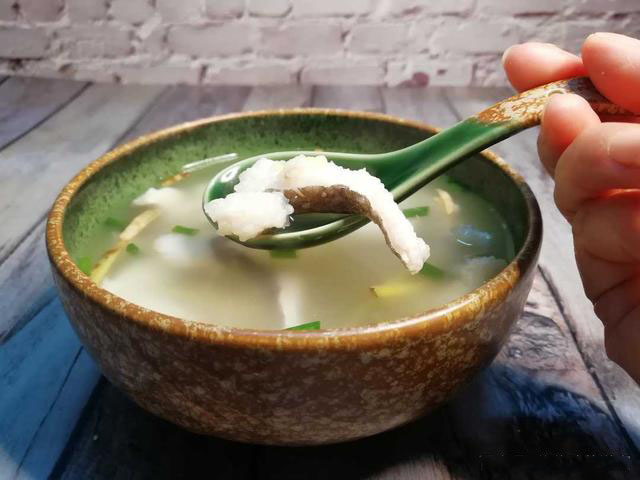
Here’s a look at the key nutritional parameters and what they mean for your business:
- Protein (~23g): This is eel's primary strength. A high protein content contributes to satiety, making it a valuable center-of-plate option. For foodservice, this means smaller portions can feel substantial, helping with plate cost management. The texture is firm yet tender, a direct result of its muscle fiber structure.
- Omega-3 Fatty Acids (EPA & DHA): Eel is one of the richest sources of these essential fats, which are well-known for their cardiovascular benefits. This is a significant selling point for health-conscious consumers. When sourcing, the farming environment and feed quality directly impact the Omega-3 content. Our 19 certified farming bases ensure a consistently high-quality raw material.
- Fat (~15-25g): The fat content is a double-edged sword. It's responsible for the rich, melt-in-your-mouth texture that makes unagi so popular. However, it also drives the calorie count. Our patented low-fat roasting technology is designed to render some of this fat during cooking, reducing greasiness without sacrificing moisture.
- Calories (~250-350 kcal): Primarily from fat and protein, the calorie count makes eel an energy-dense food. When prepared as unagi kabayaki, the addition of a sweet soy-based sauce increases the final calorie and sugar content. This is a crucial consideration for menu labeling and for customers tracking caloric intake.
- Vitamins & Minerals: Eel is an excellent source of Vitamin A, Vitamin D, Vitamin E, and Vitamin B12. These are powerful marketing points for retail packaging and menu descriptions, appealing to consumers looking for nutrient-dense foods.
For an importer, the key is balance. You are sourcing a product prized for its rich flavor (from fat) but also marketed for its health benefits (from protein and Omega-3s). The best suppliers offer control over this balance through advanced processing.
How Processing Affects Eel's Nutritional Value: Kabayaki vs. White-Roasted
The raw nutritional profile of eel is only half the story. How it's prepared and processed at the factory level dramatically alters its final health characteristics. At Eelpro, our two modern production lines handle different preparations, giving buyers distinct options based on their target market's preferences for flavor, calories, and sodium.
Understanding these differences is key to making a smart sourcing decision.
The Two Main Processing Methods
Most export-grade eel falls into two categories. Each serves a different culinary purpose and carries a different nutritional load.
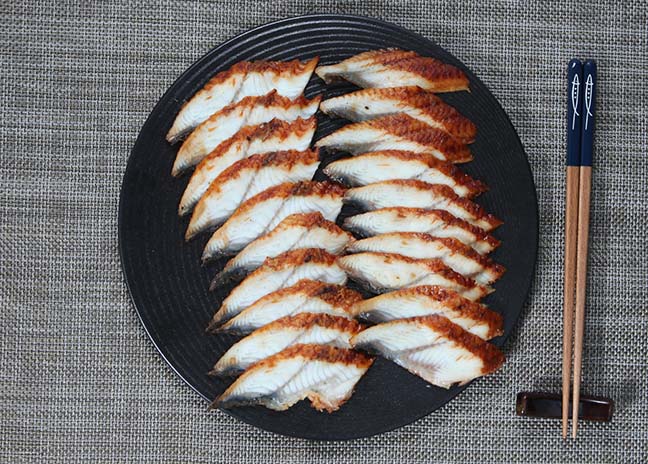
- Shirayaki (White-Roasted Eel): This is eel that is steamed and then grilled without any sauce or seasoning. It presents the purest flavor of the eel itself.
- Nutritional Impact: This method is the leanest option. Our low-fat roasting process helps render excess fat, resulting in a lower final calorie count. It contains virtually no added sugar or sodium, making it ideal for health-focused menus or as a base ingredient that chefs can season themselves.
- Best For: Buyers targeting high-end restaurants where chefs demand control over seasoning, or for health food channels in markets like the US and EU.
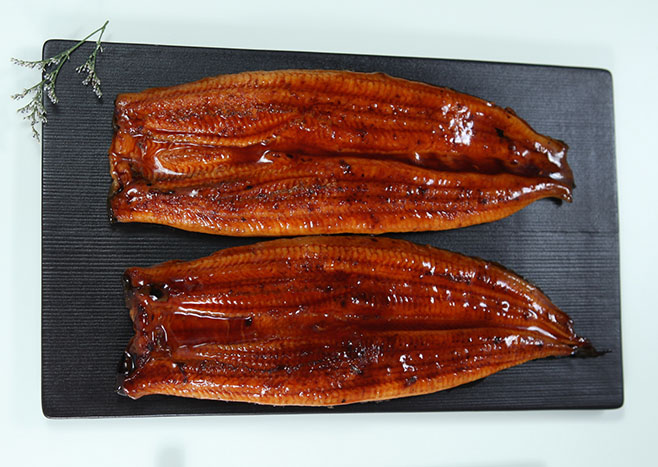
- Kabayaki (Glazed and Grilled Eel): This is the most popular style, where the eel is grilled while being basted with a sweet soy-based glaze, known as tare.
- Nutritional Impact: The glaze adds carbohydrates (sugar) and sodium. Our process involves four precise layers of sauce application, creating a deep flavor. While this increases the calorie and sugar content, it also creates the classic, ready-to-eat product beloved in Japanese cuisine. The quality of the eel sauce is paramount.
- Best For: Large-scale restaurant chains (especially in Japan and Southeast Asia), retail packs, and foodservice distributors who need a consistent, ready-to-heat product that requires minimal back-of-house labor.
As a supplier, we provide detailed specification sheets for each product type, allowing our clients in Germany, Poland, and Australia to make informed choices based on their specific menu requirements and local dietary trends.
Sourcing and Farming: The Foundation of a Healthy Eel Product
No discussion about whether eel is healthy is complete without examining its origin. The safety and quality of the final product are determined long before it reaches our 8,497 m² production workshop. Full-chain traceability is not a luxury; it is a prerequisite for avoiding trade risks and ensuring consumer safety.
This is where our operational strength lies. We manage a supply chain that begins at our ~20 customs-registered eel farming bases, covering over 2,150 mu. This control allows us to guarantee a product that meets the stringent food inspection standards of Japan, the US, and the EU.
A Buyer's Checklist for Evaluating Supplier Safety
When you evaluate a potential frozen eel supplier, a nutritional panel is not enough. You must verify their food safety infrastructure. Use this checklist during your next supplier audit:
| Verification Point | What to Look For | Why It Matters for Health & Safety |
|---|---|---|
| Certifications | ISO 22000:2018, HACCP, HALAL, and an Export Food Producer Registration Certificate. | These are non-negotiable. They prove the supplier has a systematic approach to managing food safety hazards, from raw material receiving to final product shipment. |
| Farm Registration & Traceability | Ask for records linking a specific batch to a customs-registered unagi eeel farm. | This is your only defense against contaminants like banned veterinary drugs or heavy metals. Full traceability allows for rapid recall if an issue is ever detected. |
| In-House Laboratory Testing | Evidence of a professional laboratory capable of microbiological and residue testing. | An in-house lab allows for targeted sampling and quick verification at critical control points, rather than waiting for third-party results. This speeds up the safety verification process. |
| Critical Control Points (CCPs) | Inquire about their HACCP plan, specifically the location of metal detectors and temperature monitoring. | Properly identified and monitored CCPs are the backbone of the HACCP system. For example, we have metal detectors at key stages to prevent physical contamination. |
| Cold Chain Management | Details on their cold storage capacity and logistics protocols. | A stable cold chain is vital for preventing microbial growth. Our 1,000-ton cold storage facility ensures product is held at the correct temperature from production to port. |
Our long-term supply relationships with Japanese restaurant chains and US food importers are built on this foundation of verifiable safety. They trust us because we provide the documentation to prove our products are not just delicious, but demonstrably safe.
Meeting the Standards of Health-Conscious Global Markets
Ultimately, the definition of a "healthy" product is set by the import authorities and consumers in your target market. A supplier's ability to consistently meet these varied and strict standards is the final test.
With a 4,000-ton annual production capacity, we have the scale to serve diverse international clients, each with unique requirements:
- For Japanese Restaurant Chains: They demand absolute consistency in taste, texture, and size. Our 4-layer soy-sauce coating process and custom cutting specifications (shredding, dicing, sushi slices) ensure our unagi kabayaki eel meets their exacting standards for unadon and sushi.
- For US and EU Importers: The primary concern is compliance with food safety regulations, particularly zero tolerance for banned veterinary drug residues. Our full-chain traceability from registered farms is critical for these clients in Germany, Poland, and the United States.
- For Australian and Southeast Asian Foodservice: These markets value both safety and convenience. Our boneless, pre-cut, and ready-to-heat eel products reduce back-of-house labor, while our HALAL certification opens access to markets like Indonesia.
The question "is eel healthy?" is answered not just by its nutritional content, but by the systems, certifications, and technologies that stand behind it. It's about delivering a product that is rich in protein and Omega-3s, processed with care to balance flavor and health, and backed by a transparent, fully traceable supply chain.
To ensure you source a product that meets your market's health and safety standards, partner with a certified manufacturer. Contact us to request a full product specification sheet or to discuss your specific import requirements.

 WhatsApp
 sales@chinaeels.com
 +8619937922411