


Is Eel Sauce Made From Eels Check the Label Before You Buy
You are standing in front of a shelf of glossy brown sauce bottles, planning eel rice bowls or sushi night. Then the real question appears: is eel sauce made from eels, and can everyone at the table safely eat it? The answer is not always visible from the bottle name alone. Turn the bottle around. The ingredient panel tells the real story.
Eel sauce, often called unagi tare or kabayaki sauce, is usually a sweet-savory glaze served with grilled eel. Many bottled versions are built around soy sauce, sugar, syrup, water, and seasonings. Some may use fish-derived stock, extracts, or broth. Others may contain no eel-derived ingredient at all. That is why is eel sauce made from eels is a label-reading question, not a question that can be answered by color, aroma, or a picture of unagi on the front.
Start With the Bottle Name but Trust the Ingredient List
The clear conclusion is simple: a sauce called “eel sauce,” “unagi sauce,” or “kabayaki sauce” is not automatically made with eel broth or eel extract. Product names describe intended use, flavor style, or serving tradition. The ingredient list identifies what is actually inside.
This matters most for shoppers with fish allergies, wheat restrictions, alcohol restrictions, or dietary rules that require them to identify animal-derived ingredients. If you are asking is eel sauce made from eels because you avoid fish, do not stop after reading “eel sauce” on the front label. Check the back label, allergen statement, and country-specific product information.
Ingredient lists are generally arranged from the highest amount to the lowest amount by weight, although labeling rules vary by market. For imported food, the local-language sticker may provide the clearest ingredient and allergen information. A missing translation sticker, an unreadable batch label, or a label that only lists marketing claims is a reason to choose another bottle until the importer provides full details.
For home cooks who want the familiar grilled-eel finish without guessing, compare the product details before serving. Our eel sauce product page can help buyers review product options alongside their own dietary and menu requirements.
What “eel flavor” can mean on a package
- Eel-derived broth or extract: The ingredient list may name eel, eel extract, eel broth, fish stock, seafood extract, or a similar term. This does not suit people avoiding fish.
- Fish-derived seasoning: Bonito, fish sauce, anchovy, shellfish extract, or generic fish stock can appear even when eel itself is not listed.
- Traditional-style sauce without eel: Many sauces are sweet soy glazes made for unagi dishes but contain no eel ingredient. This may fit some fish-avoidance needs, but wheat, soy, and alcohol still require review.
- Unclear flavor wording: “Natural flavors,” “seasoning,” or “extracts” may not answer every dietary question. Contact the brand or importer when the label does not state the source clearly.
A useful cold fact: the sauce may be named after the dish rather than the animal. This is why is eel sauce made from eels cannot be answered reliably by a restaurant menu description or a bottle’s front graphic.
Verify Fish-Derived Broth, Wheat, Alcohol, and Allergen Differences by Brand
The best method is to compare each brand’s package line by line. Do not assume two bottles labeled “unagi sauce” use the same recipe. One brand may use a simple soy-based formula, while another may include fish stock, cooking alcohol, or additional flavorings.
For shoppers managing allergies, allergen labeling is an essential starting point, but imported products can use different wording and rules depending on their destination market. The conclusion: use the allergen statement as a fast screen, then verify the full ingredient list. The allergen statement may not explain every fish-derived flavor component or every alcohol-related ingredient.
| Label checkpoint | What to look for | What it means | When this check is not enough |
|---|---|---|---|
| Fish-derived broth | Eel, eel extract, eel broth, fish stock, bonito, seafood extract, fish sauce | The sauce may contain fish-derived ingredients. | “Flavoring” or “seasoning” without a stated source may require confirmation from the brand. |
| Wheat content | Wheat, wheat flour, soy sauce containing wheat, malt, barley | Traditional soy sauce often contains wheat. | A “gluten-free” claim should still be checked against your local dietary requirements and cross-contact needs. |
| Alcohol content | Mirin, sake, cooking wine, rice wine, alcohol, ethanol | The sauce may contain alcohol or alcohol-based seasoning. | Cooking may reduce alcohol, but it does not make an unlabeled or unsuitable product acceptable for every restriction. |
| Soy and other allergens | Soybeans, soy sauce, sesame, shellfish, fish, wheat | These are common concerns in Japanese-style sauces. | Different countries use different allergen declarations, so imported labels need extra care. |
| Brand-specific formula | Ingredient order, allergen box, importer sticker, lot number | Confirms the exact bottle you are buying. | Old online product photos may show a previous recipe or packaging version. |
When comparing brands, ask is eel sauce made from eels for this exact bottle, this exact lot, and this exact market? A product sold in one country can have a different label, allergen declaration, or importer sticker from a similar-looking bottle sold elsewhere.
A practical four-step label check
- Read the ingredient list first. Scan for eel, fish, bonito, stock, extract, shellfish, wheat, soy, mirin, sake, and cooking wine. This fits any shopper evaluating a bottle in-store. It does not replace medical advice for a severe allergy.
- Read the allergen statement next. Look for “Contains” wording or equivalent local declarations. This is faster than reading every ingredient, but it may not answer whether a vague flavoring contains a specific fish source.
- Check the importer label and market language. Imported sauces may have an additional sticker. Compare it with the original package rather than relying only on either one.
- Contact the brand before serving uncertain products. Ask whether the sauce contains eel-derived broth, fish-derived flavoring, wheat, alcohol, or shared production exposure. Keep the reply with the product record if you are buying for a restaurant or catering operation.
This procedure is especially useful when is eel sauce made from eels is being asked for a guest with a food allergy, a school foodservice program, or a restaurant menu. It is less relevant only when every diner has already confirmed that fish, soy, wheat, and alcohol-related ingredients are acceptable.
Common Label Mistakes That Can Spoil Dinner Plans
A sauce bottle can look harmless until a guest asks about fish, wheat, or alcohol. The following mistakes are common because people often treat “Japanese-style sauce” as one fixed recipe. It is not.
- Mistake: Assuming the word “eel” confirms eel content.
Why it fails: the name may identify the sauce’s intended pairing. Better approach: determine whether is eel sauce made from eels is answered by the actual ingredients, not the product name. - Mistake: Looking only for the word “eel.”
Why it fails: fish-derived broth can be listed as fish stock, bonito, seafood extract, or seasoning. Better approach: scan for several fish-related terms. - Mistake: Assuming soy sauce is wheat-free.
Why it fails: conventional soy sauce often uses wheat. Better approach: look for wheat in both the ingredient list and allergen declaration. - Mistake: Treating cooked sauce as alcohol-free.
Why it fails: mirin, sake, and cooking wine may still be relevant to a buyer’s dietary rules. Better approach: follow the product label and the requirements of the person eating it. - Mistake: Trusting an old online image.
Why it fails: recipes and labels can change. Better approach: inspect the physical bottle and its current lot information before purchase or service. - Mistake: Ignoring restaurant sauces.
Why it fails: a restaurant may use a house blend, a bottled tare, or a sauce mixed with stock. Better approach: ask whether the sauce contains fish-derived broth, wheat, soy, or alcohol ingredients.
If the answer to is eel sauce made from eels affects an allergy decision, uncertainty is the stop sign. Choose a clearly labeled alternative or obtain written confirmation from the supplier. Taste is never a reliable test for allergen suitability.
Choose the Right Sauce for Home Cooking or Foodservice
For a home cook, the right choice depends on who will eat the dish. For a foodservice buyer, it also depends on menu declarations, ingredient records, and repeat ordering. The best sauce is not simply the sweetest or darkest one; it is the product with documentation that matches the diners’ needs.
| Situation | Recommended decision | Reason | Limit |
|---|---|---|---|
| Guest avoids fish | Select a bottle with no eel, fish stock, bonito, or seafood-derived ingredient listed. | This directly addresses whether fish-derived ingredients are present. | Unclear “flavoring” wording still needs supplier confirmation. |
| Guest avoids wheat | Check for wheat and verify the soy sauce base. | Soy sauce is a frequent source of wheat in tare-style sauces. | A wheat-free ingredient list may not answer cross-contact concerns. |
| Alcohol-restricted menu | Review mirin, sake, cooking wine, and alcohol terms before purchase. | These ingredients are common in Japanese-inspired sauce formulas. | Heating instructions do not replace a clear ingredient decision. |
| Restaurant serving grilled unagi | Keep the bottle label, lot details, and supplier specification on file. | Staff can answer customer questions consistently during service. | Documentation must be updated when the brand or recipe changes. |
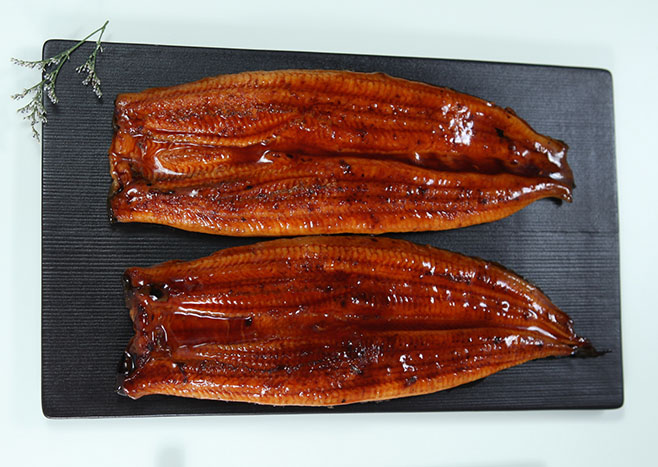
For grilled eel dishes, sauce selection should also match the eel format. A sweet tare can be brushed onto roasted fillets, served beside rice bowls, or used in a finishing glaze. Buyers sourcing prepared eel can review our unagi kabayaki product options and consider how the sauce label will fit their menu declarations.
Eelpro Co., LTD supplies frozen unagi kabayaki and eel sauce with export-oriented quality systems. Our facility holds ISO 22000:2018, HACCP, HALAL certification, export food producer registration, and an SC Food Production License. We operate two production lines with an annual finished-goods capacity of 4,000 tons, supported by a 1,000-ton cold storage facility. Those supply details matter to buyers who need stable product planning, but dietary suitability must still be confirmed from the specification and label of the selected sauce.
Use This Buyer Checklist Before Ordering or Serving
Whether you are shopping for one family meal or approving a restaurant sauce, use this short checklist. It turns the vague question is eel sauce made from eels into a documented buying decision.
- Product identity: Is this eel sauce, kabayaki sauce, unagi tare, or a house-made glaze?
- Fish source: Does the package list eel, fish stock, bonito, seafood extract, or another fish-derived ingredient?
- Wheat source: Does the soy sauce base contain wheat, or is wheat named separately?
- Alcohol source: Are mirin, sake, cooking wine, rice wine, or alcohol listed?
- Allergen statement: Does it identify fish, wheat, soy, sesame, shellfish, or other relevant allergens?
- Current packaging: Does the physical bottle match the latest supplier specification?
- Restaurant record: Can staff access the ingredient information before serving customers?
The answer to is eel sauce made from eels may be “yes,” “no,” or “not clear enough to serve safely.” That third answer matters. When a label is incomplete, the responsible choice is to pause, verify, and select a product with information that fits the diner’s needs.
For sauce pairing ideas and ways to balance sweetness, salt, and glaze thickness, see our kabayaki sauce article.
Need a sauce specification or product sample for your menu review? Contact Eelpro for selection advice and a quote.