


Is Eel Sauce Healthy When You Watch Sugar Sodium and Serving Size
A glossy drizzle over a warm eel roll can taste wonderful, but one question changes the order: is eel sauce healthy when sugar and sodium are already adding up across the meal? The short answer is that it can fit into a balanced diet, but it is better treated as a concentrated finishing sauce than a free-pour condiment.
Eel sauce, also called unagi tare or kabayaki sauce, usually brings sweet, salty, savory flavor from soy sauce, sugar, and seasoning ingredients. That concentrated taste is exactly why a small amount goes far. For a sushi diner, the practical issue is not whether the sauce is “good” or “bad.” It is how much lands on the plate, how often it is used, and what else is being eaten with it.
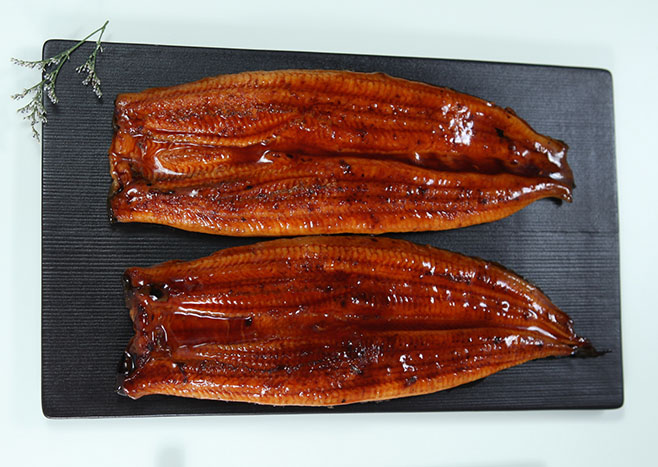
Is eel sauce healthy if you use it as a finishing sauce
Is eel sauce healthy for everyday use? It can be reasonable when you use a measured amount and build the meal around less salty, less sweet items. It is not the best choice for someone who must strictly limit sugar or sodium unless the nutrition label supports that need.
The sauce is not usually eaten by itself. It is brushed over grilled eel, spooned onto rice, served with sushi, or used as a dip. This matters because a restaurant pour can be much larger than the amount used in a home recipe. A little extra sauce may not look dramatic, yet it can change the nutrition profile faster than an extra piece of cucumber or seaweed salad.
The best practical conclusion is simple: enjoy the flavor, but make the serving visible. Put sauce in a small dish, brush it lightly onto food, or ask for it on the side. This approach suits diners who want the familiar sweet-savory taste without turning every bite into a heavy coating. It does not solve the issue for people following a medically prescribed low-sodium or low-sugar plan; those diners should use the product label and advice from their healthcare professional.
For home cooks, compare the label before choosing a bottle of eel sauce products. Two bottles may look similar on the shelf but differ substantially in sweetness, saltiness, and recommended serving size.
Comparison of typical eel sauce nutrition per tablespoon against common daily sugar and sodium limits
To answer is eel sauce healthy in a useful way, start with the label rather than the name. Sauce recipes differ by brand and market, so the figures below are a practical typical range, not a specification for every product. A tablespoon of sweet soy-based eel sauce may contain approximately 6 to 10 grams of added sugar and 500 to 700 milligrams of sodium.
The United States Food and Drug Administration uses a Daily Value of 50 grams for added sugars on a 2,000-calorie diet. The Daily Value for sodium is 2,300 milligrams. Individual nutrition targets can be lower depending on age, health status, and professional dietary guidance.
| Nutrition point | Typical amount per tablespoon of eel sauce | Common Daily Value reference | What it means in practice |
|---|---|---|---|
| Added sugar | 6 to 10 grams | 50 grams | One tablespoon can use about 12% to 20% of the Daily Value. A sweet drink, dessert, or sweetened rice dish in the same meal can push the total higher. |
| Sodium | 500 to 700 milligrams | 2,300 milligrams | One tablespoon can use about 22% to 30% of the Daily Value. Soy sauce, miso soup, pickles, and processed seafood can add more sodium quickly. |
| Calories | 35 to 60 calories | Depends on the person’s energy needs | Calories are not usually the first concern with a small serving, but repeated pouring can turn sauce into a meaningful addition. |
Is eel sauce healthy if the meal includes miso soup, soy sauce, tempura, and a sweet drink? In that situation, it is wiser to use less. The sodium and sugar are coming from several places, not one. A sauce that seems moderate in isolation can become the final addition to an already salty, sweet meal.
A useful cold fact: your tongue detects sweetness and salt immediately, but it cannot reliably tell whether a tablespoon contains a modest or high amount of sodium. That is why tasting alone is not a dependable buying method. The nutrition panel is more useful than a quick dip from the bottle.
How sugar changes the way eel sauce fits into a meal
Is eel sauce healthy for people reducing sugar? It depends on serving size and the rest of the day’s food. Added sugar gives the sauce its rounded glaze and helps create the familiar caramel-like finish on kabayaki. However, that same sweetness means large pours can work against a lower-sugar eating plan.
Choose a light brush or a measured spoonful when the meal already contains sweet components. This fits a rice bowl with grilled eel, especially when rice is served in a generous portion. It may not apply when the recipe needs sauce as part of a marinade or glaze; in that case, calculate the total sauce used and divide it by the number of finished portions.
A practical home example
Imagine making four eel rice bowls. Rather than pouring from the bottle over each bowl, place four tablespoons of sauce in a small pan, warm it gently, and brush an equal amount over each portion. The result is more consistent flavor and a known portion. If you add sauce to the table afterward, use a spoon instead of allowing open pouring.
That method is especially useful for families with mixed preferences. Someone who enjoys a bolder glaze can add a little more, while another person can keep their bowl lightly seasoned. Pair the sauce with cucumber, steamed greens, radish, or a plain soup rather than another sweet prepared side.
For flavor ideas that do not rely on adding extra sauce, see these eel flavor pairings. Fresh acidity, crisp vegetables, and ginger can make a lighter sauce portion feel more satisfying.
Why sodium deserves equal attention beside sugar
Is eel sauce healthy if sugar is low but sodium is high? Not automatically. Buyers often focus on sweetness because eel sauce tastes sweet first. Yet soy sauce-based seasonings can contribute a substantial sodium load even when the portion appears small.
Sodium affects the total saltiness of the day, not only one dish. If you choose eel sauce at lunch, look at breakfast and dinner too. Packaged noodles, cured meats, soups, sauces, snack foods, and restaurant dishes may all contribute. The useful action is to make one tradeoff: when eel sauce is part of the meal, skip or reduce another salty condiment.
- Choose sauce on the side when ordering sushi, especially if the roll already contains seasoned seafood or a salty filling.
- Use plain grilled fish or vegetables as supporting dishes when eel sauce is the main flavor driver.
- Do not double-season with both eel sauce and regular soy sauce unless you have tasted the food first.
- Check serving sizes because two sauces with similar sodium per serving may use different serving amounts.
- Ask for a light glaze when ordering unagi kabayaki at a restaurant if you prefer more control.
Is eel sauce healthy for a person managing blood pressure? That question needs a more careful answer than a general nutrition article can provide. A person on a sodium-restricted plan should compare the label against their individual daily target and follow clinical guidance. A small amount may be workable for one person and unsuitable for another.
Common eel sauce mistakes that make a reasonable serving too large
Is eel sauce healthy often comes down to habits, not just ingredients. The following mistakes are easy to avoid once you notice them.
| Common mistake | What happens | Better approach | When the better approach may not fit |
|---|---|---|---|
| Pouring directly from the bottle | Portion size becomes guesswork, and sauce can pool on rice. | Measure into a spoon or dipping dish first. | A large-batch kitchen may use a weighed recipe instead of individual spoon measures. |
| Using eel sauce and soy sauce together | Sodium can rise without improving flavor very much. | Taste first, then choose one sauce as the main seasoning. | Some recipes need soy sauce during cooking; adjust the final glaze downward. |
| Ignoring the serving-size line | A label can appear lower in sugar or sodium because its listed serving is small. | Compare products using the same amount, such as one tablespoon. | For bulk foodservice recipes, compare by the amount used per finished serving. |
| Calling all sushi sauces “eel sauce” | Sweet soy glaze, teriyaki-style sauce, and mayonnaise-based toppings can have different nutrition profiles. | Ask what sauce is actually used and read the ingredient list. | Restaurant menus may not provide full nutrition information. |
Is eel sauce healthy when it is used as a marinade? It can still fit, but do not assume all of the marinade remains on the food. For home nutrition tracking, count the amount applied to the finished portion unless you have a recipe calculation that accounts for leftovers. For packaged food production, use validated recipe and labeling procedures rather than household estimates.
How to choose eel sauce for home cooking or foodservice
Is eel sauce healthy enough for your table or menu is partly a sourcing question. The right choice is a sauce with a clear ingredient list, a readable nutrition panel, suitable packaging, and a flavor profile that works with your intended portion.
- Start with the planned serving. Decide whether the sauce will be a light finishing brush, a dip, or a cooking glaze. A finishing brush normally gives better portion control than a dip bowl.
- Compare sugar and sodium on the same basis. Use one tablespoon as the comparison point, even if labels list different serving sizes.
- Read the ingredient order. Ingredients are generally listed by weight. This helps you understand whether sweeteners and soy sauce are central to the formula.
- Match the sauce to the food. A rich unagi portion may need only a light coat, while plain rice and vegetables can carry a little more flavor.
- Store and handle according to the label. Food safety and quality depend on following the manufacturer’s storage instructions after opening.
Is eel sauce healthy as part of grilled eel? The eel itself and the sauce should be assessed separately. Eel provides its own nutrients and calories, while the sauce primarily changes sweetness and sodium. A diner looking for a lighter plate can select a smaller rice portion, add vegetables, and request a controlled sauce amount rather than avoiding eel entirely.
When sourcing prepared eel, look for clear process controls as well as portion control. Eelpro operates under ISO 22000:2018, HACCP, HALAL certification, export food producer registration, and an SC food production license. Its supply chain includes approximately 20 customs-registered eel farming bases covering more than 2,150 mu, with traceability from farming through shipment. The company also maintains an in-house laboratory and metal detectors at critical control points.
For buyers considering glazed eel rather than sauce alone, review the unagi kabayaki product options. A controlled glaze can help foodservice operators keep portions more consistent than a bottle placed on every table.

Is eel sauce healthy in a balanced sushi order
Is eel sauce healthy in a sushi order that includes vegetables, plain fish, and water? For many people, a measured amount can fit comfortably. The meal becomes less favorable when sauce is added generously to several rolls alongside salty soups, fried foods, and sweet drinks.
Try this ordering checklist:
- Choose one sauced item instead of ordering sauce-heavy toppings on every roll.
- Request eel sauce on the side or ask for a light brush.
- Pair unagi with cucumber, seaweed, vegetables, or sashimi-style items.
- Use water or unsweetened tea if the sauce already provides sweetness.
- Skip extra soy sauce unless the first bite truly needs it.
Is eel sauce healthy is not a yes-or-no question with one answer for every diner. The practical answer is this: it is a flavorful condiment best used in a measured portion. Check the label, notice the sugar and sodium, and let the rest of the meal stay simple.
Explore our kabayaki sauce article for more ideas on using sweet-savory glaze with better portion control.