

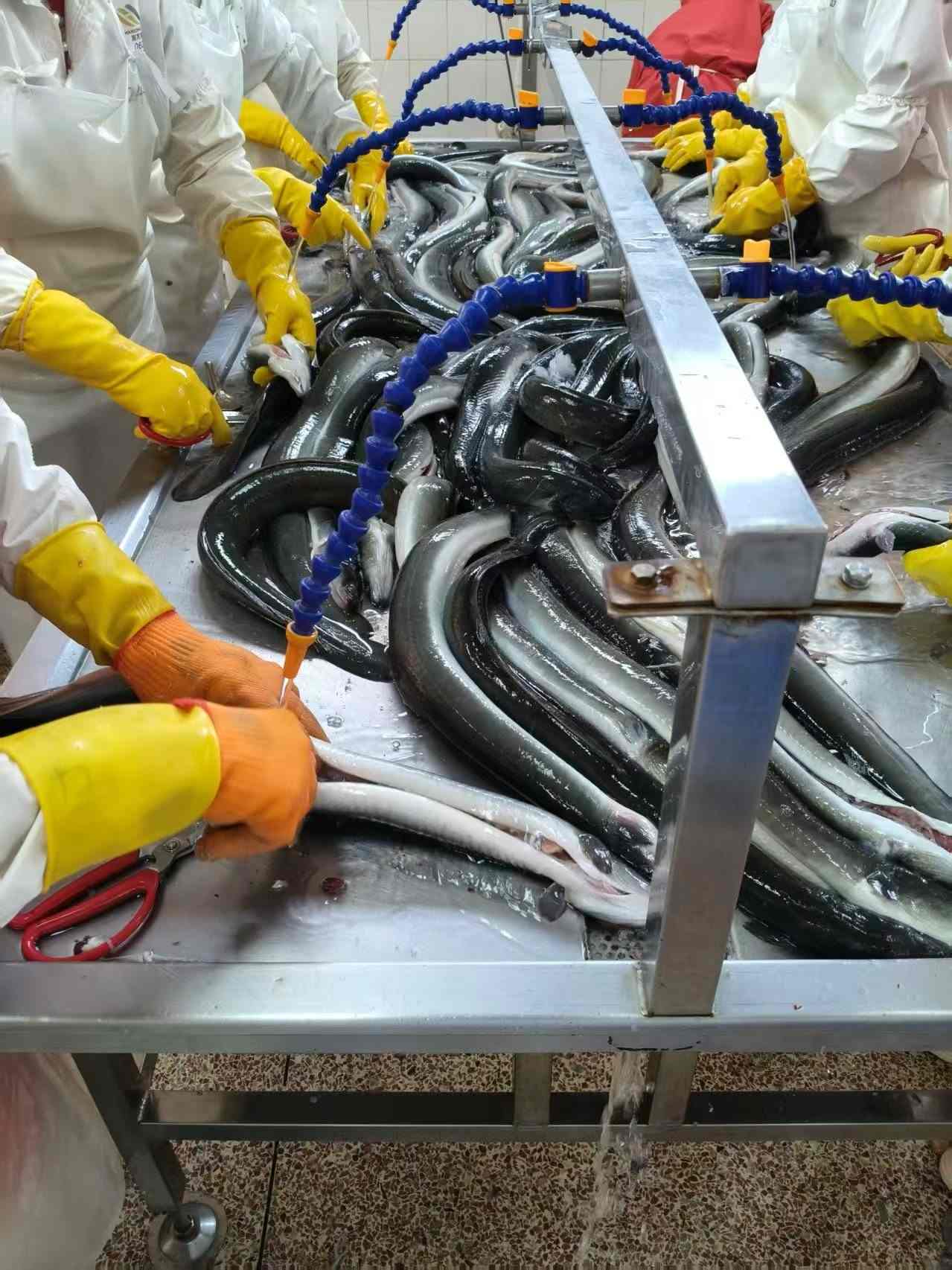
Understanding the Nutritional Value of Eel for Vitamins A and D
Picture a glossy piece of grilled unagi over warm rice, its sweet aroma rising from the bowl. It looks indulgent, but is eel actually a useful source of vitamins A and D? The short answer is: it can be, but the nutritional value of eel depends heavily on the portion, recipe, sauce, and product label.
That distinction matters for home cooks, restaurant buyers, and food importers alike. Freshwater eel, frozen unagi kabayaki, and sauced eel rice bowls are not nutritionally identical products. A plain roasted eel portion and a heavily glazed serving may contain different amounts of eel per bite, while preparation can change the final nutrition statement shown to the customer.
For anyone comparing seafood options, the nutritional value of eel should be read as a product-specific question rather than a blanket claim. Eel can contribute vitamins A and D to the diet, yet the most reliable answer comes from the nutrition panel for the exact item, serving format, and market where it will be sold.
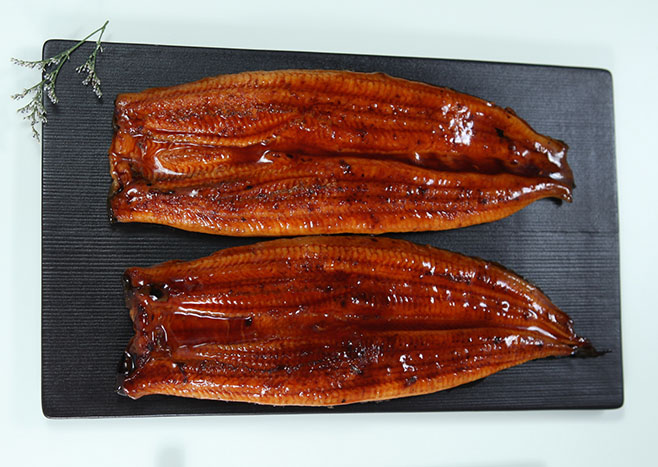
What the Nutritional Value of Eel Can Tell You About Vitamin Intake
The nutritional value of eel is often associated with its naturally rich texture and fat content. That matters because vitamins A and D are fat-soluble vitamins. In simple terms, they are commonly found in foods that contain fat, and the amount consumed depends on how much eel is actually present in the meal.
Vitamin A supports normal vision, immune function, and skin health. Vitamin D helps the body absorb calcium and supports normal bone function. Eel may help contribute these nutrients, but it should not be presented as a substitute for dietary variety or professional nutrition advice.
The nutritional value of eel is especially relevant when a buyer is choosing between plain roasted eel, kabayaki eel with sauce, eel cut pieces, and mixed seafood products. The fish itself is the nutrient-bearing ingredient. Rice, glaze, oil, breading, vegetables, and side dishes change the full meal profile.
Cold fact for seafood fans
A rich-looking eel dish does not automatically mean a larger vitamin intake. A thick layer of sauce can make a serving appear generous while reducing the proportion of eel in each bite. This is one reason the nutritional value of eel should be assessed by the declared serving and ingredient list, not by appearance alone.
How Vitamin A and D Questions Should Be Answered With Daily Value Context
When customers ask whether eel is “high in” vitamins A or D, the responsible answer is to check the product’s declared nutrition information. The nutritional value of eel varies by species, trimming, roasting method, sauce ratio, serving size, and local labeling rules. A nutrition panel is the proper place to see how much of the Daily Value a serving contributes.
Daily Value context helps customers understand whether a food makes a small, moderate, or meaningful contribution to their usual intake. It is not a promise that every eel product has the same nutrient level. Food labels are created for a defined serving size, so doubling the serving generally doubles the nutrient intake as well as the calories, fat, sodium, and sauce consumed.
| Question | Direct answer | What to check before deciding | Limit of the answer |
|---|---|---|---|
| Is eel a source of vitamin A? | Eel can contribute vitamin A, depending on the product and serving. | Review the vitamin A Daily Value on the local nutrition label. | Values can differ between plain eel, glazed eel, and mixed dishes. |
| Is eel a source of vitamin D? | Eel can contribute vitamin D as part of a varied diet. | Compare the vitamin D Daily Value for the stated serving. | Do not assume one eel item matches another brand or recipe. |
| Does a larger bowl provide more vitamins? | Usually yes, if it contains more eel. | Check the net eel portion, not only the total bowl weight. | A larger serving may also add more rice, sauce, and sodium. |
| Does cooking change nutrient intake? | It can, especially when sauce, oil, or moisture loss changes the finished portion. | Use nutrition data for the finished prepared product. | Raw ingredient data may not represent the plated dish. |
For menu planning, the nutritional value of eel should therefore be communicated with language such as “see the serving-based nutrition information” instead of broad claims that every unagi dish delivers the same level of vitamins. This approach fits retailers, importers, catering operators, and restaurants that need clear customer-facing information.
Why Serving Size and Preparation Change the Result
The nutritional value of eel is tied to the amount of edible eel in the finished serving. That sounds obvious, but it is easy to miss in a restaurant bowl or retail package. A boneless fillet, sushi slice, diced eel topping, and kabayaki skewer may all be convenient formats, yet they can place very different portions on the plate.
Preparation also affects what the diner consumes. Grilling can reduce moisture. Sauce adds flavor and may add sugar or sodium. Frying introduces a coating and cooking oil. A buyer comparing products for a health-focused menu should request the nutrition information for the finished sale format, not only a description of the raw material.
| Preparation format | Best use case | How it affects the nutrition discussion | When it may not fit |
|---|---|---|---|
| Plain roasted eel | Menus seeking a cleaner ingredient story. | Lets the buyer focus more directly on the eel portion. | May require separate seasoning or sauce planning. |
| Unagi kabayaki | Japanese-style rice bowls, bento, and restaurant service. | The nutritional value of eel must be considered alongside the glaze and serving rice. | Not ideal if a buyer needs a low-sauce menu format. |
| Diced or sliced eel | Sushi, toppings, noodle dishes, and small plates. | Portion control can be easier when each application has a defined eel weight. | Small toppings may provide less eel than a full fillet meal. |
| Breaded or fried eel dish | Snack menus and texture-focused dishes. | Nutrition must include the coating and oil used during preparation. | Less suitable for buyers comparing mostly fish-based dishes. |
A practical choice is to decide the intended serving first, then select the eel format. For example, a restaurant serving kabayaki over rice should calculate the nutrition message around the actual eel piece, sauce application, and rice portion. For cooking ideas that keep the eel component visible on the plate, see these easy eel cooking methods.
A Buyer Checklist for Comparing Eel Products Honestly
The nutritional value of eel should be one part of a larger buying decision. Nutrition information is useful, but it does not replace food safety records, traceability, storage controls, or recipe suitability. This is particularly relevant for importers and foodservice buyers who need consistent documentation across repeat orders.
- Check the declared serving size. Use the portion customers will actually eat, not an assumed serving from another product.
- Confirm the eel percentage or net eel portion. This is most useful for sauced bowls, mixed items, and toppings.
- Compare the finished product label. Raw eel data may not match roasted, glazed, fried, or ready-to-heat eel.
- Review vitamin A and vitamin D statements in the destination market. Label presentation and Daily Value references can differ by market.
- Assess sauce separately. Sauce changes flavor and can change the final nutrition profile. Review the ingredients of the eel sauce product used in the dish.
- Ask for traceability and quality documents. Nutrient claims and food safety documentation are different checks, and both matter.
This checklist fits a retailer developing a frozen meal, a restaurant testing an unagi bowl, or an importer selecting packaged seafood. It does not replace local legal review when a package will make a regulated nutrition or health claim.
Common Mistakes When Comparing the Nutritional Value of Eel
The nutritional value of eel can be misunderstood when buyers compare unlike products. Avoid these common mistakes before setting menu descriptions, packaging language, or customer expectations.
- Mistake: treating all eel as nutritionally identical. Fresh, roasted, glazed, and fried eel are different finished foods. Compare like with like.
- Mistake: ignoring sauce and rice. A kabayaki rice bowl is more than eel alone. Assess the full serving.
- Mistake: using a raw-food database for a prepared product. Choose values that match the item sold to the customer.
- Mistake: making a vitamin claim without checking local rules. A product may contribute a nutrient without qualifying for a particular label claim.
- Mistake: assuming traceability proves nutrient content. Traceability supports sourcing control; nutrient declarations still need product-specific verification.
Here is the practical takeaway: the nutritional value of eel is most useful when linked to a real menu portion and a real product specification. That keeps the message accurate and easier for customers to trust.
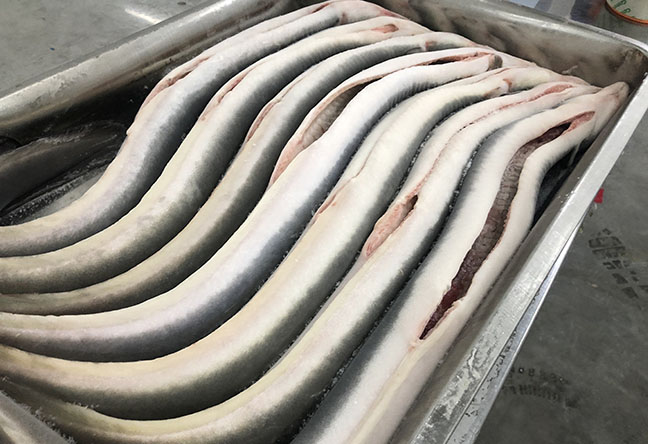
What Eelpro Can Provide for Product Evaluation
For buyers evaluating the nutritional value of eel alongside product consistency, Eelpro supplies frozen unagi kabayaki, freshwater eel products, eel sauce, and frozen seafood options. Our facility holds ISO 22000:2018, HACCP, and HALAL certification, along with export food producer registration and an SC Food Production License covering quick-frozen prepared foods.
Product control begins with approximately 20 customs-registered eel farming bases covering more than 2,150 mu. Full-chain traceability extends from farming registration through process verification, targeted sampling, and shipment tracking. Our in-house laboratory and metal detectors support quality-control procedures, while a 1,000-ton cold storage facility supports product storage and cold-chain logistics.
For kabayaki applications, our roasting process uses four precise layers of soy sauce with temperature-controlled steps. This is a flavor and process feature, not a vitamin guarantee. Buyers who need a nutrition panel for a private-label item should evaluate the final recipe, serving format, and destination-market label requirements. You can also review our unagi kabayaki product formats for menu and retail planning.
Frequently Asked Questions About Eel and Vitamins
Is eel a good source of vitamins A and D?
Eel can be a useful dietary contributor of these vitamins, but the nutritional value of eel differs by product. Check the serving-based nutrition label before describing a specific eel item as a good source.
Does kabayaki sauce remove the vitamins in eel?
Sauce does not turn eel into a vitamin-free food, but it changes the finished dish. The key question is how much eel is served and what else is added through the glaze, rice, or side dishes.
Is frozen unagi less nutritious than fresh eel?
A simple fresh-versus-frozen answer is not reliable without product-specific data. Compare the nutrition documentation for the exact products, then consider storage, preparation, and portion size.
What should restaurants show on a menu?
Restaurants should describe the dish accurately, identify major ingredients where required, and avoid unverified nutrition claims. If vitamin information is presented, it should match the actual recipe and serving portion.
If you are comparing prepared eel formats for your menu or retail range, request a product specification and sample guidance for the nutritional value of eel in your intended serving format.