


Is Eel Sauce Healthy? How to Keep Eel Sauce Portions in Balance
You drizzle a spoonful of glossy brown sauce over your unagi rice bowl. It smells like caramel and soy. It tastes even better. Then you wonder: is eel sauce healthy, or is this the one habit quietly wrecking your sugar and sodium goals? That question matters more than most home cooks realize, because a few extra tablespoons a week can add up fast.
The short answer: eel sauce isn't a health food, but it isn't a villain either. The real issue is portion control, not the sauce itself. Understanding what's actually in the bottle — and how much you're really pouring — changes everything.
What's Actually in Eel Sauce (Unagi Tare)
Traditional unagi tare is a reduction of soy sauce, sugar (or mirin), and sometimes sake, simmered down until it thickens into a glaze. That's it — no artificial thickeners in a well-made version. But the simplicity is exactly why portion size matters so much.
- Sugar: A typical tablespoon of commercial eel sauce contains roughly 6-9 grams of sugar — close to two teaspoons.
- Sodium: Because soy sauce is the base, sodium per tablespoon can run 300-450 mg, depending on the brand and reduction ratio.
- Calories: Around 35-50 calories per tablespoon, mostly from sugar.
- No fat, no cholesterol: Unlike many sauces, unagi tare is fat-free by nature, which is a genuine plus.
So when someone asks whether eel sauce is healthy, the fairer framing is: it's a **flavor-concentrated condiment**, similar to teriyaki or hoisin. Used in teaspoon amounts, it fits into a balanced plate. Poured on with a heavy hand — which is easy to do, since it's sweet and moreish — it can quietly double the sugar and sodium of a meal.
How Much Is a Reasonable Serving?
Here's a practical benchmark that home cooks and restaurant chefs both use:
| Serving Context | Recommended Amount | Approx. Sugar | Approx. Sodium |
|---|---|---|---|
| Drizzle over a rice bowl | 1-1.5 tsp (5-7 ml) | 2-3 g | 150-200 mg |
| Glaze on grilled unagi kabayaki | 1 tbsp brushed, not pooled | 6-9 g | 300-450 mg |
| Dipping sauce for sushi rolls | 1 tsp per roll | 2-3 g | 150-200 mg |
| Marinade base (absorbed, not eaten whole) | 2 tbsp per 500g eel | Partially absorbed, lower per serving | Lower per serving |
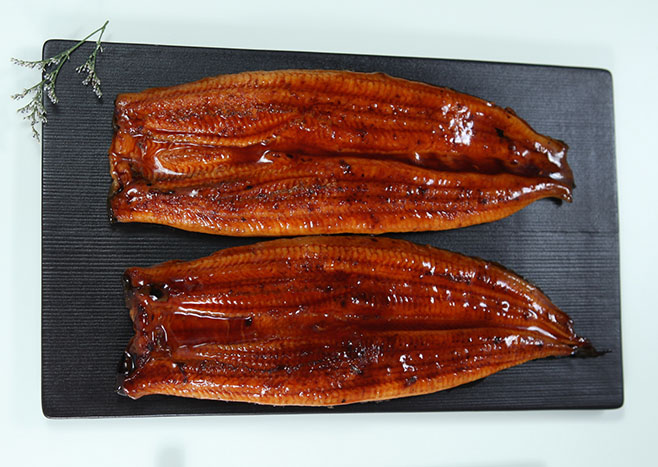
The marinade case is worth noting — when sauce is used to coat and roast eel (like in our unagi kabayaki process), a portion caramelizes onto the surface and much of the liquid sauce doesn't end up on the plate. That's different from pouring raw sauce straight over rice, where you're consuming the full amount.
Action-Focused Serving Strategies That Preserve Flavor While Cutting Sugar and Sodium
You don't have to give up eel sauce to eat better. You need a plan for how you use it. Here's a step-by-step approach that keeps the flavor punch while trimming the numbers.
Step 1: Brush, don't pour
Conclusion: Use a pastry brush to apply sauce to grilled eel instead of pouring from the bottle.
Why it works: Brushing spreads a thin, even layer — roughly half the volume of a poured serving — while still coating every bite.
Best for: Home-grilled or oven-reheated frozen unagi kabayaki.
Limit: Doesn't apply to dipping-style servings like sushi, where the sauce needs to sit in a small dish.
Step 2: Sauce the rice, not the eel
Conclusion: Toss 1 teaspoon of sauce through warm rice instead of drizzling extra sauce on top of the eel itself.
Why it works: Mixing distributes flavor across every grain, so your tongue registers sweetness and umami in every bite without needing a heavier pour.
Common failure: Adding sauce to both the rice and the eel — this is the most common way portions double without anyone noticing.
Step 3: Pair with acid or bitterness
Conclusion: Add pickled ginger, a squeeze of yuzu, or bitter greens like mizuna alongside your eel dish.
Why it works: Acidity and bitterness balance the sweetness on your palate, so you feel satisfied with less sauce.
Scenario: This works especially well in donburi bowls — check our eel rice bowl topping ideas for combinations that already balance sweetness naturally.
Step 4: Dilute for dipping
Conclusion: Mix eel sauce with a little dashi or water (roughly 1 part water to 3 parts sauce) when using it as a dipping sauce.
Why it works: Dilution cuts sodium and sugar per dip by about 25% without noticeably weakening the flavor, since dipping only coats the surface.
Limit: Not suitable for glazing, since a diluted sauce won't caramelize properly under heat.
Step 5: Portion before you plate
Conclusion: Measure with a spoon into a small dish before serving — never pour directly from the bottle over food.
Why it works: Direct pouring is the single biggest reason people go over intended portions; you lose track of volume once the bottle tips.
Common failure: "Just a little more" pours during reheating, which is where most sodium overages happen in home kitchens.
Common Mistakes That Push Sodium and Sugar Too High
- Double-sauced bowls: Sauce on the rice AND the eel AND a side dip — this alone can triple intake per meal.
- Using sauce as a stir-fry base: Because it's thick and flavorful, some cooks use eel sauce as a general glaze for vegetables or noodles, which adds unplanned sugar and sodium to the whole dish, not just the eel.
- Ignoring the label on store-bought bottles: Not all commercial tare is made the same way — some brands add high-fructose corn syrup or extra salt for shelf stability. Compare labels the way you'd compare a bottled eel sauce product's actual sugar per serving, not just the ingredient list order.
- Reheating with more sauce "to freshen it up": Leftover eel often gets an extra glaze before reheating, effectively doubling the original sauce amount.
When Eel Sauce Fits — and When It Doesn't
For most home cooks eating eel once or twice a week, a controlled 1-1.5 teaspoon serving fits comfortably within general dietary guidance on free sugars intake and daily sodium targets. It does not fit well for anyone actively managing hypertension or on a strict low-sodium diet, where even 300 mg from one tablespoon can be a meaningful chunk of a daily allowance. In that case, diluting the sauce or using it only as a light marinade — where much of the sodium stays in the pan, not on the plate — is the more sensible approach.
Buyer's Checklist for Choosing a Better Eel Sauce
- Check sugar per tablespoon — under 7g is on the leaner side for commercial tare.
- Check sodium per tablespoon — under 350mg is reasonable for regular use.
- Look for a short ingredient list: soy sauce, sugar, mirin/sake, water. Avoid added syrups if you're watching sugar closely.
- If cooking for a foodservice menu, ask your supplier about the roasting process — a proper multi-layer soy-sauce coating, like the 4-layer process used in export-grade kabayaki production, builds flavor into the eel itself, meaning less table sauce is needed per serving.
A Quick Cold-Storage Tip
Homemade or opened bottled eel sauce keeps its flavor best refrigerated and used within a few weeks. If you're portioning sauce for meal prep, small sealed containers help you stick to a measured amount instead of eyeballing it from a big jar — a trick worth combining with our eel meal prep ideas for the week ahead.
Practical Takeaway
Eel sauce isn't something you need to cut out. It's something you portion with intention. A teaspoon on rice, a light brush on grilled eel, a diluted dip for sushi — these small habits let you keep the flavor you love while keeping sugar and sodium in a sensible range. The sauce itself isn't the problem; the pour is.
Curious how our eel sauce is made, or want to taste the difference a controlled roasting process makes? Reach out to request a sample or a spec sheet — we're happy to walk through options for your kitchen or menu.