

Anago vs Unagi: How to Fix Tough Anago and Greasy Unagi Before Plating
A batch of anago comes off the steamer chewy instead of tender. A tray of unagi kabayaki looks glossy but tastes like the fryer, not the grill. If either has happened in your kitchen, you're not alone — and it's usually not the raw material's fault. The anago vs unagi texture gap comes down to fat content, heat control, and timing, not luck. This article breaks down what causes each problem and how to fix it before the next batch hits the pass.
Why Anago and Unagi Behave So Differently Under Heat
Anago (conger eel) and unagi (freshwater eel) are not interchangeable, even though menus often list them side by side. Anago has thinner flesh, lower fat content, and a shorter cooking tolerance. Unagi carries more subcutaneous fat, which is exactly what makes kabayaki rich — but also what turns greasy when the process goes wrong.
- Anago: lean, delicate, cooks fast, dries out and toughens if overheated or over-steamed.
- Unagi: higher fat, needs a controlled roast to render fat without leaving it pooled on the surface.
Knowing which species you're holding changes your entire cook sequence. Treating anago like unagi — long slow roasting expecting fat render — will only dry it out, because there's not enough fat there to begin with.
Diagnosis Order: What to Check First
Before adjusting heat or sauce, walk through this sequence. Each symptom points to a different root cause, and fixing the wrong variable wastes product.
- Check the thaw method first. Fast thawing at room temperature or under warm water breaks down moisture retention before cooking even starts. This alone accounts for a large share of "tough anago" complaints.
- Check core temperature during reheating. If anago exceeds roughly 75°C (167°F) internal for more than a minute or two, protein tightens and the texture turns rubbery.
- Check fat pooling on unagi. If oil sits visibly on the surface after roasting rather than being absorbed into the flesh, the render step ran too long or the heat was too low for too long.
- Check sauce application timing. Sauce brushed on too early caramelizes before the fat finishes rendering, trapping grease under a burnt glaze instead of layering flavor.
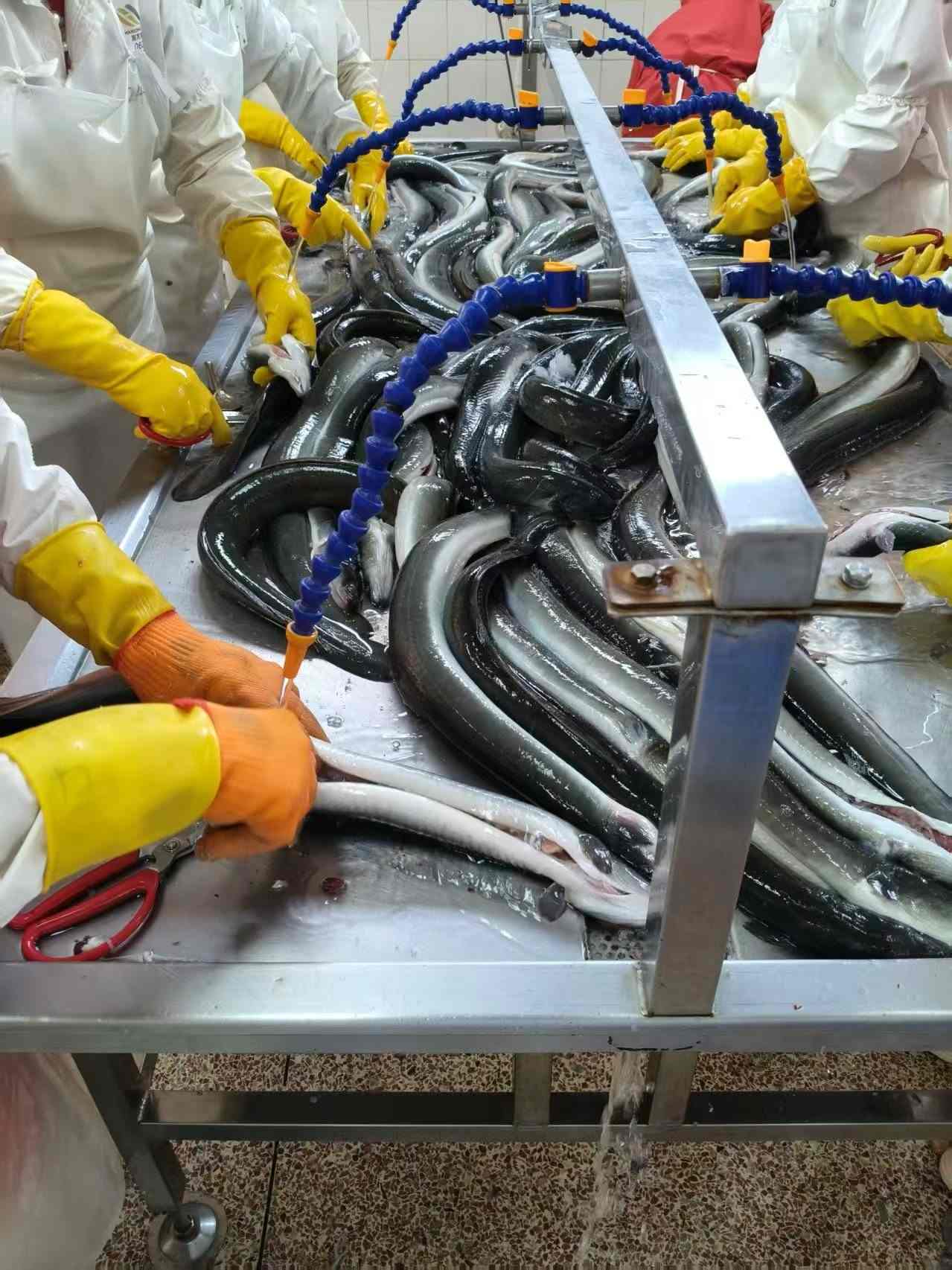
Only after these four checks should you consider the product itself. Uneven raw material size, or freezer burn from long uncontrolled storage, is a real but less common cause — and it's one buyers can rule out by sourcing from suppliers with traceable eel farming and a controlled cold chain from processing through delivery.
Action-Focused Fixes for Tough Anago and Overly Oily Unagi
Once you've identified where the problem sits, here are the fixes that actually change outcomes on the line.
Fixes for Tough Anago
| Symptom | Likely Cause | Fix |
|---|---|---|
| Rubbery, springs back when bitten | Overheated past 75°C core, or reheated twice | Steam gently at 90-95°C water temperature, monitor core with a probe, pull at first sign of flake |
| Dry, stringy texture | Fast thaw stripped moisture | Thaw under refrigeration 12-24 hours before service, never at room temperature |
| Uneven doneness across the piece | Inconsistent thickness or direct high flame | Use indirect heat or a water bath step before finishing on grill for 30-60 seconds only |
Fixes for Greasy Unagi
| Symptom | Likely Cause | Fix |
|---|---|---|
| Visible oil on surface after roasting | Low, prolonged heat without a render-and-drain step | Roast in stages: initial high heat to open the skin, then moderate heat with a rest period to let fat drip off before glazing |
| Sauce tastes burnt but fish underneath is bland | Sauce applied before fat finished rendering | Hold sauce application until the last 2 coating passes, following a layered soy-sauce approach rather than one heavy brush |
| Heavy mouthfeel, greasy aftertaste | Fat not deodorized or rendered during processing | Source from suppliers using low-fat roasting and deodorizing methods during production, not just at the reheat stage |
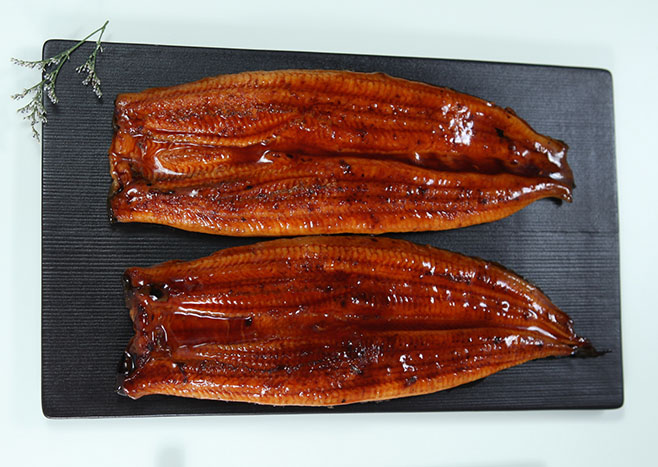
This is where processing method matters as much as kitchen technique. Products roasted using a 4-layer soy-sauce coating process, with each layer applied at a controlled temperature step, arrive pre-balanced — the kitchen just needs to reheat correctly, not fix an imbalance baked in during production. That's the difference between a frozen unagi kabayaki that reheats cleanly and one that turns greasy no matter what you do to it.
A Worked Example: Diagnosing a Failed Batch
Say a foodservice buyer gets a complaint: kabayaki tastes oily and the sauce is bitter at the edges. Walking the diagnosis order:
- Thaw method — correct, done overnight under refrigeration. Ruled out.
- Core temperature during reheat — oven set to 220°C, eel left in for 12 minutes. Too long for a pre-cooked, pre-roasted product.
- Fat pooling — confirmed, oil visible on the tray after reheating.
- Sauce timing — sauce brushed on before the reheat, so it caramelized and turned slightly bitter under prolonged oven heat.
Conclusion: the reheat time was too long for an already-roasted product, and the sauce should have been reserved for a final 90-second glaze pass at the end, not applied up front. This is a common mistake with pre-roasted frozen kabayaki — kitchens treat it like raw eel needing a full roast cycle, when it only needs re-heating and glazing.
Common Mistakes That Cause Both Problems
- Reheating frozen kabayaki straight from frozen without partial thaw, causing uneven heat penetration.
- Using the same reheat time and temperature for anago and unagi — their fat content demands different handling.
- Applying sauce in one heavy coat instead of layering it, which concentrates sugar and burns unevenly.
- Storing product above -18°C, which accelerates fat oxidation and changes texture before it even reaches the kitchen.
- Skipping a probe thermometer check and relying on visual cues alone, especially for anago where the tolerance window is narrow.
Buyer's Decision Checklist Before Placing an Order
For foodservice buyers evaluating a new eel supplier, texture consistency starts before the product ever reaches your kitchen. Check the following:
- Does the supplier document a controlled roasting process (temperature steps, coating layers) rather than a single generic cook cycle?
- Is the product processed and packed under a certified food safety system, such as ISO 22000:2018 and HACCP?
- Does the cold chain include dedicated cold storage capacity, not just transit refrigeration?
- Can the supplier trace raw material back to a registered farming base?
- Does the spec sheet list fat content or roasting method, or just "kabayaki style" with no detail?
Suppliers backed by a 1,000-ton cold storage facility and full-chain traceability from around 20 customs-registered farming bases tend to produce more consistent texture batch to batch, simply because variability gets caught earlier — in the lab, not on your grill.
Where Sauce Timing Fits Into the Bigger Picture
Sauce isn't just flavor — it's a heat and moisture management tool. A well-built eel sauce applied in the right sequence protects the surface from drying while adding caramelization only at the end. Applied too early, it does the opposite: it seals in whatever fat hasn't rendered yet and burns before the interior reheats. If you're building your own glaze rather than sourcing pre-sauced product, review how coating layers affect final texture in our breakdown of kabayaki sauce technique, and check common glaze mistakes in this kabayaki sauce recipe guide.
For kitchens sourcing pre-roasted unagi kabayaki, the texture work is already partly done at the production stage — patented low-fat roasting and deodorizing steps reduce the greasy outcome before the product ever reaches your freezer. That doesn't remove the need for correct reheating, but it does narrow the margin for error.
When These Fixes Don't Apply
These fixes assume you're working with properly frozen, correctly stored product. If raw material arrives with freezer burn, uneven sizing, or an unclear cold chain history, no reheat adjustment will fully correct texture. In that case, the issue sits upstream at sourcing, not in your kitchen process — worth raising directly with your supplier rather than adjusting cook times indefinitely.
Buyers evaluating a new source for frozen unagi kabayaki or seasoned frozen seafood are welcome to request a sample batch and spec sheet to test texture consistency under your own kitchen conditions before committing to a full order.