


Is Eating Eel Good for You? Benefits, Calories, and Sodium
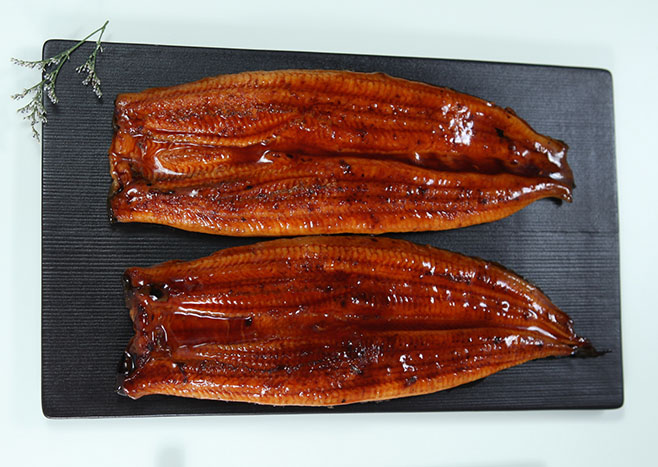
Someone hands you a plate of glossy, grilled unagi and asks: is eating eel good for you, or is that sauce quietly wrecking your sodium budget? Fair question. Eel is genuinely rich in omega-3s, vitamin A, and vitamin B12 — but a single kabayaki serving can also carry more sodium than a fast-food meal. The honest answer depends on portion size, sauce quantity, and how the eel was cooked. Let's break down the actual numbers instead of repeating vague health claims.
What's Actually in a Serving of Eel
Freshwater eel (unagi) is calorie-dense compared to lean whitefish, but the calories come with real nutritional payoff. A 100g serving of grilled eel typically provides:
- Around 235-300 kcal, depending on fat content and glaze thickness
- About 1,000-1,200 IU of vitamin A per 100g — among the highest of any commonly eaten fish
- High vitamin B12, often exceeding 100% of daily reference intake in one serving
- 1.5-2.5g omega-3 fatty acids (EPA + DHA combined), comparable to salmon
- 15-18g fat, mostly unsaturated, but variable by roasting method
These numbers explain why eel shows up in traditional diets across Japan and East Asia — it's a dense source of fat-soluble vitamins that lean fish simply doesn't match. The omega-3 fatty acid content is the main reason nutritionists list eel alongside mackerel and sardines as a beneficial oily fish.
Boundary Analysis: When the Benefits Get Cancelled Out
This is the part most articles skip. Eel's nutrition profile is only "good for you" within certain boundaries. Past those limits, the calorie load and sodium content start working against the benefit. Here's where the line actually sits.
| Factor | Within Healthy Range | Where It Tips Negative |
|---|---|---|
| Portion size | 85-100g cooked eel per meal | 200g+ portions push calories past 500 kcal from a single protein source |
| Sauce (tare) volume | 1-2 tsp brushed and caramelized | 3+ tbsp poured on adds 400-600mg sodium on top of the fish itself |
| Cooking method | Grilled/roasted with excess fat drained | Deep-fried or double-basted versions raise fat content 20-30% |
| Frequency | 1-2 servings per week | Daily consumption compounds sodium and saturated fat intake over time |
| Sodium per meal | Under 600mg from the eel dish | A heavily sauced kabayaki bowl can hit 900-1,200mg sodium alone |
The practical takeaway: eel itself is not the problem. The tare glaze is. Traditional kabayaki sauce is built from soy sauce, mirin, and sugar reduced into a thick coating — flavorful, but sodium-heavy by design. If you're managing blood pressure or watching sodium intake, ask for sauce on the side or use half the amount. If you're an occasional eater having unagi once or twice a week, the calorie and sodium load rarely offsets the omega-3 and vitamin benefit. If you're eating fried or heavily glazed eel daily, the balance shifts — that's when a nutrient-dense fish turns into a sodium and saturated-fat liability.
Eel Nutrition Compared to Other Common Fish
Buyers sourcing frozen seafood for menus often ask how eel stacks up against salmon or mackerel. Here's a rough comparison per 100g cooked:
| Fish | Calories | Omega-3 (g) | Sodium (mg, unsauced) |
|---|---|---|---|
| Eel (grilled, no sauce) | ~235 | 1.5-2.0 | 50-60 |
| Eel (kabayaki, sauced) | ~285-300 | 1.5-2.0 | 600-900 |
| Salmon (grilled) | ~208 | 1.8-2.2 | 50-70 |
| Mackerel (grilled) | ~230 | 2.5-3.0 | 90-100 |
Notice the jump between plain grilled eel and sauced kabayaki. The fish itself is naturally low sodium. Nearly all the sodium concern in "is eating eel good for you" discussions traces back to the tare, not the eel.
Common Mistakes When Judging Eel's Health Value
- Judging eel by restaurant portions. Many kabayaki servings at restaurants run 150-200g, almost double a standard nutrition-label serving.
- Ignoring the sauce math. Buyers and home cooks often count the fish's nutrition but forget the glaze adds 100+ kcal and most of the sodium.
- Assuming all eel products are equal. Skin-on, deboned, and cut-piece formats differ in fat distribution and cooking absorption.
- Comparing raw fillet data to cooked, sauced product. Nutrition panels for raw eel don't reflect what's on your plate after roasting and glazing.
- Overlooking preparation frequency. One unagi meal a week behaves very differently in a diet than daily consumption.
How Roasting Method Changes the Nutrition Outcome
For importers and foodservice buyers, the roasting process itself affects fat content and sodium delivery — not just the recipe. A 4-layer soy-sauce coating process, applied with controlled temperature steps, builds flavor gradually instead of dumping a thick glaze onto the fish in one pass. This matters for two reasons:
- Layered coating reduces sauce pooling. Thin, repeated layers caramelize into the flesh rather than sitting as excess liquid, which limits how much sodium transfers per bite.
- Low-fat roasting technology limits oil retention. Patented deodorizing and low-fat processing methods reduce the greasy mouthfeel that comes from fat rendering back into the skin during grilling.
Buyers comparing suppliers should ask directly: how many sauce layers, and is the roasting temperature-controlled? Products using a single heavy glaze pass will generally read higher in sodium per 100g than eel processed with a graduated 4-layer method.
A Buyer's Decision Checklist for Sourcing Eel Products
If you're a distributor, restaurant group, or retailer deciding whether eel fits your menu or shelf plan, check these points before placing an order:
- Does the supplier provide sodium and fat data per 100g for the finished, sauced product — not just raw fillet?
- Is the eel sourced from certified farming bases with traceability records?
- Does the product meet residue and microbiological standards for your target market (Japan, US, EU thresholds differ)?
- Can portion sizes be customized (cut pieces, skewers, sushi slices) to control calorie and sodium delivery per serving?
- Is packaging suited for cold-chain shipping to your region without quality loss?
Eelpro's frozen unagi kabayaki is produced across two lines with a combined 4,000-ton annual capacity, backed by ISO 22000:2018, HACCP, and HALAL certification, plus an Export Food Producer Registration Certificate. Raw material comes from around 20 customs-registered farming bases covering 2,150 mu, with full-chain traceability from farm to shipment — relevant if your buyers ask where the fish actually came from.
Practical Ways to Eat Eel Without Overloading on Sodium
For home cooks and menu planners alike, small adjustments protect the nutrition upside:
- Request or prepare sauce on the side rather than fully glazed portions.
- Pair eel with rice and vegetables instead of extra soy-based sides, which stack sodium further.
- Choose skin-packaged or portion-controlled cuts so serving size stays consistent and predictable.
- If cooking at home, review a kabayaki sauce article to understand how much glaze is actually needed for flavor versus how much restaurants typically add.
- For meal-prep planning, batch-cooked eel dishes can be portioned ahead — see ideas in this guide on eel recipes for meal prep.
Where This Leaves the Original Question
So, is eating eel good for you? Within a moderate portion — roughly 85-100g, once or twice a week, with sauce used lightly — eel delivers meaningful omega-3s, vitamin A, and B12 with a manageable calorie and sodium footprint. Push past that boundary with oversized portions, daily frequency, or heavy tare application, and the sodium and calorie load starts to outweigh the benefit. The fish itself isn't the risk factor. Portion control and sauce management are.
For buyers evaluating suppliers, nutrition consistency depends on production controls: temperature-managed roasting, standardized sauce layering, and lab-verified residue testing. Eelpro maintains an in-house laboratory and metal detectors at critical control points, with 25 quality-control specialists among its 160+ staff, supporting consistent output across export orders to Japan, the US, EU markets, Australia, and Southeast Asia.
Looking to compare sodium and fat specs across product formats before sourcing? Request a spec sheet or sample batch from our team to review actual nutrition data for your target cut and packaging.