

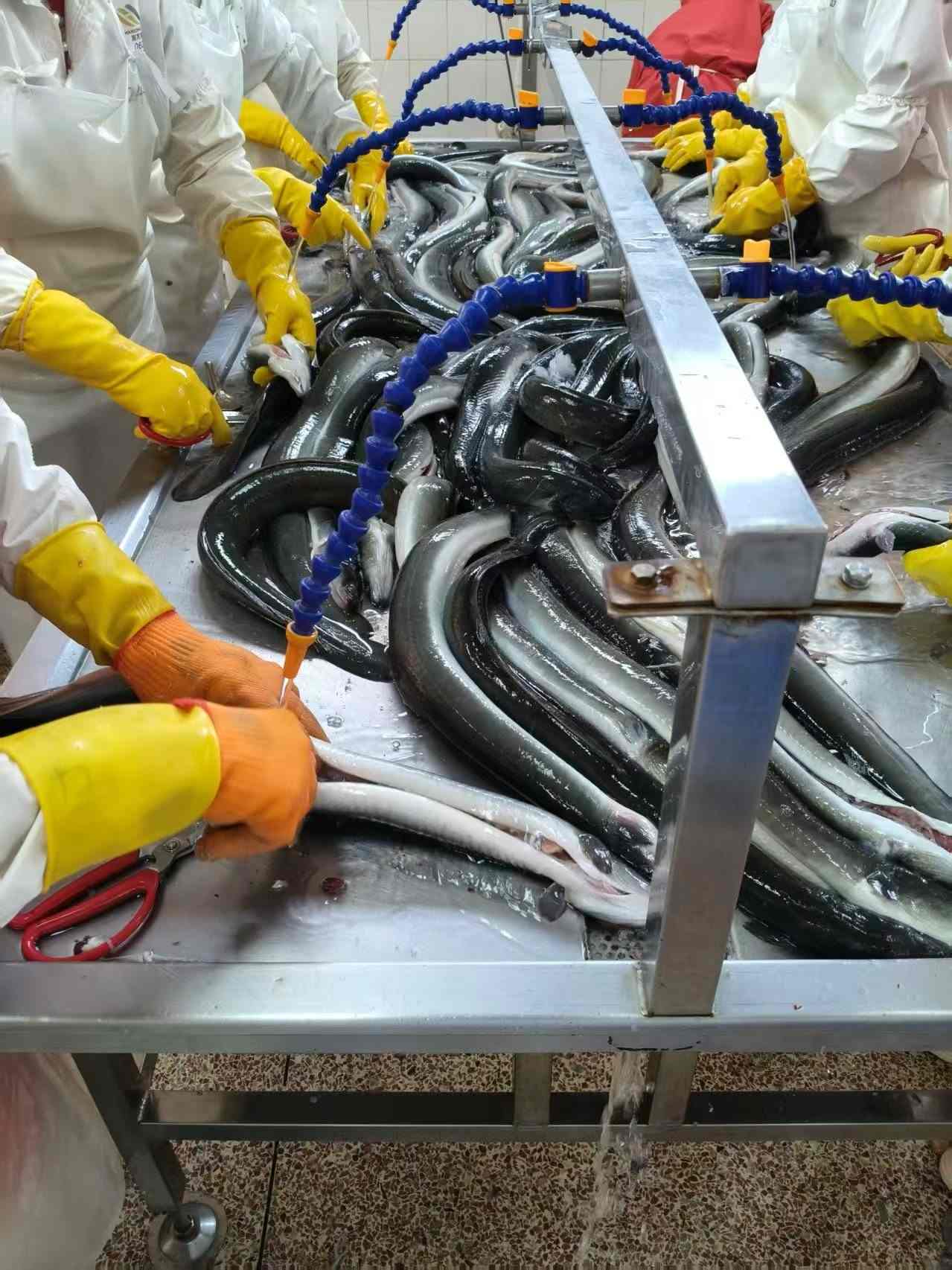
What's unagi sauce used for beyond grilled eel
A glossy brush of dark sauce can turn plain rice, sushi, or grilled fish into something deeply savory. But what’s unagi sauce really for once the eel is off the grill? The answer is broader than many home cooks and food buyers expect.
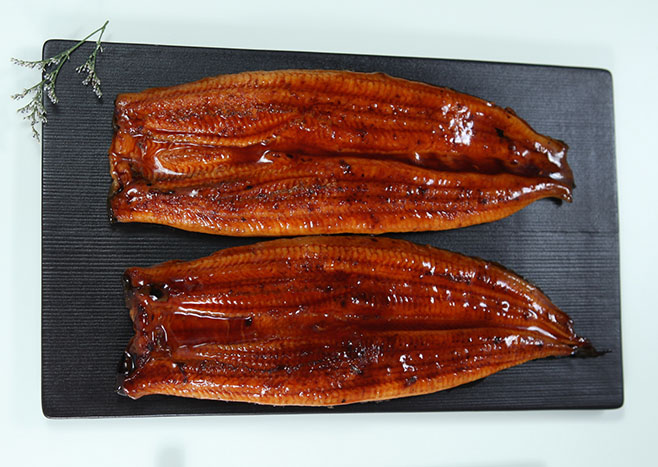
Unagi tare, often called eel sauce or kabayaki sauce, is the sweet-savory finishing sauce associated with Japanese grilled eel. It gives kabayaki its lacquered surface, roasted aroma, and rich finish. Yet its value is not limited to unagi. Used with restraint, it can bring a familiar Japanese-style profile to seafood, rice dishes, sushi, vegetables, and selected grilled proteins.
For readers asking what’s unagi sauce before ordering it or using it at home, the simplest answer is this: it is a concentrated glaze designed to add savory depth, gentle sweetness, color, and shine. Its role is different from a thin dipping soy sauce. Tare is usually applied during or after cooking, where heat helps it cling to the food.
The flavor is closely connected with umami, the savory taste associated with ingredients such as fermented soy-based seasonings, seafood, meat, and mushrooms. That is why a small amount can have a noticeable effect. More is not always better.
What unagi tare is designed to do in Japanese cooking
When people ask what’s unagi sauce, they often expect a simple ingredient list. In practical cooking, however, its function matters more than its name. A good unagi tare should coat food rather than disappear into the plate. It should also support the main ingredient instead of burying it under sweetness.
At Eelpro, our roasting process for frozen unagi kabayaki uses four precise layers of soy-sauce coating with temperature-controlled roasting steps. This approach reflects the purpose of tare in kabayaki: develop color in stages, create surface shine, and build flavor without treating sauce as a final afterthought.
For a buyer or menu developer, the conclusion is straightforward: choose unagi tare when you need a finishing glaze with body and a recognizable Japanese grilled flavor. It fits dishes that can handle a sweet-savory surface note. It does not fit every dish.
- Use it for: grilled or roasted foods, rice bowls, cooked sushi toppings, and finishing sauces for warm dishes.
- Use less of it for: delicate white fish, raw seafood, lightly seasoned soups, and dishes already high in sugar or sodium.
- Do not treat it as: a universal replacement for regular soy sauce, ponzu, vinegar dressing, or broth seasoning.
A useful rule is to apply the sauce in thin layers. Brush once, heat briefly, then assess the surface before adding more. This prevents a burnt, heavy coating and lets the food remain the focus.
Where unagi tare works beyond kabayaki eel
The best answer to what’s unagi sauce used for is found in the dish type. Traditional uses remain the safest starting point, while modern applications work when the food has enough texture and roasted character to carry a glaze.
| Dish type | Traditional or modern use | How to apply | Best fit | Limit to remember |
|---|---|---|---|---|
| Kabayaki eel | Traditional | Brush in light layers during final heating and finish with a small top coating. | Frozen unagi kabayaki, grilled freshwater eel, eel rice bowls. | Too much sauce can cover the eel’s roasted aroma. |
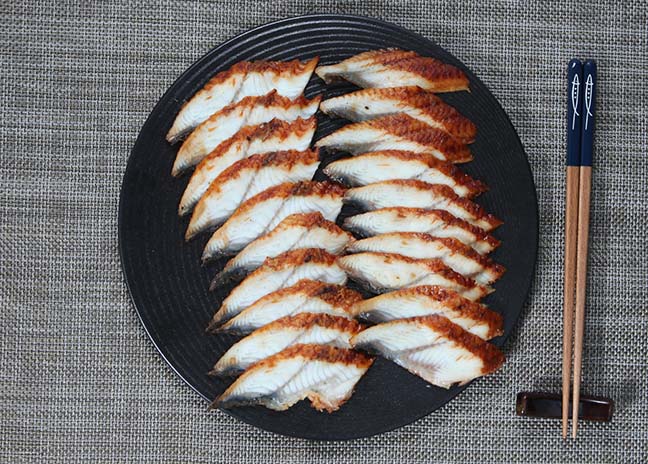
| Sushi and sushi rolls | Traditional and modern | Drizzle lightly over cooked eel, shrimp, tofu, or vegetable rolls after cutting. | Unagi nigiri, dragon rolls, cooked seafood rolls. | It is usually not suitable for sashimi because the glaze changes the clean raw-fish profile. |
| Rice bowls | Traditional | Mix a small amount into warm rice or brush over the topping. | Unadon-style bowls, grilled salmon bowls, mushroom rice bowls. | A flooded bowl can become overly sweet and soft. |
| Grilled fish | Modern extension | Brush near the end of cooking, then heat only long enough to set the glaze. | Firm fish portions and roasted seafood. | Very delicate fish may lose its natural flavor. |
| Grilled proteins | Modern extension | Use as a finishing glaze after the protein is nearly cooked. | Chicken skewers, roasted tofu, grilled mushrooms. | Check the full recipe first if other sweet sauces are already used. |
| Vegetable sides | Modern extension | Toss hot grilled vegetables with a small measured amount. | Eggplant, mushrooms, roasted squash, tofu. | Watery vegetables may dilute the sauce and make the plate messy. |
This application map matters for restaurant teams as much as for home cooks. A sushi counter may use tare as a controlled finishing sauce for cooked toppings. A casual Japanese-food menu may use it across rice bowls and grilled skewers to create a shared flavor direction. A seafood importer should still keep product applications separate: sauce designed for kabayaki-style finishing is not automatically the right seasoning for every frozen seafood item.
For menu inspiration, compare these uses with our eel rice bowl ideas and eel sushi roll recipe. Both show why warm rice, cooked eel, and a measured glaze work so well together.
How to use the sauce without making food too sweet
Knowing what’s unagi sauce is only half the job. The more useful skill is controlling the amount. The sauce should look like a glaze, not a pool around the food.
- Cook the main ingredient first. Grill, roast, pan-sear, or reheat the food until it is nearly ready. Sauce applied too early can darken too quickly.
- Brush a thin layer. Cover the surface lightly instead of pouring directly from the bottle.
- Apply heat briefly. Let the coating set over the final stage of cooking. Watch closely because sweet-savory glazes can darken fast.
- Taste before a second layer. If the food already has seasoning, one layer may be enough.
- Keep extra sauce separate. Offer it on the side for diners who prefer a stronger flavor.
The conclusion is simple: thin layers are safer than one heavy coating. This method suits kabayaki, grilled fish, chicken skewers, tofu, and warm sushi toppings. It does not apply to cold raw fish preparations, where a brushed glaze can distract from freshness and texture.
Common mistake: treating tare like a marinade. It can be used in recipe development as part of a marinade system, but its main strength is as a glaze. Long soaking may make the final dish taste one-dimensional, especially if the food will also be brushed with sauce before serving.
Cold fact: the shiny finish on kabayaki is not just decoration. A controlled sauce layer affects aroma, surface color, and how the food reads on the plate. That is why professional kitchens usually brush rather than drown the eel.
Choosing an unagi sauce for home cooking or foodservice
For early-stage buyers, what’s unagi sauce often leads to a second question: which product format makes sense? The right decision depends on whether the sauce is for a single household dish, a sushi menu, or a larger foodservice operation.
| Buying situation | Recommended selection focus | Why it fits | When it may not fit |
|---|---|---|---|
| Home cooking | Choose a sauce intended for finishing cooked food. | It is easier to use on eel, rice, tofu, and grilled fish. | Not ideal if you only need plain soy sauce for dipping. |
| Sushi restaurant | Check coating behavior, flavor consistency, and portion control. | Rolls and cooked toppings need a clean finish without excess pooling. | Not suitable as the only seasoning across every sushi item. |
| Rice-bowl menu | Test the sauce with rice and the final topping together. | The combination, not the sauce alone, determines perceived sweetness. | Do not approve a sauce based only on a spoon tasting. |
| Import or distribution | Request product specifications, packaging details, and order terms. | These details affect storage, menu use, and purchasing plans. | Do not assume one packaging format suits every channel. |
Eelpro supplies eel sauce products alongside frozen unagi kabayaki and other frozen seafood products. For import programs, buyers should confirm the intended market, product specification, packaging format, and order quantity before finalizing a quotation. MOQ is negotiable according to product specifications and packaging formats.
For buyers who also need cooked eel, pairing tare with a consistent kabayaki product can simplify menu testing. Review our unagi kabayaki product information when building a rice bowl, sushi, or grilled-eel offering.
Frequently asked questions about unagi tare
Is unagi sauce only for eel?
No. What’s unagi sauce best known for is grilled eel, but it can also be used on cooked sushi toppings, rice bowls, grilled fish, tofu, mushrooms, and selected grilled proteins. The limit is flavor balance: it works best with foods that benefit from a sweet-savory glaze.
Can unagi tare be used on sushi?
Yes, especially on cooked eel sushi, cooked shrimp rolls, and vegetable rolls. Use a light drizzle after the roll is cut. It is generally not the preferred choice for raw sashimi because its sweetness and body can mask the fish.
Should I heat unagi sauce before serving?
For hot dishes, applying it during the final cooking stage helps it cling and develop a glossy finish. For sushi rolls or already cooked foods, a light room-temperature drizzle can work. Avoid prolonged high heat, which may make the surface too dark.
Is eel sauce the same as teriyaki sauce?
They may overlap in sweet-savory character, but they are not automatically interchangeable. What’s unagi sauce intended for is a kabayaki-style glaze, while teriyaki sauces vary widely by recipe and use. Test the sauce with the actual dish before changing a menu recipe.
What should import buyers ask a supplier?
Ask for product specifications, ingredient and allergen information where applicable, packaging details, storage guidance, target-market documentation, MOQ, and lead time. Eelpro’s regular order delivery time is approximately 30 days from order confirmation to shipment, with timing negotiable by specification and quantity.
What’s unagi sauce at its best? A controlled finishing touch that makes grilled food feel warmer, richer, and more complete without overpowering the ingredient underneath.
If you are planning an eel, sushi, or Japanese-food menu, request selection advice or a product quotation for the sauce and kabayaki format that fits your application.