


Is Eel Sauce Made From Eels? Myths Explained
Picture a glossy unagi rice bowl arriving at the table. The sweet brown glaze catches the light, and someone asks the question that confuses diners, chefs, and even new buyers: is eel sauce made from eels? Usually, no. Its name comes from the dish it accompanies, not necessarily from an eel-based ingredient list.
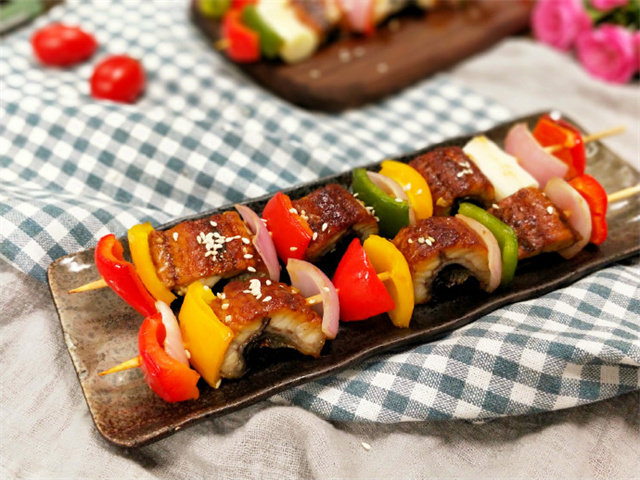
The short answer matters because “eel sauce” is used in several ways. A restaurant may use it as a finishing glaze for grilled eel. A retail bottle may sell it as a multipurpose sweet soy sauce. A foodservice buyer may need a formula that meets an allergen, vegetarian, halal, or destination-market requirement. The product name alone cannot answer those questions.
This guide explains the unagi sauce meaning, why the name persists, how traditional and commercial products differ, and what restaurants, importers, and distributors should request before approving a sauce for sale or service.
The name refers to the dish more than the ingredient
So, is eel sauce made from eels in the way fish sauce is made from fish? In most retail and foodservice contexts, the answer is no. Eel sauce, also called unagi tare, is commonly a sweet-savory sauce built around soy sauce, sugar or another sweetener, and mirin, sake, or similar seasoning components. It is associated with grilled eel because it is brushed onto unagi during roasting and served with kabayaki dishes.
The phrase “eel sauce” can therefore describe use, not composition. Think of it as a sauce for eel rather than a sauce extracted from eel. This naming pattern is especially common in sushi menus, where a brown glaze may be called eel sauce even when it is also served on rolls, rice bowls, tofu, vegetables, or grilled seafood.
That distinction is useful for menu planning. A sushi bar can describe a sauce accurately as “sweet soy glaze” when it wants to avoid diner confusion. A packaged-food buyer, however, should use the supplier’s formal product name and declared ingredients rather than a casual menu term.
Traditional unagi grilling can involve repeated brushing during roasting. The sauce may be replenished and maintained as part of a restaurant’s house preparation. That does not mean every traditional-style sauce contains eel. Some kitchen practices may include cooking juices or drippings, while many prepared sauces do not. The only reliable answer is the formula and label for the specific item being purchased.
For a closer look at the paired product, see our unagi kabayaki product information.
Why the same brown glaze appears on sushi, eel, and other dishes
Is eel sauce made from eels when it appears on a sushi roll that contains no eel? Again, not necessarily. This is where the restaurant name creates the biggest myth. Sushi eel sauce is often used as a familiar menu shorthand for a thick, sweet, soy-forward glaze. It may finish a dragon roll, a vegetable roll, cooked shrimp sushi, grilled salmon, or tempura.
The expected eel sauce flavor is generally sweet first, savory second, with salt from soy sauce and a rounded roasted character when heated on food. Its thickness helps it cling to a warm surface rather than run into the rice. That is why diners often see a shiny ribbon on top of a roll instead of a thin dipping sauce pooled on the plate.
| How the sauce is used | What the buyer should prioritize | What can go wrong if it is mismatched |
|---|---|---|
| Grilled unagi kabayaki | Flavor balance after heating, brushability, and compatibility with the eel roasting process | A sauce that is too thin may not coat evenly; an overly sweet profile can hide the natural roasted eel taste. |
| Sushi roll finishing | Controlled pourability, visible gloss, and a flavor that does not dominate rice and fillings | A heavy coating can make rolls messy, soften crisp toppings, and create an overly sweet first bite. |
| Rice bowls and meal kits | Portion consistency and performance after reheating | Inconsistent sachets or an unsuitable sauce level can cause uneven customer experience across portions. |
| Vegetarian menu items | Documented ingredient statement and a separate vegetarian suitability review | Assuming that a sauce is plant-based from its name can create a menu-description or dietary-compliance problem. |
| Imported retail sauce | Destination-market label review, allergen information, and supplier specifications | A buyer may face relabeling work or reject stock if the documentation does not fit local requirements. |
A useful cold fact: “eel sauce” is not a protected promise that the bottle contains eel, and it is not a protected promise that it does not. Product naming conventions vary. Ingredient disclosure decides the issue.
Which label parameters actually affect a sauce buying decision
For procurement teams, asking only is eel sauce made from eels is too narrow. The better question is: what does this formula contain, how is it declared, and does it fit the intended menu and market? The following parameters have direct operational consequences.
| Parameter to verify | What it affects in practice | Risk when the buyer gets it wrong | Action before approval |
|---|---|---|---|
| Full ingredient list | Whether the product matches menu wording, dietary claims, and customer expectations | A sauce marketed internally as vegetarian may contain an ingredient that does not fit the claim. | Obtain the current label artwork and written ingredient specification for the exact SKU. |
| Allergen declaration | Front-of-house communication, importer documentation, and customer safety controls | Staff may provide incorrect information to diners or a retail label may need correction. | Review the declaration under the rules of the destination market. For US shipments, consult allergen labeling guidance alongside the product documents. |
| Fish-derived ingredients | The answer to whether the particular sauce includes eel or other fish components | The product can be wrongly represented as fish-free or vegetarian. | Ask the supplier directly whether any fish, eel extract, broth, drippings, or fish-derived seasoning is included. |
| Sweetness and salt profile | Portion control, pairing with rice, and final dish balance | Kitchen staff may compensate with inconsistent portions, increasing waste and changing plate presentation. | Conduct a heated application test on the intended dish, not just a cold spoon test. |
| Viscosity and dispensing format | Whether the sauce can be brushed, poured, drizzled, or packed in meal-kit sachets | Poor flow causes slow service; excessive flow makes rolls look untidy and can affect packing. | Test the actual bottle, pouch, or bulk format with the planned dispenser. |
| Batch code and shelf-life statement | Stock rotation and traceability through the distributor channel | Mixed batches are harder to track if a customer query or quality review occurs. | Confirm how batch identification appears on each sales unit and outer case. |
This technical check is not paperwork for its own sake. It protects a menu claim, a retail label, and a repeat purchase. It also prevents a simple name from becoming an expensive assumption.
Traditional tare and commercial eel sauce are not always identical
Is eel sauce made from eels in a traditional grill shop? It can depend on the kitchen’s own method. Some establishments maintain a long-used tare and may incorporate cooking juices from grilled eel. Others use a soy-based glaze without eel-derived material. Neither practice can be assumed from the words “traditional,” “Japanese style,” or “unagi sauce.”
Commercial formulations are often designed for repeatable flavor, filling, packing, and distribution. This is practical for restaurants with several locations, foodservice distributors, and retail programs. A standardized sauce lets buyers train staff around one taste profile and one serving method. Still, standardization does not replace label review.
At Eelpro, sauce sourcing can be discussed alongside frozen roasted eel requirements, including the application needs of kabayaki programs. Our eel processing uses a four-layer soy-sauce coating process for roasted eel, while sauce specifications should always be confirmed for the item and packaging format under quotation. Learn more about our eel sauce options and how they relate to prepared eel applications.
For import programs, document control matters as much as taste. Eelpro holds ISO 22000:2018, HACCP, HALAL certification, an Export Food Producer Registration Certificate, and an SC Food Production License. We also operate an in-house laboratory and use metal detectors at critical control points. These systems support product control, but buyers should still approve the final specification and labels required for their own sales market.
How restaurants and importers should verify a sauce before buying
If your team needs a straight answer to is eel sauce made from eels, use a document-first process. Do not rely on a product photo, a distributor category, or a menu description.
- Define the intended claim. Decide whether you need a general sushi glaze, a sauce specifically paired with unagi, a fish-free item, or a vegetarian item. These are different purchasing requirements.
- Request the current ingredient statement. Ask for the exact SKU, not a generic catalog description. Check every ingredient and any processing aids or flavoring descriptions where applicable.
- Ask a direct fish-content question. Put it in writing: “Does this formula contain eel, fish extract, fish broth, eel drippings, or any other fish-derived ingredient?” Save the reply with the specification.
- Review allergen and market labeling. Match the document to the laws and language requirements of the destination market. This step is especially relevant for importers serving multiple countries.
- Run a use test. Heat the sauce on grilled eel, drizzle it on a sushi roll, and test it on the finished meal-kit format if relevant. Evaluate flavor, coating behavior, and portion control.
- Approve the label and batch-control process. Confirm what information appears on individual units and outer cartons before the purchase order is released.
This process fits chain restaurants, importers, and distributors. It may be more than a small independent restaurant needs for a one-off local bottle purchase, but the ingredient check still applies. A smaller buyer can at minimum read the label, retain a photo of it, and ask the supplier about fish-derived ingredients before making a vegetarian claim.
Common buying mistakes that create avoidable menu problems
- Assuming “eel sauce” means eel is present. This can mislead customers and purchasing teams. Read the formula rather than interpreting the product name literally.
- Assuming soy sauce automatically means vegetarian. A soy-based base does not settle the issue. A vegetarian eel sauce must be verified from the full ingredient statement and supplier confirmation.
- Using one sauce for every application without testing. A glaze that works on kabayaki may be too strong for delicate sushi or too thick for a meal-kit nozzle.
- Making “fish-free” or “vegetarian” menu claims from memory. Staff turnover and formula updates happen. Keep the approved specification accessible to managers and menu teams.
- Ignoring the heated tasting test. Eel sauce flavor changes when warmed on roasted food. Evaluate it as customers will eat it.
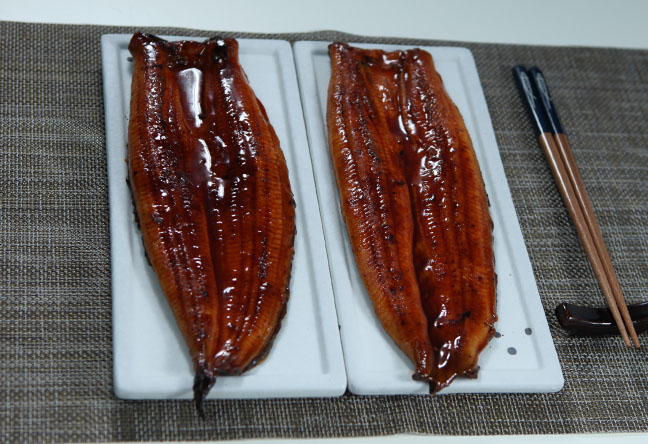
- Confusing the sauce with the eel product. Frozen unagi kabayaki and bottled sauce have separate ingredient and labeling reviews, even when they are supplied as a pair.
For kitchens that want practical serving ideas after selecting a sauce, our eel rice bowl toppings guide shows ways to build a more balanced donburi. Sauce should support the dish, not bury it.
When vegetarian eel sauce is the right choice and when it is not
A vegetarian eel sauce can be a sensible option for plant-based sushi rolls, vegetable rice bowls, tofu dishes, and mixed menus where one sweet glaze must work across several items. It can also simplify kitchen handling when a restaurant wants to avoid a fish-derived ingredient in that sauce category.
But vegetarian suitability does not automatically mean the sauce is best for every unagi program. A restaurant that wants to reproduce its own established grilled-eel flavor may prefer a formula selected specifically through side-by-side tasting with its unagi. The conclusion is simple: choose the dietary profile first, then confirm that the taste and application performance meet the menu requirement.
Is eel sauce made from eels is therefore not a yes-or-no question until a specific product is identified. In many cases, it is a sweet soy-based glaze named for its place beside unagi. In some traditional settings, preparation methods may differ. For commercial buying, the label, supplier specification, and written confirmation are the evidence that matters.
Request a sauce and frozen unagi specification from Eelpro to compare ingredients, packaging, and application needs for your market.