


Kabayaki Unagi Delivers Bold Soy Flavor While Shirayaki Showcases Pure Eel Taste
Why does kabayaki unagi taste nothing like shirayaki, even though both start from the same fish? Seafood distributors and foodservice buyers ask this constantly. The answer sits in four layers of soy glaze, a different grilling sequence, and a texture outcome that changes how the fish performs on a plate. Get the distinction wrong on a purchase order, and you'll receive product that doesn't match your menu photos or your customer's expectations.
What Actually Separates Shirayaki from Kabayaki Unagi
Shirayaki means "white roast." The eel is butterflied, deboned, and grilled plain — no soy, no sugar, nothing between the flame and the flesh. In our facility, this preparation is judged against an internal "white-roasted color" standard, which defines doneness purely by fat rendering and surface dryness, not by sauce color. It's the cleanest expression of the fish, usually served with a dab of wasabi or a light soy dip on the side.
Unagi kabayaki, on the other hand, is built in layers. The fillet goes through four soy-sauce coating passes, each one checked against a 1st- through 4th-coating color standard before it moves to the next temperature-controlled step. That sequence is what produces the glossy mahogany skin and the caramelized sweetness buyers expect from kabayaki eel. This is Japanese eel preparation at its most technical — small timing errors at any coat change the final flavor dramatically.
The Technical Breakdown: What Each Roasting Parameter Actually Controls
Buyers rarely ask what each production step actually does to the finished product — until a shipment arrives with the wrong texture or an off smell. Here's what matters and what happens when a supplier skips it.
| Parameter | What It Controls | Risk If Done Wrong |
|---|---|---|
| White-roasted color benchmark | Fat rendering and surface dryness in shirayaki | Greasy mouthfeel, mushy texture after thawing |
| 4-layer soy-sauce coating | Glaze depth and color stability of kabayaki unagi | Thin flavor, pale uneven color batch to batch |
| Temperature-controlled steps between coats | Prevents the sugar in the tare from scorching | Bitter, over-dark sauce or sauce that never sets |
| Patented low-fat roasting & deodorizing process | Removes muddy/fishy odor, trims excess fat | Off-smell complaints, higher fat content that can affect import acceptance |
| Cutting specification (whole, 3-section, sushi slice) | Portion consistency for the target dish | Uneven plating in sushi bars, soup bowls, or bento trays |
This is also why we maintain patented low-fat roasting and deodorizing equipment rather than relying on manual timing alone — a half-degree miss at the third coating stage is enough to shift the glaze from glossy to burnt.
Flavor, Texture, and Visual Differences Buyers Should Expect
| Attribute | Shirayaki | Kabayaki Unagi |
|---|---|---|
| Sauce | None, or served as a dip | 4-layer soy-based tare glaze |
| Aroma | Clean, light char, oceanic | Sweet, caramelized soy with mild smoke |
| Texture | Firmer, slightly drier bite | Moist, sticky-glossy surface |
| Color | Pale golden-white | Deep mahogany-brown |
| Typical use | Sushi, kaiseki, dishes that showcase fish quality | Donburi, grilled skewers, retail ready-to-heat packs |
If a menu leans on umami as its selling point, shirayaki carries that message better — there's no sauce masking the eel itself. If the goal is a photogenic, sweet-savory dish for donburi or bento, eel sauce-coated kabayaki wins almost every time. Browse our donburi ideas for serving inspiration once the product lands in your kitchen.
Which Preparation Fits Your Menu — A Buyer's Decision Checklist
- Sushi bar or kaiseki menu: choose shirayaki, paired with housemade wasabi or ponzu, to let the fish quality speak.
- Donburi, bento, or casual dining: choose kabayaki unagi — it's already sauced and heats evenly from frozen.
- Foodservice wanting lower back-of-house labor: request deboned, standardized-cut kabayaki eel; it cuts prep time compared to whole-fish handling.
- Retail or gift channel: ask about skin-packaging or gift-box formats, both available on kabayaki lines.
- Markets with strict cold-chain requirements: confirm the supplier runs dedicated cold storage — our facility holds a 1,000-ton capacity, which keeps glaze texture stable from port to plate.
None of these rules are absolute. A shirayaki-forward sushi concept can still run a kabayaki special for a donburi promotion — the point is matching the preparation to what the dish needs to communicate.
Common Sourcing Mistakes When Importing Kabayaki Eel
- Treating "unagi kabayaki" as one fixed SKU. Cut (whole fillet, 3-section, sushi slice) and coating count both change flavor and shelf behavior — confirm the spec sheet before ordering.
- Skipping residue and microbiological test reports. Products meant for Japan, US, or EU buyers must meet those markets' veterinary drug residue and microbiological standards; ask for lab documentation tied to each shipment, not a generic certificate.
- Not verifying cold-chain continuity. A melt-and-refreeze cycle anywhere in transit breaks down the glaze and turns moist kabayaki into something rubbery.
- Overlooking certification needs for specific markets. Buyers in Indonesia and Southeast Asia often require HALAL certification; confirm this up front rather than after the PO is signed.
- Assuming delivery timelines are universal. Standard lead time runs around 30 days from order confirmation to shipment, but this is negotiable by spec and volume — don't assume rush orders are default.
Traceability is where many buyers lose time after the fact. Every batch we ship traces back through roughly 20 customs-registered eel farming bases covering over 2,150 mu, with sampling and verification logged at each stage. Our in-house laboratory and metal detectors at critical control points back that chain up with actual test data, not paperwork alone.

Where Flavor Science Meets the Glaze: The Role of the Tare
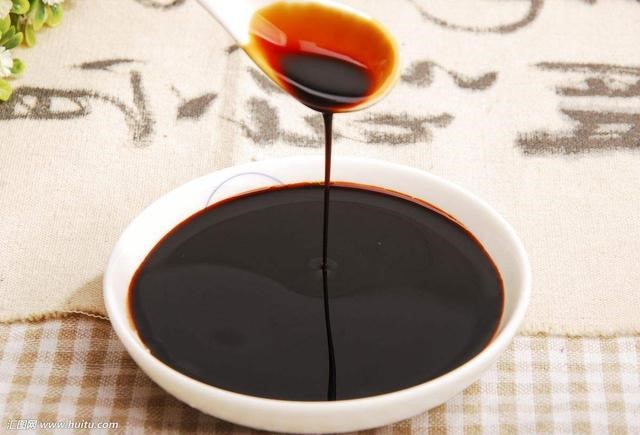
The sauce itself deserves its own attention, because a weak tare undermines even a well-roasted fillet. A traditional kabayaki sauce relies on the Maillard reaction between soy proteins and sugars during each grilling pass — that's what builds the deep color and roasted-sweet aroma, not just the soy sauce itself. If a supplier rushes the coating steps or uses a single thick dip instead of four controlled layers, the sauce burns on the outside while staying thin in flavor underneath. This is one reason shirayaki vs kabayaki decisions often come down less to "which tastes better" and more to "which process was actually followed correctly."
Matching Supplier Capability to Your Order Volume
Scale matters more than buyers expect. A kitchen testing a new menu item needs a small, flexible MOQ. A national chain rolling out a kabayaki donburi promotion needs guaranteed volume and consistent color standards across every batch. Our two production lines cover both frozen roasted eel and deep-processed aquatic products, with a combined annual capacity of 4,000 tons — enough to support everything from a trial order to an ongoing restaurant chain contract, which is the kind of supply relationship we've maintained with Japanese restaurant chains sourcing kabayaki eel long-term. US importers sourcing both unagi kabayaki and eel sauce, and EU buyers requiring documented veterinary residue compliance, work within the same production and QC framework — it's export-grade standards applied consistently, not adjusted by market.
For teams building out new menu items, our guide on cleaning, skinning, and deboning eel is worth reviewing alongside your sourcing decision — it shows exactly what back-of-house labor you're saving when you order pre-processed unagi kabayaki from a specialized manufacturer instead of handling raw fish on-site.
A Quick Gut-Check Before You Place the Order
Before finalizing a PO, run through this short list:
- Confirm the cut spec matches your dish — sushi slice is not the same product as a 3-section cut for soup.
- Ask which coating-layer standard was used, and request a sample photo under consistent lighting.
- Check that lab reports cover the specific residue limits for your destination market, not a blanket certificate.
- Verify cold storage capacity and transit plan match your shipping lane.
- Clarify lead time in writing — 30 days is typical, but spec complexity changes that number.
None of this replaces a physical sample evaluation. Color standards and sauce depth are hard to judge from a spec sheet alone, which is exactly why most serious buyers request one before committing to volume.
If you're weighing kabayaki unagi against shirayaki for an upcoming menu or import order, request a sample or spec sheet from our team — we'll walk through cut options, coating standards, and cold-chain details specific to your destination market.