

Is Unagi Healthy for Children and Pregnancy?
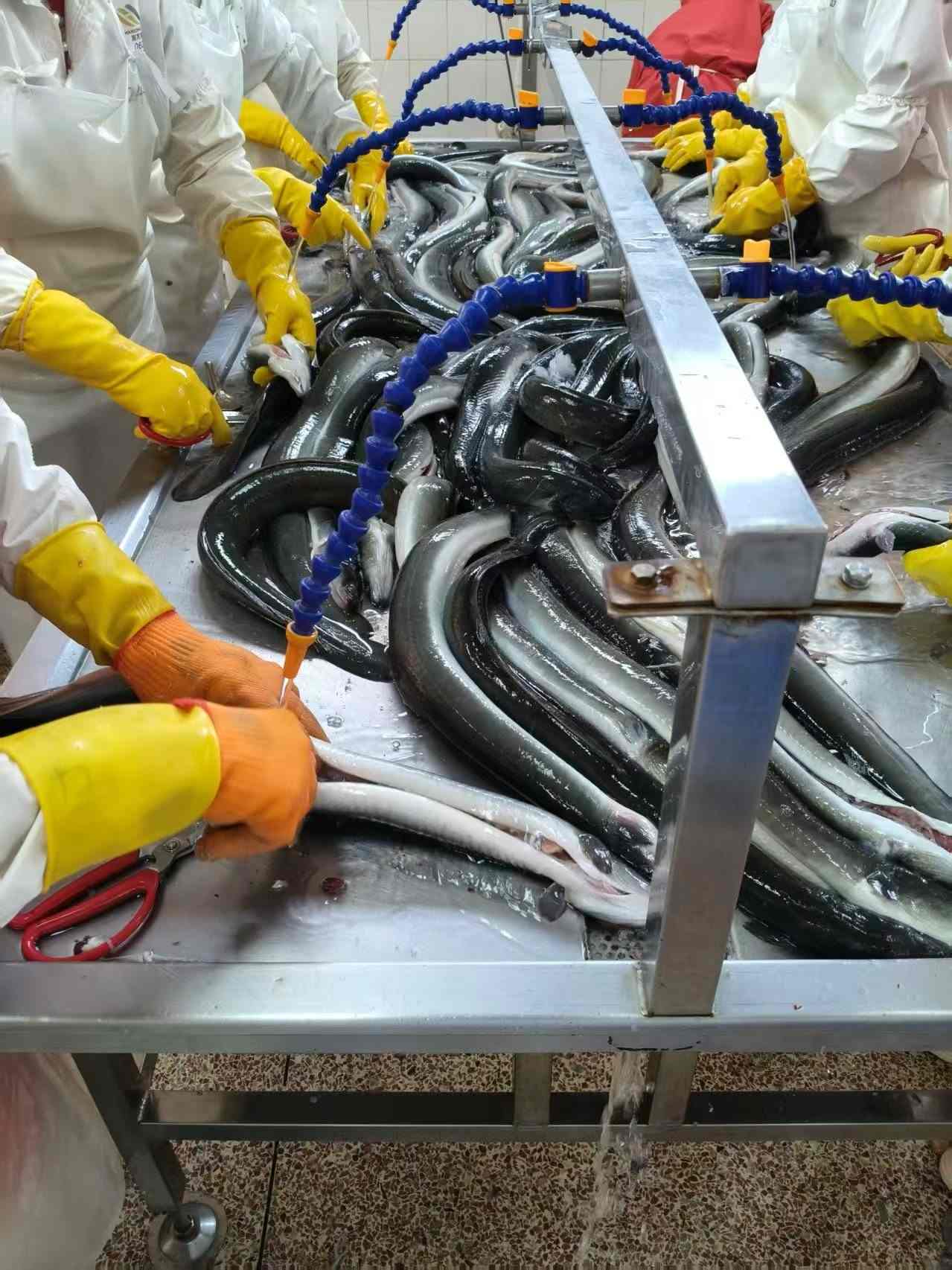
Unagi is freshwater eel, often grilled with a sweet-savory kabayaki glaze. Is unagi healthy for children and pregnant people? It can be, depending on the species, cooking method, portion size, sauce, and the person eating it. A glazed eel rice bowl can fit into a balanced meal, but it is not a food to eat without considering those factors.
What Makes Unagi Nutritious?
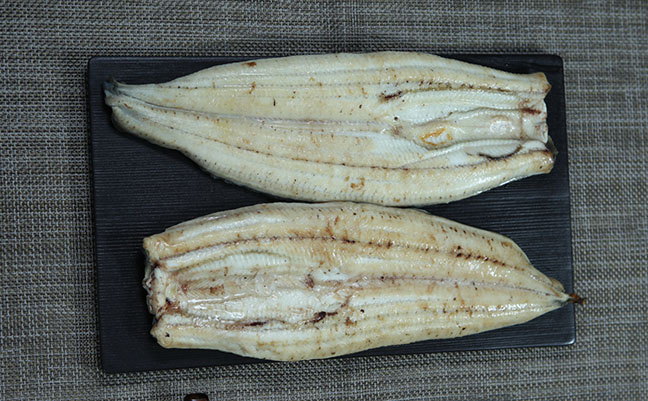
Unagi is a rich, oily fish with a soft texture and savory flavor. It can provide protein and fish-based nutrients as part of a varied diet. For families, eel may be an appealing alternative to heavily processed meats or fried snacks.
Cooking method matters. Grilled or baked unagi is different from eel that is deep-fried or covered in a generous amount of sauce. Kabayaki is usually served with a sweet soy-style glaze, so it helps to consider the fish and the sauce separately.
Protein and fish nutrients
Protein supports growth in children and helps adults maintain muscle. Fish may also contribute nutrients people often seek in their diets, including vitamin D, vitamin B12, and fats associated with fish consumption. The exact nutritional profile varies by product, recipe, serving size, and preparation.
Unagi has a naturally rich mouthfeel, which can make a modest serving feel satisfying when paired with rice, vegetables, soup, or fruit. For a family meal, balance matters more than making eel the only item on the plate.
The sauce changes the meal
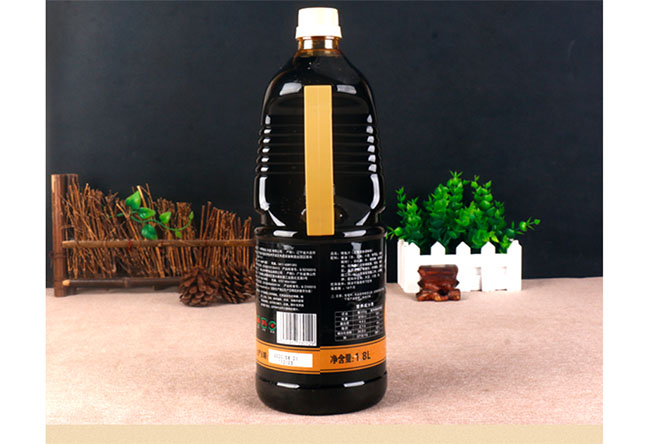
Eel sauce, also called unagi tare, gives the dish its familiar glossy finish. It can also add sweetness and sodium. Children who enjoy the fish may not need a heavy pour of sauce, while adults watching sodium or sugar intake may prefer a lighter coating.
When planning a menu, treat the fish and glaze as two separate parts of the dish. Our eel sauce products can help foodservice buyers and home cooks plan the flavor separately from the eel portion.
Unagi for Children: Can Children Eat Unagi Safely?
Can children eat unagi safely? In many cases, children can eat properly handled and fully cooked unagi as part of a varied diet. The practical considerations are age, texture, allergies, bones, sauce, and how the product was stored and reheated.
Start with texture and supervision
Young children may find soft eel easy to chew, though eating skills develop at different rates. Remove visible bones, check the texture carefully, and serve small, manageable pieces. A child should eat while seated and supervised.
Do not offer raw or undercooked eel to a child. Choose a product clearly intended to be cooked or reheated, then follow the package directions. The center should be fully cooked and piping hot before serving. Let the food cool to a child-safe eating temperature after heating.
Watch the first serving
If eel is new to your child, begin with a small amount and avoid introducing several unfamiliar foods at the same meal. That can make it easier to identify a possible reaction. Seek medical help promptly for breathing difficulty, facial swelling, widespread hives, repeated vomiting, or other signs of a serious allergic reaction.
Some children may be sensitive to fish. A family history of food allergy is also a reason to ask a pediatric healthcare professional for personal guidance before introducing a new fish.
Choose safe unagi portions for children
Safe unagi portions depend on the child’s age, size, appetite, overall diet, and advice from a healthcare professional. Instead of using one portion for every child, serve an age-appropriate amount alongside vegetables and a staple food.
- For a younger child, cut the eel into small, easy-to-manage pieces.
- For an older child, pair a moderate serving with vegetables and rice rather than extra sauce.
- For a child who eats fish regularly, vary the fish choices instead of repeating the same species every day.
- Keep the glaze light if the child already eats many salty or sweet foods.
This is the main point of unagi health by age: eel may be suitable, but the serving style should change with the child’s development.
Unagi During Pregnancy: Is It a Good Choice?
Is unagi healthy during pregnancy? Properly cooked unagi may fit into a pregnancy diet, but pregnant people should take extra care with food safety, fish advisories, serving frequency, and preparation. Pregnancy changes the risk considerations around raw, undercooked, chilled, and poorly handled foods.
Cooked is the key word
Pregnant people should avoid raw or undercooked eel. Choose cooked unagi from a reliable supplier and handle it according to the product label. Reheat it according to the package instructions, keep preparation surfaces clean, and do not eat a product stored outside the recommended conditions.
A restaurant dish deserves the same questions. Ask whether the eel is fully cooked and served hot. If staff cannot answer clearly, choose another dish. A glossy sauce does not prove that the fish has reached a safe cooking state.
Mercury advice varies by location
Fish safety guidance differs by species, region, and local monitoring. Freshwater eel should not be assumed to be free of contaminants simply because it is not a marine fish. Pregnant people should check current advice from their local food-safety authority and healthcare professional, especially when eating eel frequently or when the source is unclear.
Follow local recommendations for which fish to choose, how often to eat it, and which species to limit. If you have questions about a specific unagi product, ask the seller for product information and origin details. Do not rely on the color of the glaze, the price, or the label word “fresh” as a safety test.
Pregnancy portion guidance
There is no single safe unagi portion that suits every pregnant person. Pregnancy meal planning should account for total fish intake, other potential sources of mercury, dietary restrictions, and individual medical advice.
A sensible approach is to treat unagi as one fish choice within a varied diet. Keep the serving moderate, avoid frequent repetition of the same fish when guidance recommends variety, and be mindful of the sauce. People with high blood pressure, diabetes, kidney disease, food allergies, or pregnancy complications should ask a qualified healthcare professional for tailored advice.
Unagi Health by Age: What Older Adults Should Consider
Older adults may enjoy unagi’s soft texture and rich flavor, but meal safety still matters. Appetite, swallowing ability, dental health, medication use, and chronic conditions can affect whether a particular preparation is appropriate.
Texture and bones
Inspect the eel carefully before serving. Even products prepared for convenient eating should be checked for bones or firm pieces. Older adults with swallowing difficulties should follow advice from a doctor, dietitian, or speech and swallowing specialist.
Sodium, sugar, and portion size
For some older adults, the sauce may matter more than the eel itself. People managing blood pressure or blood glucose may need a lighter glaze and a meal built around vegetables, whole grains, or another suitable staple. A healthcare professional can help match the meal to the person’s diet plan.
When serving older family members, keep the presentation simple: cooked eel, a modest amount of sauce, soft vegetables, and a familiar side dish. Avoid leaving cooked food at room temperature longer than recommended by local food-safety guidance.
How Often Should You Eat Unagi?
How often should you eat unagi? Frequency depends on your total fish intake, local fish advisories, age, health status, and the advice of your healthcare professional. There is no universal schedule that works for every household.
For most meal planning, variety is a sensible habit. Rotate unagi with other fish and seafood choices rather than building the weekly menu around one species. This also keeps meals interesting. Try pairing kabayaki with vegetables one day, using a small amount in a noodle dish another day, and choosing a different protein at the next meal.
Consider the complete dish, not only the eel. Frequent large servings of glazed eel may add more sauce, calories, sugar, or sodium than expected. Smaller servings with fresh sides can make the meal easier to fit into a balanced eating pattern.
Buying and Preparing Unagi More Safely
Good food safety starts before the pan is hot. Whether you are buying for a family kitchen or sourcing for a restaurant, check the product label and storage instructions.
- Check the product description. Confirm whether the eel is raw, cooked, smoked, or ready to reheat.
- Keep the cold chain intact. Buy frozen products from a reliable seller and return them to suitable storage promptly.
- Read the allergen information. Sauce may contain soy or other ingredients that matter to your household.
- Follow the label. Use the stated heating method, storage conditions, and use-by guidance.
- Inspect before eating. Look for bones, damaged packaging, unusual odor, or signs of thawing and refreezing.
- Serve with balance. Add vegetables and a staple food, and use extra sauce sparingly.
For buyers comparing products, our unagi kabayaki product page provides a starting point for reviewing the format and application. We also supply frozen seafood products for broader menu planning.
Cold fact: freshwater does not mean risk-free
Here is a useful food-safety reminder: “freshwater” describes where the eel lives, not a guarantee about every contaminant, handling practice, or finished product. Source, processing, storage, and cooking all matter. That is why pregnant people and families should follow current local advice instead of judging safety from the fish name alone.
When Should You Ask a Healthcare Professional?
Ask a healthcare professional before eating unagi if you are pregnant and unsure about fish choices, managing a chronic condition, taking a diet-controlled medication, or introducing eel to a child with allergy concerns.
Professional advice is especially useful when a child has a swallowing disorder, when an older adult has difficulty chewing, or when someone has reacted to fish or sauce ingredients before. A doctor or registered dietitian can consider the person’s complete diet rather than judging one food in isolation.
FAQ: Is Unagi Healthy for Different Life Stages?
Is unagi healthy during pregnancy?
Properly cooked unagi may be suitable during pregnancy, but raw or undercooked eel should be avoided. Check local fish advisories, keep portions moderate, vary your fish choices, and ask your healthcare professional about your personal situation.
Can children eat unagi safely?
Children can often eat fully cooked unagi when it is served in small, manageable pieces and checked for bones. Introduce it carefully, supervise the meal, and consider allergies, sauce ingredients, and the child’s development.
How often should you eat unagi?
There is no single frequency for everyone. Follow local fish guidance, vary the species you eat, and consider your total fish intake. If you are pregnant, caring for a young child, or managing a medical condition, ask a healthcare professional for advice.
Final Takeaway
Unagi can be part of a balanced meal for many people when it is fully cooked, sensibly portioned, and served with attention to sauce, storage, and local fish guidance. Children need age-appropriate pieces and supervision. Pregnant people need extra care with cooking and fish advisories. Older adults may need adjustments for texture, sodium, and swallowing.
For cooking inspiration, explore our guide to eel noodle soup or learn more about unagi sourcing options. Do you serve unagi to your family with rice, vegetables, or noodles? Share your favorite combination in the comments.