

What's Unagi? Unagi vs Anago on Japanese Menus
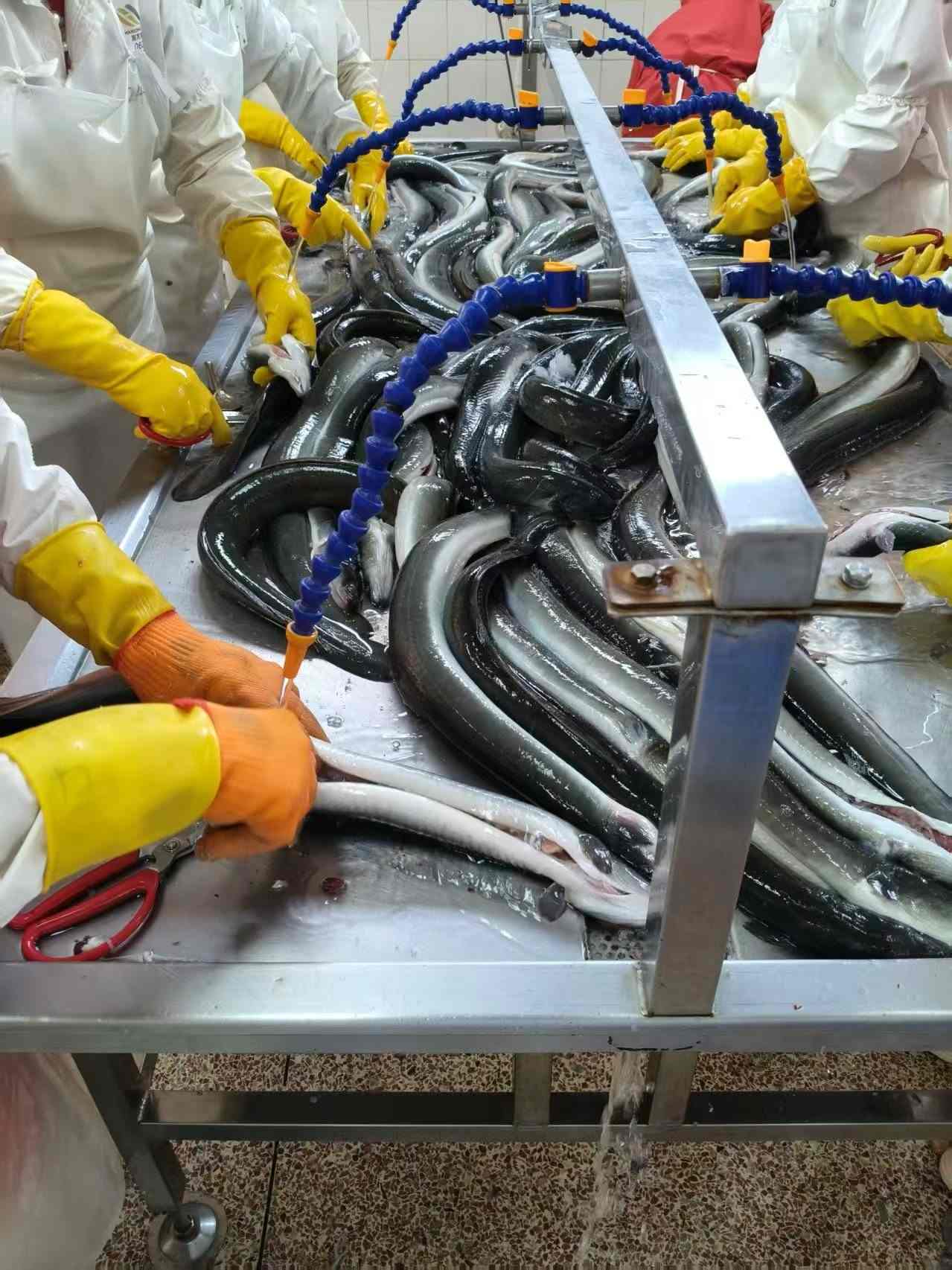
You order eel at a Japanese restaurant and see two names: unagi and anago. Both are long, dark, and delicious, but they are not the same fish. For foodservice buyers, importers, menu planners, and curious home cooks, understanding the difference can help prevent labeling mistakes and support better dish planning.
What's unagi? Unagi is the Japanese word commonly used for freshwater eel, especially eel prepared in Japanese cuisine. On menus, it usually refers to grilled freshwater eel served with a sweet-savory glaze, often in kabayaki style. Anago generally refers to a saltwater conger eel with a lighter texture and milder flavor.
The distinction begins with the water where the eel lives and extends to texture, fat content, preparation, and menu positioning. Here is a practical guide to using Japanese eel terminology correctly.
Unagi Meaning: What the Word Refers To
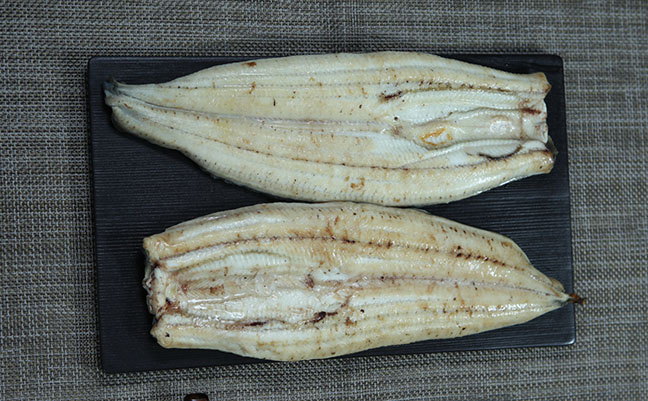
The simplest unagi meaning is “freshwater eel” in Japanese food terminology. In commercial discussions, the term normally points to eel from the genus Anguilla, including Japanese eel. The fish has a rounded body, rich flesh, and a naturally savory flavor that suits grilling well.
On modern Japanese menus, unagi is rarely served as a plain boiled or raw ingredient. Instead, it is often filleted, deboned, grilled, brushed with sauce, and grilled again. This creates the familiar kabayaki style: glossy, caramelized, fragrant, and ready to serve over rice or in sushi rolls.
For international buyers, “unagi” may describe several commercial product forms:
- Whole freshwater eels for further processing.
- Fillets prepared for cooking.
- Frozen unagi kabayaki with sauce or sauce-ready surfaces.
- Cooked eel portions for rice bowls, sushi, ramen, and prepared meals.
- Related menu ingredients sold with unagi tare, the sweet-savory eel sauce.
The name alone does not identify the product format. Buyers should still check the species, cut, cooking status, glazing, packaging, storage instructions, and labeling requirements for the destination market.
Unagi vs Anago: The Main Difference
Unagi vs anago is mainly a freshwater-versus-saltwater comparison. Unagi is freshwater eel, while anago is commonly used for saltwater conger eel, particularly in Japanese cuisine. They may look similar when filleted, but they perform differently in the kitchen.
| Point of comparison | Unagi | Anago |
|---|---|---|
| Usual meaning | Freshwater eel | Saltwater conger eel |
| Flavor | Rich, savory, and naturally full-bodied | Milder, lighter, and more delicate |
| Texture | Soft, moist, and satisfying after grilling | Lighter and more tender when properly cooked |
| Common preparation | Kabayaki, grilled eel, rice bowls, sushi | Sushi, tempura, simmered dishes, and lighter preparations |
| Typical menu role | A prominent main ingredient | A lighter topping or supporting seafood ingredient |
These are practical menu distinctions rather than absolute rules. A chef may use either eel in creative recipes, but the contrast remains useful when developing a menu or reviewing a supplier quotation.
Unagi usually holds its shape well after cooking and has enough richness to stand alongside plain rice. Anago is often selected when a menu calls for a softer, less fatty seafood profile. The sauce may differ as well. Unagi is strongly associated with a glossy tare glaze, while anago may be brushed with a lighter sauce or served with more restrained seasoning.
What Is the Difference Between Unagi and Anago?
The difference is not simply a translation choice. It reflects two eel categories with distinct culinary identities. Unagi generally means freshwater eel, while anago generally means saltwater conger eel.
For buyers, the safest approach is to confirm the species and product description rather than relying on an English name alone. “Eel” can be too broad for a purchase order, menu label, or customs document. Ask whether the product is freshwater eel or conger eel, whether it is cooked or raw, and whether the package contains sauce.
Why Is Unagi Used in Japanese Cuisine?
Why is unagi used in Japanese cuisine? The answer combines flavor, texture, cooking tradition, and menu flexibility. Freshwater eel has a rich taste that works especially well with grilling. Its flesh becomes tender while the surface develops a roasted aroma that pairs naturally with sweet-savory tare.
That balance makes it useful across several foodservice formats:
- Unadon: grilled eel over steamed rice in a bowl.
- Unaju: a similar serving presented in a lacquered box.
- Unakyu rolls: eel paired with cucumber in sushi.
- Donburi toppings: eel added to rice bowls with vegetables or egg.
- Ramen and noodle dishes: small portions used as a premium topping.
- Prepared meals: cooked portions added to bento, lunch boxes, or catering menus.
It also gives menu planners a strong sensory story. The aroma arrives before the plate does, the sauce shines under warm lighting, and rice absorbs the extra glaze. Even a modest serving can turn a simple bowl into a specialty dish.
For restaurants, prepared frozen products can support consistent portioning and easier service. Eelpro Co., LTD supplies frozen unagi kabayaki for buyers evaluating this format. Buyers can also review the company’s eel sauce products when planning a sauce-forward menu.
Japanese Eel Terminology Buyers Should Know
Japanese menus may use several terms related to eel. Understanding them can help when comparing product catalogs and restaurant descriptions.
- Unagi: freshwater eel, commonly prepared by grilling.
- Anago: saltwater conger eel, often used in sushi and lighter dishes.
- Kabayaki: a preparation in which eel is filleted, grilled, and coated with sauce.
- Unagi tare: a sweet-savory sauce used with grilled eel and related dishes.
- Unadon: a bowl of rice topped with grilled eel.
- Unaju: grilled eel served with rice in a box-style presentation.
- Unakyu: a sushi combination of eel and cucumber.
Terminology can vary by market. A retailer may write “Japanese-style grilled eel,” while a restaurant menu may simply say “unagi.” Neither phrase fully replaces a product specification. Commercial buyers should keep the culinary name and the technical product description together.
For example, a purchase description might identify the item as cooked freshwater eel fillet in kabayaki style, with or without sauce. The exact wording depends on the product and destination rules, but the principle is clear: name the fish, the preparation, and the pack form.
How Can Buyers Identify Unagi Products?
How can buyers identify unagi products? Start with the product label and supplier documentation. Do not identify an item by color alone. Grilled anago, unagi, and other eel products can look similar after cooking.
- Check the species description. Look for freshwater eel or a named Anguilla species when that information is provided. If the label only says “eel,” request clarification.
- Confirm the habitat category. Ask whether the product is freshwater eel or saltwater conger eel. This is the fastest way to separate unagi from anago.
- Review the processing style. Determine whether the product is raw, cleaned, filleted, grilled, smoked, or prepared as kabayaki.
- Check the sauce status. Some products are sold with tare, while others are suitable for adding a house sauce after reheating.
- Examine the cut and serving format. Fillets, pieces, whole fish, and ready-to-serve portions support different menu applications.
- Match the name to the menu. If the dish is marketed as unagi don, the ingredient should align with that description. Avoid substituting anago without reviewing taste, texture, and customer expectations.
- Request a sample when possible. A kitchen test can reveal how the eel reheats, how firmly it holds together, and how the sauce performs with rice.
A useful supplier conversation covers more than price. Ask about product identity, cooking stage, packaging, storage, available sauce options, and intended use. If you are sourcing several seafood categories, Eelpro also offers frozen seafood products for broader menu planning.
Buying Tips for Foodservice and Importers
Different buyers need different eel formats. A sushi restaurant may want clean portions that suit roll or nigiri presentation. A casual rice-bowl chain may focus on repeatable serving sizes and quick preparation. A distributor may need a product range covering freshwater eels, cooked kabayaki, and sauce.
Begin with the final dish, then work backward.
For a rice bowl, consider how much surface area the fillet should cover and whether the sauce is already included. For sushi, consider the cut, tenderness, and ease of slicing. For catering, consider how the product will be reheated and held before service. For retail, review front-label wording and cooking instructions carefully.
Product identity should remain clear from quotation to menu. A buyer can use “freshwater eel” in the commercial specification and “unagi” as the consumer-facing menu term when appropriate. This helps reduce confusion for purchasing teams and customers alike.
For supplier evaluation, Eelpro’s unagi kabayaki supplier page provides a starting point for buyers comparing product categories. Those exploring source and production information can also review the eel farm information and eel lab overview.
Buyer Note: The Sauce Can Hide the Difference
A heavily glazed eel fillet may look similar whether it is unagi or anago. The dark shine comes from cooking and sauce, not from the species itself. That is why appearance is a weak identification method.
Avoid this mistake: do not list an item as unagi simply because the package shows a grilled eel image. Check the written product identity. If the supplier description is unclear, ask before approving the order.
Cooking and Menu Ideas
Unagi works especially well in dishes that need a strong central flavor. Serve it over rice with sliced scallions, sesame, or a small amount of pickled vegetable. Add it to a sushi roll for a sweet-savory contrast with cucumber. Smaller pieces also work well in noodles, salads, or warm appetizers.
When using prepared kabayaki, the goal is usually to warm the eel without drying the flesh. Follow the supplier’s handling and cooking directions for the specific product. Sauce can be added before service, during reheating, or at the pass, depending on the menu style.
Home cooks looking for serving inspiration can explore eel rice bowl toppings or try an eel sushi roll recipe. For a wider introduction to preparation, the company also shares easy eel cooking methods.
Frequently Asked Questions
What is the difference between unagi and anago?
Unagi generally means freshwater eel, while anago generally means saltwater conger eel. Unagi is often richer and more strongly associated with grilled kabayaki and tare sauce. Anago is usually lighter and more delicate, making it common in sushi, tempura, and other preparations. Always confirm the species or habitat description on commercial documents.
Why is unagi used in Japanese cuisine?
Unagi has a rich flavor, a tender texture after cooking, and a natural affinity for grilling and sweet-savory sauce. It works in rice bowls, sushi, noodles, bento, and specialty dishes. Its strong aroma and satisfying texture also allow it to serve as the main feature of a dish rather than a minor garnish.
How can buyers identify unagi products?
Check whether the product is identified as freshwater eel, review the species information, and confirm the cooking style. Then check whether it is raw or cooked, whole or portioned, sauced or unsauced, and intended for foodservice or retail use. Do not rely on color or a product photograph alone.
Is unagi always served with sauce?
No. Kabayaki is strongly associated with sauce, but freshwater eel can also be used in smoked, grilled, sushi, noodle, and creative modern dishes. Buyers should confirm whether the product includes unagi tare or requires a separate sauce.
Can unagi and anago be substituted for one another?
They can be used creatively, but the result will not be identical. Unagi usually brings more richness and a stronger grilled presence, while anago offers a lighter profile. Before substituting, test the product in the finished dish and update the menu description if needed.
Final Takeaway for Buyers and Menu Planners
Unagi means freshwater eel in common Japanese food terminology. Anago generally means saltwater conger eel. The difference affects flavor, texture, preparation, customer expectations, and purchasing language.
When sourcing, identify the fish first. Then confirm the preparation, portion, sauce, and intended menu use. For international foodservice buyers, that simple checklist can help prevent a costly terminology mix-up.
Have you noticed a difference between unagi and anago at your favorite Japanese restaurant? Share your preferred preparation in the comments. If you are planning an eel menu, explore Eelpro’s kabayaki, eel sauce, and freshwater eel product information for more ideas.