

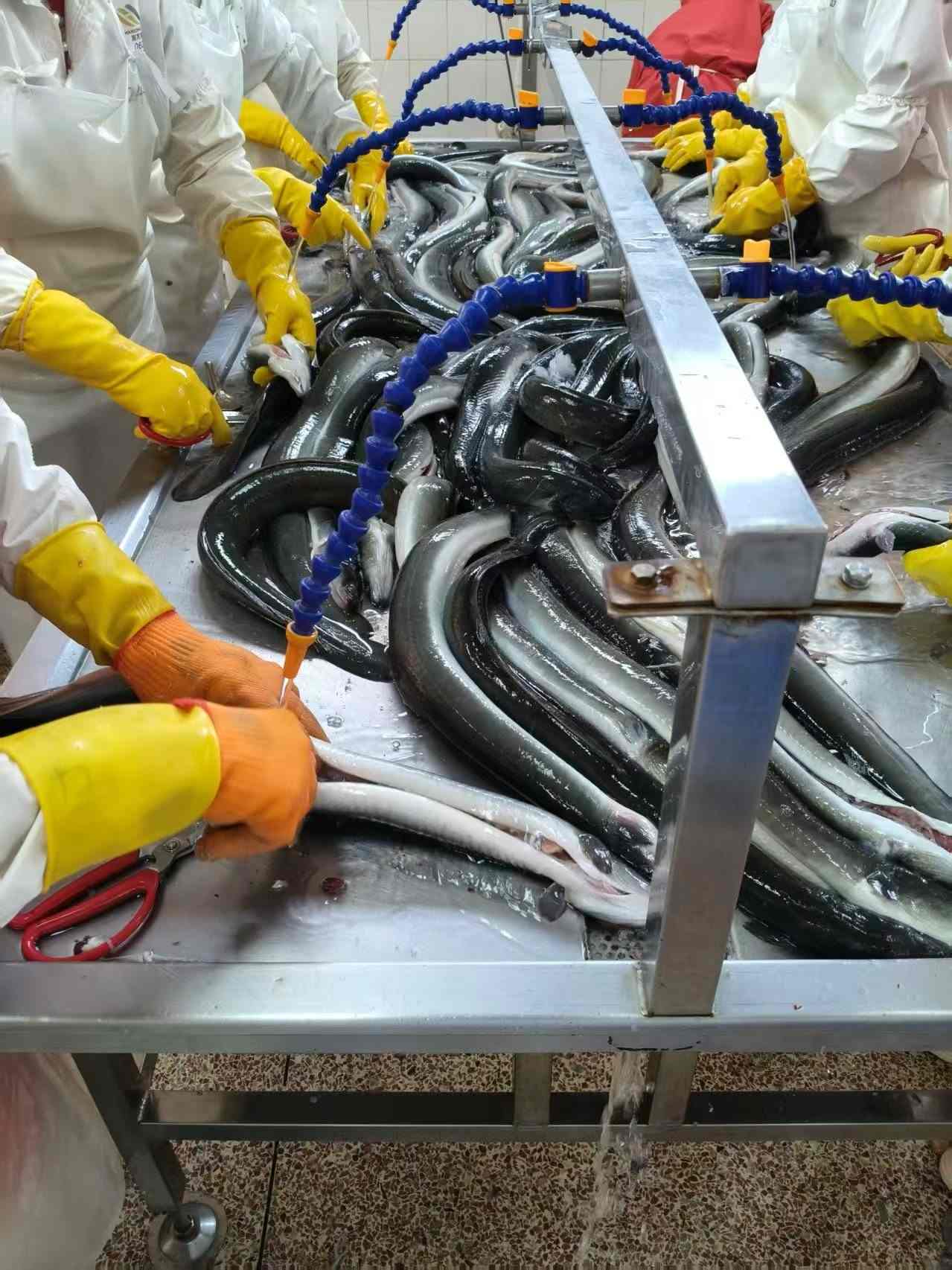
Eel in Japanese Name: Unagi, Anago, and More
The Japanese name for eel is usually “unagi,” but that simple answer can create confusion at a seafood counter. “Anago” is also translated as eel, yet it refers to a different animal with a different habitat, texture, and culinary role. For importers, restaurant buyers, and home cooks, a single Japanese menu term can change what arrives in the box.
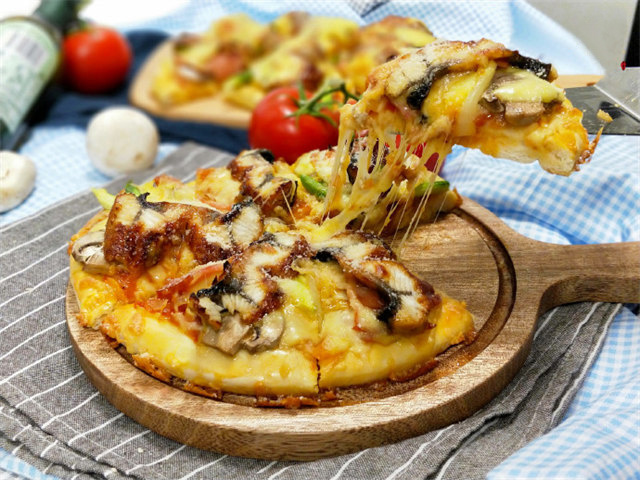
Picture a glossy fillet over warm rice, finished with a sweet-savory sauce. The flesh is soft, rich, and lightly smoky from the grill. That familiar dish is usually unagi. Now picture a lighter preparation, often associated with sushi or simmered dishes. That may be anago. Both have a place in Japanese food culture, but they are not interchangeable product names.
What Is the Japanese Name for Eel?
The most common Japanese word for eel is unagi (うなぎ or 鰻). In everyday food conversations, “unagi” normally means freshwater eel, especially eel from the genus Anguilla. In commercial menus and product descriptions, the word often refers to the type of eel used for grilled kabayaki.
For buyers, however, “unagi” is not always a complete specification. It identifies a Japanese culinary category, but not necessarily the species, origin, processing method, size, sauce, or packaging. Those details should appear separately in product documentation and on the label.
Japanese eel terminology works in layers:
- Unagi: the familiar Japanese term for freshwater eel.
- Nihon unagi (ニホンウナギ): Japanese eel, commonly used for the species Anguilla japonica.
- Anago (アナゴ or 穴子): a marine or saltwater eel category, commonly associated with conger eels.
- Hamo (ハモ or 鱧): a long, slender marine eel-like fish used in Japanese cuisine, especially in preparations requiring careful bone cutting.
- Ōunagi (オオウナギ): a Japanese name meaning “large eel,” used for certain large freshwater eel species.
These terms show why translation alone is not enough. The English word “eel” can cover several fish that Japanese buyers distinguish by species, habitat, and cooking method.
Unagi vs Anago: The Main Difference
The simplest answer to what is the difference between unagi and anago is habitat. Unagi generally refers to freshwater eel, while anago generally refers to marine conger eel. Their names, body characteristics, and typical menu applications differ.
| Japanese term | Common English category | Typical habitat | Common culinary impression |
|---|---|---|---|
| Unagi | Freshwater eel | Freshwater growth stage, although eels migrate during their life cycle | Rich, soft, fatty, and suited to kabayaki |
| Anago | Conger eel | Marine waters | Lighter, tender, and often used in sushi or simmered dishes |
| Hamo | Hamo, a marine eel-like fish | Saltwater | Delicate but bone-sensitive, often prepared with fine cuts |
In many traditional preparations, the flavor difference is also noticeable. Unagi has a fuller, oilier mouthfeel, which works well with a thick soy-based glaze and steamed rice. Anago is often presented as lighter and softer, with gentler seasoning.
These are culinary tendencies, not a substitute for a product specification. Processing can change the final eating experience. Grilling, steaming, sauce application, freezing, and reheating can all affect texture. When comparing offers, ask for the Japanese product term and the scientific or commercial species description where available.
Why Buyers Should Not Substitute the Names
A restaurant ordering unagi for rice bowls expects a product that can carry a sweet-savory kabayaki sauce. A sushi business purchasing anago may be planning a lighter topping with a different texture and appearance. Substituting one for the other can affect menu descriptions, recipe costing, customer expectations, and allergen or species records.
For a ready-to-serve format, review the cut, sauce, cooking status, frozen condition, and label language. Eelpro offers unagi kabayaki product information for buyers comparing prepared freshwater eel options.
Japanese Eel Species and Their Names
When people discuss Japanese eel species, the most familiar name is nihon unagi, or Japanese eel. The scientific name commonly associated with this term is Anguilla japonica. Japanese food culture may use a shorter market name, while trade documents may provide a more exact species name.
That difference matters. A Japanese name can describe how a product is recognized in kitchens, while a scientific name helps identify the fish in purchasing and compliance records. Both are useful, but they answer different questions.
Other names may describe a group, body size, location, or culinary form rather than a single species. For example, ōunagi literally suggests a large eel. A menu may also use preparation terms that focus on the dish rather than the animal. Kabayaki describes a preparation style: eel is cut, grilled, and coated with a sweet-savory sauce. It is not the name of a separate eel species.
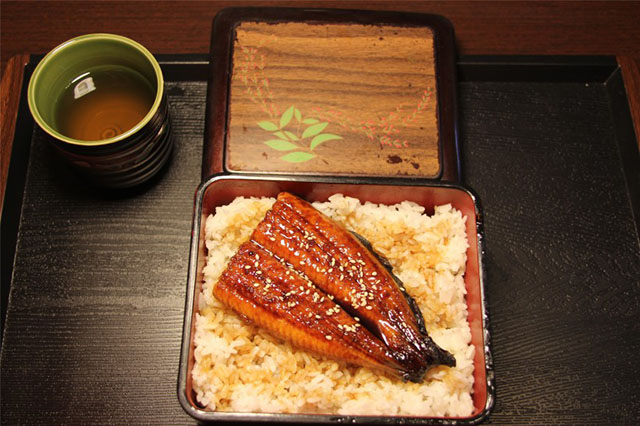
Likewise, unadon refers to eel served over rice in a bowl, while unaju refers to a similar eel-and-rice presentation in a lacquered box. The food name indicates how the eel is served, while unagi identifies the main ingredient category.
How Are Eel Species Named in Japanese?
The answer to how are eel species named in Japanese depends on the setting. Japanese names may be written in kanji, hiragana, or katakana. Seafood labels can also use a traditional food name alongside a more formal species description.
Kanji and Hiragana
鰻 is the kanji associated with unagi. The same word may appear as うなぎ, which is easier for many readers to recognize. Anago may appear as 穴子 or あなご. The written form changes, but the food category remains connected to the same Japanese term.
Descriptive Names
Japanese seafood names often include a descriptive element. A name may indicate size, habitat, season, region, or preparation. This is useful in a market, but it can create problems when translated into broad English terms.
For example, “eel” may be used as an umbrella translation for unagi, anago, and other eel-like fish. An importer should therefore compare:
- The Japanese name shown on the product or menu.
- The English commercial name.
- The scientific name, when supplied.
- The habitat category, such as freshwater or marine.
- The processing description, such as whole, fillet, cooked, smoked, or kabayaki.
This five-part check is more reliable than relying on the English word alone. It also helps food businesses keep menu language aligned with purchasing records.
Unagi Terminology for Seafood Buyers
International buyers often encounter Japanese words in supplier quotations, restaurant menus, cartons, recipes, and customer requests. A short glossary can help prevent costly misunderstandings.
| Term | Meaning for buyers |
|---|---|
| Unagi | Freshwater eel used widely in Japanese cooking. |
| Nihon unagi | Japanese eel; commonly linked with Anguilla japonica. |
| Anago | Marine conger eel, not the same category as freshwater unagi. |
| Kabayaki | Grilled eel preparation with a sweet-savory glaze. |
| Unagi tare | Eel sauce or kabayaki-style sauce served with eel and other foods. |
| Unadon | Unagi served over rice in a bowl. |
| Unaju | Unagi served over rice in a traditional box-style presentation. |
When a buyer wants a ready-to-use product, ask whether the item is already cooked and sauced or supplied as a plain frozen eel portion. Those are different purchasing needs. Eelpro’s eel sauce product page is relevant when a business wants to review the sauce component separately.
Sauce deserves attention because it strongly shapes the final dish. A thick glaze can add sweetness, salt, shine, and roasted notes. A restaurant may use it for rice bowls, sushi rolls, grilled dishes, or menu specials. For practical sauce ideas, see this guide to kabayaki sauce flavor.
Cold Fact: Unagi Does Not Mean “Only Freshwater Forever”
Here is an important point: although unagi is commonly described as freshwater eel, eels have a complex life cycle and migrate between different environments. The everyday food name focuses on the culinary category, not on a claim that the animal spends every stage of its life in one type of water.
This is one reason habitat language can be confusing. A menu may call a product unagi because it belongs to the freshwater eel category, while a biological description discusses migration and life stages. Both statements can be relevant, but they do not mean exactly the same thing.
Avoid this trap: do not assume that every fish translated as “eel” can be used in a unagi kabayaki application. Confirm the Japanese name, species description, intended cooking method, and product form before approving a substitute.
How to Read an Eel Product Description
Whether you are a food importer, distributor, chef, or home cook, start with the intended dish. A rice bowl, sushi topping, noodle soup, or grilled seafood plate may call for different formats.
- Identify the name. Is the item labeled unagi, anago, hamo, or another term?
- Confirm the habitat category. Is it described as freshwater or marine?
- Check the species information. Look for a scientific or formal commercial description where needed.
- Review the processing. Note whether the eel is raw, cooked, grilled, smoked, filleted, or sauced.
- Match the format to the menu. A prepared kabayaki portion suits a different workflow from a whole raw eel.
- Confirm the sauce plan. Decide whether the product includes sauce or needs a separate unagi tare.
For buyers evaluating a supplier, Eelpro presents its frozen eel supplier information for unagi-related sourcing. The company also supplies frozen seafood for businesses building a wider product range; see the frozen seafood selection.
For home cooks, the same principle applies in a simpler form: read the package carefully. If the label says unagi kabayaki, it is intended for a prepared Japanese-style eel dish. If it says anago, expect a different seafood category and a different traditional use.
Cooking Ideas: From Kabayaki to Noodles
Unagi works well in both quick meals and carefully planned menus. Warm rice, sliced cucumber, toasted sesame, and a small amount of sauce can make a balanced bowl. The eel adds richness, while fresh toppings provide contrast.
For a family kitchen, a prepared product can be reheated according to its package instructions and served over rice. A restaurant may use the same style of eel in sushi rolls, donburi, noodle dishes, or combination platters. Eelpro’s guide to eel noodle soup offers one route beyond the classic rice bowl.
Anago can suit menus where a lighter eel profile is preferred. It may be served with sushi rice, simmered in a gentle sauce, or included in a mixed seafood selection. The key is to preserve the distinction in the menu description. Calling anago “unagi” may seem convenient in translation, but it can mislead diners and buyers.
If you are developing several eel dishes, explore eel flavor pairings for ideas involving rice, vegetables, sauces, and other menu components.
FAQ: Eel Names in Japan
What is the Japanese name for eel?
The most common Japanese name for freshwater eel is unagi, written as うなぎ or 鰻. The term usually refers to freshwater eel used in dishes such as kabayaki, unadon, and unaju. Because “eel” is a broad English translation, buyers should check whether the product is specifically unagi rather than anago or hamo.
What is the difference between unagi and anago?
Unagi generally means freshwater eel, while anago generally means marine conger eel. Unagi is often richer and more strongly associated with grilled kabayaki and rice. Anago is commonly presented as lighter and more delicate in sushi or simmered dishes. They are different seafood categories and should not be treated as automatic substitutes.
How are eel species named in Japanese?
Eel species may be named with a traditional food term, a habitat or size descriptor, a kanji form, and sometimes a scientific name in trade documents. Nihon unagi means Japanese eel and is commonly associated with Anguilla japonica. Anago identifies a marine conger eel category, while hamo identifies another marine eel-like fish used in Japanese cuisine.
Is kabayaki a species of eel?
No. Kabayaki is a preparation style. It describes eel that is cut, grilled, and coated with a sweet-savory sauce. The ingredient is often unagi, but the word kabayaki itself does not identify the biological species.
Should an importer use “unagi” or “eel” on a product label?
Use the wording required for the target market and product regulations, while preserving the exact species and commercial description in supporting documents. If the product is unagi, state that clearly. If it is anago, do not present it as freshwater unagi. Accurate naming supports menu quality, purchasing decisions, and customer trust.
Final Takeaway for Buyers and Food Lovers
Unagi is the Japanese name most people mean when they ask for freshwater eel. Anago is a different marine eel category. Hamo is another Japanese seafood name that may be translated loosely as eel, but it has its own culinary identity. The safest approach is to read the Japanese term together with the species, habitat, and processing information.
For buyers, this small vocabulary lesson has practical value. It can help you compare quotations, approve labels, plan menus, and avoid replacing one product with another by accident. For home cooks, it makes restaurant menus easier to understand and opens the door to dishes beyond the familiar glazed rice bowl.
Which eel dish do you prefer: saucy unagi over rice, delicate anago sushi, or a creative noodle preparation? Share your choice in the comments. For more ideas, explore Eelpro’s eel rice bowl ideas and practical seafood recipes.