

Is Unagi Eel? Meaning, Species, and Menu Terms Explained
What's that caramelized, savory-sweet fillet draped over your sushi roll? Chances are, it's unagi. But is unagi eel—really? Short answer: yes, it's freshwater eel. For importers, restaurant chefs, and home cooks, getting the term right from the start means you order the right product, price it correctly, and avoid the "wait, this isn't what I expected" moment.
What Is Unagi? The Simple Answer
Unagi (うなぎ) is the Japanese word for freshwater eel. It refers almost exclusively to the species Anguilla japonica, though in some markets you'll also find Anguilla anguilla (European eel) sold under the same culinary name. The key for any buyer: unagi lives its life in rivers and lakes, then migrates to the ocean to spawn. That freshwater upbringing directly shapes its rich, fatty flesh and the way it responds to high-heat grilling.
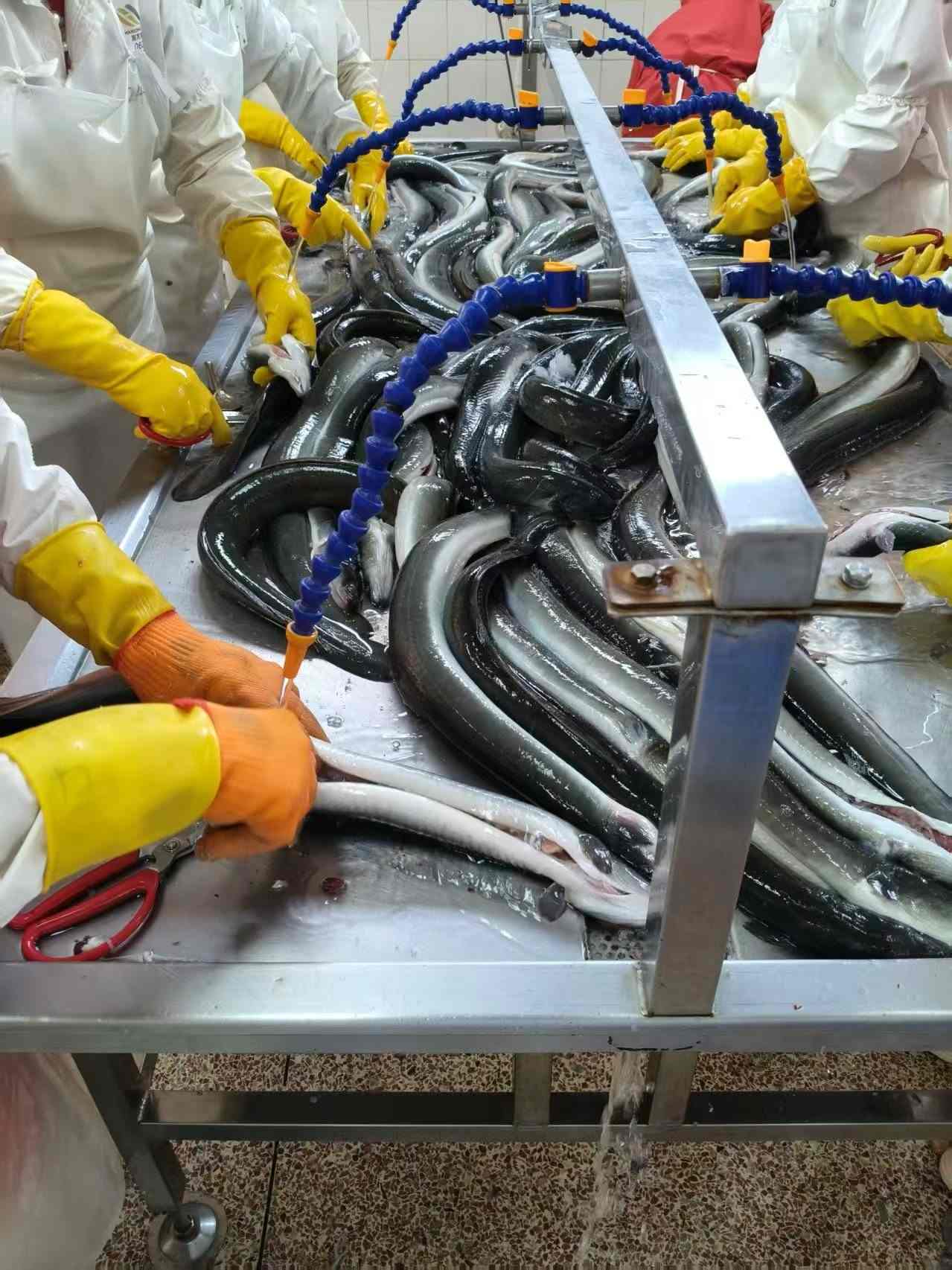
In Japanese cuisine, unagi is a prized luxury—often saved for special summer festivals because its high protein and fat content were traditionally believed to beat the heat. Today, frozen unagi kabayaki makes that luxury accessible year-round. At Eelpro, our freshwater eels are raised in a controlled environment at our eel farm, ensuring consistent size and flesh quality before they ever hit the processing line.
Unagi vs Anago: Two Eels, Two Worlds
Walk into any Japanese restaurant and you'll see unagi and anago on the menu. They're both eels, but treating them as interchangeable is a fast track to a culinary (and cost) misunderstanding.
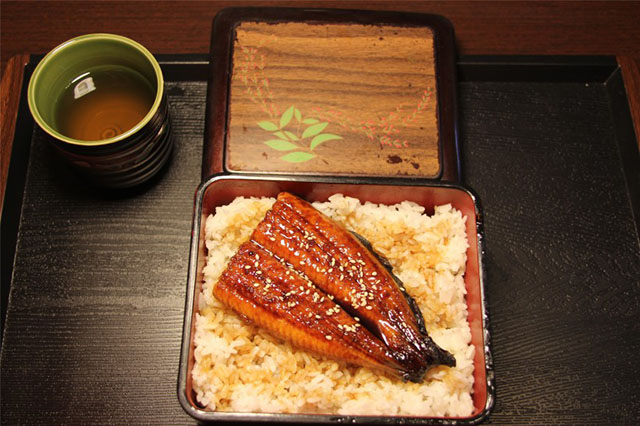
Unagi (Anguilla japonica) is a freshwater eel. It's fatty, robust, and stands up to the intense, sweet-savory lacquer of kabayaki sauce. You'll find it grilled over charcoal, basted repeatedly with unagi tare, and served with steamed rice.
Anago (Conger myriaster) is a saltwater eel. It lives its entire life in the ocean, has a much lower fat content, and a delicate, almost fluffy texture when simmered. Chefs typically serve anago without a heavy glaze—just a quick dip in a light tsume sauce or battered for tempura. Price-wise, anago tends to be more affordable, but it won't deliver the same indulgent mouthfeel that makes unagi a centerpiece. For a full spread, many importers pair unagi kabayaki with other frozen seafood options like shrimp or white fish to round out a menu.
The takeaway: unagi means bold, grilled, and glossy; anago means mild, simmered, and light. If your spec sheet says "unagi kabayaki," don't substitute anago—your customers will notice the difference in the first bite.
Unagi on the Menu: Decoding Japanese Eel Terminology
Japanese menus love specific names. Knowing a few terms turns confusion into confidence, whether you're writing a product description or just placing an order for dinner.
- Unagi no Kabayaki – The star: butterflied freshwater eel, skewered, grilled, and glazed with a sweet soy-based sauce. This is the format you'll find in frozen unagi products shipped worldwide.
- Unadon / Unaju – A bowl of rice topped with kabayaki eel. Unadon uses a standard bowl; unaju comes in a lacquered box, often with double layers of eel and rice.
- Hitsumabushi – Nagoya-style unagi where the eel is chopped, mixed into rice, and enjoyed three ways: plain, with condiments, and as ochazuke (with tea or broth).
- Unagi Tare – The eel sauce itself. A reduction of soy sauce, mirin, sugar, and sake—thick enough to cling to the fillet and caramelize under the broiler. Getting the sauce right is half the battle; our eel sauce product page and kabayaki sauce guide show you exactly why consistency matters.
- Shirayaki – Unagi grilled without any sauce. It lets the pure eel flavor through and is often served with a dab of wasabi. A rare find, but some buyers request it for custom menu items.
Mastering this Japanese eel terminology not only helps you order with precision; it signals to your own customers that you know your craft. When a diner asks, "Is unagi eel fresh or saltwater?" you can answer with confidence—and maybe sell a bottle of tare on the side.
For Buyers: Picking Quality Frozen Unagi Kabayaki
Sourcing frozen unagi kabayaki at scale means looking past the glaze. Here's what a smart buyer checks, whether you're supplying a restaurant chain or stocking retail shelves.
- Species and origin. Insist on Anguilla japonica freshwater eel. Substitutions with saltwater eel or mixed species degrade the eating experience. At our farm, every batch starts as glass eels sourced during the natural migration season, then raised under controlled conditions.
- Glaze integrity. The kabayaki sauce should be evenly applied and frozen fast to lock in shine and flavor. Ice crystals or dull patches on the fillet? That signals temperature abuse during transport. A quality unagi kabayaki eel arrives with a uniform, mahogany sheen.
- Size consistency. Most foodservice orders work best with fillets between 160g and 220g. Too much variation and your kitchen can't standardize plating or cooking times. Our eel lab tests every batch for weight range and fat distribution—no surprises when the box opens.
- Freezer life and packaging. Frozen unagi holds its quality for up to 12 months at a steady -18°C. Check that the vacuum packaging is intact and that the supplier provides a clear "packed on" and "best before" date. Small details like a double-seal bag prevent freezer burn and cross-contamination.
When you source from a dedicated unagi kabayaki manufacturer, you're not just buying a fillet; you're getting the farm management, processing know-how, and sauce craftsmanship that make the difference between a forgettable eel and one that builds loyalty.
FAQ: Your Top Unagi Questions Answered
Q: What does unagi mean in Japanese cuisine?
A: In Japanese cuisine, unagi means freshwater eel prepared in a specific high-heat grilling style, almost always with a sweet-savory soy glaze (kabayaki). It stands for richness, tradition, and summer stamina.
Q: Is unagi freshwater or saltwater eel?
A: Unagi is freshwater eel. It spends most of its life in rivers and lakes. The saltwater eel you see on menus is anago, a completely different species with a leaner texture and milder taste.
Q: What is the difference between unagi and anago?
A: Unagi is a fatty freshwater eel, typically grilled and glazed with a thick sweet soy sauce. Anago is a lean saltwater eel, usually simmered or battered for tempura and served with a light dipping sauce. The flavor, texture, and menu role are worlds apart.
Q: Can I use the terms “eel” and “unagi” interchangeably?
A: Not always. In English, "eel" covers many species. But in culinary and importing contexts, "unagi" specifically points to freshwater eel prepared Japanese-style. If your menu says "grilled eel," a diner won't know whether to expect unagi or anago—so be specific.
Q: How do I cook frozen unagi kabayaki at home?
A: The easiest method is to thaw the fillet, then broil or pan-sear it to reactivate the glaze. Serve over steamed rice with a sprinkle of sansho pepper. For creative ideas, check out our unagi ramen guide or eel recipes for meal prep—simple enough for a weeknight, impressive enough for guests.
Now you know: unagi is indeed an eel, but it's the freshwater eel with a flavor and culinary tradition all its own. Whether you're stocking a restaurant kitchen or just navigating a sushi menu, clarity on unagi meaning, the unagi vs anago divide, and Japanese eel terminology puts you in control. Have a favorite way to enjoy unagi? Tell us in the comments—and while you're at it, explore our complete line of frozen unagi kabayaki, eel sauce, and more to bring that glossy, grilled glory to your own table.