

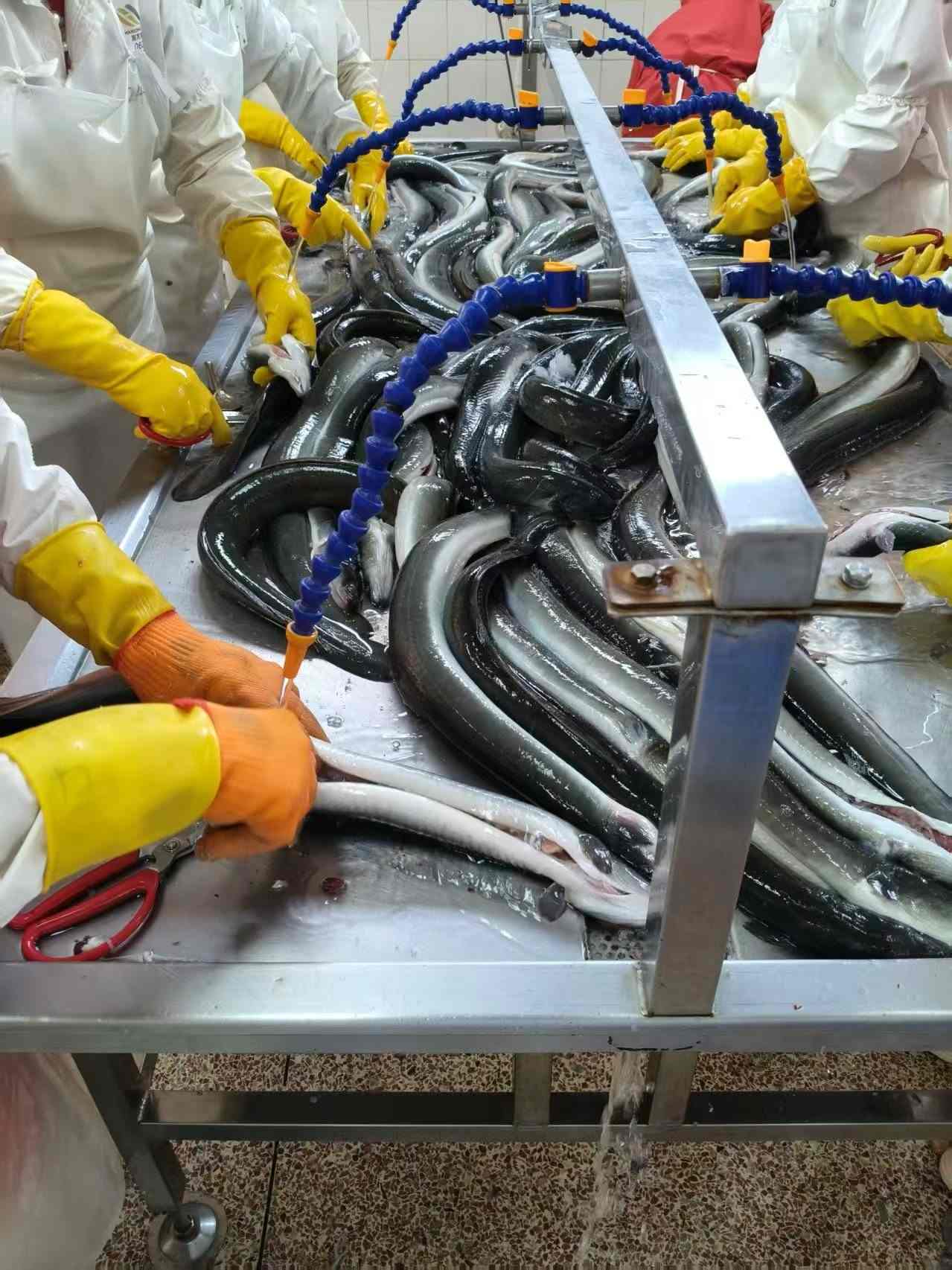
Unagi Don Buying Guide: Choosing Quality Eel
Unagi don is a Japanese eel rice bowl made with grilled eel, steamed rice, and a sweet-savory glaze. For restaurants, retailers, and importers, the challenge is not the rice. It is selecting eel that arrives in good condition, reheats evenly, and delivers the rich texture customers expect in a well-prepared bowl.
A poor shipment can create several issues at once: uneven portions, excess drip, weak sauce adhesion, difficult preparation, and inconsistent menu pricing. This guide outlines what B2B buyers should review before ordering kabayaki eel, including raw material, fillet appearance, sauce, frozen storage, export packaging, and supplier communication.
What Makes Eel Suitable for Unagi Don?
A suitable product needs to perform well in the finished bowl, not simply look appealing in a product photo. Buyers should evaluate eel from three perspectives: the raw material, the processing quality, and the final cooking performance.
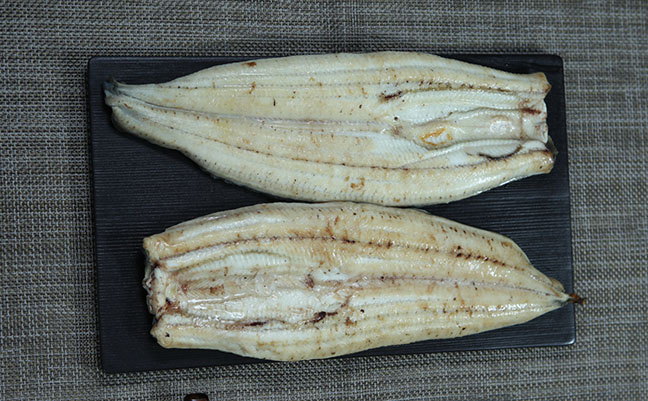
1. Even fillet appearance
Look for fillets with a consistent shape and a clean surface. The flesh should appear intact rather than heavily torn. A uniform shape helps kitchen staff portion rice bowls efficiently and gives the finished menu item a more consistent appearance.
Some natural variation is expected because freshwater eels are biological products. However, major differences between pieces can make cost control more difficult. Ask the supplier how fillets are sorted and whether the shipment is separated by size or sold as a mixed selection. The answer can affect purchasing, menu planning, and customer expectations.
2. Firm flesh and pleasant fat
Unagi is valued for its soft flesh and rich mouthfeel. Quality should not mean excessive oil or a greasy aftertaste. When cooked, the eel should remain tender while holding together well enough to lift with chopsticks or serving utensils.
For buyers, the practical test is straightforward: cook a sample using the same method your kitchen plans to use. Check whether the flesh becomes dry, breaks apart, releases excessive liquid, or maintains a pleasant bite. A sample test is more useful than relying on appearance alone.
3. Clean, balanced flavor
Kabayaki eel is commonly grilled and coated with a sweet-savory eel sauce, also called unagi tare. The sauce should complement the eel rather than hide defects. A strong burnt note, sharp chemical smell, or unpleasant aftertaste warrants further investigation before placing a large order.
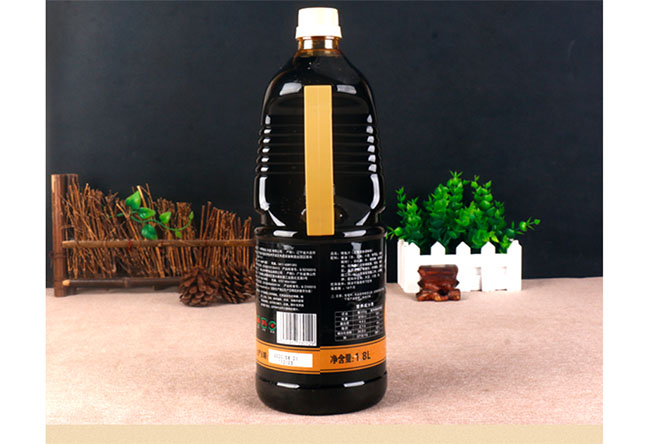
If your menu requires a separate sauce program, review the supplier’s eel sauce products and confirm whether the sauce is supplied with the eel or ordered separately. This matters when a restaurant wants to control glaze intensity, rice portioning, or flavor consistency across several locations.
How Do You Choose Quality Eel for Unagi Don?
Start with a written buying checklist. Do not ask only, “Is this good eel?” Ask questions that can be answered through a sample, specification sheet, label, or shipment record.
- Raw material: Confirm whether the product is made from freshwater eel and identify the product name used in commercial documents.
- Product style: Clarify whether you are buying cooked kabayaki, plain frozen eel, or another preparation.
- Fillet condition: Inspect surface cleanliness, flesh integrity, skin condition, and visible damage.
- Portion consistency: Ask how pieces are sorted and whether sizes are mixed.
- Flavor: Cook a representative sample and assess aroma, sweetness, saltiness, and aftertaste.
- Cooking performance: Check whether the fillet reheats evenly and remains tender.
- Frozen condition: Confirm the required frozen storage temperature on the product label and maintain the cold chain during transport and receiving.
- Traceability: Request lot information and product identification that your purchasing and quality teams can record.
For importers, the most useful supplier is one that answers these questions clearly and consistently. A vague response at the sample stage can become a larger problem when the order is packed, shipped, received, and distributed to multiple customers.
Avoid judging by sauce color alone
A dark glaze can make eel look rich and ready to serve, but color alone does not prove quality. Sauce coverage, grilling style, and lighting can all affect appearance. Check the flesh beneath the glaze, the overall fillet structure, and the eating result after reheating.
Avoid this common mistake: approving a product after tasting only one perfect-looking piece. Test several pieces from the same sample so you can assess the natural range of size, texture, and surface condition.
Understanding Unagi Don Ingredients
The basic unagi don ingredients are simple: cooked eel, steamed rice, and eel sauce. Optional toppings may include sliced green onion, toasted sesame, sansho pepper, seaweed, or pickles, depending on the menu concept.
For B2B buyers, simplicity can be an advantage. A short ingredient list makes the eel the main quality signal. When the product has good texture and a balanced glaze, the kitchen can create a clear Japanese eel rice bowl without an overly complicated preparation process.
Core ingredients for a reliable menu item
- Kabayaki eel: Choose a product with a consistent appearance and a texture that holds up during reheating.
- Steamed rice: Use rice with enough structure to hold sauce without becoming wet and heavy.
- Unagi tare: Apply a controlled amount so the bowl tastes savory and sweet rather than oversalted.
- Optional garnish: Keep garnishes practical for your operation and easy to source consistently.
Restaurants should also consider how the product fits their kitchen equipment. A fillet may be reheated by grill, oven, pan, or another approved method. The method should follow the supplier’s instructions and applicable local food regulations. A sample trial can show whether the product suits a high-volume service period or a smaller made-to-order menu.
For additional menu ideas, see these eel rice bowl toppings. The same eel can support different retail packs, donburi combinations, and seasonal menu presentations when portion planning is clear.
Product Formats: Kabayaki Eel and Frozen Unagi Fillets
Buyers often compare ready-to-use kabayaki with plain frozen unagi fillets. The right choice depends on the operation rather than a single universal definition of quality.
Frozen unagi kabayaki
Ready-to-use kabayaki can reduce preparation work because the eel has already been processed and flavored. This format may suit restaurants seeking a shorter finishing process, retailers selling convenient meal products, or foodservice teams that need a repeatable result.
Before buying, confirm how the sauce is applied, whether extra sauce is included, and how the product should be reheated. These details affect labor, food cost, and the final appearance of the bowl. Review the unagi kabayaki product information when comparing available formats.
Plain or lightly prepared eel fillets
Plain fillets may give the kitchen greater control over seasoning and finishing. They can be useful when a restaurant has its own sauce formula or plans to use eel in several dishes. The trade-off is that the kitchen must manage more preparation steps and maintain greater consistency during cooking.
Do not assume one format is automatically better. Ask which format matches your staff, equipment, serving volume, and target price. A buyer seeking a fast-service item may value ready-to-use kabayaki, while a chef-led operation may prefer greater control over the finishing sauce.
How Is Unagi Don Packaged for Export?
Export packaging should protect the product during handling, storage, and distribution. The exact format can vary by supplier and order, so buyers should request final packing details before confirming a purchase.
Ask the supplier to confirm the following points in writing:
- How individual eel pieces are arranged and protected.
- Whether the product is packed in retail units, foodservice packs, or another agreed format.
- What information appears on the inner and outer labels.
- How lot or production identification is recorded.
- What storage condition must be maintained from dispatch to receiving.
- What documents accompany the shipment under the buyer’s import process.
- Whether sauce is packed with the eel or supplied separately.
For importers, a carton is more than a shipping container. It is part of the receiving system. Labels should help warehouse staff identify the product, record the lot, place it in the correct frozen area, and rotate stock according to company procedure.
Keep the product frozen throughout transport and storage. The correct storage temperature and handling instructions must come from the product label, purchase documents, and applicable regulations. Do not replace the supplier’s written instructions with a general internet recommendation.
Storage and Receiving Checks for Buyers
Quality control continues after the container or delivery truck arrives. Receiving staff should inspect outer packaging before moving goods into frozen storage.
- Check that the carton and inner packaging are intact.
- Confirm the product name and lot information against the purchase order.
- Review the storage instructions on the label.
- Look for signs of thawing, leakage, damaged seals, or unusual package condition.
- Record receiving observations according to your internal procedure.
- Move the product into the correct frozen storage area without unnecessary delay.
Do not accept a shipment based only on carton count. A useful receiving record connects the product, lot, packaging condition, storage location, and responsible staff member. This record can help the buyer investigate a quality concern later and supports orderly stock management.
Because storage and import rules differ by market, Eelpro buyers should confirm exact requirements with their logistics provider and local authorities. Eelpro Co., LTD can discuss product details for frozen unagi kabayaki, eel sauce, frozen seafood, and freshwater eels, while the importer remains responsible for checking destination-market requirements.
Questions to Ask an Eel Supplier Before Ordering
Can you provide a representative sample?
A sample should reflect the product you expect to receive, not a specially selected presentation piece. Test it in your own kitchen or distribution process. Record appearance, yield from your normal serving method, reheating results, sauce balance, and staff feedback without assuming one trial answers every question.
What information should appear on the quotation?
The quotation should identify the product, format, packing arrangement, sauce status, storage instructions, and agreed commercial terms. If any point is unclear, resolve it before placing the purchase order.
Can the supplier support more than one menu use?
A dependable eel program may serve rice bowls, sushi rolls, noodle dishes, or prepared meal packs. Explore Eelpro’s eel noodle soup recipe and related product options if your business wants to build a broader menu around the same category.
Buyer FAQ
How do you choose quality eel for unagi don?
Choose eel by checking the raw material, fillet integrity, portion consistency, aroma, sauce balance, and cooking performance. Request a representative sample and test several pieces using your intended preparation method. Also confirm frozen storage instructions, packaging details, lot identification, and the supplier’s ability to answer specification questions clearly.
What ingredients are needed for authentic unagi don?
The essential ingredients are kabayaki eel, steamed rice, and unagi tare or eel sauce. Garnishes such as green onion, sesame, seaweed, pickles, or sansho pepper are optional. For commercial buyers, the key is to keep the ingredient list practical and ensure the eel and sauce provide a consistent flavor in every serving.
How is unagi don packaged for export?
Export packaging should keep the product protected and clearly identified during frozen transport and storage. The exact format depends on the supplier and order. Confirm inner and outer packaging, product labels, lot information, storage instructions, sauce packing, and accompanying documents before purchase. Ask for the final packing arrangement in writing rather than relying on a general product description.
Final Buying Checklist
Before approving an order, make sure your team can answer these questions:
- Does the product match the intended Japanese eel rice bowl format?
- Are the fillets visually consistent enough for the planned menu?
- Does the cooked texture remain tender and intact?
- Is the sauce flavor suitable for your customers?
- Are the unagi don ingredients and preparation steps clear?
- Can your warehouse maintain the required frozen storage condition?
- Are export packaging, labels, lot details, and documents agreed?
- Has your team tested a representative sample?
Quality eel buying is a practical process. Start with the finished bowl, work backward to the product format, then confirm the packaging and storage system that will protect it. Eelpro Co., LTD supplies frozen unagi kabayaki, eel sauce, frozen seafood, and freshwater eels for overseas buyers. Explore the unagi kabayaki manufacturer page to continue reviewing product information, or contact the team with your target format and application.
Which quality point matters most to your business: texture, portion consistency, sauce balance, or packaging? Share your experience, and explore more eel cooking tips for practical menu planning.