

Nagi Sauce Shelf Life: A Foodservice Storage Guide
The chef lifts the plastic lid, a waft of sour scent escaping. That precious nagi sauce, the secret behind a dozen signature dishes, has turned. A costly mistake.
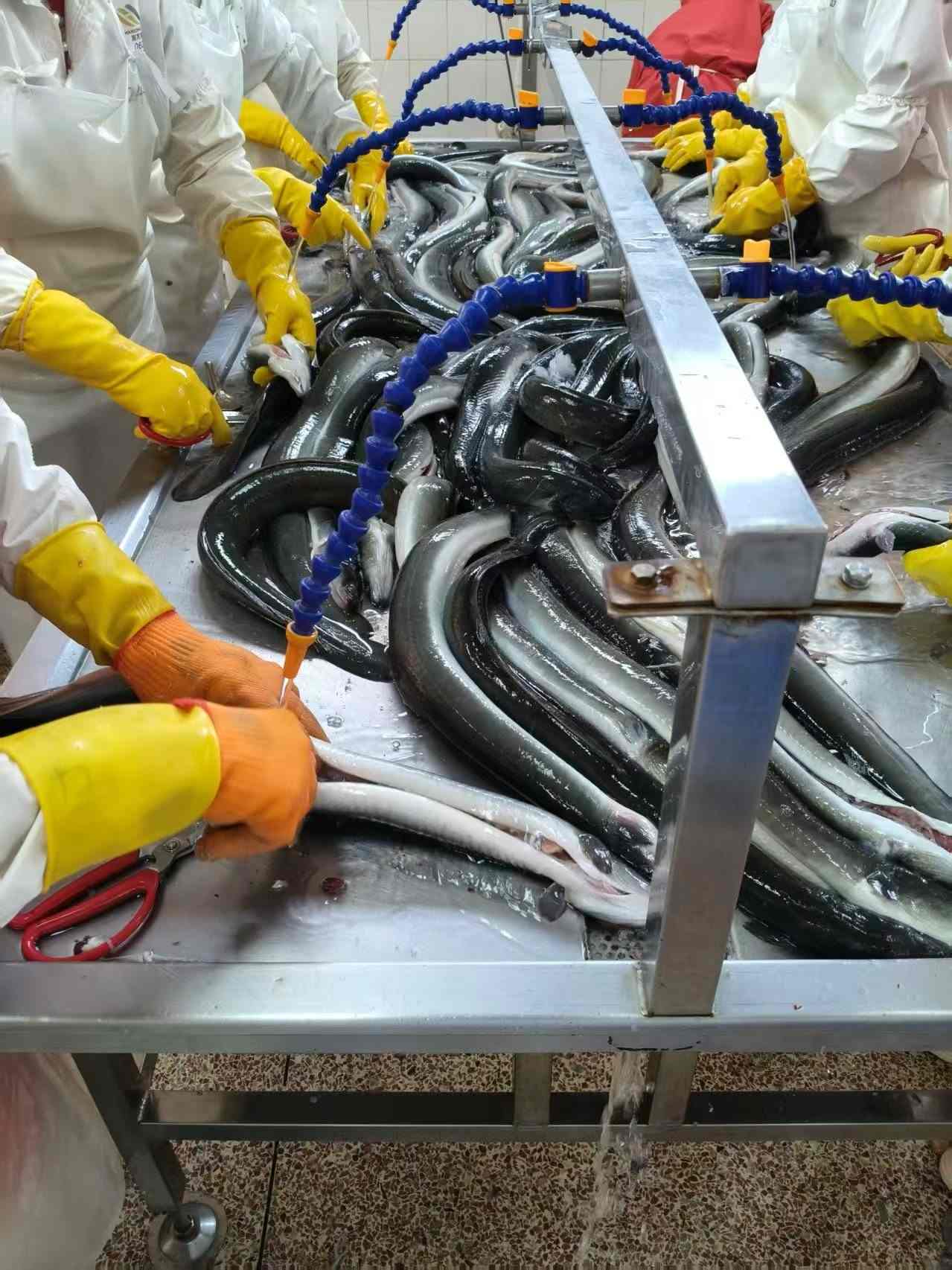
Nagi sauce is the rich, umami-packed eel sauce—unagi tare—that gives kabayaki eel its signature glossy glaze. It’s the sticky-sweet soul of unagi don, sushi rolls, and a fleet of pan-Asian dishes. But here’s the kicker: this sauce doesn’t baby itself. Left unmanaged, it sours fast, and that beautiful 20-liter pail becomes a write-off. This guide cuts through the guesswork. We’ll break down exactly how long commercial nagi sauce lasts, how to store it so it stays vibrant, and what packaging actually protects freshness in a busy kitchen or export chain. Eelpro’s technical team has spent years perfecting eel sauces that travel well; we’ll share what works from the loading dock to the pass.
Why Nagi Sauce Storage Rules Your Kitchen Cost
In a restaurant, nagi sauce isn’t just a condiment—it’s a flavor backbone. A single batch might glaze 200 unagi fillets or anchor a lunchtime donburi rush. But when quality dips, customers notice. Off-flavors creep in, glaze separates, and suddenly that lunch special gets sent back. Worse, poor storage can shrink nagi sauce shelf life from months to mere days, inflating food cost and scrambling inventory. For distributors and export buyers, mishandled sauce can ferment in transit, leading to rejected shipments. Good storage practices aren’t optional—they’re margin protection.
What Determines Nagi Sauce Shelf Life?
Think of nagi sauce like a fine shoyu—complex, fermented, but vulnerable. Its lifespan divides cleanly into two windows: unopened and opened.
Unopened Nagi Sauce: The Sealed Window
An unopened, properly sealed bottle or pail of commercial nagi sauce typically holds quality for 12 to 18 months from the production date, when stored in a cool, dry space away from direct sunlight. Our Eelpro unagi tare, for instance, is filled and capped under hygienic conditions that lock out air. The key is the seal integrity. If the tamper-evident ring is broken or the cap has a slow leak, all bets are off—shelf life drops dramatically. Always check the packaging before accepting a delivery.
How Long Does Nagi Sauce Last After Opening?
Once that seal breaks, the clock resets. Oxygen and ambient yeast start working immediately. In foodservice, opened nagi sauce should be stored in the refrigerator at below 40°F (4°C) and used within 3 months for peak flavor. After 4–6 weeks you might notice the gloss dulling slightly—still safe but losing its edge. Many kitchens push it longer, but at the 3‑month mark, the risk of off‑notes or mold rises sharply. Pro tip: mark the opening date on the container with a sharpie. No date, no clarity.
Best Practices for Foodservice Nagi Sauce Storage
So you’ve cracked open a 10-liter jug. Now what? The goal is to minimize oxygen, light, and temperature swings. Here’s a field-tested protocol:
- Decant smartly. Transfer what you’ll use in 2–3 days into a smaller squeeze bottle or container. Keep the mother stock sealed and refrigerated.
- Cool it fast. After service, opened containers must go back into the walk-in cooler. Don’t leave sauce on the line overnight—every hour above 40°F peels days off its life.
- Avoid cross-contamination. Always use a clean, dry ladle or pump. A spoon with traces of water or food will introduce bacteria that ferment the sauce.
- Fight light. If you must store near a prep counter, use opaque containers or a simple cloth cover. UV light degrades the delicate amino acids that give nagi sauce its depth.
These steps keep your nagi sauce storage tight, reducing waste and ensuring every plate tastes as intended.
Packaging That Protects: The First Line of Defense
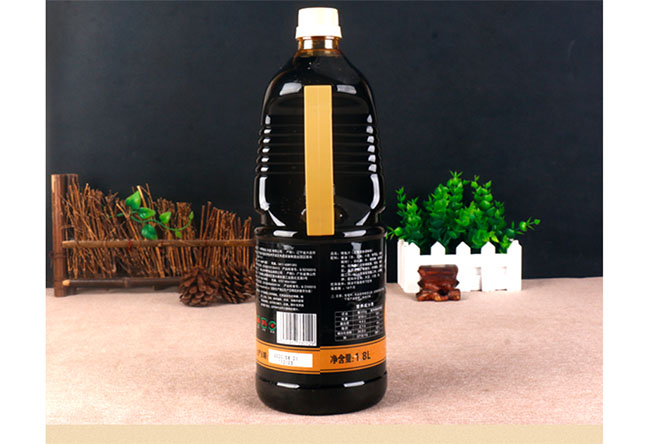
Not all nagi sauce containers are created equal. The right nagi sauce packaging starts at the manufacturer and ends at your receiving door. Here’s what keeps it fresh longer.
What Packaging Keeps Nagi Sauce Fresh?
Food-grade HDPE plastic jugs, laminated bag-in-box, and vacuum-sealed aluminum-lined pails all do the job—if the barrier is intact. Look for features like:
- Multi-layer oxygen barriers that keep air out during storage.
- Tamper-evident caps that prove the sauce hasn’t been opened or contaminated in transit.
- Nitrogen flushed headspace in sealed pails—this pushes out oxygen, dramatically extending shelf life before opening.
For export buyers, packaging that survives a 40-day ocean voyage without bulging is a must. Eelpro ships nagi sauce in robust, leak‑proof formats tested in tropical heat and cold chain breaks. At your commissary, once opened, always transfer leftover sauce into a sanitized container with an airtight seal—not the original open pail.
Commercial Nagi Sauce: Handling Across the Supply Chain
For distributors and importers, commercial nagi sauce moves through multiple hands before it hits a kitchen. The biggest enemy isn’t time—it’s temperature abuse and rough handling. A pallet left on a sunbaked loading dock for an afternoon can kick-start fermentation and blow the shelf life timeline. Always store bulk nagi sauce at 40–70°F (4–21°C) in transit and dark storage. Once received, inspect each pail: bulging lids, hissing sounds upon opening, or a yeasty smell signal trouble. Reject those immediately, and document with photos—your supplier should know.
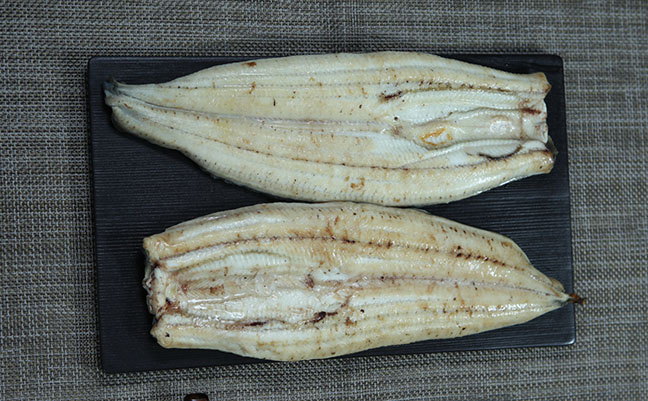
For in‑house production of your own kabayaki sauce, check out our eel sauce recipe: make‑ahead and storage tips to lock in freshness from scratch. If you’re glazing our frozen unagi kabayaki, pairing it with properly stored nagi sauce makes the dish sing.
Cold Knowledge and Common Pitfalls
Here’s a little cold knowledge: nagi sauce, like traditional unagi tare, is often “replenished” in Japanese eel houses—the master sauce is kept alive by topping up ingredients without ever discarding the base. Some mother sauces are decades old. But that works only because the cooks boil the sauce daily, killing any microbes. In a modern foodservice setting, don’t try this unless you’re boiling it every shift. Otherwise, treat nagi sauce as a perishable condiment with a definite end date.
Pitfall alert: The biggest mistake? Storing opened nagi sauce at room temperature. Even in a cool pantry, the sugar‑rich sauce invites mold within a week. Another classic: leaving the sauce in a squirt bottle with a clogged nozzle for weeks on the line. That crusty, oxidized sauce around the tip contaminates the whole batch. Swap bottles weekly, and clean nozzles in hot water between fills.
To truly understand why the sauce itself is a game‑changer, read the secret weapon behind kabayaki dishes. And if you’re building a full menu around unagi, our range of eel sauce products is built for consistency from the first pour to the last.
Quick‑Reference: Nagi Sauce Shelf Life Cheat Sheet
| Storage Condition | Shelf Life |
|---|---|
| Unopened, cool dark place | 12–18 months from production |
| Opened, refrigerated ≤40°F (4°C) | 3 months (best quality) |
| Opened, room temperature (70°F/21°C) | 5–7 days maximum |
| Freezer (not recommended) | Texture may break after thaw; avoid for glazing purpose. |
Keep Your Sauce Alive, Keep Your Dishes Alive
Managing nagi sauce shelf life is dead simple with the right habits: seal, chill, spin. Implement these practices across your kitchen or supply chain, and you’ll see the numbers drop on waste reports while customer satisfaction ticks up. The difference between an exquisite unagi don and a lackluster one often sits in a plastic bottle in the cooler.
Got a killer storage trick or a saucy horror story? Let us know in the comments—we love learning from the trenches. And if you’re prepping for a big event, dive into our 10 flavor pairings for eel menus to give that properly stored nagi sauce a starring role.