

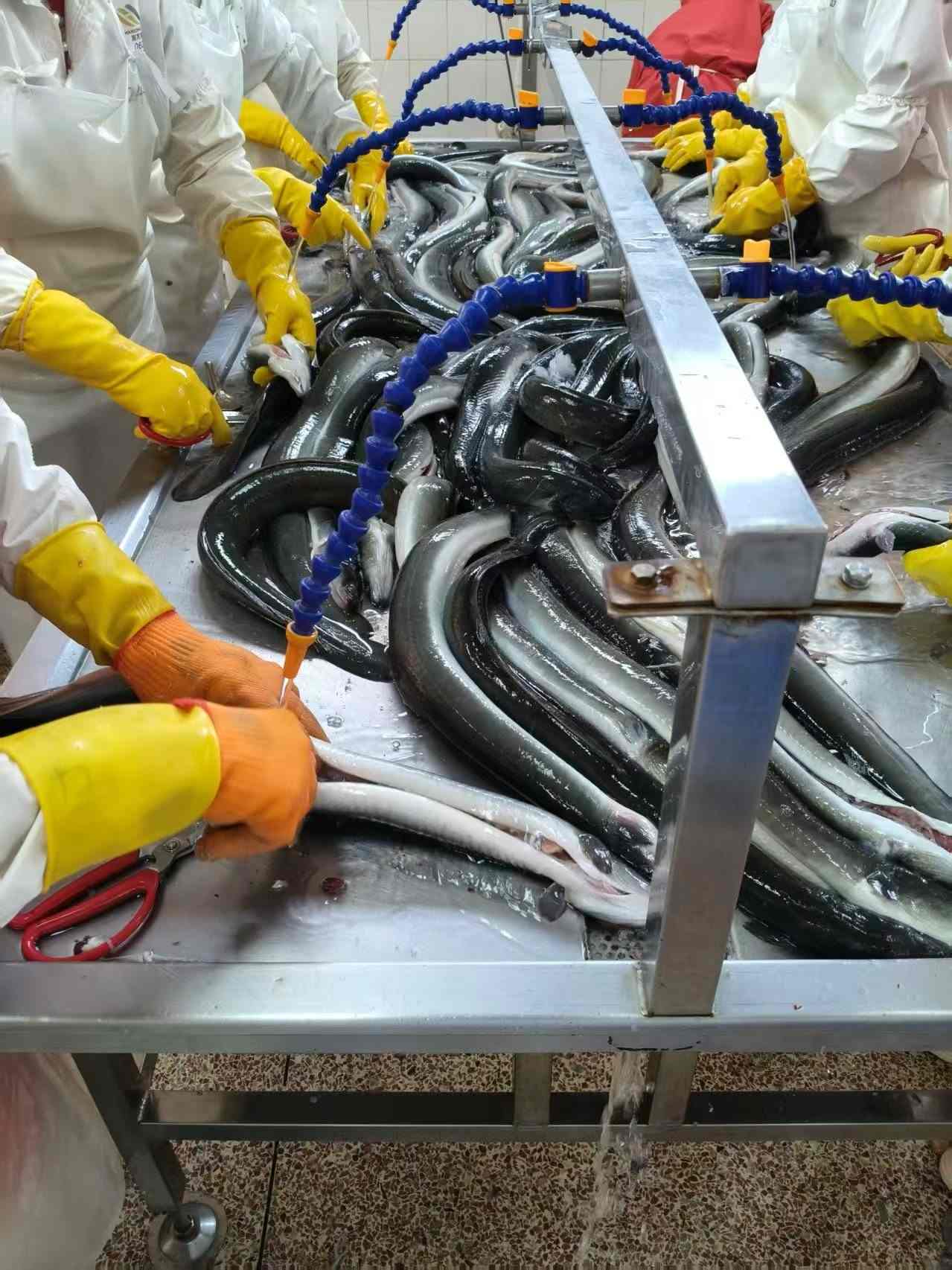
Unagi Don Buying Guide: Choosing Quality Eel
That first shipment of frozen kabayaki eel lands in your kitchen. You thaw a fillet, grill it, lay it over rice. The texture is mushy. The sauce is bitter. Your unagi don is ruined — and so is your reputation. This is what happens when you buy eel without checking the right quality markers.
A great Japanese eel rice bowl starts with one non-negotiable ingredient: impeccable kabayaki eel. Whether you stock a restaurant, develop retail meal kits, or import for foodservice, your choice of eel determines everything. So let’s break down exactly how to source top-grade frozen unagi fillets — and what to avoid.
What Makes an Authentic Unagi Don? The Ingredient Trinity
Unagi don is deceptively simple. At its core, it’s steamed rice, glazed grilled eel, and a drizzle of tare. But each component can fail. The best versions rely on three key unagi don ingredients: short-grain Japanese-style rice that stays separate and glossy, a rich unagi tare (eel sauce) that balances soy, mirin, and sugar without burning, and — most critically — a thick, fatty piece of kabayaki eel with no muddy aftertaste.
For B2B buyers, the rice is usually sourced locally. The sauce either comes as a separate product or is pre-applied on frozen fillets. We offer a dedicated eel sauce that can be customized to your market’s sweetness preference. But the eel? That’s where the risk sits. A frozen unagi fillet that looks perfect in the catalog can arrive with scale residue, thin flesh, or a glaze that peels off after reheating.
How to Identify Quality Kabayaki Eel: A Visual & Textural Guide
You don’t need a lab to separate premium frozen unagi from filler. Start with the fillet thickness. Hold the vacuum-packed piece up to light. Quality eel — typically from farmed Anguilla japonica or Anguilla rostrata — should show a meaty cross-section, at least 12–15 mm in the thickest part. Anything wafer-thin screams fast-growth, low-fat content. After grilling, thin fillets turn dry and leathery.
Flesh color is your next clue. A properly butterflied and prepared eel has a pale ivory to off-white interior after cooking, with the outer surface caramelized by the sweet soy glaze. If the meat looks grayish or yellowed after thawing, suspect poor handling or freezer burn. The skin side should be uniform brown-black, not patchy. Patchiness indicates uneven flame searing at the factory — a marker of rushed production.
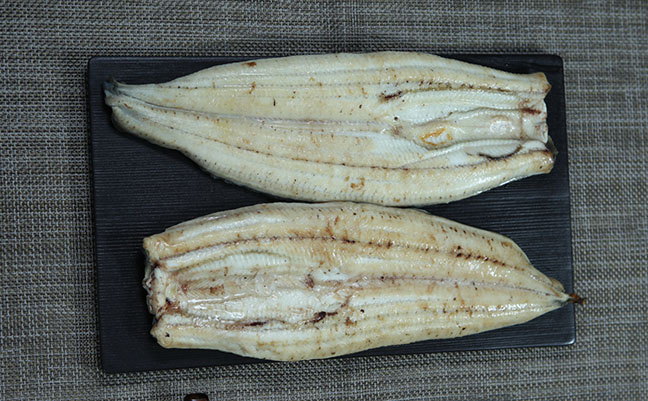
Then there’s sauce adhesion. Gently bend the thawed fillet. A quality kabayaki eel, like our export-grade frozen unagi kabayaki, holds its glaze like a second skin. The tare should not crack and fall off in sheets. That happens when the sauce was over-reduced at the factory or applied to a cold fillet. The fix is not in your kitchen — it’s in the supplier’s process. Our team uses multi-stage vacuum tumbling to bond each layer of sauce, which means zero flaking when you torch or oven-reheat.
Cold knowledge tip: Many buyers miss the “blue tint test.” After grilling, hold the fillet under decent light. High-fat eel shows a faint bluish shimmer just below the surface — this is the subcutaneous fat layer. It indicates the eels were raised in clean, stress-free water and harvested at peak condition. No shimmer? You’re looking at lean, potentially stressed stock.
Frozen vs. Fresh: Why Frozen Unagi Fillets Are the Smarter Choice
Some chefs romanticize fresh eel, but for consistent unagi don across multiple locations or retail packs, frozen unagi fillets are the only logical option. Eel flesh is delicate. Once slaughtered and processed, it spoils faster than salmon. Flash-freezing locks in the fat content and prevents the ammonia notes that appear in chilled eel after just a few days.
Our frozen products are vacuum-packed immediately after saucing, then passed through an IQF or semi-IQF tunnel depending on spec. The result: each fillet stays separate, not a solid block, which means your kitchen can pull exactly what they need. No waste.
Storage rule of thumb: Maintain -18°C (0°F) throughout transport and warehousing. Even a few degrees of fluctuation cause micro-thawing, which leads to ice crystal formation inside the muscle. Those crystals rupture cell walls. When you reheat, the eel leaches moisture and becomes dry — exactly the enemy of a luscious unagi don.
How Is Unagi Don Packaged for Export? What Importers Must Check
Most B2B buyers encounter unagi not as a finished bowl but as the core component: individually wrapped frozen kabayaki fillets, often bundled in a master carton with accompanying sauce sachets. So what does “good export packaging” look like?
Inspect the primary vacuum bag. It should be a high-barrier nylon/PE laminate, at least 90 microns thick, with no air pockets or wrinkles near the seal. Wrinkles suggest a weak seal, and air pockets mean oxidation — sauce darkens, fats turn rancid. Inside each master carton, fillets should be arranged in a single layer, separated by plastic sheets. Stacking fillets directly on top of each other without dividers crushes the meat during transit.
When you import from us, every carton carries batch codes linking back to the specific eel farm and processing date in our in-house eel lab. This traceability matters if a quality issue ever arises. Also check desiccant packs. Good suppliers include food-grade silica gel to control humidity during ocean freight, especially for shipments heading to humid ports.
The Unagi Sauce Factor: Why Tare Can Make or Break Your Don
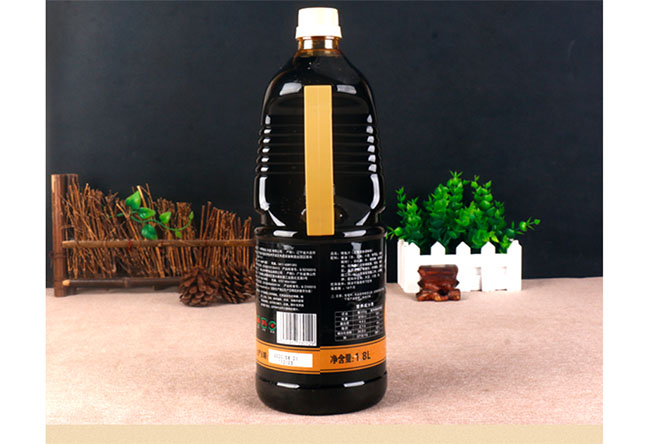
Even great eel can’t save a bad sauce. And a poor match between eel and sauce leads to a dish that tastes like two separate ingredients, not a cohesive bowl. Most frozen kabayaki eel arrives pre-sauced, but the final brush of tare before serving — the “finishing touch” — often comes from a separate bottle.
We recommend a two-layer approach: use the factory-applied glaze to set the savory base, then finish with our rich concentrated unagi tare at plating. This lets you control the sweetness and gloss, adapting to local palates. In North America, importers often request a slightly less sweet profile; in Southeast Asia, a thicker, darker glaze.
Be wary of sauce that separates in the bottle. A quality tare is an emulsion of soy, mirin, sugar, and extracted eel bone stock. If you see a clear oil layer on top, the emulsion broke during pasteurization or storage. Do not use it — it will burn unevenly on the grill. For a deep dive into sauce science, read our guide on why kabayaki sauce is the hidden weapon behind memorable eel dishes.
5 Non-Negotiable Quality Checks Before You Buy
Here’s your pre-purchase checklist. Run every prospective supplier through these five gates. If a sample fails any line, walk away.
- Fillet thickness: Must exceed 12 mm at center. Measure three random vac-packed fillets after thawing.
- Sauce bond test: Flex the fillet gently. Glaze should stretch with the meat, not shatter.
- Thawed weight vs labeled weight: Excess drip loss (>5%) indicates freeze damage or water injection. Weepage should be minimal.
- Ammonia odor check: Open the vac bag cold, then sniff after 10 seconds. Any sharp, urine-like smell means freshness was lost pre-freezing.
- Bone fragment inspection: Run fingers over the surface. Quality unagi for unagi don must be 99% pin-bone free. A few tiny soft bones are acceptable; hard, needle-like shards are not.
At Eelpro, we pass every batch through an in-line metal detector and manual QA check before the sauce is even applied. Our goal: you open the pack, heat, top rice, serve. No surprises.
FAQ: What B2B Buyers Often Ask About Unagi Don
How do you choose quality eel for unagi don?
Start with the visual markers: meaty thickness, uniform sauce layer, and no gray discoloration after thawing. Then taste test. The meat should be fatty and yielding, with a clean, sweet umami finish — never muddy. Check our 5-point checklist above for a systematic approach.
What ingredients are needed for authentic unagi don?
At a minimum: cooked short-grain rice, grilled kabayaki eel, and unagi tare (eel sauce). Typical garnishes include sansho pepper, shredded nori, and thin omelet strips, but the core is those three components. Sourcing pre-glazed frozen unagi fillets simplifies your supply chain significantly.
How is unagi don packaged for export?
The bowl itself is not exported. Instead, key ingredients — individually vacuum-sealed frozen unagi kabayaki and separate tare sachets — are packed in insulated master cartons for ocean or air freight. Each carton is marked with lot codes and storage instructions. Master packing ensures fillets stay intact and sauce stays sealed until your kitchen opens them.
Putting It All Together: From Carton to Unagi Don Bowl
Once you’ve selected quality eel, the final preparation is straightforward. Thaw fillets under refrigeration (not at room temperature). Torch or oven-bake at 180°C (356°F) for 6–8 minutes until internal temp reaches 72°C. Brush extra tare in the last 2 minutes. Lay over hot rice, garnish, serve. The simplicity demands flawless raw materials.
Get the eel right, and unagi don becomes a reliable high-margin menu item — not a quality complaint generator. Thousands of foodservice operators have swapped from inconsistent local suppliers to a dedicated export-focused partner. They tell us the difference shows in their customer feedback within the first week.
Browse our full range of unagi kabayaki products and ready-to-use eel sauce to find the format that fits your kitchen. For pairing inspiration, our recipe team compiled 7 unagi don topping upgrades that can differentiate your menu instantly.
Your next bowl of unagi don starts with one decision: which eel will you put on that rice? Make it the kind that brings customers back.