

Is Unagi Sauce Eel Sauce? A Naming Guide
Picture this: you’re placing a wholesale order for your restaurant or retail chain. The supplier’s spec sheet lists “Unagi Sauce” on one line and “Eel Sauce” further down. You pause. Is unagi sauce eel sauce? Will your sushi chef send it back if the label says the wrong thing? The short answer is yes — they are the same condiment. But the naming game has layers, and getting it right can mean a smoother sell-through on your shelves and menus.
In most kitchens, unagi sauce and eel sauce point to the identical glossy, sweet-savory glaze you brush over grilled eel. We’re talking about the same rich Japanese eel sauce that makes unagi kabayaki irresistible — a blend of soy sauce, mirin, sugar, and sometimes sake, reduced to syrupy perfection. Yet, the term you pick says a lot about your market positioning. Whether you call it unagi tare, sweet soy glaze, or simply eel sauce depends on whom you’re talking to and what expectations you need to meet.
We know because Eelpro ships both frozen unagi kabayaki and eel sauce to buyers on four continents. Our team regularly helps importers decide which labeling resonates in their region. This guide unpacks the terminology so you can order with confidence — and sell with clarity.
What Is Unagi Sauce — and Why It’s Called Eel Sauce
Unagi sauce (うなぎタレ), or unagi tare in Japanese, is the dark, viscous glaze that defines grilled eel dishes. At its core, it’s a sweet soy glaze built on a soy-sauce base, sweetened with mirin and sugar, and simmered until it coats the back of a spoon. No mystery ingredients — just pure umami that caramelizes beautifully under a broiler.
So why does the same bottle also carry the name eel sauce? The answer sits in tradition. In classic unagi restaurants, the tare is continuously replenished, inheriting layers of flavor from countless basted eels. That daily contact with eel fat and juices gave the sauce its colloquial English name. Even though most commercially bottled unagi tare today contains zero eel extract, the name stuck. It’s simply the sauce for eel — not necessarily a sauce made from eel.
This is your first “cold knowledge” nugget: authentic Edo-style unagi shops often guard their tare for decades, filtering and reusing it like a sourdough starter. When you buy our ready-to-use unagi sauce, you’re tapping into that same deep flavor lineage — without the five-decade commitment.
Unagi Sauce vs Eel Sauce: Same Bottle, Different Door?
Let’s address the real-world decision: unagi sauce vs eel sauce — what changes when you flip the label? Functionally? Nothing. A spoonful from a jug labeled “Unagi Sauce” will taste, pour, and glaze identically to one labeled “Eel Sauce” from the same production batch. But perception shifts.
In Japanese restaurants and specialty Asian grocery aisles, “Unagi Sauce” signals authenticity. It whispers to the customer who knows their donburi from their donuts. In mainstream supermarkets across Europe or the Americas, “Eel Sauce” is simply more comprehensible. It answers the immediate “what is this used for?” without forcing a translation. Some buyers even prefer “Japanese eel sauce” as a bilingual bridge — coupleing the origin cue with the plain-English function.
Here’s a practical example: one of our U.S. import partners found that labeling their bottles as “Unagi Tare (Japanese Eel Sauce)” boosted both restaurant adoption (where chefs search for tare) and retail sales (where home cooks look for eel sauce). No recipe changed, only the ink on the box. That’s the power of naming.
When you’re stocking your own brand, think about the end user. A foodservice distributor might prefer the technical unagi tare designation. A consumer-facing e-commerce listing works better with eel sauce (sweet soy glaze) in the title. Whichever route you take, as a dedicated unagi supplier, we can adapt packaging and spec sheets to your market’s tongue.
Is Unagi Sauce the Same as Eel Sauce?
This is the most frequent question we receive from new buyers. The short answer: yes, is unagi sauce the same as eel sauce is a “yes” for all practical commercial purposes. The two terms are interchangeable in ingredient lists, customs declarations, and kitchen prep. No need to lose sleep over it.
The slight grey area appears only with ultra-premium, artisanal sauces that actually contain eel stock — and those are rare, typically small-batch products made by a handful of Japanese makers. But for the standard Japanese eel sauce used in frozen unagi kabayaki, sushi rolls, and modern fusion cuisine, unagi sauce and eel sauce are twins born of the same mother recipe.
So if your HACCP paperwork says “Eel Sauce” but your chef calls for “unagi tare,” you’re safe. There’s no mismatch. The formulation stays solid — a beautifully balanced sweet soy glaze that can be stored ambient before opening and refrigerated thereafter.
Why Is Unagi Sauce Called Eel Sauce? The Unexpected Origin
We teased the history earlier, but let’s dig a bit deeper. Why is unagi sauce called eel sauce when many modern versions never touch eel? The naming traces back to the sauce’s exclusive original purpose. For centuries, this tare existed only as a basting liquid for eel skewers grilled over charcoal. It was inseparable from the eel itself. English-speaking travelers and importers in the 20th century simply referred to it as “eel sauce” because removing it from that context seemed pointless.
As Japanese cuisine globalized, the term stuck. It’s now a protected category placeholder — much like “soy sauce” doesn’t describe every possible soy application but everyone knows what you mean. Interestingly, in Japan, you’ll rarely hear anyone say “unagi sauce”; they say “tare” or “kabayaki no tare.” Yet the English eel sauce label has become so prevalent that even Japanese producers export products marked with both Japanese and English names.
For B2B buyers, this means you aren’t dealing with a mistranslation. You’re dealing with layered culinary history that can actually enrich your brand story. Tell the tale on your packaging or website, and you educate the customer while building trust.
Can Unagi Sauce Be Used for Sushi?
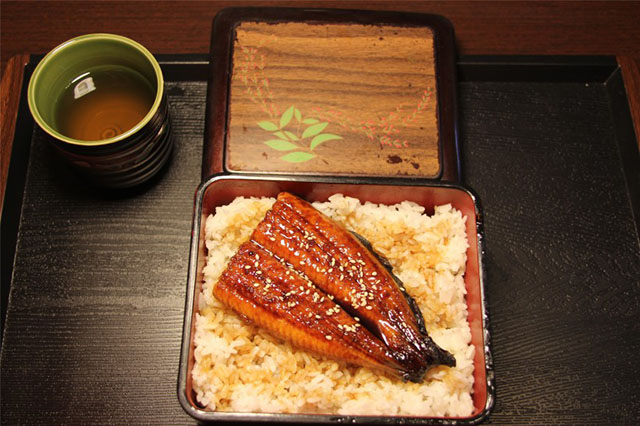
Without a doubt — can unagi sauce be used for sushi is one of the easiest “absolutely” answers in the kitchen. In fact, the classic sweet soy glaze you see drizzled over dragon rolls, brushed onto unakyu maki (eel-and-cucumber rolls), or served alongside sashimi dipping is often plain unagi sauce. It’s not an occasional substitute; it’s the standard.
Sushi chefs value unagi tare for its clingy viscosity and high-gloss finish. It won’t sog out rice, sets quickly under a kitchen torch, and supplies the deep umami punch that balances creamy avocado or spicy mayo. In many grab-and-go sushi operations, one bottle of Japanese eel sauce serves triple duty: glaze for eel rolls, dipping sauce for tempura, and final drizzle on poke bowls.
If your customers are sushi franchises or supermarket chains, they’re likely already using unagi sauce — whether they call it that or not. Stocking a consistent, bulk-size eel sauce product simplifies their supply chain. And for your own menu development, experiment with cold applications: a few dots of chilled unagi sauce on salmon tataki can surprise in the best way. Check out our eel sushi roll recipe for a step-by-step walkthrough.
How Should International Buyers Label This Sauce?
When you import unagi tare in bulk, you have a choice to make — and it’s more than semantics. The naming on your master carton, retail bottle, and online listing affects your competitive position. Here’s a quick decision matrix:
- “Unagi Sauce” / “Unagi Tare” — Best for restaurants, specialty stores, and buyers who crave authentic Japanese positioning. Works well in markets with high Japanese-food literacy (Australia, Singapore, Western Europe capitals).
- “Eel Sauce” — Best for broad-line distribution, mainstream supermarkets, and foodservice where clarity trumps exoticism. No explanation needed.
- “Japanese Eel Sauce (Unagi Tare)” — The hybrid. Covers both; ideal for export labels, e-commerce, and markets in transition (e.g., Latin America, Middle East).
- “Sweet Soy Glaze” — Suitable if your foodservice client plans to use it beyond eel, such as on vegetables or meat. Avoids narrow association entirely.
At Eelpro, we ship unagi sauce in sizes from 1.8L jugs to 20L bag-in-box, and we can customize sticker labeling to reflect any of the above terms — or a combination you prefer. Our kabayaki sauce article dives deeper into how the right sauce transforms a frozen eel program. Pairing our frozen unagi kabayaki with matching sauce gallons makes for a tidy, one-supplier deal.
Common Questions About Unagi Sauce and Eel Sauce
Is unagi sauce the same as eel sauce?
Yes. For 99% of commercial products, unagi sauce and eel sauce refer to the identical sweet-soy glaze used on grilled eel. The terms are interchangeable.
Why is unagi sauce called eel sauce?
Because its traditional, and originally exclusive, use was as a basting sauce for grilled eel. The name “eel sauce” stuck in English, even though modern versions rarely contain eel extract.
Can unagi sauce be used for sushi?
Absolutely. It’s the standard sweet glaze for eel sushi rolls, dragon rolls, and many modern sushi creations. Its thick, glossy texture and balanced umami make it a chef’s multi-tool.
Does unagi sauce contain eel?
Typically no. Most commercially bottled unagi tare is a soybean-based sauce with no eel-derived ingredients. Always check the ingredient declaration for allergens, but don’t expect fish content.
How should I store unagi sauce?
Unopened, it’s shelf-stable at ambient temperature. Once opened, refrigerate and use within a standard timeframe (usually 3-4 weeks for best quality). Bulk containers can be decanted into smaller squeeze bottles for daily kitchen use.
We’ve walked through the naming maze, and the verdict is clear: is unagi sauce eel sauce resolves to a confident “yes” for virtually all buyers. What changes is the story you attach — and how that story sells. Whether you embrace the authentic Japanese ring of “unagi tare” or the straightforward punch of “eel sauce,” picking one (or a hybrid) with intentionality sets you up for smoother inventory turns and happier customers.
If you’re ready to order Japanese eel sauce in bulk — under whichever name your market demands — our team is here. Explore our eel sauce product page for specs, packaging options, and MOQ details. Hungry for more industry know-how? The secret behind kabayaki sauce might just change how you program your menu. And when it’s time to pair sauce with actual eel, our unagi kabayaki manufacturer page reveals the farm-to-freezer journey.: