





Is Unagi Sauce the Same as Eel Sauce Depends on Which Label You're Reading
You're standing in front of two glossy brown bottles at a Japanese grocery store. One says "eel sauce." The other says "unagi tare." Same color, same smell, similar price. Then the sushi menu down the street lists a third word: nitsume. So is unagi sauce the same as eel sauce, or are you about to buy the wrong thing for tonight's donburi? The short answer: usually yes, but not always, and the exceptions matter more than most home cooks — and quite a few restaurant buyers — realize.
What Do "Unagi," "Kabayaki," "Nitsume," and "Tare" Mean on a Menu or Label?
These four words get tossed around interchangeably in casual conversation, but each one refers to something specific in Japanese food terminology.
What is unagi?
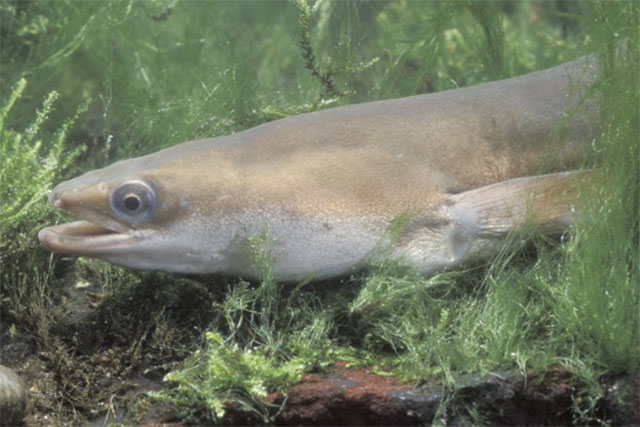
Unagi is the Japanese word for freshwater eel, specifically the species used in kabayaki and sushi. It is not a cooking method or a sauce — it's the fish itself.
What is kabayaki?
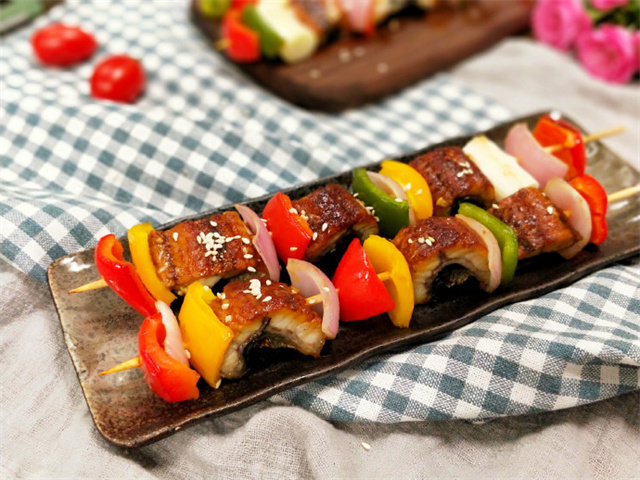
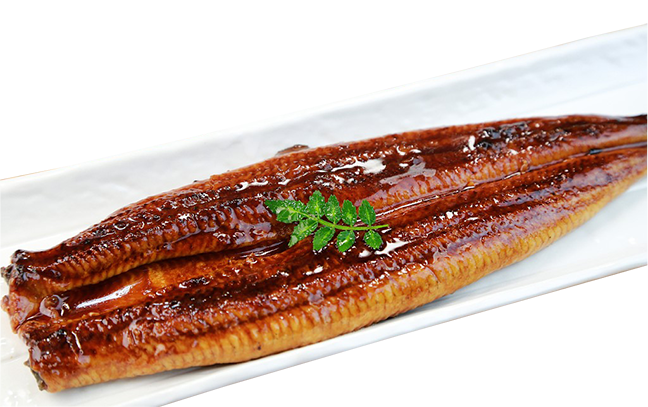
Kabayaki describes the preparation: the eel is butterflied, deboned, skewered, and grilled while being basted repeatedly with a sweet soy glaze. If you've seen frozen unagi kabayaki in a foodservice catalog, that's the finished product — cooked eel, already glazed and ready to reheat.
What is tare?
Tare (pronounced tah-reh) is the general Japanese term for a basting or dipping sauce. Unagi tare specifically refers to the glaze brushed onto eel during kabayaki grilling — a mix of soy sauce, mirin, sugar, and sometimes a small amount of eel stock. This is what most Western packaging labels as eel sauce.
What is nitsume?
Nitsume is a thicker, more concentrated glaze traditionally used in Edomae-style sushi. It's made by simmering eel bones and heads with soy sauce and mirin for a long stretch of time, reducing it into a syrupy, deeply eel-flavored finish brushed onto nigiri right before serving. It is not the same thing as a quick basting tare, even though both taste sweet and savory.
Is Unagi Sauce the Same as Eel Sauce? Comparing the Labels Side by Side
Here's where the confusion usually starts. In most retail and restaurant contexts across the US, EU, and Australia, "eel sauce" is simply the English-language name given to unagi tare. But the ingredient list and intended use can shift depending on who bottled it and where it's headed.
| Label | What's Actually In It | Typical Use | Where You'll See It |
|---|---|---|---|
| Unagi (the fish) | Freshwater eel, no sauce involved | Raw or pre-cooked ingredient | Menus, packaging headers |
| Kabayaki | Deboned eel fillet glazed and grilled | Ready-to-heat main dish | Frozen retail packs, izakaya menus |
| Unagi Tare / Eel Sauce | Soy sauce, mirin, sugar, sometimes light eel stock | Basting during grilling, drizzle on rolls and bowls | Bottled sauce, sushi counter squeeze bottles |
| Nitsume | Reduced eel bone/head stock, soy, mirin, sugar — thicker and more eel-forward | Finishing glaze on nigiri only | Traditional Edomae sushi restaurants |
So the practical takeaway: is unagi sauce the same as eel sauce in most kitchens outside Japan? Yes — they're the same commercial product wearing two different labels. But nitsume is a separate, more specialized item, and calling it "eel sauce" on a menu tends to undersell what the chef actually made.
The Boundary — When These Labels Can Be Used Interchangeably, and When They Cannot
This is the part most blog posts skip, and it's the part that actually matters if you're buying, cooking, or selling these products.
- Interchangeable: Retail bottles for home cooking. If you're drizzling sauce over a homemade eel sushi roll, "eel sauce" and "unagi tare" refer to the same glaze — buy whichever is cheaper or closer to you.
- Interchangeable: Casual sushi restaurant menus in the US, Germany, or Poland. A dragon roll listed with "eel sauce" almost always means unagi tare, not nitsume.
- Not interchangeable: Edomae-style sushi counters. A chef who distinguishes nitsume from tare is telling you something about technique — nitsume takes hours to reduce and carries real eel-bone depth; tare is thinner and faster to make.
- Not interchangeable: Grilling recipes. A basting glaze applied through multiple soy-sauce coating layers during roasting behaves differently from a bottled finishing drizzle — the sugar content and viscosity are tuned for different jobs.
- Regional shift: In Southeast Asia and parts of China, foodservice menus often collapse all three terms into one — "roasted eel sauce" or "kabayaki sauce" — for import and menu-printing simplicity. That's fine for a casual noodle shop, less fine for a high-end omakase counter.
Worked example: Say you run a Japanese-American izakaya in Chicago and you're sourcing frozen kabayaki from an overseas supplier. Your chef wants the classic four-layer soy glaze finish — the kind built through temperature-controlled coating steps rather than a single dip. If your supplier only offers a one-pass tare application, the eel will taste flatter and lighter in color than what your customers expect from a proper kabayaki plate. That distinction — one coat versus four — is exactly the kind of detail that separates a decent import from one that matches Japanese-style plating.
Common Label Mistakes That Trip Up Home Cooks and Buyers
- Assuming "eel sauce" always contains eel. Many bottled versions are just soy, mirin, and sugar — check the ingredient panel if authenticity matters to your dish.
- Using nitsume-style thick glaze for high-heat grilling. Its higher sugar concentration burns fast under direct heat; it's built for finishing, not basting through multiple heat passes.
- Expecting bottled unagi tare to taste like true nitsume. It's functional and pleasant, but lighter — it won't carry the same eel-bone depth.
- Confusing ready-to-eat kabayaki with raw frozen kabayaki. Packaging should state whether the product needs a full cook or just a reheat — mixing this up ruins texture.
- For importers specifically: assuming every supplier's "eel sauce" meets your market's food safety standards. Always request lab documentation before signing — don't take a label at face value.
A Sourcing Checklist for Restaurants and Importers Buying Eel Sauce or Kabayaki
If you're buying at commercial volume rather than picking up a single bottle, the label questions above turn into supplier due-diligence questions. Here's what to check before placing an order:
- Confirm the facility holds ISO 22000:2018 and HACCP certification, plus HALAL certification if your market requires it.
- Ask for the export food producer registration and production license number — a legitimate exporter will provide this without hesitation.
- Request traceability records back to the farming base. A supplier with roughly 2,150 mu across customs-registered farms should be able to trace a batch from pond to shipment.
- Verify cold-chain capacity matches your order size — a 1,000-ton cold storage facility handles steady volume better than a supplier reliant on third-party freezers.
- Ask for the roasting spec sheet: how many soy-sauce coating layers, and whether temperature is controlled at each step. This affects color consistency and fat content in the finished eel.
- Request lab test reports covering veterinary drug residues and microbiological indicators against your target market's standards (Japan, US, or EU).
- Clarify minimum order quantity and lead time. A regular order typically runs about 30 days from confirmation to shipment, though this is negotiable based on cut spec and volume.
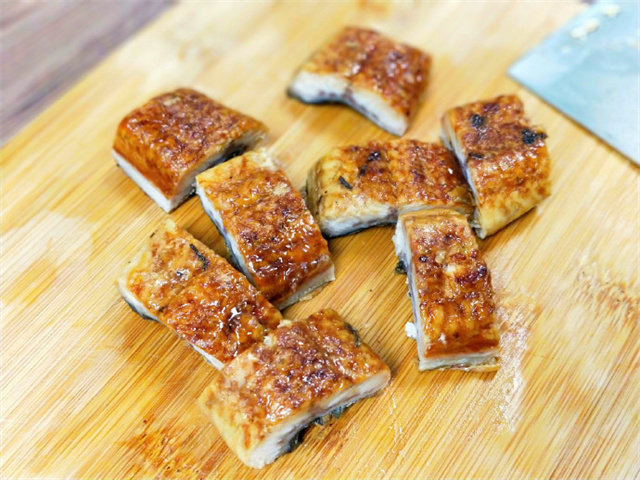
- Match the product form to your kitchen — skewers, cut pieces, or whole kabayaki, and packaging format (skin-pack for retail, gift box for premium channels).
For teams building out a menu around eel, it's also worth looking at how the glaze itself is formulated — small recipe adjustments change both flavor and how the sauce holds up to reheating. This kabayaki sauce troubleshooting guide covers the flavor mistakes that show up most often in test kitchens, and the in-house lab process behind quality checks gives a sense of what verification looks like on the supplier side.
If your kitchen or import program needs a clearer answer than "probably the same thing," request a spec sheet or sample pack that shows the exact glaze composition and coating process — it settles the unagi-tare-versus-eel-sauce question faster than any label ever will.

 WhatsApp
 sales@chinaeels.com
 +8619937922411