

What Is Anago, the Saltwater Eel Every Sushi Menu Gets Wrong
You order "eel" at a sushi counter. It's sweet, glazed, almost caramelized. Is that unagi? Or anago? Most menus don't say — and most diners never ask. That gap is exactly where buyers get burned on sourcing.
So what is anago, really? In short, anago is the Japanese term for saltwater conger eel, most often ma-anago (Conger myriaster), a species pulled from coastal waters rather than raised in freshwater ponds like unagi. If you're buying, cooking, or menu-planning eel dishes, that one distinction changes fat content, texture, cooking method, and price.
What Is Anago? A Quick Answer Before You Order
Anago (穴子) literally means "hole fish," a nod to its habit of burrowing into sandy or muddy sea floors during the day. Unlike unagi — the freshwater eel used in kabayaki and unadon — anago lives its entire life in saltwater, usually along continental shelves and estuary mouths.
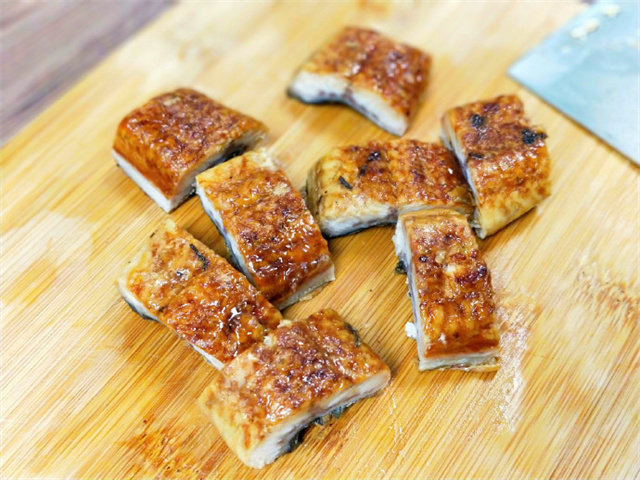
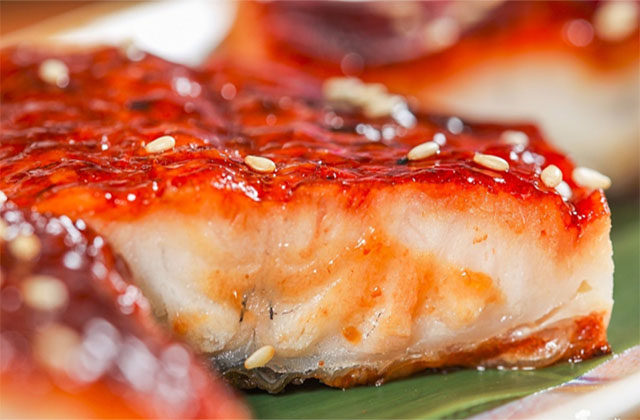
Texture-wise, anago is lighter, flakier, and lower in fat than unagi. It's typically simmered rather than heavily charcoal-grilled, and served as a topping (anago-don) or in sushi (anago nigiri), often brushed with a thinner, less caramelized sauce than the thick unagi tare used on kabayaki.
If a restaurant lists "eel" without specifying, ask which one. The price point alone is a tell — anago generally runs cheaper than farmed unagi because wild-caught supply, while seasonal, doesn't carry the years-long farming cycle unagi requires.
Species and Habitat Breakdown — Why "Anago" Usually Means Ma-Anago
Not every conger eel sold as "anago" is the same fish. This matters for buyers because species affects fat marbling, bone structure, cooking time, and shelf behavior in frozen form. Get the species wrong and you'll either overcook a delicate fillet or undercook a tougher one.
The Northwest Pacific Range That Defines True Anago
Ma-anago is native to the Northwest Pacific, ranging from Japanese coastal waters down through the East China Sea. It thrives in sandy or muddy seabeds at 20–100 meters depth, which is why it's caught, not farmed — the burrowing behavior makes aquaculture impractical at commercial scale.
| Parameter | Ma-Anago (True Anago) | Common Substitute Species | What Goes Wrong If Confused |
|---|---|---|---|
| Habitat | Saltwater, Northwest Pacific seabeds | Other regional congers, sometimes Atlantic conger | Different fat distribution alters simmer time by 2–3 minutes |
| Fat content | Moderate, evenly distributed | Often leaner or unevenly marbled | Dry, stringy texture after cooking |
| Bone structure | Fine pin bones, easy to soften when simmered | Thicker bones in some substitutes | Grittiness if deboning is skipped |
| Typical size | 40–60 cm at harvest | Varies widely, 30–80 cm | Inconsistent portion sizing on menus |
| Flavor profile | Clean, mild-sweet | Can be muddier or more mineral | Sauce won't mask off-flavors properly |
For import buyers, this table isn't academic. If a supplier can't confirm the species name on the packing list, you can't confirm cooking parameters either. That's a real gap in a purchase order, not a minor labeling issue.
Anago vs Unagi Common Mix-Ups (and Why They Matter)
Both fish get called "eel" in English, which is exactly the problem. Here's where buyers and home cooks go wrong most often:
- Mistake 1: Assuming anago and unagi can be cooked with the same sauce and time. Unagi kabayaki uses a thick, four-layer soy-based glaze applied over higher heat; anago is usually simmered gently in a lighter dashi-soy broth.
- Mistake 2: Buying "eel sauce" expecting it to work identically on both. The viscosity and sugar ratio in a true eel sauce made for kabayaki will over-sweeten a delicate anago dish.
- Mistake 3: Expecting anago to hold up on a hot grill the way unagi does. Its lower fat content means it dries out fast under direct heat — simmer or steam instead.
- Mistake 4: Ignoring bone prep. Anago's fine bones need careful skinning and deboning before cooking, similar in principle to the process described in our eel cleaning, skinning & deboning guide.
How to Choose Anago or Unagi for Home Cooking or Menu Sourcing
Whether you're a home cook stocking a freezer or a buyer sourcing for a restaurant chain, the decision usually comes down to three questions:
- Do you want the sweet, charcoal-glazed profile? Choose unagi kabayaki. Its higher fat content holds up to grilling and thick sauce layers.
- Do you want a lighter, more delicate topping for donburi or nigiri? Choose anago, simmered and lightly sauced.
- Is species traceability part of your compliance requirement? Ask for documentation. Serious suppliers can trace product back to specific farming or fishing origins.
A buyer's checklist before placing an order:
- Confirm species name in writing (ma-anago vs. unagi vs. generic "conger eel")
- Check fat content and size grading match your menu use case
- Verify cold-chain handling — frozen eel that's thawed and refrozen loses texture fast
- Ask whether the product is boneless/deboned, which cuts back-of-house labor
- Request lab testing records for veterinary drug residues and microbiological indicators, especially for Japan, US, or EU import
Cooking Anago and Unagi Kabayaki the Right Way
Here's a simplified process comparison, useful for kitchens handling both:
- Thaw frozen eel under refrigeration, not at room temperature, to protect texture.
- For anago, simmer gently at around 85–90°C for 8–10 minutes in a light dashi-soy broth.
- For unagi kabayaki, reheat by steaming for 3–4 minutes, then finishing under a broiler for 1–2 minutes per side to re-crisp the glaze.
- Brush unagi with a thick soy-based glaze; brush anago with a thinner, less reduced sauce.
- Rest 1–2 minutes before slicing to keep the flesh from tearing.
If you're building sushi rolls or donburi bowls at home, our guide on making unagi rolls and the unagi ramen guide both walk through timing in more detail.
Sourcing Anago and Unagi Kabayaki for Foodservice
For importers and foodservice buyers, the species question turns into a supply chain question. Eelpro Co., LTD operates two production lines — frozen roasted eel and deep-processed aquatic products — with a combined annual capacity of 4,000 tons. Raw material comes from 19 self-operated and cooperative certified farming bases, part of a wider network of nearly 20 customs-registered eel farming bases covering over 2,150 mu.
Every batch runs through an in-house laboratory with metal detectors at critical control points, backed by ISO 22000:2018, HACCP, and HALAL certification. That's the traceability layer buyers need when a customs officer or auditor asks "what is anago" — or unagi, or any species on the label — and wants documentation, not a guess.
Our unagi kabayaki product line uses a patented low-fat roasting process with four precise layers of soy-sauce coating, developed specifically to hit the "white-roasted" and finished color standards export buyers expect. If your kitchen wants both the sauce and the technique behind it explained, see our breakdown on why kabayaki sauce works the way it does.
None of this replaces knowing what is anago versus what is unagi on your own menu — but it does mean that once you've made the choice, the supply side won't be your weak link.
Author: Nancy Chen, Senior Food Safety & Quality Specialist at Eelpro Co., LTD. Nancy has spent over 12 years managing food safety and quality control for eel and seafood exporters, overseeing HACCP and ISO 22000 systems and guiding overseas clients through import compliance for Japan, US, and EU markets.
Have a question about sourcing anago, unagi kabayaki, or eel sauce for your kitchen or import order? Reach out for a spec sheet or sample request, and we'll walk through species, cut, and packaging options that fit your order size.

 WhatsApp
 sales@chinaeels.com
 +8619937922411