


Match Unagi Seafood Seasoning Sauce to Seafood for Better Menu Results
A glossy seafood glaze can make a plate look irresistible, then disappoint on the first bite. The problem is usually not the fish. It is the sauce-to-texture match. Unagi seafood seasoning sauce should cling to the seafood, support its natural flavor, and stay balanced after grilling or reheating rather than simply adding sweetness.
For foodservice buyers and recipe developers, sauce selection affects more than appearance. It changes perceived richness, bite, aroma, rice compatibility, holding performance, and portion consistency. A sauce that works beautifully on fatty grilled eel may overwhelm delicate shrimp. A light-bodied application that suits salmon may slide off a firm white-fish fillet.
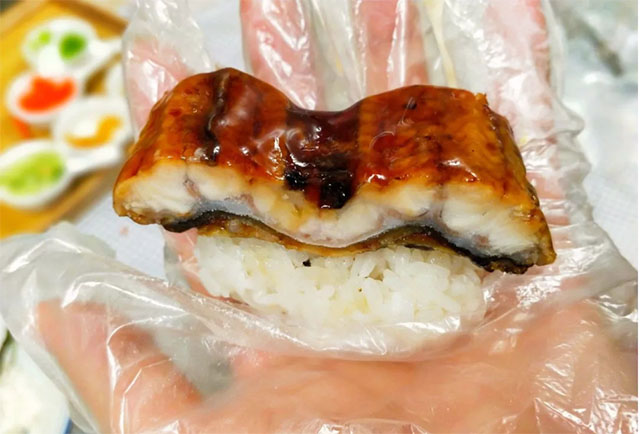
This guide gives buyers a practical way to assess unagi seafood seasoning sauce before a menu test. The goal is not to treat eel sauce as a generic sushi drizzle. The goal is to choose an application that fits the protein, cooking method, serving format, and customer expectation.
Start with the seafood texture instead of the sauce name
The name on a bottle is not enough for menu development. “Unagi sauce,” “eel sauce,” and “unagi tare” can all describe sweet-savory sauces intended for Japanese-style dishes, but their best use depends on body, sweetness, salt perception, and how the sauce behaves under heat.
The first decision is simple: identify whether the seafood is fatty, lean, fragile, firm, or naturally sweet. This determines whether the sauce should act as a glaze, a finishing brush, a dip, or a rice-bowl seasoning.
- Choose a fuller glaze for rich or oily seafood when the menu needs shine and a stronger sweet-savory finish. This fits grilled eel and some salmon formats. It does not fit every delicate seafood item because a heavy coating can hide natural flavor.
- Choose a lighter finishing application for seafood with a mild taste or tender structure. This fits shrimp, steamed fish, and thin slices. It is less suitable when the product needs to hold a glossy surface after grilling.
- Use sauce as a component, not a cover, when seafood is served with rice, vegetables, or noodles. The rice and side ingredients will carry extra sweetness and salt, so the protein should not receive an excessive coating.
- Test after the final cooking step, not only on a cold sample. A sauce can taste balanced at room temperature but become sweeter, thicker, or more dominant after heating.
A useful buyer question is: “What should the diner taste first?” If the answer is roasted eel, grilled fish, or sweet shrimp, the sauce should frame that flavor. If the answer is a bold Japanese-style glazed entrée, the sauce may play a larger role.
For buyers developing eel-based dishes, our eel sauce product page can help establish a starting point for product discussions. Pairing decisions should still be confirmed with a finished-dish sample test, because cut size, cooking equipment, and service format all change the result.
Use texture-based pairing guidance for grilled eel, salmon, shrimp, and firm white fish
Unagi seafood seasoning sauce performs differently on each seafood type because viscosity and sweetness influence adhesion, moisture perception, and flavor contrast. Viscosity determines whether the sauce stays where it is applied. Sweetness determines whether it rounds out savory notes or masks them.
| Seafood type | Texture and natural flavor | Preferred sauce behavior | What happens if viscosity is wrong | What happens if sweetness is wrong |
|---|---|---|---|---|
| Grilled eel | Soft, rich, fatty, and roasted | A coating that clings well and supports repeated brushing during grilling | Too thin: the glaze runs off and gives uneven color. Too heavy: the surface can feel sticky and obscure the eel’s roasted character. | Too low: the finish may taste flat beside rich eel fat. Too high: the dish can become candy-like, especially when served over rice. |
| Salmon | Oily, tender, and clean-tasting | A moderate coating or final brush that balances fat without burying the fish | Too thin: the sauce pools on the plate. Too thick: it can sit on the soft flesh and make each bite feel heavy. | Too low: the sauce may not provide enough contrast to salmon richness. Too high: it can overpower the fish and conflict with sweet garnishes. |
| Shrimp | Lean, springy, and naturally sweet | A light application, drizzle, or dip that leaves the shrimp flavor clear | Too thin: the sauce may disappear after plating. Too thick: it fills the shrimp’s surface details and creates a gummy mouthfeel. | Too low: the dish may taste salty rather than rounded. Too high: shrimp’s natural sweetness becomes difficult to detect. |
| Firm white fish | Lean, flaky, mild, and often subtly sweet | A controlled brush or side application with enough body to stay on the fillet | Too thin: it seeps into flakes and can make the plate look wet. Too thick: it forms a dominant layer on a mild fish. | Too low: saltiness can appear sharp. Too high: the sauce becomes the main flavor, leaving the fish indistinct. |
The practical conclusion is clear. Unagi seafood seasoning sauce should generally be used as a more visible glaze on grilled eel, a measured brush on salmon, a lighter finish for shrimp, and a controlled surface coating for firm white fish. This guidance applies to grilled, roasted, and reheated menu items. It does not automatically apply to raw seafood, heavily spiced dishes, battered items, or acidic marinades, where another sauce structure may be more appropriate.
For a ready-to-serve eel menu, review the available unagi kabayaki product formats alongside sauce testing. The eel cut, portion thickness, and reheating method should be considered together with the glaze.
Assess viscosity and sweetness with a practical kitchen test
Recipe developers do not need to rely on assumptions. A small comparative test can reveal whether unagi seafood seasoning sauce is suitable for a menu item before a larger purchasing decision.
- Select four proteins: grilled eel, salmon, shrimp, and a firm white fish. Keep the portion style consistent within each protein test.
- Prepare an untreated reference portion: this shows the seafood’s own salt level, fat level, and moisture character.
- Apply the sauce in two ways: brush one portion before the final heating step and finish another portion after heating. This shows how the sauce changes with heat.
- Check adhesion: look for even coverage, not bare patches, pooling, or a thick layer that hides the seafood surface.
- Check bite: taste sauce and seafood together. The first impression should match the menu concept, while the finish should not become overly sweet or salty.
- Test with the final accompaniment: include rice, noodles, vegetables, or garnish. A sauce that works on seafood alone can become too sweet when combined with seasoned rice.
- Record the result by application: note whether the best use is glazing, brushing, drizzling, dipping, or bowl seasoning.
The key criterion is not “Does it taste good from a spoon?” The key criterion is “Does it improve the finished plate?” Unagi seafood seasoning sauce that tastes rich by itself may be too concentrated for shrimp or white fish. Conversely, a mild sauce may need a larger role on grilled eel.
A cold knowledge point for menu teams: sauce thickness does not automatically mean stronger flavor. A thicker sauce may simply remain on the food longer, which changes the diner’s perception of sweetness and salt. That is why adhesion and flavor should be evaluated separately.
Avoid common sauce-pairing mistakes before menu testing
Many seafood sauce issues are predictable. They usually come from applying one method to every protein or judging the sauce before the complete dish is assembled.
- Mistake: using the same coating weight on eel and shrimp.
Why it fails: eel has a richer texture and can support a more noticeable glaze, while shrimp is lean and naturally sweet. Use a lighter finish for shrimp. Do not use this rule for heavily breaded shrimp, where sauce may need to be served separately to protect texture. - Mistake: judging only the sauce before heating.
Why it fails: heating changes aroma, surface shine, and sweetness perception. Test both pre-heat and post-heat application. This is less relevant for cold dipping sauces that are never heated. - Mistake: adding sweet sauce to already sweet components.
Why it fails: sweet rice seasoning, caramelized vegetables, or fruit-based garnishes can push the dish too far. Reduce the sauce role or use it only on the seafood. This limit does not apply when the menu intentionally targets a dessert-like savory-sweet profile. - Mistake: hiding poor seafood handling with extra glaze.
Why it fails: sauce cannot correct dryness, off-odors, or weak texture. Confirm raw material quality and cooking control first. - Mistake: treating a glaze as a garnish.
Why it fails: a grill glaze must adhere and remain balanced after heating, while a garnish can be lighter and more aromatic. Specify the intended application when requesting samples.
Buyers comparing unagi seafood seasoning sauce options should ask suppliers for clear application guidance rather than relying on a generic “for sushi and seafood” description. The intended plate matters: a sushi roll, rice bowl, grilled entrée, skewer, and seafood platter all place different demands on the sauce.
Build a buyer brief that suppliers can test accurately
A vague request such as “Please quote eel sauce” creates avoidable sampling rounds. A better brief gives the supplier enough detail to recommend a suitable format and lets the buyer compare samples fairly.
| Information to provide | Why it affects selection | Buyer decision criterion |
|---|---|---|
| Primary seafood | Fat, moisture, and texture determine glaze weight and sweetness balance. | Name the main protein and any secondary seafood in the dish. |
| Cooking method | Grilling, roasting, reheating, and cold use change how sauce performs. | State whether the sauce is applied before heating, after heating, or both. |
| Serving format | Rice bowls, sushi, skewers, and plated entrées need different visual coverage. | Describe whether sauce should coat, stripe, dip, or season rice. |
| Target flavor profile | A sweeter finish may suit eel but not every white-fish dish. | Identify whether the desired result is mild, balanced, or pronounced. |
| Market destination | Import documentation and product requirements may differ by destination. | Confirm the destination market before finalizing supply requirements. |
| Packaging and order plan | Foodservice use and retail use may require different pack formats and order quantities. | Provide expected order volume and preferred packaging format for quotation. |
Unagi seafood seasoning sauce should be specified as part of a finished menu system, not sourced in isolation. For example, a buyer developing grilled eel rice bowls should test the sauce with eel, rice, and the final garnish. A buyer developing shrimp skewers should test lighter surface application and a separate dip option. These are different usage cases, even when the base sauce category is similar.
Eelpro supplies frozen unagi kabayaki, eel sauce, frozen seafood, and freshwater eel products. Our facility operates under HACCP and ISO 22000:2018 food safety management systems, and also holds HALAL certification, export food producer registration, and an SC Food Production License. For buyers needing supply-chain visibility, Eelpro works with approximately 20 customs-registered eel farming bases covering 2,150 mu, supported by farm-to-shipment traceability controls.
For Japanese restaurant, retail, and foodservice programs, sauce testing can also be aligned with finished eel specifications. Our two modern production lines have an annual finished-goods capacity of 4,000 tons, supported by a 1,000-ton cold storage facility. Regular order delivery is approximately 30 days from order confirmation to shipment, subject to product specifications and order quantity.
Choose the right application for each menu format
The same sauce can have different roles across a menu. The right choice depends on what customers see, how the dish is eaten, and whether the seafood remains the center of the plate.
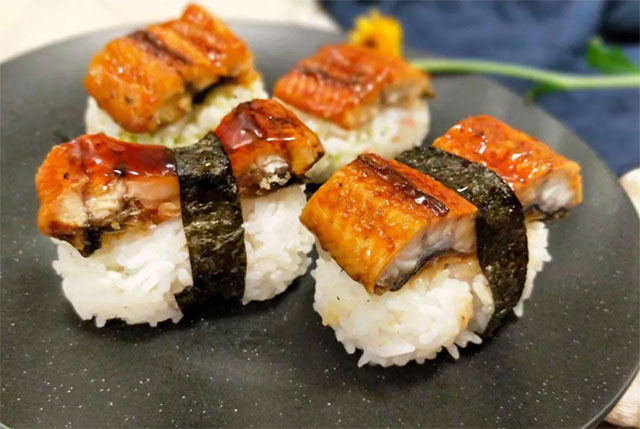
- Grilled eel rice bowl: use unagi seafood seasoning sauce as a glaze and consider the rice as part of the taste test. The sauce should support roasted eel and season the bowl without making the rice cloying. This format fits kabayaki-style service but may not fit a lighter seafood menu.
- Salmon entrée: use a measured final brush or a controlled plate application. The aim is contrast with salmon fat, not a dense coating. This works best when the salmon is simply seasoned; it may not fit strongly spiced or smoked preparations.
- Shrimp skewers: use a light brush near the end of cooking or serve the sauce as a dip. This preserves shrimp’s springy bite. It is less suitable when the skewers are coated in a crisp batter.
- Firm white-fish fillet: brush sparingly or place sauce beside the fish for diner control. This protects the mild flavor and flaky structure. It may not provide enough visual impact for a menu that requires a dark, glossy grilled finish.
- Sushi roll finishing: use a narrow drizzle rather than full coverage. The sauce should complement rice and fillings. It does not replace proper seasoning in the rice itself.
For menu teams looking for dish-format ideas, our eel flavor pairings resource offers additional ways to consider side ingredients and serving styles. For a closer look at sauce-related menu positioning, see our kabayaki sauce article.
The best unagi seafood seasoning sauce choice is the one that stays in proportion. On eel, it should reinforce roasted richness. On salmon, it should balance fat. On shrimp, it should preserve sweetness. On firm white fish, it should add interest without taking over. Ask Eelpro for a quotation or sample discussion based on your seafood item, cooking method, and target menu format.