





The Nutritional Benefits of Eel Come Down to Four Nutrients Most Diets Fall Short On
Why does a fillet of roasted eel carry more usable protein and vitamin D than most fish on the shelf? That's the question importers and foodservice buyers ask us before they place a first order. The short answer: eel's fat isn't a flaw to trim away — it's where the nutritional benefits of eel actually live. Omega-3 fats, vitamin B12, and vitamin D all ride along in that fat layer, and knowing how they work changes how you handle, cook, and sell the product.
This isn't a recipe post. It's the technical breakdown buyers need before they write nutrition claims on a menu or a product label, and it's the same reasoning our quality team applies when we evaluate incoming raw material at our farming bases.
What's Actually in a Portion of Eel
Values vary by species, season, and how the eel is cooked, but the pattern holds across most reference data for cooked freshwater eel (per 100g, dry-heat cooked):
| Nutrient | Typical Amount | % Relevance |
|---|---|---|
| Calories | ~236 kcal | Moderate-energy fish |
| Protein | ~17-23g | Complete amino acid profile |
| Total fat | ~15g | Mostly unsaturated |
| Omega-3 (EPA+DHA) | ~0.5-1.2g | Higher than white fish, comparable to salmon |
| Vitamin B12 | ~2.5-3.5 mcg | Well above most fin-fish |
| Vitamin D | ~4-5 mcg | Rare among freshwater species |
That vitamin D number is the one buyers underestimate. Very few freshwater fish carry meaningful vitamin D — eel does, and that's a genuine selling point for retailers targeting winter-season nutrition messaging, when sunlight-driven vitamin D synthesis drops.
One caveat: unagi kabayaki is coated in a soy-based glaze, so the finished product carries added sugar and sodium on top of the base fish nutrition. If a buyer is building a "high-protein, low-sugar" label claim, that needs to be calculated from the finished, sauced product — not the raw fillet.
How Omega-3 Fats, Vitamin B12, Vitamin D, and Protein Actually Work
Understanding a nutrient list is one thing. Knowing what each one actually does in the body — and what goes wrong without it — is what turns a nutrition fact sheet into a real selling argument.
| Nutrient | What It Actually Does | What Happens If Intake Is Low |
|---|---|---|
| Omega-3 fatty acids (EPA/DHA) | Structural component of cell membranes; regulates inflammation signaling; supports cardiovascular and cognitive function | Higher inflammatory markers, reduced membrane fluidity in neural tissue, weaker cardiovascular protection |
| Vitamin B12 | Required for red blood cell formation and nerve myelin maintenance; cofactor in DNA synthesis | Fatigue, nerve tingling, megaloblastic anemia — common in plant-heavy diets with no animal-source B12 |
| Vitamin D | Regulates calcium absorption in the gut; supports bone mineralization and immune signaling | Weaker bone density over time, higher fracture risk, reduced immune response — especially relevant for populations with low sun exposure |
| Protein | Supplies all nine essential amino acids needed for muscle repair, enzyme production, and satiety signaling | Slower muscle recovery, reduced satiety leading to overeating, slower wound healing |
A practical note for foodservice buyers: eel's combination of B12 and vitamin D is unusual because both nutrients are hard to source from plant foods. That's why eel dishes are frequently positioned on menus targeting older adults or health-conscious diners — the nutrient gap it fills is a real one, not a marketing invention.
Common Mistakes People Make When Judging Eel's Nutrition Value
- Trimming off the fat before cooking. The skin and subcutaneous fat layer is where most of the omega-3 content sits. Trimming it for a "leaner" presentation removes the nutrient you were buying eel for in the first place.
- Comparing raw fillet data to finished kabayaki. The soy-sauce glaze adds sugar and sodium; nutrition panels built from raw-fish databases will understate calories and overstate the "health halo."
- Ignoring cooking method. Deep-frying at high, uncontrolled temperatures oxidizes omega-3 fats faster than controlled roasting. Oxidized fats lose nutritional value and can develop off-flavors.
- Assuming all frozen eel holds nutrients equally. Repeated freeze-thaw cycles during transit degrade fat-soluble vitamins and accelerate lipid oxidation — a cold-chain issue, not a fish-quality issue.
- Overlooking sourcing traceability. Farm-to-shipment records affect more than food safety — inconsistent feed and farming conditions change the fat composition and, by extension, the omega-3 content of the finished fish.
Why Cold-Chain Handling Decides Whether Those Nutrients Survive to the Plate
Omega-3 fatty acids are chemically unstable — they oxidize when exposed to heat, light, or repeated temperature swings. This is the part of the nutritional benefits of eel conversation that rarely gets discussed outside quality control rooms, but it matters as much as the raw nutrition numbers.
Our production runs on two lines — frozen roasted eel and deep-processed aquatic products — supported by a 1,000-ton cold storage facility built specifically to hold temperature stable through storage and logistics. That stability is what keeps fat oxidation low between roasting and the buyer's cold room. We also use a four-layer soy-sauce coating process with temperature-controlled steps at each stage, which limits the fish's heat exposure during roasting compared to uncontrolled high-heat methods. Combined with our patented low-fat roasting and deodorizing technology, this keeps the finished frozen unagi kabayaki closer to its raw nutrient profile than fast, high-heat processing typically allows.
None of this replaces good handling on the buyer's side. Even a well-processed batch loses nutritional and eating quality if it sits through multiple thaw cycles in a distributor's warehouse. If your supply chain includes more than one cold-storage transfer point, ask your supplier for their storage temperature logs — not just their certificate list.
A Sourcing Checklist for Buyers Who Need Nutrition Claims They Can Back Up
Before listing eel-specific nutrition claims on packaging or a menu, run through this checklist:
- Certifications on file: confirm ISO 22000:2018, HACCP, and — where applicable — HALAL certification, plus an export food producer registration matching your import market's requirements.
- Residue and microbiological testing: ask whether the supplier tests against Japan, US, or EU veterinary drug residue standards, not just domestic thresholds.
- Traceability depth: can the supplier trace a shipment back to a specific registered farming base? Full-chain traceability from farm registration through process verification is what separates a documented supply chain from a paper certificate.
- In-house testing capability: a supplier running its own laboratory testing program and metal-detector checkpoints catches issues before shipment, not after a customer complaint.
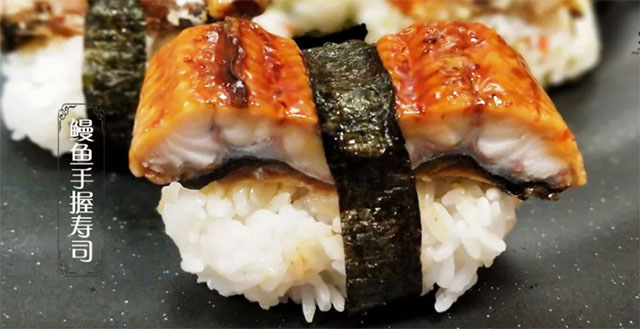
- Cutting spec match: confirm the supplier can deliver your required cut — shredding, dicing, strip-cutting, chunk-cutting, or sushi slices — since nutrient density per portion changes slightly depending on how much skin and fat is retained in each cut.
Scenario: A US importer sourcing unagi kabayaki for a restaurant chain wanted a "good source of vitamin D" claim on their menu insert. That required a lab-verified nutrient panel from the actual finished, sauced product — not a generic species database figure — plus documentation tying the batch back to its farming base and residue test results. That's the level of paperwork nutrition claims actually require, and it's a normal request for suppliers with full-chain traceability in place.
Putting the Nutrition Profile to Work in Your Product Line
If you're building a menu, retail SKU, or private-label product around eel, the nutrition story works best when it's paired with consistent product specs. Boneless, standardized-cut eel reduces prep variance in the kitchen, which also keeps portion-level nutrition figures consistent across batches — a detail that matters if you're printing nutrition facts on packaging. For teams exploring flavor pairing and menu development, our kabayaki sauce breakdown covers how the glaze itself affects both taste and the sugar/sodium side of the nutrition panel, and our frozen seafood line offers additional options if you're diversifying beyond eel-only SKUs.

Frequently Overlooked Details Worth Checking Before You Order
Buyers new to eel sourcing often skip a direct conversation about cutting waste and yield. Skin-on, bone-in product carries more of the fat-soluble nutrients per gram, but it also means more back-of-house labor. Deboned, ready-to-heat formats trade a slightly lower per-gram fat concentration for lower prep cost and more consistent portioning — a fair trade for most foodservice operations. Neither option is universally "better"; it depends on whether your kitchen has the labor to process whole fish or needs a heat-and-serve format.
Ready to compare specs against your menu or retail requirements? Reach out for a current spec sheet or request a sample batch — we'll match cut, packaging, and documentation to what your import market actually requires.
 WhatsApp
 sales@chinaeels.com
 +8619937922411