





The Unakyu Roll Ingredient That Actually Makes This Sushi Roll Work
By Nancy Chen, Senior Food Safety & Quality Specialist, Eelpro Co., LTD — ISO 22000 & HACCP certified auditor, 12+ years in seafood export quality assurance.
Order a unakyu roll and the menu rarely tells you what's actually inside it. Is the eel the same fish served on a kabayaki dinner plate? A different species entirely? The core unakyu roll ingredient is grilled freshwater eel — specifically unagi, not anago — layered with crisp cucumber and a sweet-savory glaze. Mix that up, either on a restaurant menu or at your own cutting board, and the roll loses both its flavor balance and its texture.
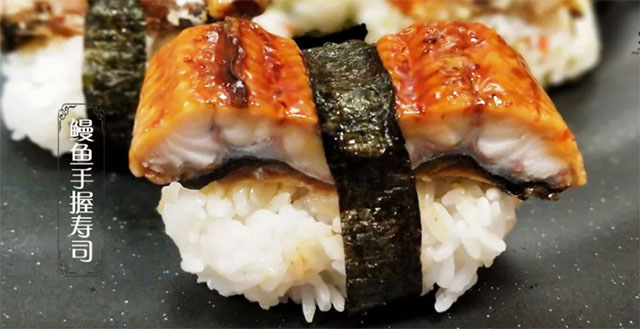
What Actually Goes Into a Unakyu Roll
Unakyu (鰻きゅう) is short for unagi + kyuri (cucumber). It's a maki roll, not nigiri, which means the build matters as much as the fish itself.
- Sushi rice — seasoned with rice vinegar, sugar, and salt, cooled to room temperature before rolling.
- Nori — one full sheet, toasted side facing the rice.
- Kyuri (cucumber) — seeded and cut into thin batons for crunch.
- Grilled unagi kabayaki — the eel is pre-cooked, butterflied, and glazed with soy-based sauce before rolling.
- Eel sauce (unagi tare) — brushed on top after slicing, sometimes drizzled inside as well.
- Toasted sesame seeds — optional, added for aroma and texture contrast.
The kabayaki eel is the true unakyu roll ingredient that decides whether the roll tastes like something worth ordering again. Rice and cucumber are supporting players — the eel and its glaze carry the dish.
Unagi, Anago, and the Crossword-Clue Meaning of "Eel" in a Unakyu Roll
Crossword puzzles love the word "eel" — three letters, vowel-heavy, and it can answer clues for several different fish. In a unakyu roll, though, only one answer is correct, and it's worth separating fact from puzzle trivia.
| Term | Species / Habitat | Typical Fat Content | Common Prep | Used in Unakyu Roll? |
|---|---|---|---|---|
| Unagi | Freshwater eel, Anguilla japonica | Higher, richer | Kabayaki — split, grilled, soy-glazed in layers | Yes — the standard unakyu roll ingredient |
| Anago | Saltwater conger eel | Lower, leaner | Simmered or lightly grilled, often unsauced | No — used in anago-don and anago nigiri instead |
| Crossword "eel" | Generic clue answer, not a specific dish | N/A | Puzzle shorthand only | Not applicable to a real order — defaults to unagi in Japanese-restaurant context |
If a crossword clue reads "eel used in a Japanese sushi roll," the intended answer is unagi. Anago appears in different puzzle answers tied to conger eel dishes, but it isn't the fish that belongs in an authentic unakyu roll. Confusing the two at a sushi counter is a common mistake — anago is milder and less fatty, and it doesn't hold a soy glaze the way kabayaki-style unagi does. Getting this unakyu roll ingredient right separates a proper unakyu from a cucumber roll with random fish on top.
How to Choose the Right Eel for a Unakyu Roll — A Buyer's Checklist
Choosing the correct unakyu roll ingredient matters whether you're a home cook picking up frozen kabayaki at an Asian grocery store or a foodservice buyer sourcing in bulk. The checks below apply either way.
- Color — look for a deep mahogany-brown glaze, the result of multiple soy-sauce coating passes. A pale or uneven color usually means a thin, single-dip glaze.
- Bone check — properly processed kabayaki should be fully deboned; pin bones left in ruin the roll-slicing step.
- Fat feel — press the fillet. It should feel firm, not greasy. Overly oily fillets often come from poor draining during roasting.
- Packaging — skin-pack or vacuum-sealed formats hold quality better in transit than loose-wrapped trays.
- Certification — for import or foodservice orders, ask whether the supplier runs food-safety systems such as HACCP and third-party lab testing; Eelpro's own in-house eel lab screens for veterinary drug residues and microbiological indicators before shipment.
Common mistakes to avoid:
- Buying "eel-flavored" imitation strips instead of real unagi — check the ingredient label, not just the photo.
- Assuming anago and unagi are interchangeable — they behave differently under heat and don't hold sauce the same way.
- Reheating frozen kabayaki straight from the freezer in a microwave — this dries the flesh out fast. Thaw in the refrigerator for about 12 hours first.
- Skipping the sauce refresh — day-old tare loses its shine and clings less to the rice. See our notes on how to fix common kabayaki sauce mistakes if your glaze tastes flat.
Step-by-Step: Building a Unakyu Roll at Home
Once you have the right unakyu roll ingredient thawed and ready, assembly takes roughly 15 minutes.
- Thaw frozen kabayaki eel in the refrigerator for about 12 hours — never at room temperature.
- Warm the eel gently in a covered pan or oven at low heat, basting with reserved eel sauce, until just heated through.
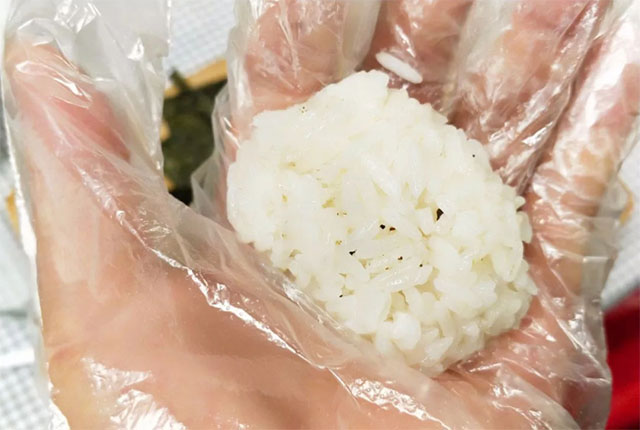
- Cook and season sushi rice, then cool it to room temperature before handling.
- Cut cucumber into thin batons, seeds removed, about the length of the nori sheet.
- Lay nori shiny-side down, spread rice evenly, leaving a 1-inch strip bare at the top edge.
- Place the eel and cucumber batons in a line across the rice, then roll firmly using a bamboo mat.
- Slice into 6-8 pieces with a wet knife, and finish with a brush of extra eel sauce and sesame seeds.
For a full walkthrough with measurements, the unakyu maki recipe on our site covers rice ratios and rolling technique in more detail.
Frequently Asked Questions About the Unakyu Roll Ingredient
Is unakyu the same as an unagi roll?
Mostly, yes — both use kabayaki-style grilled eel. The difference is cucumber: unakyu always includes it, while a plain "unagi roll" sometimes skips it and just pairs eel with rice and sauce.
Can I use anago instead of unagi in a unakyu roll?
You can, but it won't be a traditional unakyu roll anymore. Anago is leaner and milder, and it's rarely sold pre-glazed the way kabayaki unagi is, so the sauce coverage and richness will differ.
Does frozen kabayaki eel work as well as fresh for this roll?
For home cooks and most restaurants, yes — properly frozen and thawed kabayaki holds its texture and glaze well, since the eel is already cooked and sauced before freezing. The main variable is thawing method; rushed thawing at room temperature is where quality drops off, not the freezing itself.
Why does my homemade roll taste flatter than a restaurant version?
Usually it's the sauce. Restaurant kitchens often reduce or refresh their tare daily. If your eel sauce has been sitting, it loses aroma and the syrupy cling that makes each bite taste finished. Try brushing on a fresh layer right before serving — see this kabayaki sauce article for what makes a glaze cling properly.
Is there a vegetarian substitute that still counts as a "unakyu roll"?
No — without grilled eel, it's a cucumber roll by definition, not a unakyu. Some kitchens use eggplant or marinated mushroom as an eel-style substitute, but that changes both the dish name and the flavor profile enough that it shouldn't be labeled unakyu.
Curious about sourcing kabayaki eel or eel sauce for a restaurant menu or retail line? Request a product spec sheet or sample from our team to see the glaze, cut, and packaging options before you place an order.
 WhatsApp
 sales@chinaeels.com
 +8619937922411