


Shirayaki vs Kabayaki Eel What Buyers Need to Know
For foodservice buyers and international importers, the difference between shirayaki and kabayaki eel is more than just sauce. This choice impacts menu applications, back-of-house preparation, cost, and a product's appeal in specific markets, from Japanese restaurant chains to European distributors. Understanding the fundamental distinctions in processing, flavor, and supply chain logistics is essential for making a profitable sourcing decision. While both start with high-quality freshwater eel, the paths they take in our facility result in two very different products.
Kabayaki, the familiar glazed eel, is a staple. But shirayaki, or plain grilled eel, offers a different kind of value, emphasizing the natural flavor of the fish. As a supplier to demanding markets in Japan, the US, and the EU, we see clear use cases for each. This guide breaks down the technical and commercial differences to help you choose the right product for your customers.
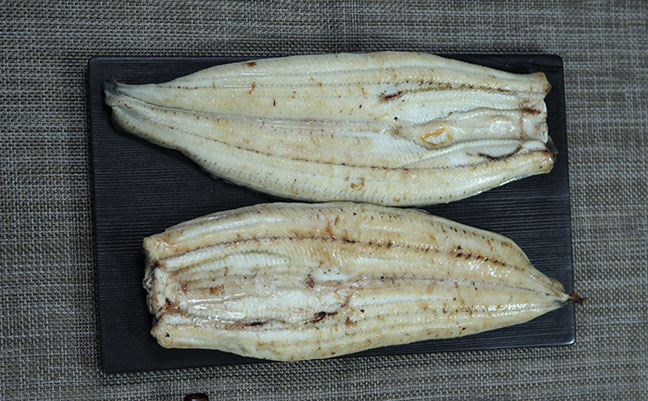
The Core Difference: Processing, Flavor, and Texture
At its heart, the distinction is simple: one is sauced, one is not. But this single difference cascades through the entire production process, creating unique flavor profiles and textures that suit different culinary needs.
Kabayaki Eel: The Glazed Standard
Unagi kabayaki is the form most global consumers recognize. After being deboned, butterflied, and steamed, the eel is grilled while being basted multiple times with a sweet soy-based glaze known as tare. Our proprietary process involves four precise layers of soy sauce application, with temperature-controlled steps between each coating. This builds a deep, savory, and sweet flavor profile with a rich, caramelized finish. The sauce not only adds flavor but also helps keep the eel moist.
- Flavor Profile: Sweet, savory, umami-rich from the soy sauce, mirin, and sugar in the glaze.
- Texture: Soft and tender from steaming, with a slightly sticky and caramelized exterior from the glaze.
- Best For: Ready-to-heat applications like unagi donburi (eel over rice), sushi toppings, and bento boxes. The standardized flavor is ideal for chain restaurants and large-scale catering.
Shirayaki Eel: The Pure Expression
Shirayaki, which translates to "white roast," follows a similar initial preparation of deboning and butterflying but skips the glaze entirely. The eel is simply seasoned with salt and grilled. This minimalist approach places all the emphasis on the quality of the raw material itself. Without a strong sauce to mask imperfections, the eel's natural flavor, fat content, and texture become the main event. At Eelpro, we have established a 'white-roasted color' standard for our shirayaki eel, ensuring a clean, appealing appearance that signals quality.
- Flavor Profile: Clean, delicate, and subtly sweet, highlighting the rich, natural taste of the freshwater eel. A slightly smoky char from the grill is often present.
- Texture: Crispier skin and a firmer flesh compared to kabayaki, as there is no sauce to soften the exterior during grilling.
- Best For: High-end Japanese cuisine where the chef wants control over the final seasoning. It's often served simply with wasabi and soy sauce, or incorporated into dishes where its pure flavor can shine. It also suits European culinary applications where a sweet glaze might be out of place.
Technical Specification Breakdown for Importers
When you're writing a purchase order, the product specifications go far beyond "sauced" or "un-sauced." For importers in Germany, Poland, or Australia, understanding how these technical details affect the final product is key to satisfying your clients. Misinterpreting these specs can lead to a product that doesn't fit your market's culinary style or back-of-house workflow.
Here is a breakdown of what key parameters mean in practice for both frozen shirayaki and kabayaki eel.
| Specification Parameter | Impact on Shirayaki (Plain Grilled Eel) | Impact on Kabayaki (Glazed Eel) |
|---|---|---|
| Glaze & Seasoning | No glaze. Product is a "blank canvas." Requires chefs to create their own sauce or seasoning. This offers high menu versatility but increases prep time. | Pre-glazed with eel sauce (tare). Provides a consistent, ready-to-use product. Reduces kitchen labor but offers less flavor customization. |
| Roasting & Color Standard | Focus is on achieving a uniform "white-roasted" color. The grilling process is designed to create a slightly crispy skin and firm texture without charring. | The goal is caramelization. Our 4-layer coating process creates a deep, glossy brown finish. The texture is softer due to the moisture from the sauce. |
| Raw Material Quality Visibility | Extremely high. Any off-flavors, textural issues, or discolorations in the raw eel are immediately noticeable. Requires top-tier raw materials from sources like our certified unagi eel farms. | High, but the strong flavor of the tare can mask very subtle variations. Our full-chain traceability and quality control are vital for both, but non-negotiable for shirayaki. |
| Fat Content & Mouthfeel | The natural fat content is a primary component of the flavor and mouthfeel. Our patented low-fat roasting technology is especially beneficial here, preventing a greasy finish. | The glaze's sweetness balances the eel's natural richness. The mouthfeel is a combination of the soft flesh and the thick, sticky sauce. |
| Foodservice Application | Ideal for fine dining, authentic Japanese restaurants (izakayas, kappo), and creative chefs who want to add their own signature flavor. | Perfect for high-volume foodservice, chain restaurants, quick-service restaurants (QSRs), and retail products where consistency and ease-of-use are paramount. |
Sourcing and Supply Chain Considerations for Global Buyers
Beyond the product itself, importers must evaluate a supplier's capacity, certifications, and logistics. Whether you are sourcing for a US food importer or an Indonesian foodservice channel, these factors ensure a stable and safe supply chain.
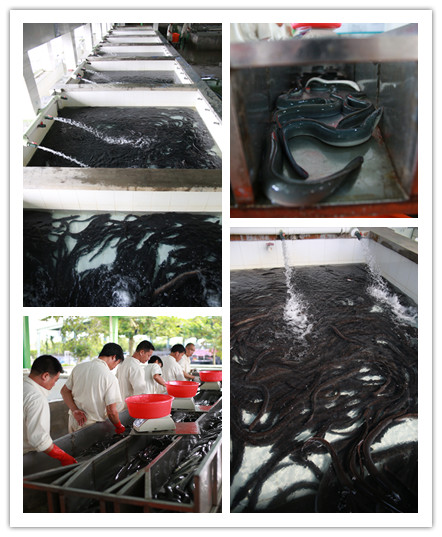
Our facility is equipped to handle the specific demands for both products. With a 4,000-ton annual production capacity across two modern lines, we can manage large-scale orders for kabayaki alongside more specialized requests for shirayaki. This is supported by over 20 customs-registered eel farming bases that provide a consistent supply of over 5,000 tons of high-quality raw material annually.
Key supply chain checkpoints include:
- Certifications: Our operations are ISO 22000:2018, HACCP, and HALAL certified. This framework, managed by our 25-person quality control team, ensures every product meets international food safety standards, including strict limits on veterinary drug residues for Japan, US, and EU markets.
- Traceability: Full-chain traceability is in place from the farm to the final shipment. We use our in-house professional laboratory and metal detectors at critical control points to verify safety and quality, giving buyers confidence in every batch.
- Cold Chain Logistics: A product's quality is only as good as its storage. Our 1,000-ton cold storage facility ensures that whether it's frozen kabayaki or frozen shirayaki, the product is maintained at the optimal temperature until it's loaded for shipment.
- Customization and MOQ: We offer differentiated MOQ policies for different client types. We can also provide custom cutting specifications—including shredding, dicing, sushi slices, and section cuts—for both shirayaki and kabayaki to reduce your client's back-of-house labor costs.
Common Sourcing Mistakes When Choosing Between Eel Products
Selecting the wrong product type can lead to unsold inventory or dissatisfied restaurant clients. Based on my experience guiding overseas buyers, here are a few common mistakes to avoid.
A Buyer's Checklist: Avoiding Common Pitfalls
- Mistake #1: Assuming they are interchangeable.
A chef cannot simply swap plain grilled eel into a recipe designed for kabayaki without significant changes. The lack of a sweet, umami-rich glaze means the entire dish's flavor balance will be off. Always confirm the end-user's culinary application before placing an order.
- Mistake #2: Underestimating the importance of raw material transparency.
This is especially critical for shirayaki. Ask your supplier about their farming sources, traceability systems, and quality control for raw materials. A supplier who cannot provide this information may be using lower-grade eel, which will be immediately apparent in an un-sauced product.
- Mistake #3: Ignoring regional market preferences.
While kabayaki has broad global appeal, shirayaki is often preferred by purists and in markets with a strong appreciation for authentic Japanese cuisine. For example, our long-term Japanese restaurant chain clients often order both, while some US food importers may focus exclusively on the more familiar kabayaki. Research your target market's demand.
- Mistake #4: Overlooking packaging's role in usability.
Bulk-packed frozen eel is great for high-volume kitchens, but individual skin-packaging can be better for smaller restaurants or retail. It improves shelf life after the master case is opened and offers better portion control. Discuss packaging formats with your supplier to match your client's operational needs.
Ultimately, both shirayaki and kabayaki are premium products when sourced from a certified, quality-focused manufacturer. The right choice depends entirely on your market, your customers, and their intended application. By understanding the core differences in processing and their practical impact, you can make a more informed and strategic sourcing decision.
For detailed specifications on our frozen shirayaki and kabayaki eel products, or to discuss your specific import requirements, please contact our export team.