


The Sushi Name for Eel Can Mean More Than Unagi
You see “eel” on a sushi menu, expect sweet grilled unagi, and receive something lighter, softer, or prepared in a totally different style. That surprise happens because the sushi name for eel does not always identify one exact fish.
For diners, home cooks, menu writers, and food buyers, the sushi name for eel can refer to freshwater unagi, saltwater anago, or a sushi dish made with eel. The menu wording matters because these options differ in species, cooking method, sauce use, texture, and expected flavor.
Quick answer: if a menu says “unagi,” it usually means Japanese-style freshwater eel. If it says “anago,” it usually means conger eel. If it says “eel roll,” “eel nigiri,” or “eel sushi,” the wording may describe the finished dish rather than clearly naming the fish.
Author: Nancy Chen, Senior Food Safety & Quality Specialist with more than 12 years of seafood export quality-assurance experience.
When a Generic Eel Label Means Unagi, Anago, or a Prepared Sushi Dish
The boundary is simple: “eel” is a broad food label, not a guaranteed species name. The sushi name for eel only becomes precise when the menu identifies the fish as unagi or anago, or when staff can confirm the ingredient used.
Choose unagi when you want the familiar sweet-savory grilled eel experience. Choose anago when you prefer a milder, softer topping that may be simmered or lightly seasoned. Do not assume that an “eel roll” contains the same eel used for unagi nigiri; the menu description may only name the completed sushi item.
| Menu term | What it usually means | What to expect | Boundary to remember |
|---|---|---|---|
| Unagi | Unagi is the Japanese food term generally used for freshwater eel. | Often grilled, glazed, and served warm or room temperature over rice. | “Unagi” identifies the eel style more clearly than a generic “eel” label, but recipe details still vary by restaurant. |
| Anago | Anago generally refers to conger eel used in Japanese cooking. | Usually lighter in flavor and softer in texture than grilled unagi. | Preparation varies. It may be simmered, brushed with sauce, or served with a different seasoning approach. |
| Eel nigiri | A nigiri sushi item topped with eel. | It may be unagi or anago, depending on the restaurant. | The dish name alone does not confirm species. Ask before ordering if that distinction matters. |
| Eel roll | A maki roll containing eel, sometimes with cucumber, avocado, or other fillings. | Often sauced and richer than plain nigiri. | The roll name tells you the format, not always the eel species or whether eel is the main filling. |
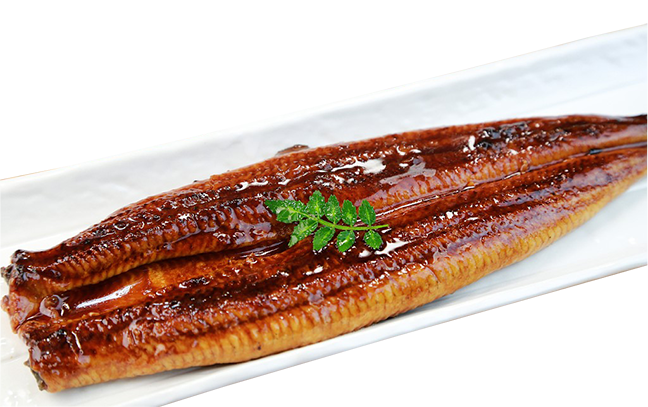
| Unagi kabayaki | Freshwater eel prepared in a grilled kabayaki style. | Sweet-savory glaze, roasted aroma, and a fuller texture. | Kabayaki is a preparation style. Sauce balance and cut size still differ by supplier and restaurant. |
For accurate menu copy, use “grilled freshwater eel” when the product is unagi and use “conger eel” when the product is anago. This is more useful than relying on the broad sushi name for eel, especially for guests comparing flavor or managing food preferences.
How Should You Read the Sushi Name for Eel Before Ordering?
The best approach is to read the entire line, not only the word “eel.” A sushi name for eel becomes more informative when it includes a preparation term such as grilled, glazed, simmered, kabayaki, nigiri, maki, or hand roll.
Does unagi always mean a sweet grilled topping?
Not always. Unagi is strongly associated with kabayaki-style preparation, where eel is grilled and coated with a sweet-savory sauce, but a restaurant can use its own presentation. The practical conclusion is to look for words such as “grilled” or “kabayaki” if you specifically want the glazed style. This fits diners seeking the familiar dark, glossy eel topping. It does not apply when the restaurant lists unagi in a bowl, a rice dish, or a non-sushi appetizer with a different recipe.
At Eelpro, frozen roasted eel is made with a controlled four-layer soy-sauce coating process. The company has established visual standards for white-roasted eel and for the first through fourth sauce-coating stages. That process supports a consistent kabayaki-style appearance, but it does not mean every menu item called eel uses the same preparation.
Does anago taste the same as unagi?
No. Anago is commonly described as milder and more delicate, while unagi generally offers a richer grilled flavor when prepared as kabayaki. The useful choice is straightforward: select unagi for a more pronounced roasted and sauced profile; select anago for a softer, gentler bite. This comparison fits sushi counters offering both names. It does not mean one is automatically better. Sauce, rice temperature, freshness, and chef technique affect the final dish.
Can an “eel roll” tell you which fish is inside?
Usually not by itself. The sushi name for eel “eel roll” often tells you that eel is included in a rolled sushi format, but it may not state whether it is unagi or anago. If you are writing a menu, list the species when known. If you are ordering, ask one direct question: “Is this roll made with unagi or anago?”
A cucumber-and-eel roll is often associated with unakyu-style sushi. For a home-friendly format and filling ideas, see this eel sushi roll recipe. Keep in mind that a recipe name describes one preparation, not every possible use of eel in maki.
Which Sushi Names Give the Clearest Buying and Menu-Writing Signals?
For a buyer or menu writer, the clearest sushi name for eel combines three details: the fish, the cooking style, and the dish format. “Unagi kabayaki nigiri” is clearer than “eel sushi.” “Anago nigiri” is clearer than “eel nigiri.” Specific wording reduces guest questions and helps purchasing teams match the product to the intended plate.
- Use “unagi kabayaki” for grilled freshwater eel with a sweet-savory glaze. This fits nigiri, rice bowls, bento meals, and premium sushi menus. Do not use it if the product is actually conger eel.
- Use “anago nigiri” when conger eel is the topping. This fits menus that distinguish lighter, softer sushi options. Do not call it unagi simply because both are eels.
- Use “eel roll” only with clarification when the species is unavailable or when the roll recipe changes by location. Add a short ingredient note where possible.
- Use “grilled eel with rice” for general audiences who may not recognize Japanese terms. Add “freshwater eel” when the ingredient is confirmed.
- Use “kabayaki sauce” carefully because the sauce describes seasoning, not the eel species. A menu can use kabayaki-style sauce on other seafood or proteins.
The sushi name for eel should not make claims that the kitchen cannot verify. Avoid adding “Japanese eel,” “wild eel,” a country of origin, or a species name without supplier documentation. This is especially relevant for restaurants serving international guests, where menu wording may influence allergy questions, dietary decisions, and product expectations.
What Are the Most Common Eel Menu Mistakes?
The most common mistake is treating every sushi name for eel as a synonym for unagi. That shortcut can disappoint guests and create inaccurate menu descriptions.
- Mistake: Calling all eel “unagi.” Unagi and anago are not interchangeable menu terms. Use the correct fish name when known.
- Mistake: Treating kabayaki as a species. Kabayaki is a cooking style involving grilling and sauce application. It does not identify every fish on its own.
- Mistake: Assuming dark sauce means unagi. Sauce color is not proof of species. Ask the restaurant or confirm the supplier specification.
- Mistake: Writing “eel sushi” without dish details. Add nigiri, roll, hand roll, bowl, or appetizer so customers understand the format.
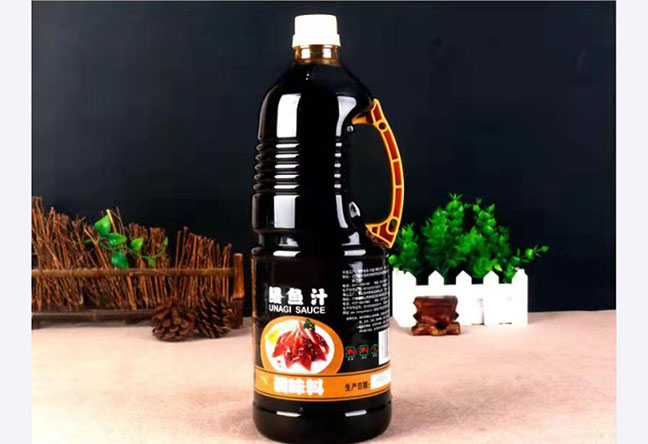
- Mistake: Ignoring the sauce. Eel sauce can be a defining flavor element. A menu should state whether the item is glazed, served with sauce, or lightly seasoned.
Cold fact: the glossy brown topping many diners picture is often not simply “eel.” It is usually a combination of cooked eel, rice, and a sweet-savory glaze. The visual cue comes from the preparation, not just the fish.
For menu teams, the sushi name for eel should therefore be checked against the purchase specification, not copied from another restaurant’s menu. This applies whether you buy whole fillets, sushi slices, strips, chunks, or diced eel. It does not require complicated wording; it requires honest wording.
How Can Restaurants Match Eel Product Format to the Intended Sushi Dish?
Start with the finished menu item, then select the cut and preparation. This avoids buying a product that looks good in a catalog but creates extra prep work at the sushi counter.
- Define the dish format. Decide whether the target is nigiri, maki, a rice bowl, a bento item, or a small plate.
- Confirm the fish term. If the dish is intended as unagi, use that name consistently in the purchase order and menu description.
- Select the cut. Sushi slices suit nigiri presentation, while strips, chunks, dicing, and shredding may fit rolls or rice toppings.
- Confirm sauce handling. Decide whether the eel arrives glazed, needs additional brushing, or will be served with separate eel sauce.
- Check packaging and order needs. Eelpro can discuss specifications and packaging formats, including skin packaging and gift boxes, based on product type and order quantity.
- Test the menu wording. Ask a staff member to read the final item name and explain whether it is unagi, anago, or a general eel dish. If the answer is unclear, revise it.
This process fits restaurant groups, distributors, and foodservice buyers who need repeatable menu language. It is less relevant for a casual home meal, where asking the fishmonger or reading the package label may be enough.
What Should Buyers Ask a Frozen Unagi Supplier Before Listing It?
For B2B buyers, the sushi name for eel on the final menu should match the supplier’s documented product description. Ask for the product form, cut, sauce status, packaging, and compliance information before approving print materials.
Eelpro supplies frozen unagi kabayaki and can provide custom cutting including shredding, dicing, strip cutting, chunk cutting, three-section cuts, and sushi slices. Its facility is certified to ISO 22000:2018, HACCP, and HALAL requirements, with export food producer registration and an SC Food Production License covering quick-frozen prepared foods.
For import-oriented sourcing, buyers may also consider the company’s approximately 20 customs-registered eel farming bases covering more than 2,150 mu, full-chain traceability practices, in-house laboratory, and metal detectors at critical control points. Eelpro supplies kabayaki eel to Japanese restaurant chains and exports unagi kabayaki and eel sauce to United States food importers. It also supplies eel products to importers and foodservice channels in Germany, Poland, Australia, Indonesia, and Southeast Asia.
Regular orders are generally delivered in approximately 30 days from order confirmation to shipment, subject to specification and quantity discussions. This timeline is for commercial orders, not a promise for every item, destination, or order volume. Buyers can review available product options on the unagi kabayaki product page before requesting specifications.
If you are selecting menu terminology or sourcing frozen unagi for sushi service, ask Eelpro for product selection advice and a matching specification sheet.