


Shirayaki Eel Skips the Sauce, But It Still Demands Precision on the Grill
Order shirayaki at a sushi counter, and you might expect eel in a shiny brown glaze. You won't get it. Shirayaki is grilled unagi with zero sauce — no mirin, no soy, no caramelized shine. For sushi buyers and menu planners, that difference matters more than it looks. Get it wrong on a spec sheet, and you order the wrong SKU, confuse kitchen staff, or mislabel a menu item. This guide breaks down exactly how shirayaki differs from kabayaki — in grilling method, seasoning, texture, and how each should land on the plate.
What Shirayaki Actually Is — And Why It Confuses Buyers New to Eel Menus
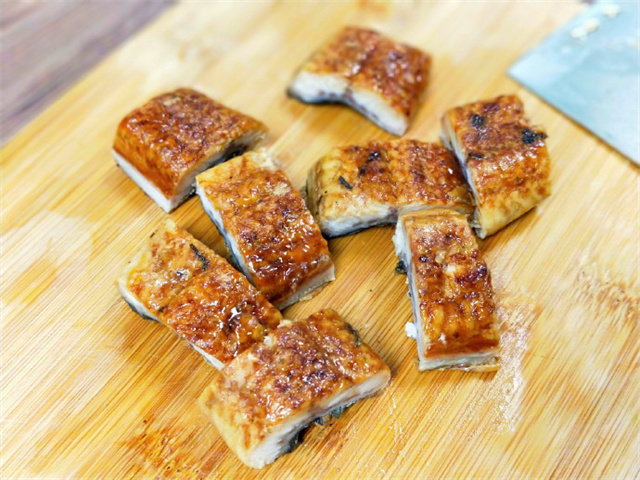
Shirayaki means "white-grilled." The eel is butterflied, deboned, skewered, and grilled plain — usually seasoned only with a light touch of salt. There's no sauce basting, no multi-dip coating, no browning from sugar caramelization. What comes off the grill is pale gold, sometimes called the "white-roasted color" in processing standards, with crisp skin and a clean, slightly smoky flavor.
That's the opposite of unagi kabayaki, where the fish is repeatedly dipped in sauce and grilled until deep brown and glossy. The confusion happens because both start from the same raw material — the Japanese eel (Anguilla japonica) — and both are butterflied before grilling. Buyers who only know kabayaki sometimes assume shirayaki is "unfinished" kabayaki. It isn't. It's a separate preparation with its own standard, usually served with grated wasabi, a splash of soy, or just a pinch of salt.
Comparison: Shirayaki vs Kabayaki — Grilling Method, Seasoning, Texture, and Serving Style
Here's the breakdown that matters most for sourcing decisions and menu copy. Each parameter below affects something specific in final plate quality — get one wrong, and the dish reads as a different product entirely.
| Parameter | Shirayaki | Kabayaki | What goes wrong if confused |
|---|---|---|---|
| Grilling method | Direct grill, no basting, often double-fired (steamed then grilled in Kanto style) | Repeated sauce-dip-and-grill cycles, typically 4 coating passes for color depth | Using a kabayaki fire schedule on shirayaki burns the skin before the inside cooks through |
| Seasoning | Salt only, or none — flavor comes from the fish and smoke | Soy-based tare sauce (mirin, soy sauce, sugar) applied in layers | Adding sauce defeats the point of shirayaki and misleads diners expecting a "clean" eel dish |
| Texture | Crisp skin, firmer flesh, slightly drier bite | Softer, glossier flesh from sauce moisture and sugar caramelization | Reheating shirayaki the same way as kabayaki dries it out further — it has less sauce to retain moisture |
| Serving style | With wasabi, soy dip on the side, or on rice as shirayaki-don | Glazed and served over rice as unadon/unaju, or as kabayaki skewers | Plating shirayaki with extra sauce drizzled over it misrepresents the dish on a menu |
If a buyer is sourcing for a sushi bar that markets "pure eel flavor," shirayaki fits that story. If the kitchen wants a familiar, sauce-forward item that pairs well with rice bowls, kabayaki is the safer default.
How Shirayaki Is Processed — A Step-by-Step Look
Understanding the production steps helps buyers spot shortcuts that hurt quality. Here's the general sequence for grilled eel without sauce:
- Farming and sourcing — live eel sourced from certified farming bases with traceability records back to the pond.
- Cleaning and deboning — the eel is butterflied and the spine removed, leaving a flat fillet. Buyers who want to understand this part in detail can review a full cleaning, skinning and deboning guide.
- Skewering — fillets are threaded flat to keep an even grill surface.
- First grill pass — plain grilling over direct heat, sometimes with a steaming step in between to soften the flesh before the final char.
- Salting (optional) — a light salt application, applied before or during grilling, not after.
- Cooling and freezing — rapid chilling locks in texture before cold storage and shipment.
Compare that to kabayaki, which adds a 4-layer soy-sauce coating process with temperature-controlled dipping between each pass — a method built specifically to develop color depth and sauce adhesion without burning the sugar. That's a different equipment setup and a longer grill cycle than shirayaki requires.
Common Mistakes Buyers Make When Sourcing or Describing Shirayaki
- Listing shirayaki and kabayaki under one SKU. They need separate specs — different grill time, different seasoning, different packaging notes for foodservice teams.
- Assuming shirayaki is "unseasoned" in every sense. Salt is still part of most shirayaki prep; zero-seasoning is rare and should be stated explicitly on a spec sheet.
- Reheating shirayaki the same way as kabayaki. Without sauce moisture, shirayaki dries out faster under high heat — lower temperature, shorter reheat time.
- Skipping traceability checks. Because shirayaki relies on the eel's natural flavor, raw material quality shows up immediately. Sourcing from farms without proper registration raises residue and consistency risks.
- Confusing presentation. Serving shirayaki glazed, or kabayaki dry, misleads diners who ordered based on a specific flavor expectation.
A Quick Fact Most Menus Get Wrong
Here's something worth knowing: shirayaki isn't a "lesser" version of kabayaki. In parts of Japan, chefs rate a restaurant's skill by how well it grills shirayaki — because there's no sauce to mask uneven heat or poor deboning. A kitchen that nails shirayaki can usually handle any other eel preparation on the menu.
Choosing Between Shirayaki and Kabayaki for Your Menu — A Buyer's Checklist
- Does the menu concept emphasize natural seafood flavor, or sauce-forward comfort food? Shirayaki fits the former; kabayaki fits the latter.
- Will kitchen staff be trained on salt-based seasoning, or do they expect a ready-glazed product? Shirayaki needs more finishing skill at the final plate.
- Is the target dish sushi-style (nigiri, hand roll) or a rice bowl (donburi)? Shirayaki works well raw-adjacent in sushi; kabayaki is the standard for eel rice bowl toppings.
- Does the supply chain support both formats with separate packaging and cold storage? A 1,000-ton cold storage facility with consistent cold-chain handling matters more for shirayaki, since there's no sauce buffering moisture loss during transit.
- Will the kitchen also need sauce separately for other dishes? If so, pairing a shirayaki order with a standalone eel sauce product covers both needs from one supplier.
Why Sourcing Quality Matters More for Shirayaki
Because shirayaki has nowhere to hide. No sauce, no caramelized color, no seasoning complexity — just the eel itself. That means raw material quality, grill consistency, and freezing method carry the entire dish. Facilities running full-chain traceability, from certified eel farms through lab-tested batches, reduce the risk of inconsistent texture or residue issues showing up in a product with almost nothing to mask them. Buyers evaluating suppliers for shirayaki should ask specifically about deboning precision and freezing speed — two factors that affect texture far more here than in a sauce-heavy format.
Quality control also plays a bigger role than most buyers expect. A dedicated lab and metal-detection checks at critical control points catch problems before they reach a plate where there's no sauce to disguise them. Buyers can review how this works in practice on the eel lab page.
Want to compare specs side by side before placing an order? Reach out for a sample pack or spec sheet covering both unagi shirayaki and kabayaki formats, and we'll walk through which fits your menu best.