


Unagi Def Explains What Japanese Cuisine Means by Freshwater Eel
A menu says “unagi,” a sushi bar offers “eel,” and a package shows dark glazed fillets. Are they all the same thing? Not quite. The unagi def starts with a simple but useful point: in Japanese cuisine, unagi means freshwater eel, not every animal called eel.
That distinction changes what you order, how you cook it, and what flavor you should expect. Unagi is usually associated with soft, rich freshwater eel grilled with a sweet-savory glaze. It is the eel many diners picture over hot rice, its surface shining with sauce and carrying a gentle smoky aroma.
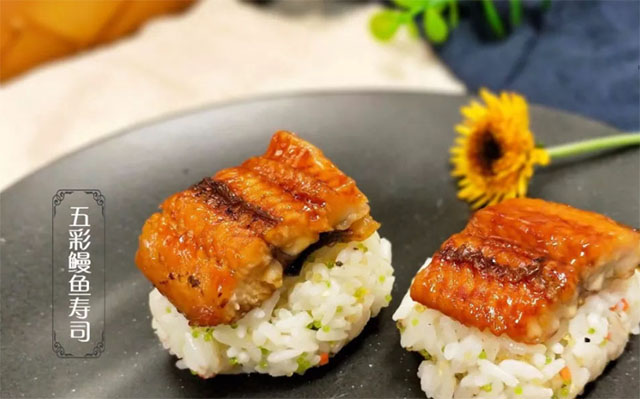
Unagi means freshwater eel rather than eel in general
The most accurate unagi def is “freshwater eel” in Japanese. In food use, the word commonly refers to the freshwater eel served in Japanese-style dishes, especially grilled eel preparations. It does not function as a catch-all label for every eel-shaped seafood item.
In particular, unagi is strongly connected with Japanese eel, known scientifically as Anguilla japonica, as well as similar freshwater eel products used in the food trade. The word tells a diner something meaningful about habitat, texture, and menu tradition. This is why translating unagi as merely “eel” can be too broad.
| Japanese term | Plain English meaning | What it usually refers to in food | What happens if the term is confused |
|---|---|---|---|
| Unagi | Freshwater eel | Usually grilled, steamed, roasted, or served over rice | A diner may expect the soft, sweet glazed profile of kabayaki but receive a different eel dish |
| Anago | Conger eel | Marine eel, often lighter in taste and texture | It may be mistaken for unagi even though its habitat and eating character differ |
| Kabayaki | Grilled glazed preparation | Butterflied eel roasted and coated with sauce | Buyers may think kabayaki is an eel species rather than a cooking style |
| Unagi tare | Eel sauce | Sweet-savory sauce used with grilled eel | Using an unrelated sauce can change the expected kabayaki flavor |
The unagi def matters most when a menu, retail label, or recipe uses only the English word “eel.” Ask whether it is freshwater eel or conger eel if the distinction affects the dish you want. This is especially useful for sushi, donburi rice bowls, and frozen prepared products.
Cold fact: “Unagi” is not the name of a sauce. It is the ingredient category. The glossy brown finish many people associate with it usually comes from tare, the seasoning used during grilling.
Why freshwater habitat changes the taste and cooking method
Freshwater eel is valued for a full, rich mouthfeel and tender flesh after proper preparation. The unagi def therefore carries a practical eating expectation, not just a vocabulary lesson. When diners ask for unagi, they often expect a substantial fillet that works well with rice and a sweet soy-based glaze.
That expectation does not mean every freshwater eel dish tastes identical. The result depends on cutting style, roasting method, sauce application, and whether the product is served as a whole fillet, portion, strip, or sushi slice.
- Choose kabayaki when you want the familiar glazed grilled eel taste. It suits rice bowls, sushi, bentos, and quick restaurant service. It does not suit diners seeking a lightly seasoned or sauce-free seafood dish.
- Choose white-roasted eel when you want more direct eel flavor before adding seasoning. It fits chefs who want to control the final sauce. It is less suitable when a ready-glazed kabayaki finish is required.
- Choose cut pieces or strips for bowls, noodles, rolls, and meal preparation. They reduce kitchen cutting work. They are not the best choice when a menu presentation calls for a long, intact fillet.
- Choose sushi slices for portion-controlled sushi service. They support consistent assembly. They may not match the visual effect of a larger grilled eel portion over rice.
If you are reading a package description, the unagi def should lead you to check the next detail: is the product raw, white-roasted, or kabayaki? Those words affect preparation time and final flavor more than the word unagi alone.
For example, unagi kabayaki is a prepared grilled eel format, while freshwater eel supplied for a different kitchen process may be sold without the same finished glaze. Neither option is automatically better. The right one depends on the menu.
How kabayaki turns unagi into the familiar glossy grilled dish
Kabayaki is the preparation most closely associated with the unagi def in restaurant conversations. The eel is prepared, roasted, and coated with a sweet-savory soy sauce mixture. The repeated coating and roasting steps build color, aroma, and a lacquered surface.
At Eelpro, our export-grade process uses four precise layers of soy sauce with temperature-controlled roasting steps. We use defined appearance standards for white-roasted eel and for the first through fourth soy-sauce coating colors. This gives buyers a clearer basis for discussing the finish they need.
The unagi def should not be confused with kabayaki. One describes the freshwater eel ingredient; the other describes a cooking and seasoning format. Getting this wrong can lead to an unsuitable order. A buyer requesting “unagi” may receive a raw or lightly processed item, while a buyer requesting “kabayaki unagi” is asking for a ready-prepared grilled style.
What unagi tare contributes to the finished dish
Unagi tare brings sweetness, saltiness, color, and a roasted aroma to grilled eel. It also helps connect the eel to steamed rice, which is why the pairing feels so satisfying. A thin brush of sauce keeps the eel flavor more visible; heavier application produces a deeper, sweeter finish.
For home cooks, sauce consistency is often where the dish goes wrong. Too much sauce can cover the eel’s natural richness. Too little can leave rice and eel tasting disconnected. A prepared eel sauce is useful when you need a consistent flavor profile for bowls, sushi, or grilled seafood.
If a batch tastes overly sweet, salty, or flat, review the practical corrections in this kabayaki sauce recipe: fix flavor mistakes guide before changing the eel itself.
A buyer and diner checklist for using the right eel term
The unagi def becomes most helpful when it prevents a wrong purchase. Use this short checklist before ordering at a restaurant, buying frozen eel, or planning a Japanese-style recipe.
- Confirm the eel category. Ask whether the product is freshwater eel. This fits when you specifically want unagi. It does not apply if you intentionally want marine conger eel, often described as anago.
- Confirm the preparation. Look for raw, white-roasted, or kabayaki. Choose kabayaki for a ready-to-heat glazed dish; choose other formats when you want control over seasoning.
- Check the cut. Whole fillets suit rice bowls and premium plating. Strips, chunks, and sushi slices suit recipes where portion speed matters.
- Ask about sauce inclusion. Some products are already glazed; others need tare added after heating. Do not add a heavy second layer without checking, or the finished dish may become too sweet.
- Review food safety documentation for commercial supply. This matters for importers, distributors, and foodservice buyers. It matters less for a diner ordering one restaurant meal.
For food buyers, the unagi def is only the first screening point. The second is supplier control. Eelpro holds ISO 22000:2018, HACCP, HALAL certification, export food producer registration, and an SC Food Production License covering quick-frozen prepared foods. Our supply chain includes about 20 customs-registered eel farming bases covering more than 2,150 mu, with traceability from farming registration through shipment.
These checks fit import and foodservice sourcing rather than casual home cooking. For a consumer meal, the more immediate questions are product format, sauce level, and heating instructions. For an importer, laboratory controls, residue compliance, cold storage, and traceability are also part of the decision.
Common mistakes when ordering or cooking unagi
People often understand the unagi def after making one of these avoidable mistakes. Each has a simple correction.
- Mistake: treating unagi and anago as identical. They are both eel dishes, but they are not interchangeable menu terms. Order unagi when you want freshwater eel; order anago when the menu specifically offers conger eel.
- Mistake: assuming all unagi is already sauced. Unagi identifies the eel, not the glaze. Check for “kabayaki” or ask whether tare is included.
- Mistake: overheating a finished fillet. Ready-prepared kabayaki is meant to be warmed, not aggressively dried out. Use gentle heating and add sauce near the end if needed.
- Mistake: buying a whole fillet for a dish that needs small pieces. Choose strips, diced portions, or sushi slices when fast assembly matters. Save larger cuts for rice bowls and center-of-plate presentation.
- Mistake: ignoring the rice. Unagi’s rich glaze needs plain, warm rice to balance it. Strongly seasoned rice can compete with the sauce.
A simple home serving idea makes the distinction easy to taste: warm kabayaki, place it over steamed rice, add a modest brush of tare, and serve with a fresh side dish. For another practical meal format, try this unagi ramen: japanese eel noodle soup guide. It shows how the same freshwater eel concept can move beyond the classic rice bowl.
What the term means for restaurant and import buyers
For B2B buyers, the unagi def should be written clearly in purchase specifications: freshwater eel product, requested preparation style, requested cut, sauce requirement, packaging format, and destination-market documentation. This prevents a vague “eel” request from becoming a costly mismatch.
| Buyer situation | Best specification to request | Why it fits | When to choose another option |
|---|---|---|---|
| Japanese restaurant chain | Kabayaki fillets with agreed sauce finish | Supports a recognizable unagi rice bowl or sushi menu item | Use white-roasted product when the chain applies its own signature sauce |
| Sushi counter | Standardized sushi slices | Helps portion control and faster assembly | Use larger cuts for premium plated dishes |
| Foodservice distributor | Cut pieces or strips in ready-to-heat format | Reduces back-of-house preparation work | Use whole fillets when presentation is the selling point |
| Retail importer | Frozen kabayaki with clear labeling and storage details | Gives consumers a familiar, easy-to-understand product | Use plain eel formats for retailers serving experienced home cooks |
The unagi def also supports clearer international communication. Eelpro supplies kabayaki eel to Japanese restaurant chains and exports unagi kabayaki and eel sauce to US food importers. We also supply eel products to importers and foodservice channels in Germany, Poland, Australia, Indonesia, and Southeast Asia. These are different market channels, so product format and documentation should be matched to the buyer’s use case rather than treated as one standard request.
Our two production lines have an annual finished-goods capacity of 4,000 tons, supported by a 1,000-ton cold storage facility. Regular order delivery is approximately 30 days from order confirmation to shipment, with timing subject to specification and quantity. That information is relevant for planned commercial orders, not a promise for every item or every season.
Use the right words to get the unagi dish you expect
The clearest unagi def is freshwater eel in Japanese cuisine, commonly enjoyed in grilled and glazed kabayaki dishes. Remember the practical distinction: unagi is the eel category, kabayaki is the preparation, and tare is the sauce.
Once those three terms are clear, reading a Japanese menu becomes much easier. You can order with confidence, choose the right frozen format, and avoid confusing freshwater unagi with other eel products.
For product selection advice, specifications, or samples of frozen unagi kabayaki and eel sauce, contact Eelpro with your intended menu or market requirements.