

What Is the True Definition of Unagi for Food Importers
As a food importer, you know that precise terminology matters. A simple misunderstanding on a spec sheet can lead to incorrect orders, customs delays, and dissatisfied customers. When sourcing Japanese-style eel, the terms can be particularly confusing. What is the actual definition of unagi, and how does it differ from kabayaki, unadon, or unaju? It’s more than just a name—it’s about the ingredient, the preparation method, and the final application.
My name is Nancy Chen, and I’ve spent over a decade managing food safety and quality control for seafood exporters like Eelpro. I oversee our HACCP and ISO 22000 systems, ensuring every shipment meets stringent import standards for markets like Japan, the US, and the EU. Getting the terminology right is the first step in sourcing a product that performs consistently in your clients' kitchens. This guide breaks down the essential terms and connects them to the production specifications you need to verify before placing an order.
Unagi, Kabayaki, Unadon, Unaju: Decoding the Menu for Sourcing
When you see these terms on a menu or a product list, they are not interchangeable. They describe different aspects of the dish: the ingredient, the cooking style, or the serving format. For a buyer, knowing the difference is essential for specifying the correct product cut, sauce level, and packaging for your target market.
Here is a clear breakdown of what each term means:
| Menu Term | What It Specifies | Implication for B2B Sourcing |
|---|---|---|
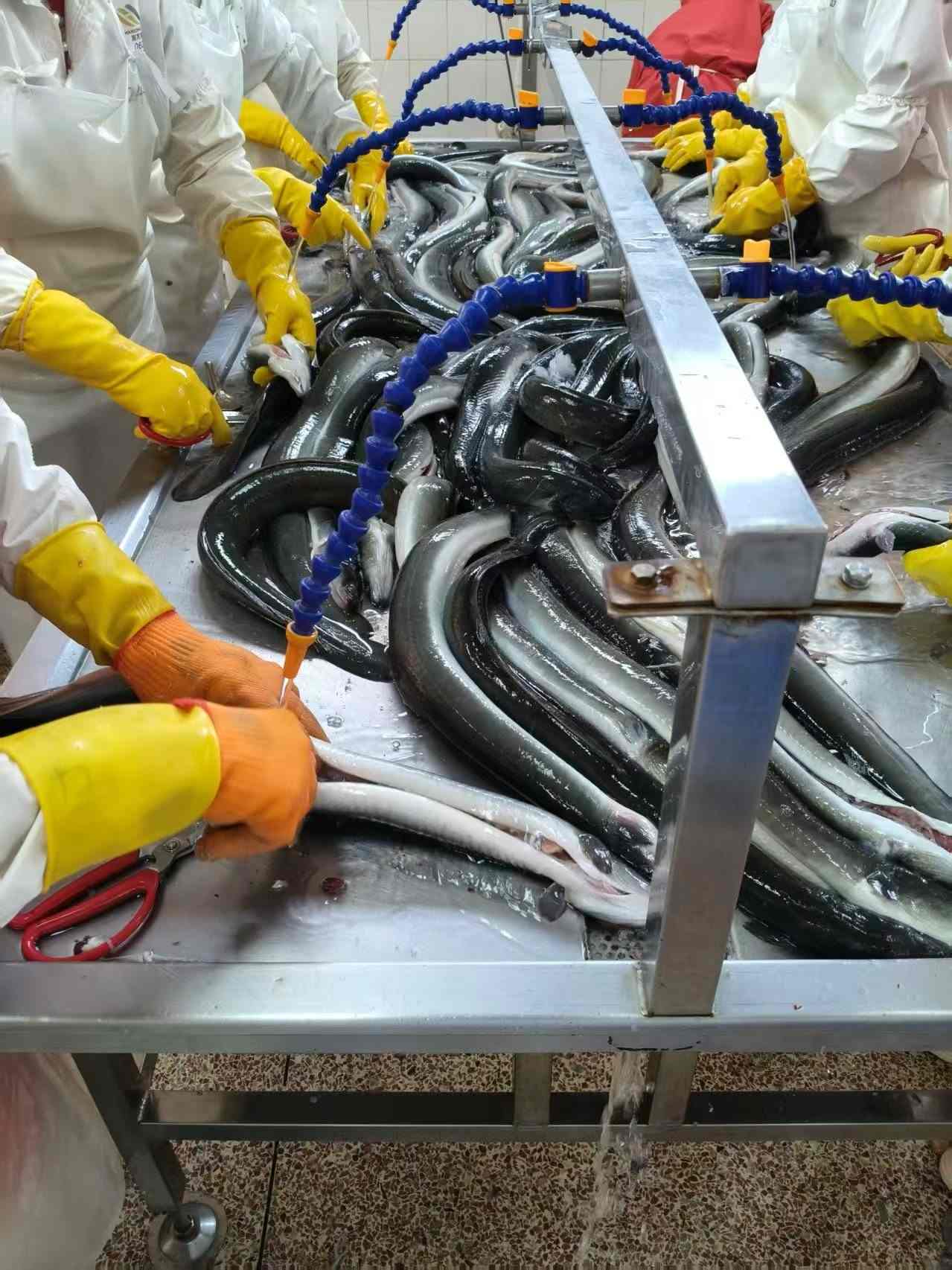
| Unagi (鰻) | The Ingredient: Freshwater Eel | This is the raw material. When sourcing, you need to confirm the species (e.g., Anguilla japonica), farming standards, and traceability. At Eelpro, our supply comes from approximately 20 customs-registered eel farming bases to ensure full-chain control. |
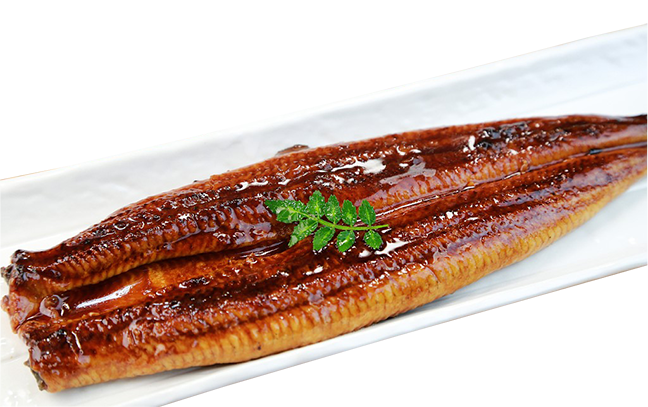
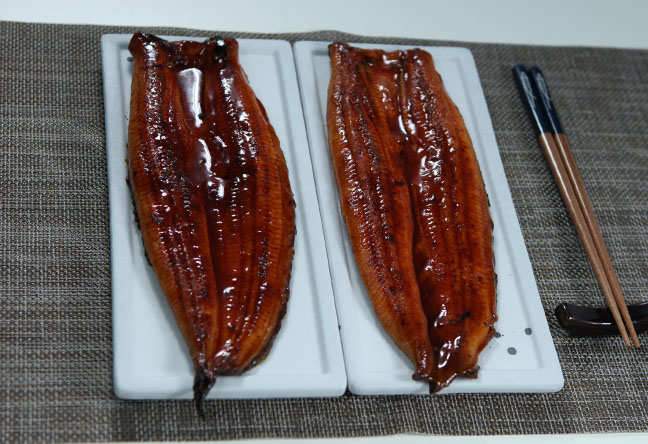
| Kabayaki (蒲焼) | The Preparation Method | This refers to eel that has been split, deboned, butterflied, skewered, and grilled with a sweet soy-based sauce (tare). The term specifies the process. This is our primary export product, a ready-to-heat unagi kabayaki eel. |
| Unadon (鰻丼) | The Serving Format: Eel Rice Bowl | This is a dish consisting of kabayaki-style eel served over rice in a round bowl (donburi). For foodservice clients, this means you need standardized, pre-cut eel portions that fit a standard bowl size, minimizing kitchen prep. |
| Unaju (鰻重) | The Serving Format: Eel in a Lacquer Box | This is also kabayaki eel served over rice but presented in a rectangular lacquer box (jubako). It is often considered a more formal or premium presentation. This may require larger, full-fillet portions compared to the smaller cuts used for unadon. |
Understanding this hierarchy is vital. You are not just buying "unagi"; you are likely sourcing unagi kabayaki—the prepared, grilled eel—which your foodservice clients will then use to create unadon or unaju. Your product specifications should reflect the final application.
From Farm to Freezer: What Defines Export-Grade Unagi Quality
The quality of a finished unagi kabayaki product is determined long before it reaches the roasting line. For importers supplying discerning markets like Japan or Germany, verifying the supplier's control over the entire supply chain is non-negotiable. It mitigates risks related to food safety, veterinary drug residues, and inconsistent raw material size.
A reliable supplier demonstrates quality through a fully integrated system. At Eelpro, this system is built on three pillars:
- Certified and Traceable Farming: We source our raw materials from over 19 self-operated and cooperative certified farming bases. These ~20 farms are all customs-registered, covering more than 2,150 mu and supplying over 5,000 tons of high-quality eel annually. This system provides full-chain traceability, from tracking the specific farm registration through process verification and targeted sampling. This is how we ensure our products meet strict Japanese, US, and EU standards for microbiological indicators and drug residues.
- In-House Quality Control Infrastructure: Claims of quality must be backed by verifiable processes. Our facility includes a professional in-house laboratory for rigorous testing at critical control points. With 25 dedicated technical and quality-control specialists among our 160+ employees, we manage every stage of production internally. Metal detectors are placed at key points to prevent physical contamination, a fundamental requirement for food safety compliance.
- Robust Certification Framework: Certifications are your assurance that a supplier adheres to global standards. Our operations are certified under ISO 22000:2018 for Food Safety Management and follow a strict HACCP system. We also hold HALAL certification, an Export Food Producer Registration Certificate, and an SC Food Production License, enabling smooth market access for our partners in regions like Indonesia and Southeast Asia.
When you partner with a supplier with this level of integration, you aren't just buying a product; you are securing a stable, compliant, and high-quality supply chain.
The Science Behind a Superior Glaze and Texture
The taste and texture of unagi kabayaki are defined by the roasting and glazing process. A common failure point for lower-quality products is a sauce that is too thin, a texture that is overly fatty, or an undesirable "muddy" taste from the eel. We have invested in patented technologies to solve these specific problems.
Our export-grade roasting process is not a single step but a precise, multi-stage technique:
- Patented Deodorizing Equipment: Before roasting, the eel passes through a patented system designed to remove any potential off-flavors, ensuring a clean, pure taste.
- Patented Low-Fat Roasting: Our process is engineered to render excess fat during grilling. This results in a firmer, more pleasant texture and a product that is less greasy, which is highly preferred in foodservice applications.
- Four-Layer Sauce Application: The rich, glossy finish of our kabayaki comes from four distinct layers of our house-made unagi tare (eel sauce). Each layer is applied at a specific, temperature-controlled stage of the grilling process. This method builds a deep, caramelized flavor that adheres perfectly to the eel without becoming burnt or overly thick. We have even established internal color standards for "white-roasted" (pre-sauce) and each of the four soy-sauce coating stages to guarantee consistency across every batch.
This technical approach allows us to offer a standardized product that saves restaurant kitchens time and labor. The eel is fully cooked, boneless, and ready to heat, with a flavor profile that is consistent whether you are a restaurant chain in Japan or a foodservice distributor in Poland.
A Buyer's Checklist for Verifying Your Unagi Supplier
Before committing to a new supplier for frozen eel products, it's essential to conduct thorough due diligence. A low price can be tempting, but it often hides risks in food safety, traceability, and product consistency. Use this checklist to evaluate potential partners and protect your business from supply chain disruptions.
- [ ] Verify Core Certifications: Do they hold internationally recognized certifications? Ask for copies of their ISO 22000:2018, HACCP, and HALAL certificates. Also, confirm they have an Export Food Producer Registration. These are baseline requirements for any serious exporter.
- [ ] Inquire About Traceability Systems: Can the supplier trace a finished product batch back to a specific registered farm? Ask about their system for managing the supply from their customs-registered farming bases. Lack of traceability is a major red flag for food safety.
- [ ] Assess Production Capacity and Lead Times: Does their capacity match your volume needs? Our two modern production lines have a 4,000-ton annual capacity. A typical order takes approximately 30 days from confirmation to shipment, but this is always negotiable based on specs and quantity. Ensure your supplier can meet your schedule.
- [ ] Confirm Cold Chain Integrity: How is the product stored and transported? A dedicated cold storage facility is critical for maintaining quality. Our 1,000-ton cold storage facility ensures product stability from production to loading.
- [ ] Discuss Customization Capabilities: Can they provide the specific cuts your clients need? Beyond standard fillets, we offer custom specifications like shredding, dicing, strip-cutting, 3-section cuts, and precise sushi slices to match your final application.
- [ ] Review Their Quality Control Personnel: Who is overseeing quality? A strong technical team is a sign of a mature operation. Our team includes 25 quality and technical specialists who manage our in-house lab and on-line inspection points.
By using this checklist, you can move beyond surface-level discussions and gain a true understanding of a supplier's capabilities. It helps ensure you source a product that is not only delicious but also safe, compliant, and reliably supplied.
For detailed specifications on our frozen unagi kabayaki manufacturer , frozen eel supplier products or to discuss your unique import requirements, please send us your inquiry.