





A menu says “unagi.” A bottle says “eel sauce.” They sound connected, and they often appear on the same plate, but they are not the same thing. If you searched unagi define before ordering sushi, buying ingredients, or preparing dinner, here is the short answer: unagi is eel; eel sauce is a sweet soy-based glaze.
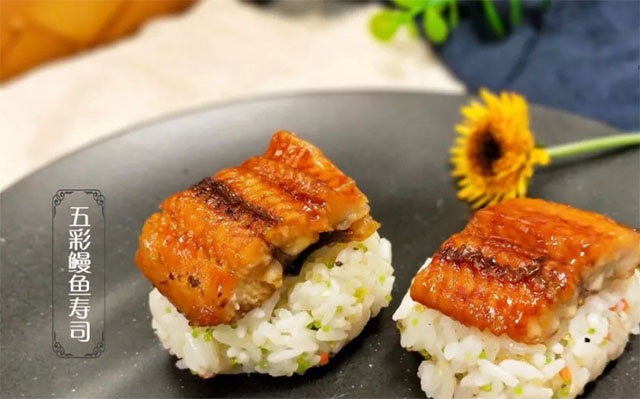
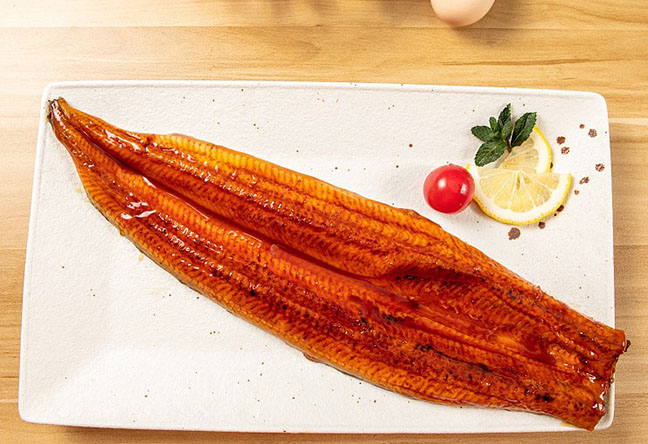
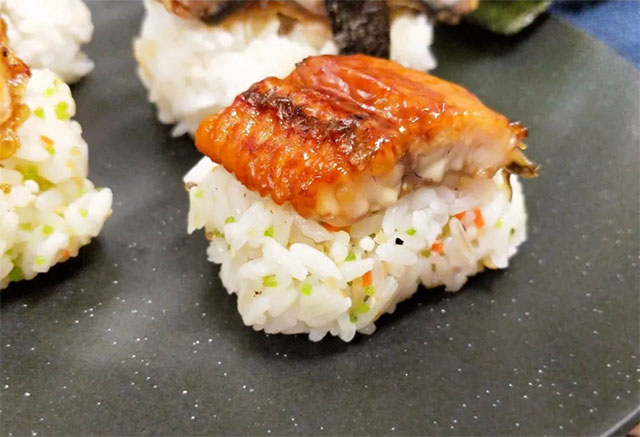
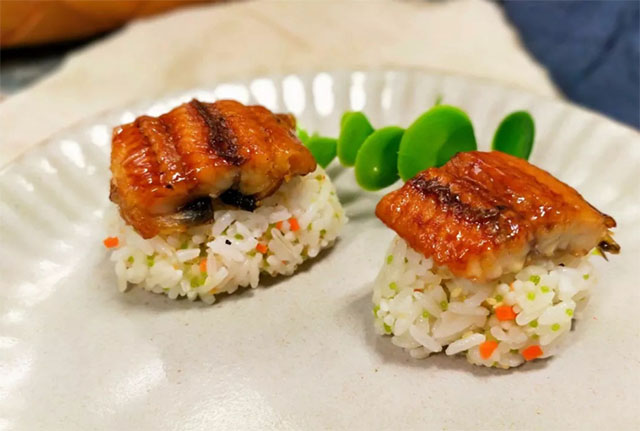
Picture a warm bowl of rice. A glossy grilled fillet sits on top, dark caramel-colored sauce catching the light. The fish is unagi. The glaze brushed over it is usually eel sauce, also called unagi tare. One is the main ingredient. The other adds flavor.

The direct unagi define answer is simple: unagi is the Japanese word used for freshwater eel in Japanese cuisine. It usually refers to eel served grilled, roasted, steamed, or prepared for dishes such as unadon, unaju, sushi, and rice bowls.
For food buyers and restaurant guests, the practical point is this: when “unagi” appears in a dish name, expect an eel ingredient rather than a condiment. The term may refer to the fish itself, a prepared eel portion, or a finished eel dish depending on the menu wording.
Freshwater eel is the relevant food category here. In Japanese-style cooking, unagi is often associated with fillets prepared in the kabayaki style: eel is grilled or roasted and coated with a sweet savory sauce. That association causes plenty of confusion. The sauce is common with unagi, but it is not unagi itself.
When people ask unagi define in a restaurant setting, use this quick rule: if you can cut it with chopsticks or a fork, it is likely the eel; if it is brushed, drizzled, or served in a small cup, it is likely the sauce.
The conclusion for diners is clear: choose unagi when you want the rich, tender seafood component. Do not choose it expecting a pourable dipping sauce. This distinction applies to Japanese restaurants, Asian foodservice menus, and home cooking. It may not apply when a menu uses a house-created name, so ask whether the item contains eel, sauce, or both.
This is the boundary that matters most. Unagi is freshwater eel. Eel sauce is a sweet soy-based glaze. They are related in use, not in identity.
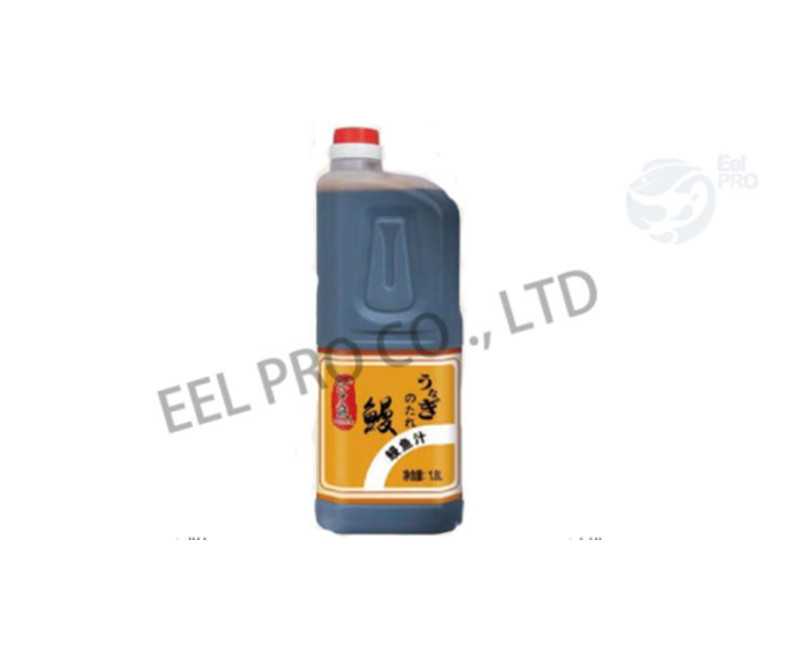
The phrase unagi define can lead to mixed answers because English-speaking menus sometimes call the glaze “unagi sauce,” “eel sauce,” or “kabayaki sauce.” Those names describe its usual pairing, not necessarily its ingredients. A bottle labeled eel sauce should be read as a sauce product unless the ingredient statement says otherwise.
| Question | Unagi | Eel Sauce or Unagi Tare |
|---|---|---|
| What is it? | Freshwater eel used as food. | A sweet soy-based glaze or seasoning sauce. |
| How is it served? | As fillets, slices, skewers, sushi toppings, or rice-bowl portions. | Brushed onto grilled food, drizzled over rice, or served for dipping. |
| What does it provide? | Protein, texture, natural eel flavor, and the main seafood portion. | Sweetness, saltiness, shine, and the familiar kabayaki-style finish. |
| Can one replace the other? | No. Eel cannot function as a liquid seasoning. | No. Sauce cannot replace the seafood portion of a dish. |
| Why are the names confused? | Unagi is frequently prepared with this sauce. | The sauce is widely marketed for unagi and eel-style dishes. |
So, when you see unagi define attached to a bottle question, the answer is not “a sauce made of eel.” It means the shopper is trying to separate the Japanese eel term from the glaze commonly served with it.
For a restaurant, the best menu wording is specific. Write “grilled eel with sweet soy glaze” if both components are present. Write “sweet soy eel sauce” when selling the condiment. This helps guests with seafood preferences, dietary questions, and ordering confidence. The wording may need further detail if your recipe includes added spices, allergens, or a house-specific formula.
Here is a useful food-labeling reality: the name “eel sauce” often tells you how the sauce is used, not that eel is one of its ingredients. In many Japanese and Japanese-inspired dishes, it is a dark, sweet, soy-forward glaze made to complement grilled eel. It can also be used with sushi, grilled fish, rice, vegetables, tofu, and other foods.
This is the most helpful unagi define clarification for home cooks. If you want to cook eel, buying only eel sauce will not give you an eel dish. If you want a glaze for sushi or rice bowls, buying frozen unagi may be more than you need.
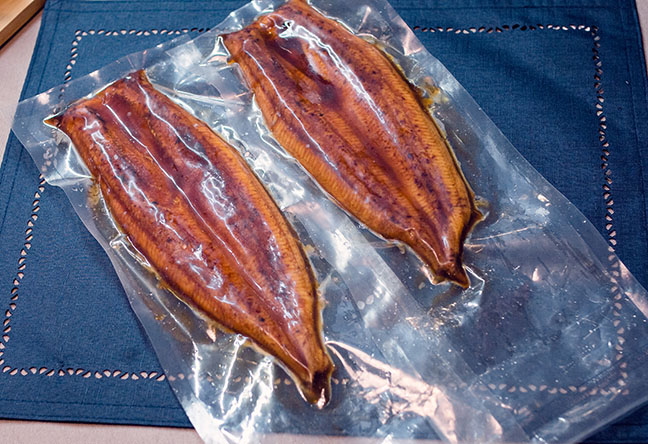
Eelpro supplies both prepared eel products and eel sauce for buyers who need these items as separate components. Keeping the product categories separate makes purchasing simpler: one SKU is the seafood item; the other is the flavoring item.
A small but useful food fact: “eel sauce” is often treated like a flavor category. It has become familiar far beyond eel dishes because its sweet savory profile works with several menu formats. That does not change the meaning of unagi. The unagi define answer remains the same: unagi refers to the eel, while the sauce is a companion product.
Use this distinction when serving guests with a seafood allergy or a vegetarian preference. Do not assume a sauce is seafood-free merely because it is called a sauce, and do not assume it contains eel because its name says eel sauce. Check the actual product label and ingredient declaration. Names are helpful, but labels decide the ingredient question.
The right choice depends on what is missing from your dish. Choose prepared unagi when you need the centerpiece. Choose eel sauce when you need sweetness, gloss, and a familiar Japanese-style finish. Choose both when making a classic kabayaki rice bowl or sushi presentation.
This unagi define decision guide gives a practical starting point:
| Your goal | Best choice | Why it fits | When it does not fit |
|---|---|---|---|
| Prepare an unagi rice bowl | Frozen unagi kabayaki plus eel sauce if extra glaze is desired | The eel supplies the main portion; the sauce can finish the rice and surface. | Not suitable if you only want a vegetarian or seafood-free sauce application. |
| Add a sweet savory finish to sushi or grilled vegetables | Eel sauce | It gives color and flavor without requiring fish preparation. | Not suitable when the dish specifically promises an eel topping. |
| Build a Japanese restaurant menu item | Prepared unagi kabayaki | It provides the recognizable eel flavor and appearance guests expect. | Not suitable if the menu needs only a sauce garnish. |
| Stock a pantry condiment | Eel sauce | It can be used in small amounts across several dishes. | It will not create an unagi dish without eel. |
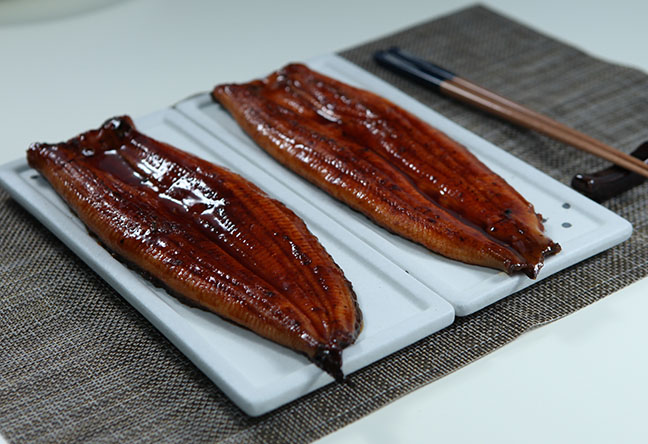
For buyers sourcing prepared eel, unagi kabayaki is a useful category to review because it combines roasted eel with the familiar glazed style. Eelpro uses a four-layer soy-sauce coating process with defined color standards from white-roasted eel through the first, second, third, and fourth coating stages.
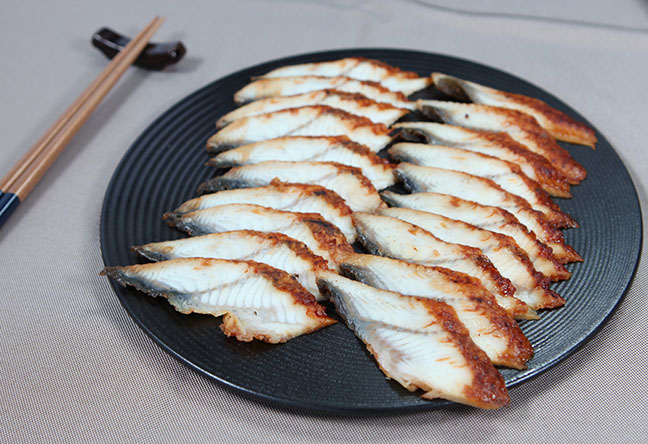
The practical limit is that kabayaki is a prepared style, not a universal description for every eel product. White-roasted skewers, cut pieces, sushi slices, strips, chunks, and other formats serve different kitchen needs. A foodservice buyer should specify the desired cut and packaging format before requesting pricing or samples.
Use this short process whenever a menu, recipe, or online listing makes the terminology unclear. It avoids the most common mix-up behind the unagi define search.
This method fits home cooks, restaurant guests, and purchasing teams. Its limit is simple: product names vary by seller, so the ingredient list and product specification remain the final reference when there is uncertainty.
The phrase unagi define often appears after one of these mistakes has already happened. They are easy to avoid.
For a cooking idea that uses the sauce as part of the flavor balance, see this guide on kabayaki sauce. It is useful after you understand the boundary: the sauce supports the eel, but it does not become the eel.
For commercial purchasing, the best unagi define question is followed by a product-specification question. Clear terminology reduces incorrect orders, menu confusion, and back-of-house waste.
Eelpro operates two production lines for frozen roasted eel and deep-processed aquatic products, with annual finished-goods capacity of 4,000 tons and a 1,000-ton cold-storage facility. The company holds ISO 22000:2018, HACCP, HALAL certification, export food producer registration, and an SC food production license. Its supply chain includes about 20 customs-registered eel farming bases covering 2,150 mu, supported by full-chain traceability controls.
Those details matter when the product is actually unagi. They are less relevant when a buyer only needs a small retail bottle of sauce, where formulation, label review, packaging, and intended use take priority. Regular order delivery is approximately 30 days from order confirmation to shipment, subject to specification and quantity negotiation.
If you still pause at unagi define, remember one final image: the glossy grilled fish on the rice is unagi; the dark sweet glaze shining on top is eel sauce. They belong together beautifully, but they should never be mistaken for the same product.
Explore our high-quality unagi options or request product-selection advice for your menu or retail plan.
 WhatsApp
 sales@chinaeels.com
 +8619937922411