





You see “unagi” on a Japanese menu, then find “freshwater eel” on an English product label. Are they the same thing? Usually, yes—but the wording carries an important difference for diners, chefs, and food buyers.
Unagi in English is most often translated as “freshwater eel” because the Japanese food term usually refers to eel from the freshwater eel family, especially the Japanese eel used in familiar grilled dishes. The translation is useful, but it is not a full product specification. A menu name tells you about cuisine and presentation; a commercial label should also identify the species, cut, sauce, processing method, and storage format.
The simplest answer is this: unagi is a Japanese culinary word, while freshwater eel is a broad English category. The two overlap, but they are not perfectly interchangeable in every purchasing situation.
In Japanese cuisine, unagi commonly means grilled eel served over rice, in sushi, or in other prepared dishes. The species most closely associated with that usage is the Japanese eel, scientifically named Anguilla japonica. In English, “freshwater eel” can refer to several eel species in the Anguilla group, not only Japanese eel.
That is why translating unagi in English as “freshwater eel” works well for a diner reading a menu, but it may be too broad for an importer approving a product specification.
| Term | What it usually means | What it affects in practice | When the term alone is not enough |
|---|---|---|---|
| Unagi | A Japanese word for eel, especially in food and restaurant settings | Signals a Japanese-style dish, often grilled and served with a sweet-savory sauce | When a buyer needs species, origin, processing details, or compliance documents |
| Japanese eel | Anguilla japonica, the species strongly linked with traditional Japanese unagi dishes | Helps define the species requested in a purchasing or import specification | When the supplier offers several eel species or the market requires scientific naming |
| Freshwater eel | A broad English category that includes Japanese eel and other Anguilla species | Makes a menu understandable to English-speaking diners | When “freshwater eel” could describe more than one permitted or available species |
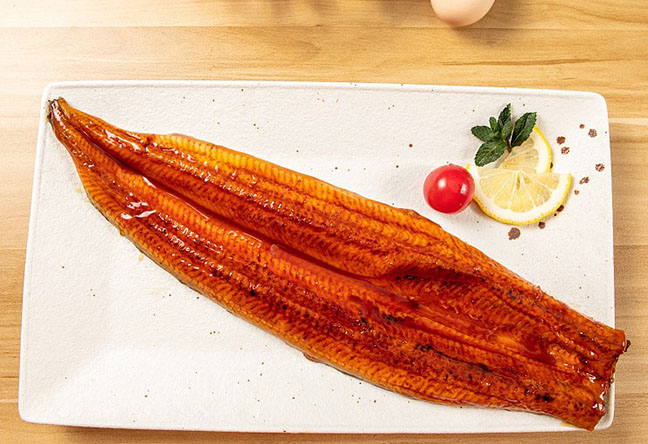
| Kabayaki | A preparation style: split eel, grilled, and coated with sauce | Defines finished-product style, flavor profile, and serving use | When the buyer assumes kabayaki automatically identifies the eel species |
Buyer conclusion: use “freshwater eel” for consumer-facing English clarity, then add the scientific species name where product identity matters. This approach fits menus, catalogues, import documents, and wholesale specifications. It does not apply when local labeling rules require a different prescribed common name, so buyers should verify destination-market requirements before printing packaging.
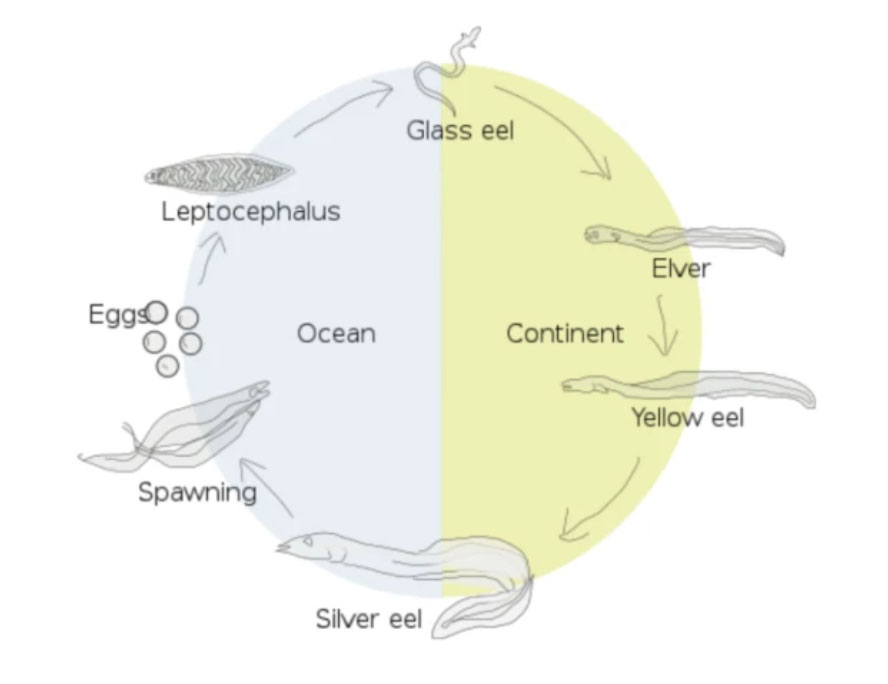
“Freshwater” does not mean these eels spend their entire lives only in rivers or ponds. Japanese eels grow in freshwater and brackish environments, but they migrate to the ocean to reproduce. The English category describes the group’s familiar habitat and culinary identity, rather than providing a complete description of its life cycle.
This matters because a buyer who reads “freshwater eel” as a strict habitat statement may misunderstand the product. For food purchasing, species, farming-base records, processing controls, and traceability are more useful checks than the category name alone.
A Japanese restaurant menu often keeps the word “unagi” because it carries immediate culinary meaning. It suggests tender grilled eel, glossy sauce, charcoal-like roasted notes, rice bowls, sushi, and familiar Japanese presentation. Translating every menu item only as “eel” can lose that useful context.
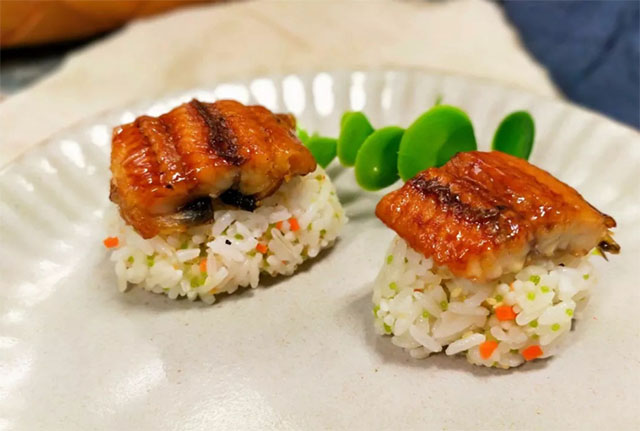
For example, “unagi don” tells a diner that eel is likely served over rice. “Freshwater eel rice bowl” is clearer to someone unfamiliar with Japanese words, but it does not automatically explain the kabayaki-style preparation. The best bilingual menu often uses both: “Unagi Rice Bowl (Grilled Freshwater Eel).”
When people search for unagi in English, they are often trying to answer one of three practical questions:
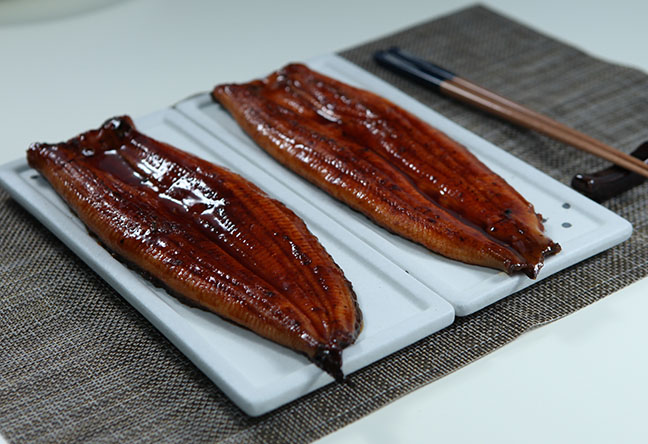
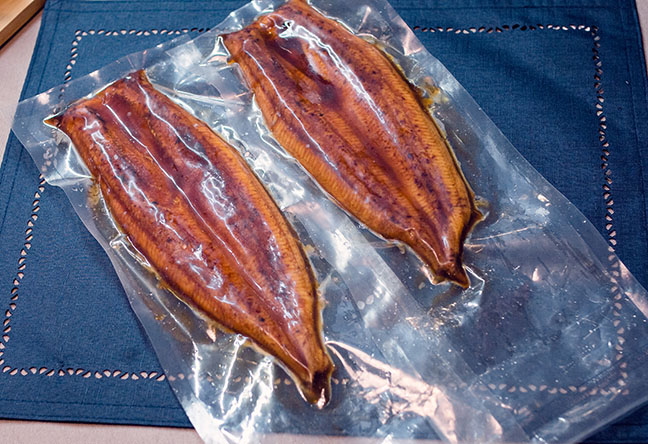
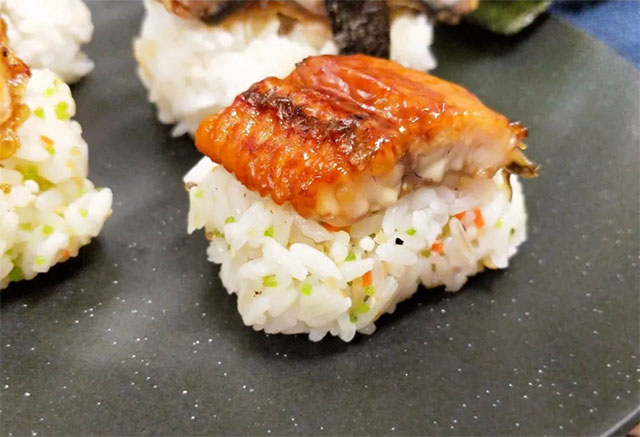
For home cooks, a package of unagi kabayaki is a prepared product rather than raw whole eel. It is intended for convenient heating and serving. That distinction changes what you should buy. A diner seeking a quick rice bowl should choose ready-to-heat kabayaki; a processor needing to create a new recipe may require a different cut or treatment.
Practical recommendation: retain the Japanese term when the dish depends on Japanese culinary recognition, but put “freshwater eel” beside it on English-facing menus. This fits restaurants, retail shelves, and foodservice catalogues. It is less suitable for technical import documents, where the common name should be supported by the exact product specification.
A clear label answers more than “what is unagi in English?” It tells the buyer what form of eel is inside and how it will perform in a kitchen or distribution chain. The wrong assumption can create menu inconsistency, unnecessary preparation labor, or a mismatch between the buyer’s intended dish and the supplied product.
Use this label-reading sequence before ordering frozen eel products:
This procedure is especially useful when comparing several quotations. A lower-priced item may not be equivalent if it has a different species, different cutting method, or a different sauce arrangement. Price only becomes meaningful after the product definition is aligned.
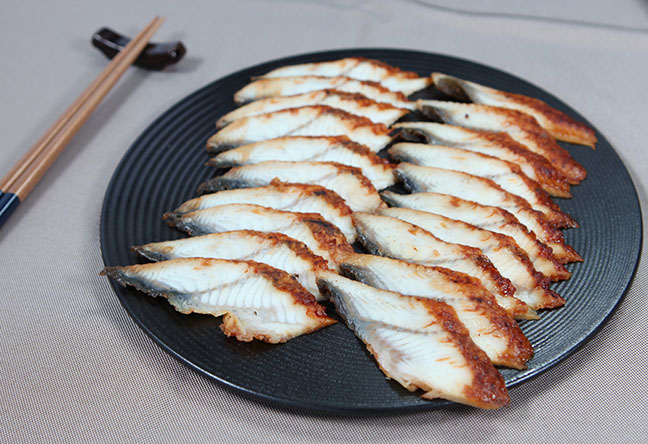
At Eelpro, buyers can discuss customized cuts including shredding, dicing, strip-cutting, chunk-cutting, three-section cuts, and sushi slices. Our two production lines produce frozen roasted eel and deep-processed aquatic products, with annual finished-goods capacity of 4,000 tons. The appropriate format depends on the menu and labor model, not simply on the word “unagi.”
Using unagi in English correctly is not about replacing one word with another. It is about avoiding confusion between cuisine, species, and finished product. The mistakes below appear often in early product research.
When this advice has limits: local food-label regulations, customer private-label rules, and import requirements may prescribe terminology that differs from a restaurant menu. In those cases, legal labeling requirements take priority over marketing preference. For United States import planning, buyers may also consult the FDA for applicable food import guidance.
The phrase unagi in English may lead a diner to a menu item, but food buyers need to match the name to an operational use. The best format depends on who will prepare it, how it will be served, and how much back-of-house handling is acceptable.
| Buyer scenario | Recommended wording | Product format to discuss | Reasoning | Limit |
|---|---|---|---|---|
| Japanese restaurant menu | Unagi with “grilled freshwater eel” as clarification | Kabayaki fillet or suitable serving cut | Preserves Japanese menu recognition while helping first-time diners | The menu wording does not replace technical species records |
| Retail frozen-food label | Freshwater eel plus preparation description | Frozen kabayaki with agreed packaging | Gives English-speaking shoppers a clear product identity | Final wording must follow the destination market’s label rules |
| Sushi or rice-bowl operator | Unagi kabayaki | Sushi slices, strips, or portioned pieces | Standardized cuts can reduce kitchen handling | The right cut depends on the operator’s portion design |
| Importer or distributor | Common name plus scientific name and full specification | Agreed frozen eel format and documentation set | Reduces ambiguity between quotations and shipment approval | Documentation needs differ by country and channel |
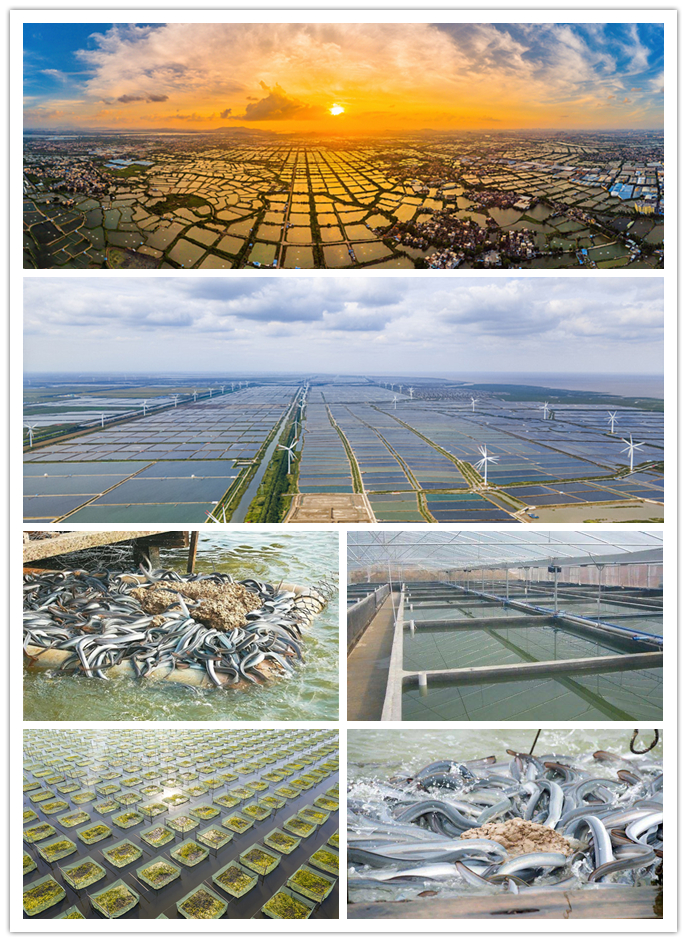
For buyers building a supply plan, traceability matters after the name is settled. Eelpro works with approximately 20 customs-registered eel farming bases covering more than 2,150 mu, with traceability controls from farm registration through processing verification, sampling, and tracking. Our eel farm information and in-house eel lab resources help explain the controls behind export-oriented supply.
We hold ISO 22000:2018, HACCP, and HALAL certifications, plus export food producer registration and an SC Food Production License. Products are made with export inspection requirements for Japan, the United States, and the European Union in mind. Regular order delivery is approximately 30 days from order confirmation to shipment, subject to specification and quantity agreement.
For a diner, unagi in English means freshwater eel and usually points toward a rich, grilled Japanese dish. For a restaurant, it is a menu communication choice. For a buyer, it is the first line of a much more detailed specification.
A good working rule is simple: use “unagi” to describe the Japanese culinary experience, use “freshwater eel” to make the meaning clear in English, and use Anguilla japonica when the Japanese eel species must be identified. Then confirm the preparation style, cut, sauce arrangement, packaging, and compliance needs before placing an order.
If you are comparing frozen eel formats for a menu, retail range, or import program, request a product specification or sample recommendation from Eelpro.

 WhatsApp
 sales@chinaeels.com
 +8619937922411