





A glossy slice of eel over warm rice looks simple, but it raises a common question: why is raw eel sushi rarely served in the same way as tuna or salmon? The short answer is that eel is normally prepared through controlled cooking, grilling, seasoning, and freezing before it reaches a sushi counter.
For diners, that means a softer, smoky, sweet-savory bite. For foodservice buyers, it means a different sourcing model. Sushi eel is generally not a raw-fish item that chefs slice and serve directly. It is a prepared product that needs proper supplier controls, storage, reheating instructions, and menu planning.

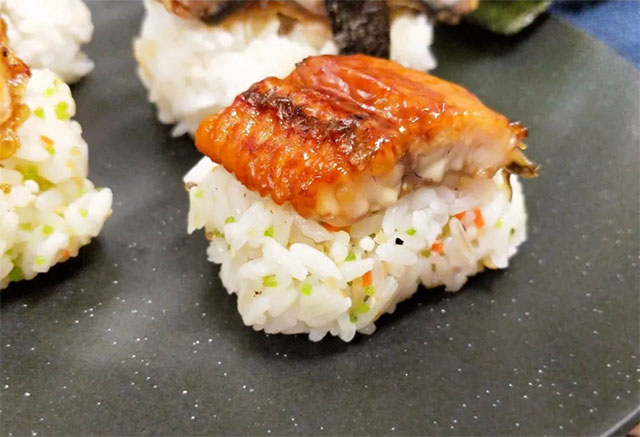
No. In normal restaurant use, raw eel sushi is not the standard expectation for unagi. The eel served on nigiri, in rolls, or over rice is usually cooked before service. Japanese-style unagi is commonly grilled, seasoned with tare, frozen, and then reheated by the restaurant.
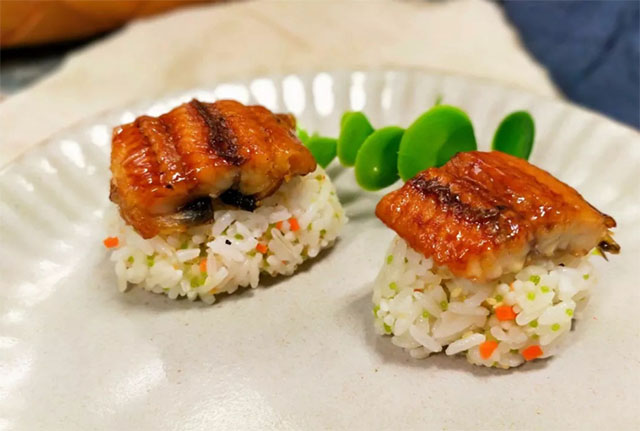
This differs from sushi items such as tuna, salmon, or certain shellfish, where buyers may source products intended for raw presentation. Eel has a different texture, preparation history, and menu role. The goal is not a cool, clean raw-fish bite. The goal is tender flesh, grilled aroma, caramelized sauce, and enough structure to sit neatly on rice.
The conclusion for menu teams is straightforward: source cooked unagi when you want dependable eel sushi service. This format fits sushi restaurants, Japanese dining concepts, Asian catering, and retail meal kits. It does not fit a menu concept built around serving freshwater eel as a raw sliced product.
When buyers discuss raw eel sushi with suppliers, they should clarify whether they mean a raw ingredient, a frozen cooked product, or an assembled sushi item. Those are very different purchasing requests.
Eel is cooked because cooking is part of the expected product identity, not merely a final kitchen step. The cooking process changes the flesh from firm and fatty to tender and rich. Grilling also develops the browned surface and sauce adhesion that diners associate with unagi.
Food safety is another practical reason. Eel is a freshwater aquatic product, so buyers should treat sourcing, farming controls, processing hygiene, residue management, and cold-chain handling seriously. The U.S. Food and Drug Administration publishes its Fish and Fishery Products Hazards and Controls Guidance, which explains why seafood businesses need hazard-based controls rather than assumptions based on appearance alone.
For prepared eel, cooking becomes one layer in a wider control system. It does not remove the need for verified raw-material sources, a maintained cold chain, hygienic packing, and clear handling after delivery.
That is why raw eel sushi can be a misleading search term. The product most buyers want is typically cooked unagi kabayaki, not fresh raw eel intended for direct slicing.
Buyers should not evaluate cooked eel with the same checklist used for raw tuna or salmon. The table below compares the supply expectations for raw eel sushi searches versus the pre-cooked unagi products commonly used in sushi menus.
| Buying point | Raw-fish sushi service | Pre-cooked unagi service |
|---|---|---|
| Typical product form | Fish portions or loins prepared for raw slicing | Roasted and seasoned eel fillets, cut pieces, strips, or sushi slices |
| Kitchen preparation | Knife work, portioning, raw display control, and immediate service | Controlled thawing or reheating, portioning if needed, then assembly |
| Expected flavor profile | Clean marine flavor, cool texture, minimal seasoning | Warm, soft eel with grilled notes and sweet-savory tare |
| Menu use | Sashimi, nigiri, carpaccio-style dishes, raw tasting menus | Unagi nigiri, unakyu rolls, rice bowls, bento, noodle toppings, and catering trays |
| Supplier questions | Raw-service suitability, trimming, portion condition, chilled handling | Cooking process, sauce profile, bones, cuts, packaging, reheating method, and cold storage |
| Best fit | Restaurants with trained raw-fish preparation teams | Operations seeking repeatable eel service with less in-house processing |
Buyer conclusion: choose pre-cooked unagi if consistency, labor reduction, and menu speed matter more than raw-fish theater. This is especially suitable for multi-unit sushi concepts, delivery kitchens, catering companies, and retailers using prepared meal formats.
Limit: pre-cooked eel is not interchangeable with raw sushi fish. A chef should not market it as raw seafood, and a buyer should not expect the flavor or texture of sashimi from a kabayaki fillet.
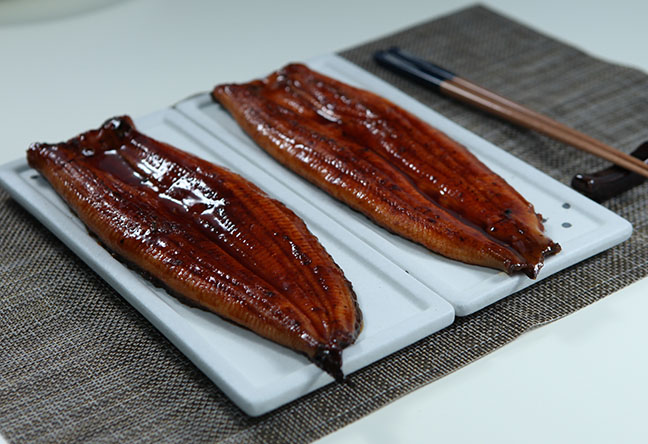
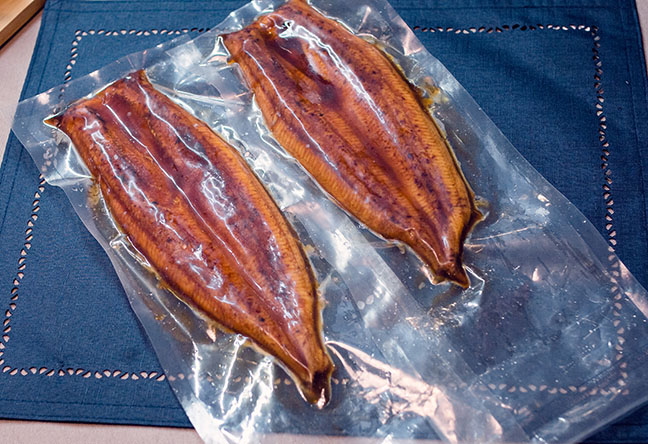
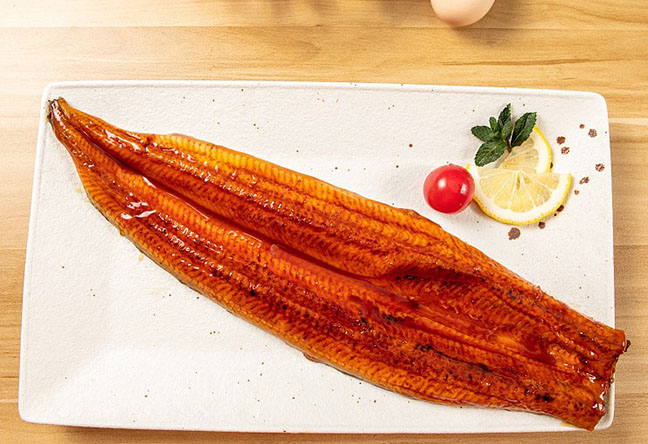
Frozen unagi kabayaki is prepared eel designed for controlled finishing in the kitchen. At Eelpro, our frozen roasted eel process uses four precise soy-sauce coating layers with temperature-controlled roasting steps. We have established color standards for white-roasted eel and each of the first through fourth sauce coatings.
That process matters because sauce is not only decoration. It affects color, surface shine, sweetness, and the final impression on sushi rice. Buyers who want to compare sauce profiles can also review our eel sauce options and our explanation of kabayaki sauce for menu development.
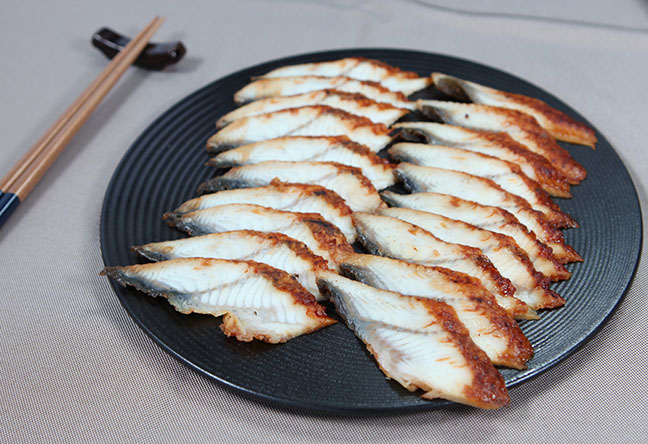
For a restaurant sourcing against a raw eel sushi brief, the practical choice is usually one of the following prepared formats:
Our unagi kabayaki product range can be discussed by cut, sauce style, and package format. MOQ is negotiated according to product specification and packaging requirements, including skin packaging and gift-box formats.

A good purchase decision starts with the supply chain, not the menu photo. If your team is comparing raw eel sushi options with cooked alternatives, ask for documentation and product details before asking only about price.
This approach fits importers, distributors, restaurant groups, and central kitchens. It may be more detailed than a small household purchase requires, but commercial buyers need these checks because a menu interruption can affect multiple locations.
The most frequent mistake is treating eel as though it were simply another raw sushi fish. That assumption can lead to the wrong specification, unexpected kitchen work, and menu descriptions that do not match the product.
Cold fact: the familiar glossy finish on eel nigiri does not mean the eel is raw or freshly brushed at the counter. It is often the visible result of repeated roasting and sauce application during production, followed by careful finishing in the kitchen.
Yes, provided the format matches the dish. Cooked eel has a recognizable place in traditional unagi nigiri and unagi don, but it also works in modern rolls, meal-prep boxes, noodle bowls, and Asian fusion dishes.
For a classic sushi counter, use portioned fillets or sushi slices with warm rice and a restrained amount of sauce. For delivery and catering, use cut pieces in rice bowls or rolls where the product stays attractive after transport. For menu teams looking for roll inspiration, our eel sushi roll recipe shows how eel can pair with cucumber in an unakyu-style format.
Eelpro supplies kabayaki eel to Japanese restaurant chains and exports unagi kabayaki and eel sauce to U.S. food importers. We also supply eel products to importers and foodservice channels in Germany, Poland, Australia, Indonesia, the European Union, and Southeast Asia. These references show that cooked eel can fit different market channels, but they do not mean every format is right for every menu.
Restaurants should not assume freshwater eel is suitable for raw service. Standard sushi-menu unagi is normally cooked. For a menu that uses any raw seafood, follow local food rules and work only with suppliers able to document the intended use of the product.
Often, kabayaki eel is roasted with a soy-sauce-based tare. However, sauce level and style should be confirmed before purchase. Some buyers may prefer a more lightly seasoned product for their own finishing sauce.
Usually, yes. Deboned or boneless options, standardized cuts, and ready-to-heat packaging can reduce back-of-house handling. The limit is that staff still need to follow the supplier’s handling instructions and maintain proper frozen storage.
Eelpro’s regular order delivery time is approximately 30 days from order confirmation to shipment. Specifications, quantity, and packaging can affect timing, so confirm the order schedule before committing to a menu launch.
Request the product specification, cut style, sauce profile, packaging information, applicable certification documents, and intended storage and preparation guidance. Sample evaluation should include taste, appearance, rice pairing, staff handling, and plate consistency.
If you are deciding between cooked fillets, sushi slices, or cut eel for a raw eel sushi menu search, contact Eelpro to request product selection advice or a quotation.

 WhatsApp
 sales@chinaeels.com
 +8619937922411