





Someone at your dinner table just quoted Ross from Friends: "Unagi is a state of total awareness." Everyone laughs. Nobody corrects him. But what does unagi mean, actually? The short answer: it's freshwater eel — the fish, not a mindset. Let's fix this once and for all, with the real Japanese context behind it.
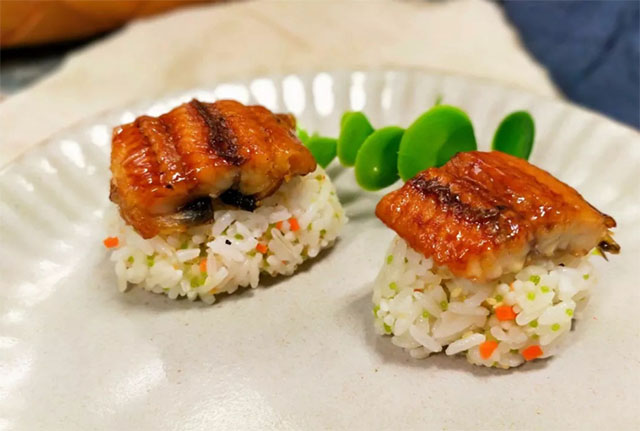
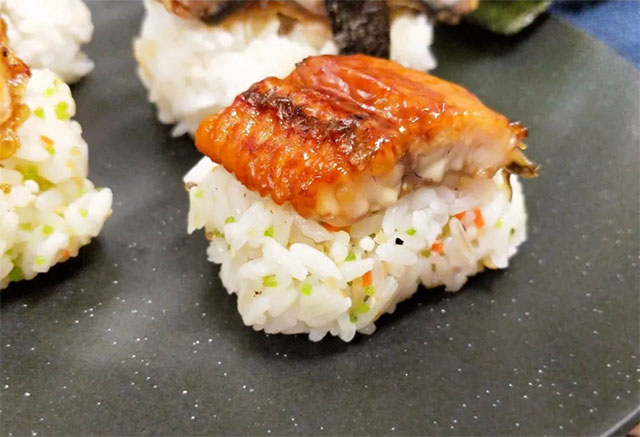
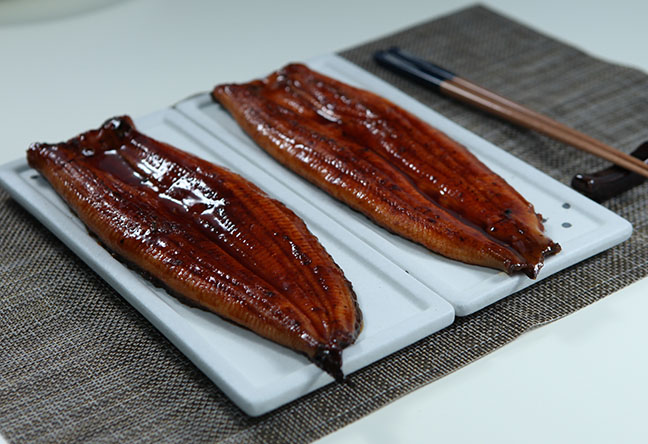
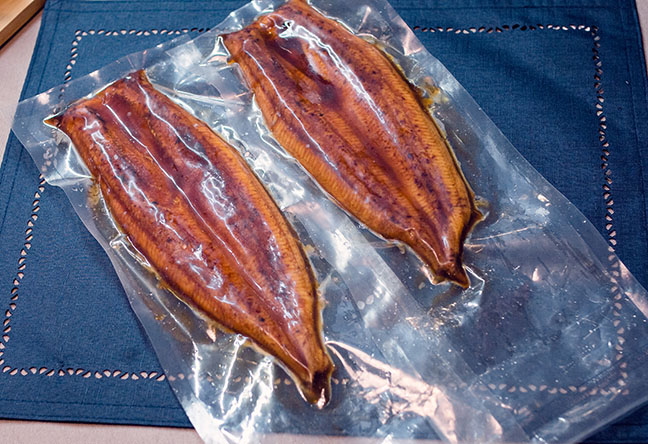
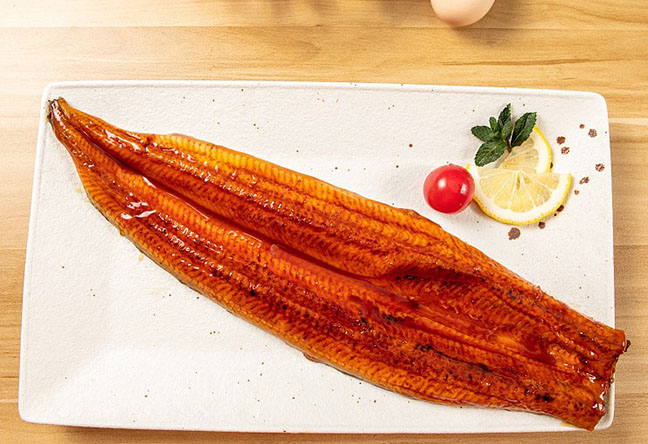
In Japanese, unagi (鰻) simply means freshwater eel. That's it. No martial arts. No hidden Zen concept. It's the same category of fish used in classic dishes like unagi kabayaki, where the eel is split, deboned, and grilled with a sweet soy glaze.
Restaurants in Tokyo, Osaka, and Nagoya have served freshwater eel this way for centuries. The word itself carries zero symbolic weight beyond "this is eel." Compare that to how the term gets used in casual English conversation today, and you'll see how far the meaning drifted.
| Japanese Term | What It Actually Means |
|---|---|
| Unagi (鰻) | Freshwater eel, the raw ingredient itself |
| Kabayaki | Split, deboned eel grilled with soy-based glaze |
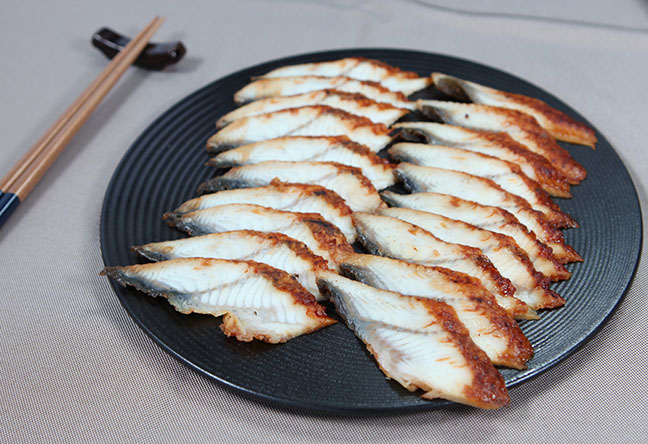
| Shirayaki (white-roasted) | Eel grilled plain, no sauce, served with salt or wasabi |
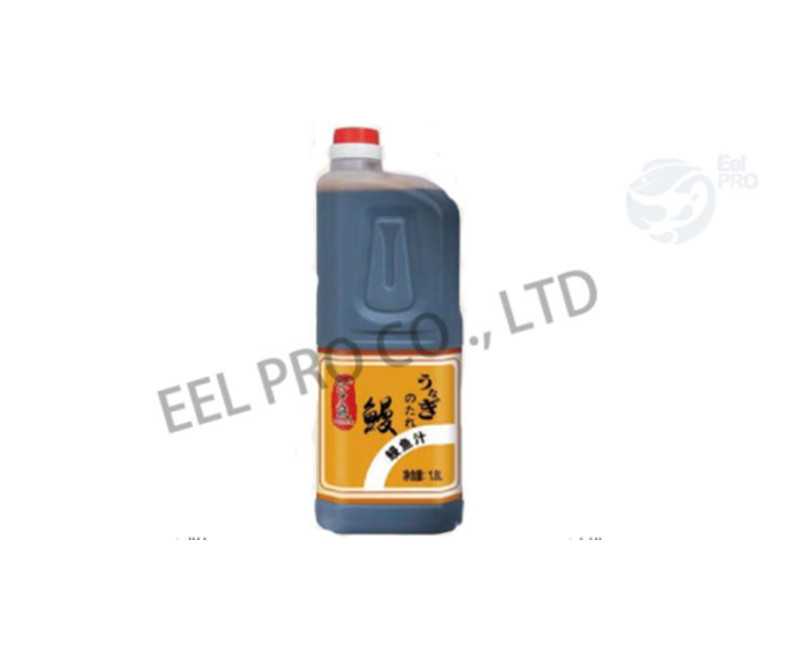
| Tare (unagi sauce) | The sweet soy-based dipping/basting sauce used on kabayaki |
Here's the honest answer, faq-style, no hedging: Ross's definition is factually incorrect. There is no Japanese word "unagi" that means a heightened state of alertness. The writers of Friends almost certainly borrowed the flavor of a real Japanese martial-arts concept and swapped in a funnier, food-sounding word.
The closest real term is zanshin (残心), used in Japanese martial arts like kendo and aikido. Zanshin describes a state of relaxed alertness — staying mentally present and aware of your surroundings even after a technique is finished. That's much closer to what Ross was trying to describe than any actual meaning of eel.
| Question | Answer |
|---|---|
| Does unagi mean "total awareness" in Japanese? | No. It means freshwater eel. |
| Is there a real term for that alert-mind concept? | Yes — zanshin, a martial-arts term, not a food word. |
| Did the show intend it as a joke? | Most likely yes — it's a comedic mistranslation, not meant to be taken as fact. |
| Should the "unagi" scene be used to teach Japanese vocabulary? | Not for meaning — it's fine as pop-culture trivia, nothing more. |
Limitation worth naming: we can't confirm the writers' exact reasoning — there's no official commentary tying "unagi" directly to "zanshin." But linguistically and culturally, zanshin is the strongest match for the concept Ross describes, while "unagi" stays firmly in the kitchen.
This mix-up isn't just harmless trivia. It leaks into real menus and product labels, which creates confusion for buyers and diners alike. Common mistakes we see across foodservice and retail:
If you're sourcing for a restaurant chain or retail brand, precision in labeling protects you from repeat customer complaints and, in export markets, from compliance headaches during inspection.
Once you know what does unagi mean in the literal sense, the next question buyers ask is: how do I make sure what I'm ordering is the real thing, done right? Here's a practical checklist we walk overseas clients through:
| Check Point | Why It Matters | When It Doesn't Apply |
|---|---|---|
| Species confirmed as freshwater eel (Anguilla) | Avoids substitution with conger eel or other species | N/A — always confirm species on spec sheet |
| Cutting spec matches menu use (skewers, chunks, sushi slices) | Reduces back-of-house prep time and waste | Not needed if you're buying whole roasted eel for retail display |
| Sauce coating layers documented | A 4-layer soy-sauce coating process gives consistent color and flavor depth batch to batch | Less relevant for shirayaki (unsauced) orders |
| Cold-chain and storage capacity of supplier | A 1,000-ton cold storage facility supports stable delivery timing | Skip if you're only buying small retail-pack quantities locally |
| Traceability from farm to shipment | Matters for export compliance in Japan, US, and EU markets | Less critical for domestic-only small-batch buyers |
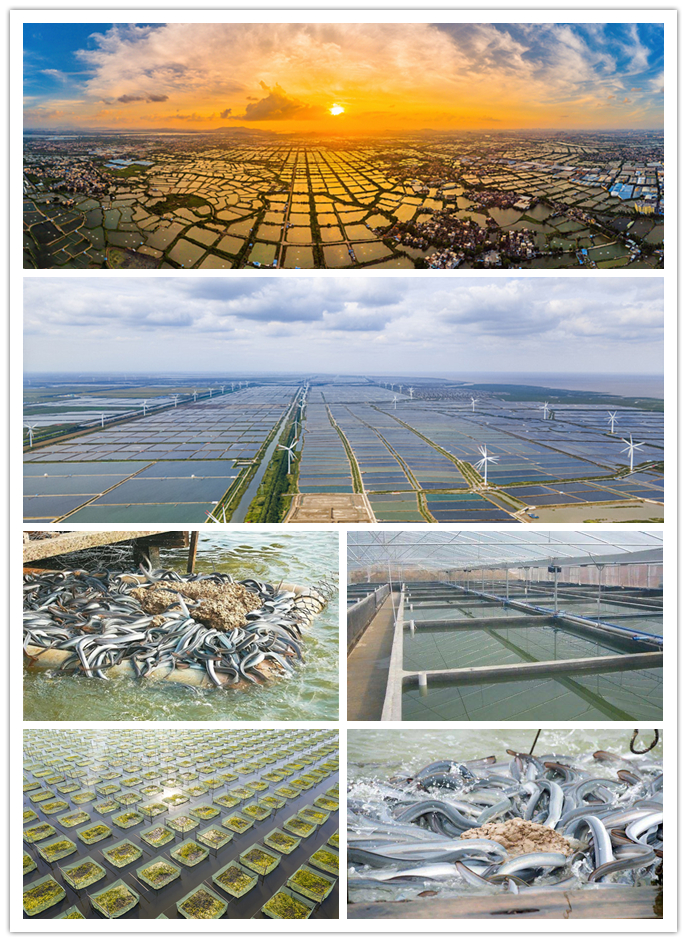
For B2B buyers, this is where certification actually earns its keep. Eelpro operates under ISO 22000:2018 and HACCP systems, holds an Export Food Producer Registration Certificate and HALAL certification, and runs full traceability across roughly 20 customs-registered eel farming bases covering 2,150 mu. That chain — from farm registration through process verification to shipment — is what lets us apply export-grade quality standards consistently, whether the order ships to Tokyo or Frankfurt.
Here's a detail most diners never learn: the "white-roasted" and "1st-through-4th soy-sauce coating" stages aren't just cooking steps — they're documented quality standards inside serious eel processing. Each coating pass changes color depth and flavor penetration, and skilled processors track this the way a coffee roaster tracks bean color. It's a small technical fact, but it separates a rushed, single-glaze product from a properly built kabayaki.
For anyone building a menu around eel, understanding why kabayaki sauce quality matters this much is worth ten minutes of reading before you place your first order.
So, back to the original question. What does unagi mean? It means eel — full stop. Ross's "total awareness" line is a fun piece of sitcom writing, likely inspired by zanshin, a real martial-arts term about staying alert. It's a good icebreaker at dinner. It's not something to repeat to a Japanese chef with a straight face.
If you're a home cook curious about the real dish behind the joke, our easy eel cooking methods guide is a solid next stop. If you're sourcing for a restaurant or import business, our team can walk you through spec sheets, cutting options, and cold-chain lead times for frozen kabayaki eel and related products.
Want the technical side too? Our in-house testing lab checks every batch against Japan, US, and EU residue and microbiological standards before it ships — the kind of detail that matters far more than any sitcom definition ever will.
Got a menu project or an import order in mind? Reach out for a spec sheet or sample request, and we'll help you match the right cut and sauce style to your kitchen.
 WhatsApp
 sales@chinaeels.com
 +8619937922411