




You're staring at a menu. It says "Unagi Don" or "Grilled Eel." Same fish? Different fish? Nobody explains it, and the waiter usually just says "eel" and moves on.
Here's the short answer: unagi in English simply means freshwater eel, most often referring to the species Anguilla japonica. But that single word hides a lot of variation — cooking method, cut, sauce, even species substitution. If you're a home cook, a restaurant guest, or an import buyer sourcing frozen unagi kabayaki, knowing what a label does and does not confirm can save you money and disappointment.
In Japanese, "unagi" (鰻) refers specifically to freshwater eel, distinct from "anago" (saltwater conger eel) and "hamo" (pike conger). When English menus translate unagi, they almost always keep the word "eel," sometimes adding "freshwater" for clarity. But translation stops there — it doesn't guarantee species, origin, or preparation.
Three species dominate global eel supply chains: Anguilla japonica (Japanese eel), Anguilla anguilla (European eel, now heavily restricted under CITES trade rules), and Anguilla rostrata (American eel). Most kabayaki-style products sold internationally, including ours, use farmed Japanese eel or approved substitute stock raised under controlled aquaculture conditions — not wild-caught European eel, which is protected.
This is where most confusion starts. A menu label can describe three completely different things, and readers often assume it covers all three. It usually doesn't.
| Label Type | Example | What It Confirms | What It Does NOT Confirm |
|---|---|---|---|
| Dish name | "Unagi Don," "Kabayaki Eel Rice" | Cooking style and presentation format | Species, origin, or farming method |
| Eel type (common name) | "Freshwater Eel," "Sea Eel (Anago)" | General biological category | Exact species, wild vs. farmed status |
| Scientific species name | "Anguilla japonica" | Exact species identity | Farming practices, food safety certification, or supply chain traceability |
In practice, a menu that just says "Unagi Kabayaki" tells you the dish is soy-glazed grilled eel — full stop. It does not tell you whether the eel came from a customs-registered farm, whether it passed veterinary drug residue testing, or whether it was frozen and thawed once or twice before reaching the kitchen. For that level of detail, you need supplier documentation, not a menu line.
If you're importing or purchasing in volume — not just ordering dinner — the menu or product name is only the starting point. Here's a practical checklist we recommend to overseas buyers:
Say a US importer is comparing two suppliers for frozen unagi kabayaki. Supplier A lists "Grilled Eel, Product of China" with no species name. Supplier B provides Anguilla japonica, sourced from customs-registered farming bases, with lab testing records and a production license number on file.
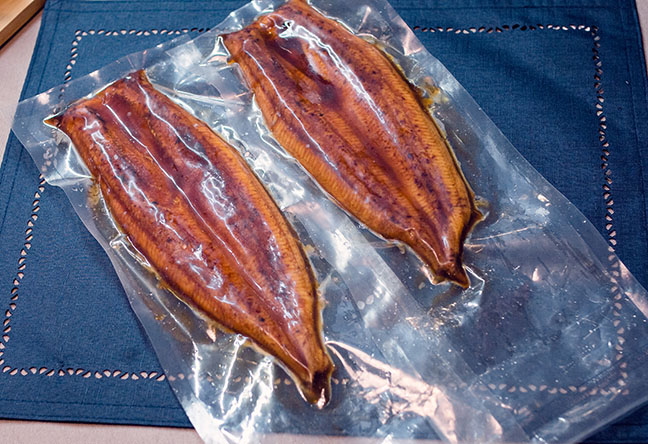
Supplier B's paperwork doesn't just satisfy curiosity — it's what US Customs and FDA import review will actually ask for. This is the same standard we apply at Eelpro: our raw material comes from around 20 customs-registered eel farming bases covering over 2,150 mu, with full-chain traceability from farm registration through process verification and targeted sampling. That's the difference between a menu word and a verifiable supply chain.
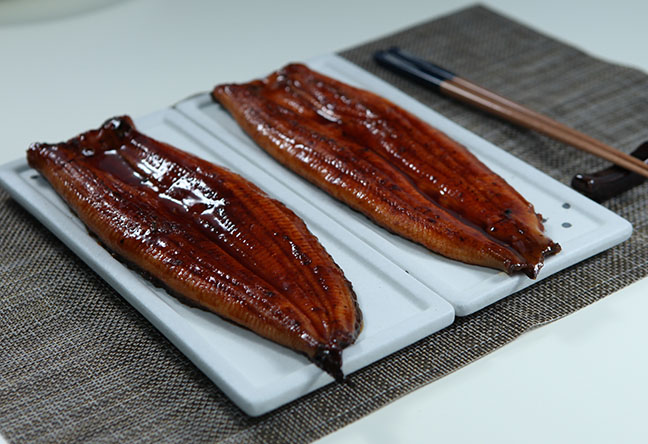
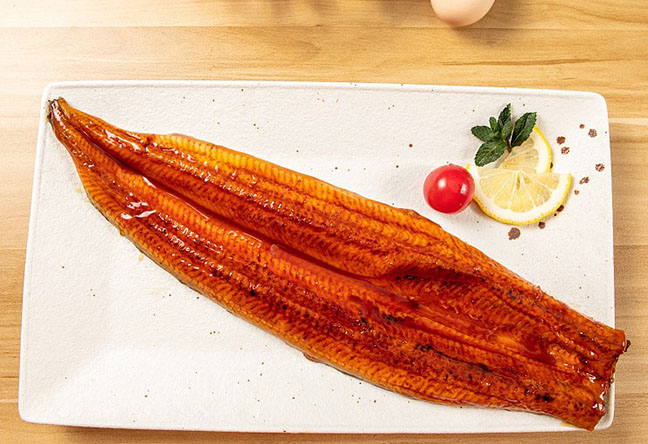
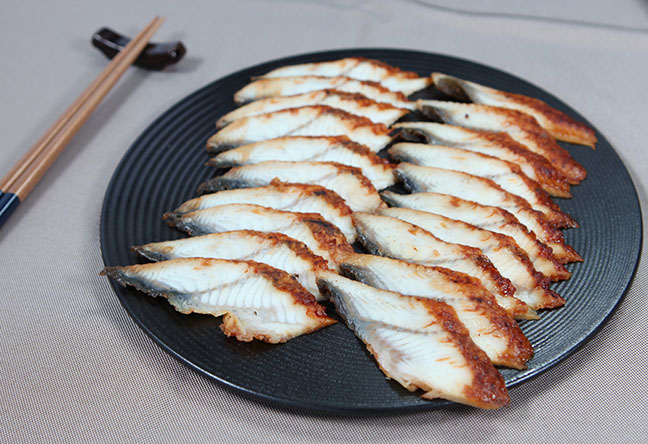
Here's something most menus never mention: authentic kabayaki roasting isn't just "grilled with sauce." Export-grade processing applies four precise layers of soy sauce, each with its own temperature-controlled step, building what's internally graded as "1st-through-4th soy-sauce coating color." The deeper, more even the color layering, the more roasting passes the eel received — and the richer the flavor penetration. A pale, unevenly glazed piece usually means fewer coating passes, even if the menu calls it the same dish name.
Not automatically. It means freshwater eel generally. Confirming the exact species requires checking the scientific name or supplier documentation.
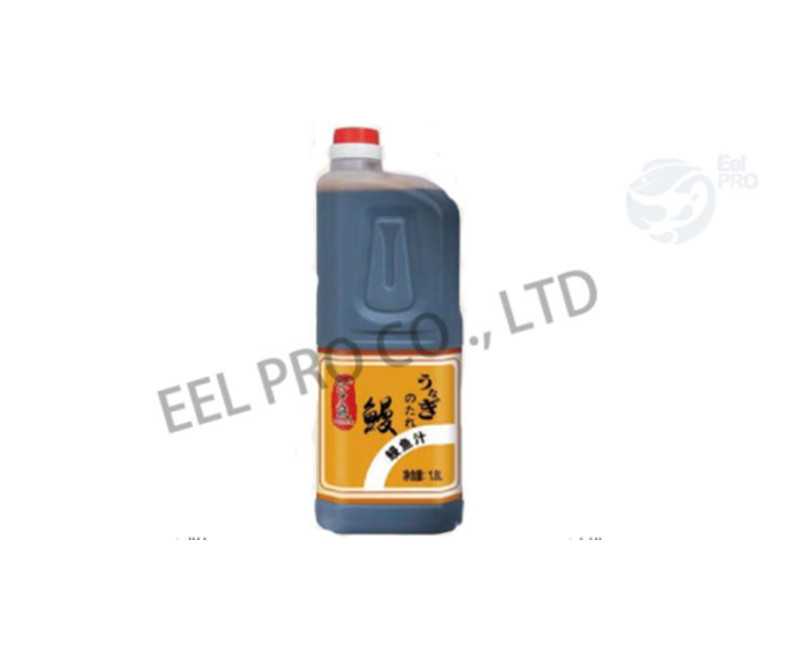
No. Unagi is the fish; eel sauce (unagi tare) is the soy-based glaze used to cook it. You can buy the sauce separately for use in other dishes — see our notes on why kabayaki sauce matters for flavor consistency.
No. A dish name confirms style, not certification. Ask suppliers directly about ISO 22000, HACCP, or export food producer registration if that matters to your purchase.
Kabayaki is soy-glazed and grilled; shirayaki ("white-roasted") is grilled without sauce, relying on the eel's natural flavor and a distinct pale color standard.
If you're a restaurant buyer or import-food shopper, don't stop at the menu wording. Check product pages for species, cut specification, and certification details — our unagi kabayaki line lists this information directly, and our eel farming base and in-house lab pages show how traceability and testing actually work behind the scenes. For broader sourcing beyond eel, our frozen seafood range follows the same documentation standard.
Curious how the sauce itself is made, or want to try cooking kabayaki at home first? Our easy eel cooking guide is a good starting point before you place a larger order.
If you're sourcing frozen unagi kabayaki or eel sauce for a restaurant, distributor, or retail program, reach out for a spec sheet or sample — we're happy to walk through species, cut, and certification details specific to your target market.
 WhatsApp
 sales@chinaeels.com
 +8619937922411