





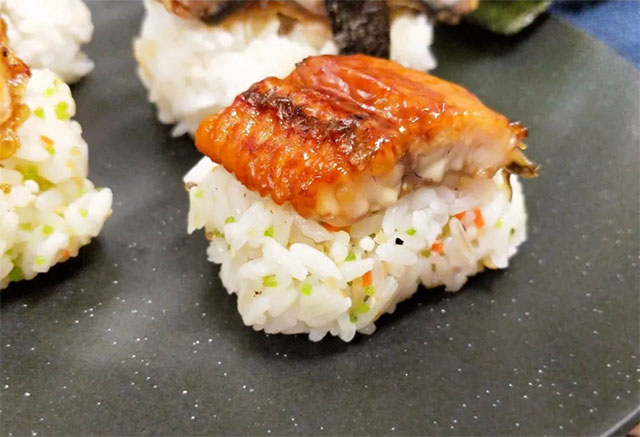
The success of exceptional eel rolls sushi hinges on a single principle: balance. The star ingredient, unagi kabayaki, offers a deeply savory, sweet, and rich flavor profile from its glaze and tender texture. If paired with the wrong fillings, this richness can overwhelm the palate. The key question for chefs and food service buyers is not just what to add, but what functional role each ingredient plays in creating a harmonious final product.
As a quality specialist who has overseen the export of thousands of tons of unagi, I've seen how the final application in a commercial kitchen defines success. The quality of the eel is the foundation, but the supporting ingredients determine if the dish is memorable or merely mediocre. Getting this balance right ensures customer satisfaction and repeat business. It starts with a consistent, high-quality eel product and ends with thoughtful ingredient pairing.
Before considering fillings, the quality of the eel itself must be non-negotiable. Inconsistent texture, an overly fatty mouthfeel, or a muddy aftertaste can ruin even the best-designed eel rolls sushi. This is where the production process becomes critical for foodservice professionals who rely on product stability and safety.
At Eelpro, our entire supply chain is built to mitigate these risks. It begins at our ~20 customs-registered eel farming bases, which supply over 5,000 tons of raw material annually. This full-chain traceability ensures that the eels entering our facility meet stringent quality standards from the very start. Our facility operates under HACCP and ISO 22000:2018 systems, a level of control I personally oversee to guarantee compliance for markets like Japan, the US, and the European Union.
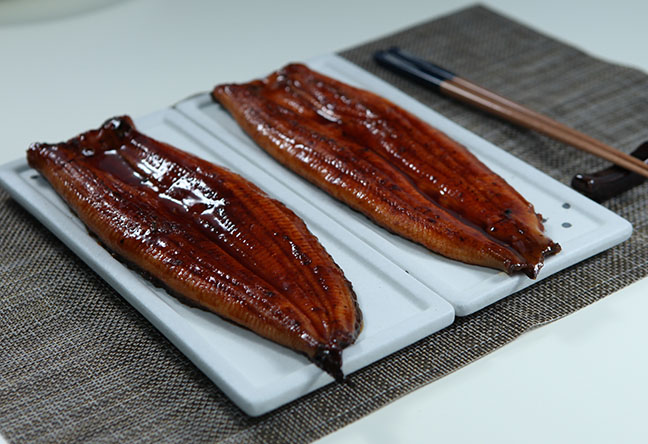
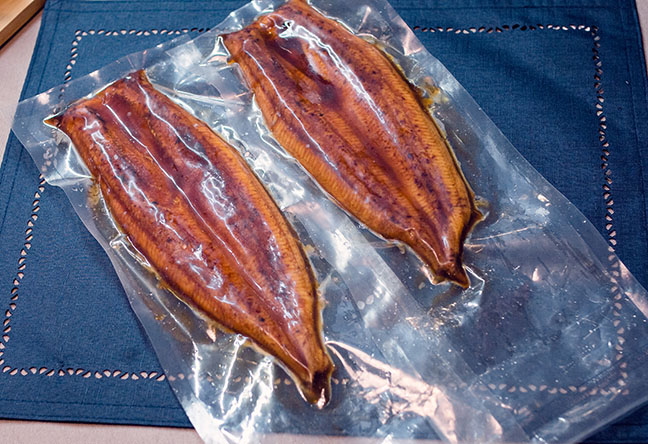
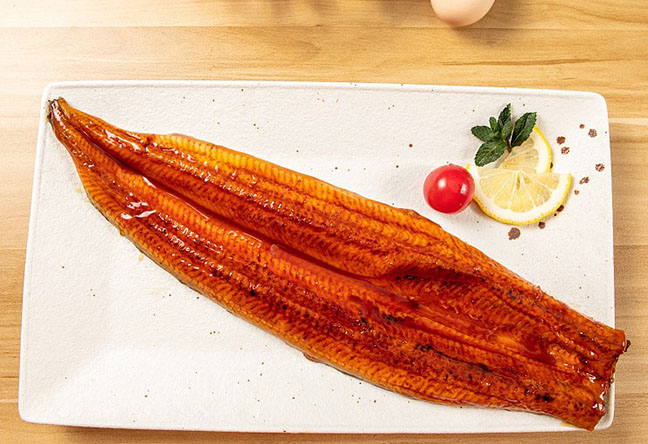
The processing itself adds another layer of quality. Our patented low-fat roasting and deodorizing technology addresses the common issue of excessive oiliness. This is followed by a precise, 4-layer soy sauce coating process, where each layer is applied at a controlled temperature to build a deep, complex flavor without becoming cloying. This meticulous process results in a consistent unagi kabayaki product that provides a reliable and delicious foundation for any sushi roll.
For a commercial kitchen, this means:
Choosing the right filling is about creating contrast and complement. The rich, sweet glaze of unagi needs a partner that can cut through the richness, add a fresh texture, or provide a creamy counterpoint. Using the wrong ingredient can lead to a roll that is too soft, too wet, or has muddled flavors. Here is a breakdown of the most common pairings for eel rolls sushi and how they function.
| Filling | Flavor Contribution | Texture Contribution | Why It Works | Best For |
|---|---|---|---|---|
| Cucumber | Clean, fresh, slightly sweet | Crisp, crunchy, high water content | The crunch and freshness provide a sharp textural and flavor contrast to the soft, rich eel, cleansing the palate with each bite. | Classic unakyu maki; rolls where a clean finish is desired. It's a fundamental pairing for a reason. |
| Avocado | Buttery, mild, creamy | Soft, creamy, smooth | It complements the eel's richness with a different kind of richness—creamy fat—that melts in the mouth, creating a luxurious, decadent experience. | Dragon rolls and other elaborate eel rolls sushi where a rich, smooth mouthfeel is the goal. |
| Daikon Sprouts (Kaiware) | Sharp, peppery, slightly bitter | Delicate, crisp, light | The peppery bite cuts directly through the sweetness of the eel sauce and the fat of the fish, adding a layer of complexity. | Simple hand rolls or maki where the sprout's sharp flavor can stand out without other competing ingredients. |
| Cream Cheese | Tangy, creamy, slightly salty | Thick, dense, very smooth | Its tangy profile provides a different kind of counterpoint to the sweet glaze, while its density adds substantial creaminess, popular in Western-style sushi. | American-style specialty rolls. Use sparingly to avoid masking the eel's delicate flavor. |
| Pickled Vegetables (e.g., Oshinko, Gari) | Acidic, salty, sharp | Crunchy, firm | The acidity is the most powerful tool against richness. It slices through the fat and sugar, brightening the entire roll and making it feel lighter. | Futomaki or any roll needing a strong acidic element to balance multiple rich ingredients. |
Creating perfect eel rolls sushi is as much about avoiding errors as it is about using the right ingredients. A few common missteps can compromise the final product, even when using high-quality eel. From my perspective managing quality control, consistency is key, and these mistakes often introduce unwelcome variables.
Here are some frequent issues and how to prevent them:
For importers, distributors, and large restaurant chains, sourcing the right frozen eel is a critical business decision. It impacts everything from food cost and kitchen efficiency to regulatory compliance and customer satisfaction. When evaluating a frozen eel supplier, a systematic approach is necessary.
This checklist covers the key areas I advise our clients in Japan, Germany, and the US to focus on.
Food Safety & Certification Checklist:
Product Specification & Capability Checklist:
By verifying these points, buyers can significantly reduce the risk of supply chain disruptions, quality issues, and import complications, ensuring a steady supply of excellent product for their menus.
Ultimately, the art of crafting the perfect eel rolls sushi is a partnership between a quality-conscious producer and a skilled chef. Starting with a reliably safe, flavorful, and well-textured unagi provides the ideal canvas for culinary creativity.
If you are an importer or foodservice distributor, contact our team to discuss your unagi kabayaki specifications and request a product sample.
 WhatsApp
 sales@chinaeels.com
 +8619937922411