





Understanding the Key Differences in an Unagi Hand Roll
For foodservice buyers and menu developers, the distinction between an unagi hand roll and a standard unagi maki roll is more than just shape. The choice impacts everything from kitchen workflow and ingredient costs to the customer's dining experience. Misunderstanding these formats can lead to preparation inefficiencies, inconsistent quality, and missed opportunities for menu differentiation. An unagi hand roll, or temaki, is designed for immediate consumption, while a cut maki roll is built for stability on a platter or in a takeout box.
This guide breaks down the essential structural, textural, and operational differences. As a quality assurance specialist with over a decade in seafood exports, I've seen how sourcing the right product specification is critical for success. We will cover the technical distinctions and then explore the sourcing criteria that ensure your frozen unagi performs perfectly in either application, helping you avoid common pitfalls in procurement and preparation.
Temaki vs. Maki: A Technical Comparison for Menu Planning
While both formats use rice, nori, and fillings, their construction dictates their function. For a restaurant operator, choosing between a hand roll and a cut roll format affects ingredient ratios, perceived value, and the speed of service. The wrong choice can lead to a soggy product if a hand roll sits too long, or a less exciting presentation if maki is used where a hand roll's immediacy is desired.
Here is a direct comparison of the key attributes that foodservice professionals must consider:
| Attribute | Unagi Hand Roll (Temaki) | Unagi Cut Roll (Maki) |
|---|---|---|
| Shape & Structure | Cone-shaped, open at the top. Loosely wrapped to be eaten by hand. Structure is informal and less dense. | Cylindrical, tightly rolled using a bamboo mat (makisu), then cut into 6-8 uniform pieces. Structure is compact and stable. |
| Nori (Seaweed) Texture | Crisp and dry. The nori is wrapped just before serving, so it retains its brittle texture and toasted flavor. This is a primary feature. | Softer and chewier. The moisture from the rice inevitably softens the nori as it sits, even for a few minutes. |
| Rice-to-Filling Ratio | Higher filling-to-rice ratio. The cone shape allows for more generous portions of unagi and other ingredients. | Higher rice-to-filling ratio. The structure requires a consistent layer of rice to encase a smaller, central filling. |
| Ideal Serving Time | Immediate (within 1-2 minutes). The quality degrades rapidly as the nori loses its crispness. Best for dine-in counter service. | Stable for a longer period. Suitable for platters, bento boxes, and takeout/delivery where it may not be eaten immediately. |
| Preparation Method | Hand-formed and rolled without a mat. Faster to make one at a time, but less suited for large-batch production. | Rolled with a bamboo mat for tightness and uniformity. Can be batched efficiently for busy service periods. |
| Foodservice Application | Sushi bars, izakayas, and interactive dining experiences. Works well as an à la carte special. | High-volume restaurants, catering, grocery sushi programs, and delivery operations. A menu staple. |
Sourcing Specifications for Frozen Unagi in Rolls
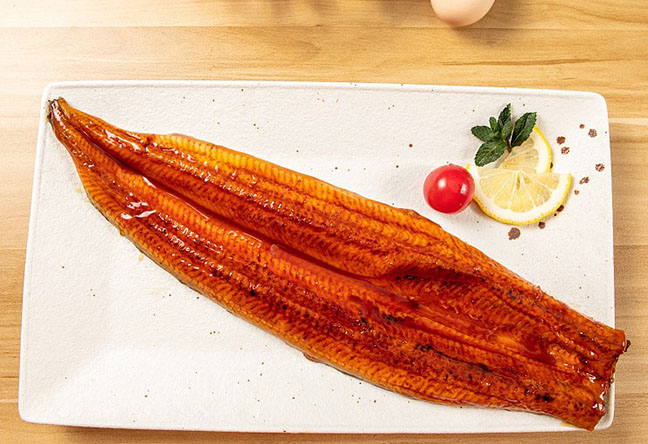
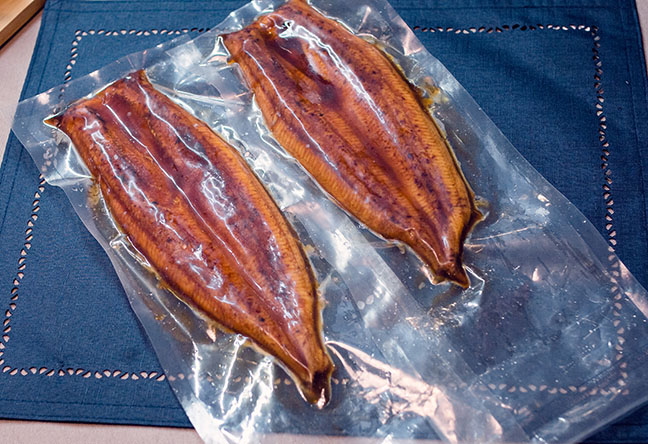
The quality of your final dish starts with the raw materials. For both hand rolls and maki, the unagi kabayaki must have the right flavor, texture, and cut. Sourcing from a certified supplier like Eelpro, an experienced unagi kabayaki manufacturer, ensures access to consistent, food-safe products tailored for professional kitchens.
Our patented low-fat roasting process and 4-layer soy sauce coating create a rich flavor without excessive oiliness, which is critical for preventing the nori from becoming soggy too quickly. Furthermore, our ability to provide custom cuts—from precise strips for maki to larger chunks for temaki—reduces back-of-house labor and food waste for our clients in Japan, the United States, and the European Union.
Key Sourcing Checklist for Unagi Importers
When evaluating a supplier, importers and large-scale buyers should verify several key operational capabilities. These factors directly impact product safety, consistency, and your ability to meet market demands.
- Certifications and Compliance: Does the facility hold internationally recognized certifications? We operate under ISO 22000:2018, HACCP, and HALAL certifications. Our products are produced to meet stringent Japanese, US, and EU standards for veterinary drug residues and microbiological indicators, mitigating import risks for our partners.
- Traceability and Farm Management: Can the supplier trace the product from farm to shipment? Eelpro manages a network of approximately 20 customs-registered eel farms across 2,150 mu. This provides full-chain traceability, a non-negotiable requirement for many international markets.
- Production Capacity and Logistics: Can the supplier handle your volume and maintain quality? With an annual capacity of 4,000 tons and a 1,000-ton cold storage facility, we ensure a stable supply chain and consistent product quality from our facility to yours.
- Quality Control Infrastructure: What systems are in place to ensure safety? Our 25-person quality control team, in-house professional eel lab, and metal detectors at critical control points demonstrate a deep commitment to food safety.
- Sauce Quality and Consistency: The glaze is as important as the eel itself. A high-quality eel sauce (unagi tare) should have the right viscosity to cling to the eel without making the roll wet. Our proprietary four-layer roasting process ensures the sauce is perfectly caramelized.
Common Mistakes to Avoid When Preparing Eel Rolls
Even with high-quality ingredients, operational errors can compromise the final product. For our clients, we often provide guidance on handling and preparation to maximize the potential of our frozen unagi. Here are some common mistakes foodservice operators should avoid.
Mistake 1: Using the Wrong Temperature Unagi
Placing hot eel directly onto rice and nori is the fastest way to create a soggy mess, especially for a hand roll. The steam will instantly soften the seaweed and can make the rice gummy.
- The Fix: Gently warm the kabayaki eel to a lukewarm temperature (body temperature is a good guide). It should be pleasant to eat but not steaming hot. This preserves the texture of all components. Our ready-to-heat products are designed for controlled reheating.
Mistake 2: Over-Saucing the Roll
While unagi sauce is delicious, too much of it can overpower the eel's delicate flavor and contribute to sogginess. This is particularly problematic in maki, where the sauce can seep into the rice over time.
- The Fix: Use the sauce as a finishing glaze, not a soaking marinade. The unagi kabayaki we produce is already coated in four layers of sauce during the roasting process. A light drizzle just before serving is often all that is needed.
Mistake 3: Storing Pre-Made Hand Rolls
This is the cardinal sin of temaki. A hand roll's appeal lies in the contrast between the warm, soft filling and the crisp, cool nori. This texture is fleeting.
- The Fix: Prepare unagi hand rolls to order and serve them immediately. Instruct servers to tell customers to eat them right away. Unlike maki, they cannot be made in advance for a service rush.
Mistake 4: Using Low-Quality Nori
For hand rolls, the nori is not just a wrapper; it's a key textural element. Using thin, cheap, or stale nori will result in a roll that tears easily and lacks the signature crispness.
- The Fix: Invest in high-quality, thick, toasted nori sheets specifically graded for sushi. Store them in an airtight container with a desiccant pack to protect them from humidity.
By understanding the fundamental differences between these two popular formats and sourcing high-quality, correctly specified ingredients, foodservice businesses in Australia, Indonesia, and across Southeast Asia can deliver exceptional unagi dishes. Our long-term supply relationships with restaurant chains in Japan and importers in Germany and Poland are built on this foundation of consistent quality and reliable supply.
For detailed product specifications or to discuss how our custom cutting and packaging options can fit your menu, please contact our export team.


 WhatsApp
 sales@chinaeels.com
 +8619937922411