





Why Is It Called Eel Sauce Even Though the Bottle Rarely Touches Real Eel
Order unagi at a sushi counter and the server says "eel sauce" before the menu even lands on your table. Diners nod along and never question it. Almost nobody stops to ask why is it called eel sauce when the ingredient label rarely lists eel at all. The answer sits in a translation gap between Japanese kitchen vocabulary and American sushi-counter English — and once you see the gap, you'll read every sushi menu differently.
This matters beyond trivia. Restaurant buyers, importers, and home cooks all mislabel or misuse this sauce constantly, which leads to wrong orders, wasted product, and confused customers. Below is the actual translation chain, the real ingredient list, and a buyer's checklist for sourcing it correctly.
The Translation Chain: From Unagi no Tare to "Eel Sauce"
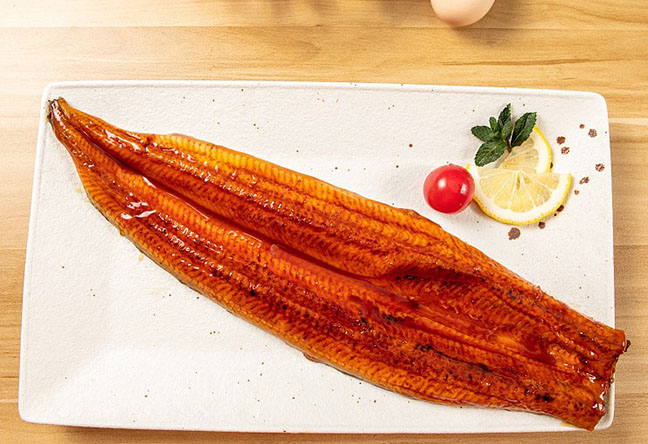
In Japanese, unagi means eel and tare means a thick, reduced sauce used for glazing grilled foods. Unagi no tare literally means "the sauce for eel." It's a category name, not an ingredient statement — the same way "steak sauce" doesn't mean the sauce contains beef.
When Japanese restaurants expanded into the US in the mid-20th century, menu translators needed a short, recognizable English term. "Sauce for grilling eel" became simply eel sauce. The shortened English name stuck because it was fast to say and instantly told diners which dish it belonged with. That's the core reason why is it called eel sauce — the name describes the sauce's traditional pairing, not its recipe.
| Aspect | Traditional Meaning (Japanese) | English Menu Term |
|---|---|---|
| What it names | Sauce brushed onto grilled eel during roasting | "Eel sauce" — shorthand for the pairing, not the contents |
| Ingredient reference | None — tare refers to technique, not composition | None — same gap carries into English |
| Common composition | Soy sauce, mirin, sugar, sometimes eel bones/trimmings for depth | Soy sauce, sugar, mirin or rice wine reduction |
| Typical use case | Basted in layers onto eel during unagi kabayaki roasting | Drizzled over sushi rolls, rice bowls, or grilled proteins at the table |
The mismatch causes real confusion at the point of sale. A diner allergic to fish sees "eel sauce" and assumes eel protein is inside. A vegetarian customer sees the same label and avoids it unnecessarily. Neither assumption is reliably correct — the sauce is defined by its use, not its ingredient list, and menu staff should say so when asked.
What's Actually Inside Eel Sauce (and What Isn't)
Standard eel sauce — the bottled kind found on sushi counters — is built from four base ingredients, reduced slowly until it thickens into a glaze.
- Soy sauce — the salt and umami backbone. Learn more about umami, the savory taste soy sauce contributes.
- Mirin or rice wine — adds sweetness and a light alcohol-cooked aroma
- Sugar — builds the glossy, sticky texture diners expect
- Water or dashi — used to control thickness during reduction
Traditional Japanese kabayaki tare made in-house at eel-roasting facilities often includes eel bones or trimmings simmered into the reduction — this is where any actual eel content shows up, and it's optional even there. Commercial bottled "eel sauce" sold for retail almost never contains eel at all. If a supplier's ingredient panel lists fish extract or eel-derived flavoring, that's a specific manufacturing choice, not an industry standard.
Common Mistake: Assuming All Eel Sauce Is the Same Recipe
Buyers sourcing for foodservice sometimes assume "eel sauce" is a fixed formula across suppliers. It isn't. Sweetness ratios, viscosity, and soy intensity vary by producer. A sauce built for glazing during roasting — thicker, more concentrated — behaves differently from a thinner table-drizzle version. Ordering without checking the intended use leads to product that scorches on the grill or runs off rice bowls instead of coating them.
Kabayaki Sauce vs. Table Eel Sauce — Know the Difference Before You Order
These two products share a name but serve different jobs in a kitchen. Confusing them is one of the most frequent sourcing errors we see from new importers.
| Use Case | Kabayaki Roasting Sauce | Table/Retail Eel Sauce |
|---|---|---|
| Purpose | Basted in multiple layers onto eel during grilling, caramelizes under heat | Drizzled cold or warm over finished dishes |
| Viscosity | Thicker, built to cling through repeated basting passes | Thinner, pourable straight from the bottle |
| Heat tolerance | Formulated to caramelize without burning at roasting temperatures | Not designed for direct heat exposure |
| Typical buyer | Eel processors, roasting facilities, foodservice kitchens plating from scratch | Sushi restaurants, retail packers, home cooks |
At our facility, this distinction is built into the roasting process itself. Our export line applies four precise layers of soy-sauce coating with temperature-controlled steps, following internally established color standards from "white-roasted" through the fourth coating layer. That layered approach is what separates a properly glazed eel sauce finish from a sauce that's simply poured on at the end. For background on how that layering affects flavor, see why our kabayaki sauce works the way it does.
Buying Eel Sauce or Kabayaki Product for Foodservice — A Practical Checklist
For importers and restaurant buyers sourcing frozen unagi kabayaki or bottled sauce, a few checks up front save weeks of back-and-forth later.
- Confirm the intended use — roasting glaze vs. finishing drizzle changes viscosity requirements
- Check certifications — look for ISO 22000, HACCP, and export food producer registration on the supplier's documentation, not just a verbal claim
- Ask about traceability — a supplier working with customs-registered farming bases can trace a batch back to its farm of origin
- Verify cold-chain capacity — cold storage volume matters more than it sounds; undersized storage means inconsistent texture on arrival
- Request residue test data — veterinary drug residue and microbiological testing results should match the destination market's standards (Japan, US, and EU thresholds differ)
Eelpro's production runs across two lines rated for a combined 4,000 tons of finished product annually, backed by roughly 20 customs-registered farming bases covering over 2,150 mu of production area. Full traceability runs from farm registration through process verification, targeted sampling, and shipment. A 1,000-ton cold storage facility keeps texture and glaze consistency stable through the cold chain — a detail that matters more than most buyers expect until a shipment arrives soft or discolored.
Where This Sourcing Model Gets Used
Japanese restaurant chains have sourced kabayaki eel on a long-term supply basis for years; US food importers bring in both unagi kabayaki and eel sauce for retail and foodservice; and buyers across Germany, Poland, and the wider EU source products meeting EU veterinary drug residue standards. Similar supply relationships run through Australia's Asian foodservice channels, Indonesian importers, and catering chains across Southeast Asia. The common thread across all of them: buyers who ask about traceability and certification up front avoid the compliance headaches that hit shipments later.
A Quick Cold-Knowledge Note for Diners and Cooks
Here's the detail that surprises most people: the name "eel sauce" only became common on Western menus. In Japan, nobody orders "eel sauce" — it's always called by its role, tare, or specifically unagi no tare when discussing eel dishes. So if you're ever ordering in Japan and ask for "eel sauce" by that exact phrase, don't expect instant recognition — ask for tare instead. For home cooks wanting to build the right texture from scratch, our eel sauce recipe and storage guide walks through reduction timing step by step, and the kabayaki sauce recipe fixes for common flavor mistakes covers what to do when a batch turns out too thin or too salty.

Quality control on our side runs through an in-house laboratory and metal detectors at critical control points, staffed by 25 dedicated quality-control personnel among 160+ total employees. That's the difference between a sauce that's "close enough" and one that holds its glaze, color, and food-safety profile consistently across a full production run.
This article was reviewed by Nancy Chen, Senior Food Safety & Quality Specialist with over 12 years in seafood export quality assurance and an ISO 22000/HACCP certified auditor.
If you're comparing eel sauce or frozen kabayaki suppliers for an import order, request a spec sheet and sample batch before committing to volume — it's the fastest way to confirm viscosity, glaze color, and residue test results match what your kitchen or retail line actually needs.
 WhatsApp
 sales@chinaeels.com
 +8619937922411