





Why Is It Called Eel Sauce When It Contains No Eel?
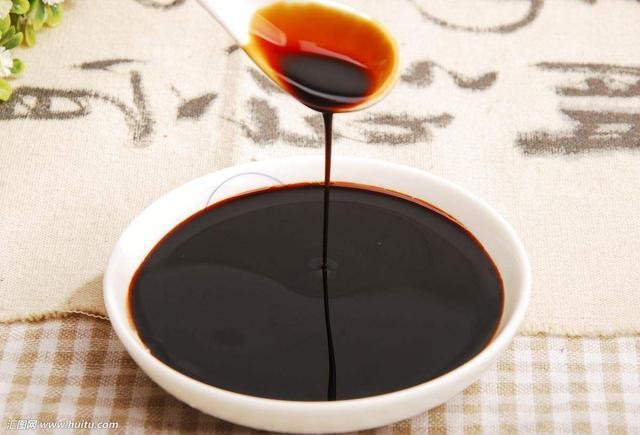
The name is a source of constant confusion for diners and even some buyers. So, why is it called eel sauce? The simple answer is that it was developed to be the perfect culinary partner for grilled freshwater eel (unagi), not because it contains any eel itself. This rich, sweet, and savory glaze is designed to complement the flavor of the fish, caramelizing beautifully during the grilling process and creating the signature taste of dishes like Unagi Kabayaki.
As a food safety and quality specialist, I’ve seen firsthand how a misunderstanding of sauce terminology can impact sourcing decisions for importers and restaurant chains. A consistent, high-quality sauce is as important as the eel itself. At Eelpro, our entire process—from the quality of our soy sauce base to our patented 4-layer coating technique—is built to deliver the authentic flavor profile that international markets in Japan, the United States, and the European Union expect. Understanding the sauce is the first step to sourcing a product that performs reliably on your menus.

Decoding the Menu: Eel Sauce vs. Unagi Sauce, Tare, Nitsume, and Kabayaki Sauce
When sourcing for different markets, you will encounter various names for what appears to be the same product. While sometimes used interchangeably, these terms have distinct meanings that can signal differences in preparation, thickness, and intended use. Using the wrong term can lead to sourcing a product that doesn't meet your chef's or customer's expectations.
Here’s a clear breakdown to help you specify exactly what you need.
| Sauce Name | Primary Meaning & Context | Common Ingredients | When to Use This Term |
|---|---|---|---|
| Eel Sauce | A Westernized, generic term. Widely used in North American sushi restaurants. It almost never contains eel. The name refers to its pairing with eel dishes. | Soy sauce, mirin, sugar, and sometimes sake. Often thickened with cornstarch in Western recipes. | Use when discussing products for the general U.S. or Western foodservice market where this name is most recognized by consumers. |
| Unagi Sauce | Slightly more specific than "eel sauce," this directly translates to "eel sauce" and is understood globally. It strongly implies the sauce is for unagi (freshwater eel). | Essentially the same as eel sauce: soy sauce, mirin, sugar, sake. Commercial versions are highly standardized. | A safe and accurate term for B2B communication with suppliers, especially when sourcing for unagi kabayaki products. |
| Tare (タレ) | A general Japanese term for any thick, sweet soy-based dipping or glazing sauce. Yakitori, for example, is grilled with yakitori tare. "Unagi no Tare" is the specific name. | The base is soy sauce, mirin, and sugar. The specific recipe varies greatly depending on its purpose. | Use this when you need to be precise in a Japanese culinary context. If you say just "tare," you need to specify which kind (e.g., for unagi, for yakitori). |
| Kabayaki Sauce | This is the most precise name for the sauce used specifically for grilling eel in the kabayaki style. It refers to the specific tare recipe for this cooking method. | High-quality soy sauce, mirin, sake, and sugar. Authentic versions are simmered and reduced for a deep flavor. | This is the ideal term when sourcing for authentic Japanese restaurant chains or high-end retail. It signals a need for a specific flavor profile used in our unagi kabayaki eel production. |
| Nitsume (煮詰め) | Translates to "boiled down" or "reduced." This term describes a cooking process and often refers to a thicker, more concentrated sauce, traditionally made by reducing a broth that may have included eel bones. | Can be similar to tare but is defined by its thick, syrupy consistency achieved through reduction, not just added thickeners. | Use when you require a very thick, rich finishing glaze. Be aware that some traditional nitsume may contain fish essence, so clarifying ingredients is critical for import compliance. |
The Commercial Impact of Sauce Consistency for Food Importers
For restaurant chains in Japan or foodservice distributors in Germany, product consistency is non-negotiable. A customer expects their unagi donburi to taste the same in July as it did in January. This reliability hinges on the supplier's process control for both the eel and the sauce. The sauce's viscosity, sweetness (Brix), and saltiness must be identical in every batch.
At Eelpro, we built our facility to guarantee this level of consistency. Our 4,000-ton annual capacity is managed across two modern production lines where sauce application is a critical, controlled process. We use a proprietary 4-layer soy-sauce coating technique, with each layer applied at a specific temperature to ensure perfect caramelization without bitterness. This is supported by our patented low-fat roasting and deodorizing technology, which prepares the eel to absorb the sauce perfectly.
Sourcing an inconsistent sauce or eel product can directly impact your business. To help buyers avoid common pitfalls, here are frequent mistakes we see in the sourcing process.
Common Sourcing Mistakes for Eel Sauce and Kabayaki
- Mistake 1: Focusing Only on Price Per Kilo. A cheaper sauce might use lower-grade soy sauce or use cornstarch for thickening instead of proper reduction. This results in a sauce that breaks down under heat, has a starchy aftertaste, and lacks the authentic umami depth. This is a key reason to ask about the base ingredients and production method.
- Mistake 2: Not Verifying Traceability. The sauce is applied to the eel, so the safety of the final product is linked. A supplier must demonstrate full-chain traceability. We manage this through our ~20 customs-registered eel farms, ensuring every eel entering our facility meets export standards for veterinary drug residues and microbiological indicators before it ever reaches the roasting line.
- Mistake 3: Overlooking Certifications. International markets have strict rules. A supplier without ISO 22000:2018, HACCP, and HALAL certifications introduces significant risk. These systems are not just paperwork; they are frameworks that dictate daily operations, from raw material receiving to final packaging in our 1,000-ton cold storage facility. We regularly guide clients in the US and EU through their specific import compliance requirements.
- Mistake 4: Ignoring Packaging and Logistics. How is the sauce packaged? Bulk totes? Retail bottles? Does the packaging protect against temperature fluctuations during shipping? A failure in packaging can compromise the entire shipment. Our logistics are designed to maintain the cold chain from our facility to yours.
How Full-Chain Control Guarantees a Safe, Compliant Product
As the head of Quality Assurance, my primary role is to eliminate risk for our clients. This begins long before the eel enters our 8,497 m² production workshop. It starts at the farm.
Our vertical integration model provides complete control. With over 160 employees, including 25 dedicated technical and quality-control specialists, we oversee every step:
- Farming & Sourcing: Our 19 self-operated and cooperative farming bases supply over 5,000 tons of raw eel annually. Each is certified and registered with customs, operating under strict protocols for feed and water quality.
- In-House Laboratory Testing: Before processing, raw materials are tested in our professional eel lab for veterinary drug residues and other contaminants. This proactive testing ensures we meet the stringent standards of Japan, the US, and the EU.
- Controlled Processing: At critical control points, we use metal detectors and enforce strict HACCP protocols. Our roasting and saucing process is standardized to ensure every piece of frozen unagi kabayaki has the same flavor, color, and texture. Our patented technologies are key to this consistency.
- Traceability & Documentation: Every batch is traceable from the farm to the final shipment. This documentation is crucial for smooth customs clearance and provides our clients—from restaurant chains in Indonesia to importers in Poland—with complete confidence in the product's safety and origin.
This comprehensive system is why we hold an Export Food Producer Registration Certificate and are recognized as a Provincial-Level Leading Enterprise in Agricultural Industrialization. We apply the same export-grade quality standards to all our products, including our versatile eel sauce, ensuring it serves as a reliable, safe, and delicious component for any menu.
Whether you are creating a classic eel rice bowl, an innovative eel sushi roll, or exploring other frozen seafood applications, the quality of your sauce is fundamental. It's not just a condiment; it's a core component of the final dish's identity.
For consistent, export-ready unagi kabayaki and eel sauce that meets international food safety standards, contact our team to request a product specification sheet and a current quote.
 WhatsApp
 sales@chinaeels.com
 +8619937922411