


Your Unagi Glaze Is Not Teriyaki Sauce and Here Is Why
As a quality specialist managing food safety for seafood exports, I frequently see importers and chefs use "unagi sauce" and "teriyaki sauce" interchangeably. This common confusion can lead to significant issues with flavor authenticity, kitchen performance, and ultimately, customer satisfaction. While both are savory-sweet Japanese sauces, a true unagi glaze is a specialized product, formulated specifically to complement the rich, fatty profile of grilled eel. Using a generic teriyaki sauce in its place is a mistake that can compromise the integrity of a traditional dish.
The difference is not just semantic; it impacts everything from how the sauce caramelizes under heat to its final taste on the palate. At Eelpro, our entire production process for unagi kabayaki is built around a sauce with a precise viscosity and flavor profile. A general-purpose teriyaki simply cannot replicate the authentic experience. Understanding these distinctions is critical for any business sourcing Japanese food products for demanding markets like Japan, the US, or the European Union.
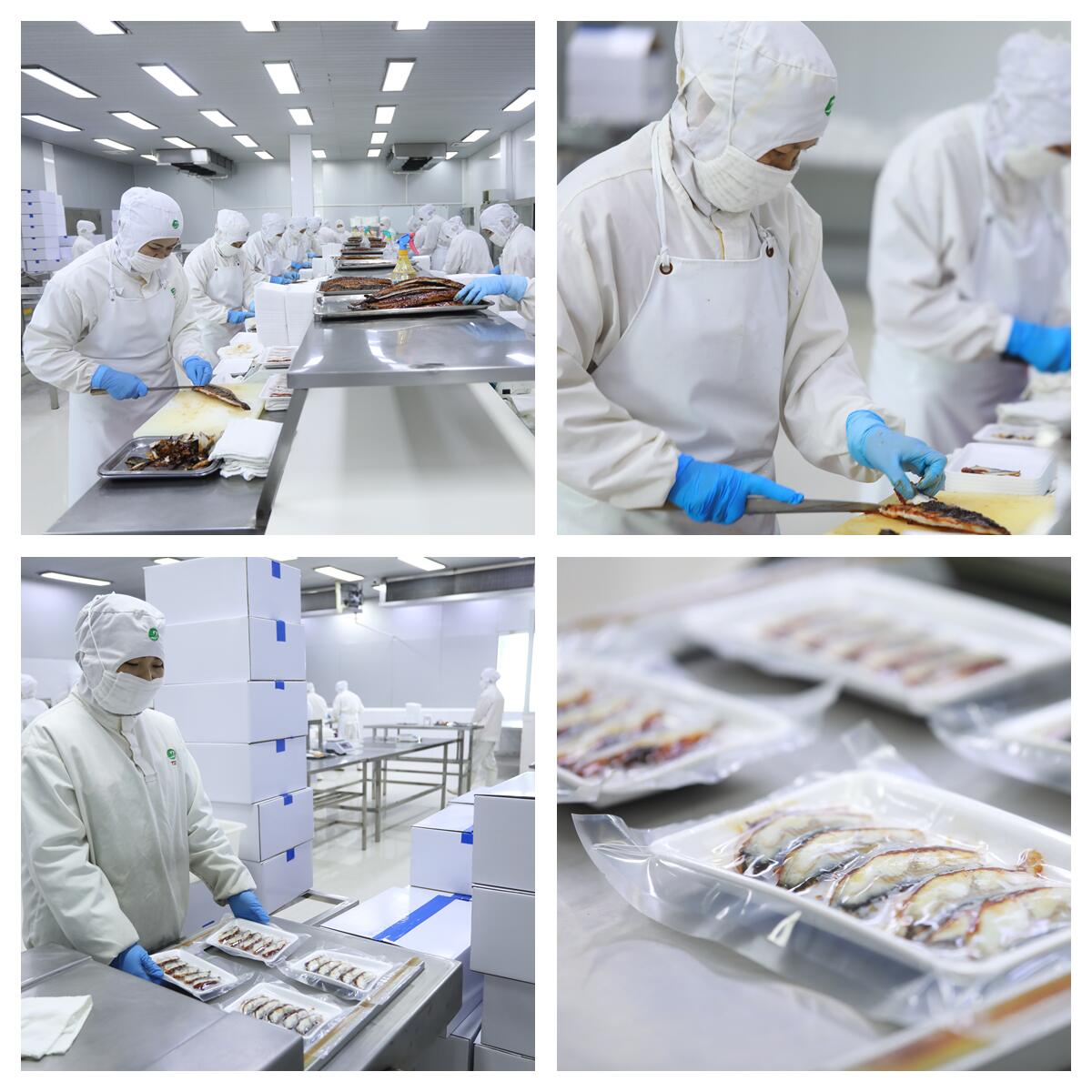
Unagi Glaze vs. Teriyaki Sauce: A Technical Comparison
Sourcing the correct sauce requires looking beyond the label and understanding the functional differences in formulation. A sauce designed for marinating chicken will not perform the same as one crafted for glazing delicate eel. Below is a direct comparison of the key attributes that define these two sauces and how they affect the final culinary result.
| Attribute | Unagi Glaze (Kabayaki Tare) | Teriyaki Sauce |
|---|---|---|
| Core Ingredients | Soy sauce, mirin (sweet rice wine), sake, and often a broth (dashi) made from simmering eel bones or heads. This eel extract is the defining feature. | Soy sauce, mirin, sake, and a sweetener like sugar or honey. It rarely contains any meat or fish-based broth. |
| Flavor Profile | Noticeably sweeter and richer with a deep umami complexity from the eel extract. The flavor is intense and specifically designed to cut through the richness of grilled eel. | More of a balanced sweet and savory flavor. It's a versatile flavor enhancer rather than a specialized finishing sauce. Ginger and garlic are common additions. |
| Viscosity & Texture | Thicker, with a consistency similar to syrup or molasses. It is engineered to cling to the surface of the eel during grilling and serving, creating a visible, sticky glaze. | Thinner and more liquid. Its lower viscosity makes it ideal for use as a marinade, as it can penetrate meat more easily. It can be thickened with cornstarch for glazing, but this is a separate step. |
| Primary Application | Used almost exclusively as a finishing glaze for grilled eel (unagi and anago). It is brushed on in layers during the final stages of cooking to build a lacquered crust. | An all-purpose sauce used for marinating, basting, and glazing a wide variety of proteins, including chicken, beef, salmon, and tofu. |
| Cooking Performance | The higher sugar content and thickness allow for rapid, beautiful caramelization under a broiler or grill. It creates the characteristic "kabayaki" char without burning too quickly. | When used as a glaze, its thinner consistency can cause it to run off the food. If not thickened, it may burn before it properly glazes due to direct exposure of its sugar content to high heat. |
Key Sourcing Criteria for High-Quality Eel Sauce
For foodservice chains, importers, and distributors, selecting a supplier for eel sauce goes beyond a simple taste test. The right partner ensures consistency, safety, and stable supply. Over my 12 years in quality assurance, I've helped dozens of clients in Germany, Poland, and Australia navigate import requirements, and these are the non-negotiable checks we always perform.
Use this checklist to evaluate potential suppliers and avoid common sourcing pitfalls.
-
Certification & Compliance: Does the supplier hold internationally recognized food safety certifications?
Why it matters: Certifications like ISO 22000:2018 and HACCP are not just paperwork. They represent a systematic commitment to food safety, from raw material intake to final packaging. For certain markets, HALAL certification is also essential. These credentials ensure the product meets regulatory standards in the EU and US, helping you avoid costly import rejections related to veterinary drug residues or microbiological issues. Our facility holds all three, plus an Export Food Producer Registration Certificate. -
Traceability of Ingredients: Can the supplier trace the core ingredients, especially the eel components, back to the source?
Why it matters: Authentic unagi glaze uses eel extract. Full-chain traceability, from farm to factory, is the only way to guarantee quality and safety. We control this by sourcing from our ~20 customs-registered eel farming bases, ensuring a consistent, high-quality raw material supply for our sauces and unagi kabayaki eel. -
Production Capacity & Consistency: What is the supplier's annual production capacity and how do they ensure batch-to-batch consistency?
Why it matters: A reliable supply chain depends on a manufacturer's ability to fulfill large orders without variation in quality. With an annual capacity of 4,000 tons and two modern production lines, we can handle large-scale contracts for restaurant chains and wholesale clients. Our in-house laboratory and 25 quality-control specialists monitor every batch to maintain consistent flavor, color, and viscosity. -
Technical Specifications Provided: Does the supplier provide a detailed spec sheet including viscosity, Brix (sugar content), and ingredient declarations?
Why it matters: These technical details directly impact how the sauce performs in a professional kitchen. A sauce with the wrong viscosity won't adhere properly, and incorrect sugar levels will affect caramelization. We provide full specifications to help our clients' culinary teams standardize their recipes and processes.
How Manufacturing Defines the Final Glaze
The difference between an average sauce and a premium unagi glaze often lies in the manufacturing process. It’s not just about the recipe, but the technology and methodology used to create it. A generic process yields a generic product. A specialized process, however, creates a sauce with distinct characteristics that enhance the final dish.
At Eelpro, our sauce is an integral part of our patented roasted eel production. The same care we put into our eel goes into the glaze it's paired with. Here is how our process creates a superior product:
1. Foundation in Authentic Broth: The process begins by creating a rich, flavorful base. Unlike many mass-market sauces that rely on artificial flavorings, our tare is built on a traditional foundation of soy sauce, mirin, and sake, enriched with a dashi made from high-quality eel parts. This step is essential for creating the deep, authentic umami that defines a true eel sauce product.
2. Temperature-Controlled Reduction: The sauce is slowly simmered and reduced under precise temperature controls. This is not a rapid boil. A slow reduction concentrates the flavors without scorching the sugars, preventing the bitter aftertaste found in improperly cooked sauces. This develops the signature thick, syrupy consistency required for a perfect glaze.
3. Application-Specific Formulation: Our glaze is specifically formulated for our 4-layer kabayaki roasting process.
- Layer 1 & 2: A slightly thinner base sauce is applied to penetrate the eel meat after the initial "white-roasting" stage.
- Layer 3 & 4: A thicker, final glaze is applied and flame-grilled to create a perfect, caramelized exterior. This requires a sauce that can withstand high heat and adhere without dripping.
4. In-House Quality Control: Throughout the process, our team of 25 QC specialists, supported by our professional in-house laboratory, tests for consistency in viscosity, salinity, and sweetness. This ensures that every batch delivered to our clients in Japan, the United States, or Indonesia performs identically, protecting their brand's reputation for quality.
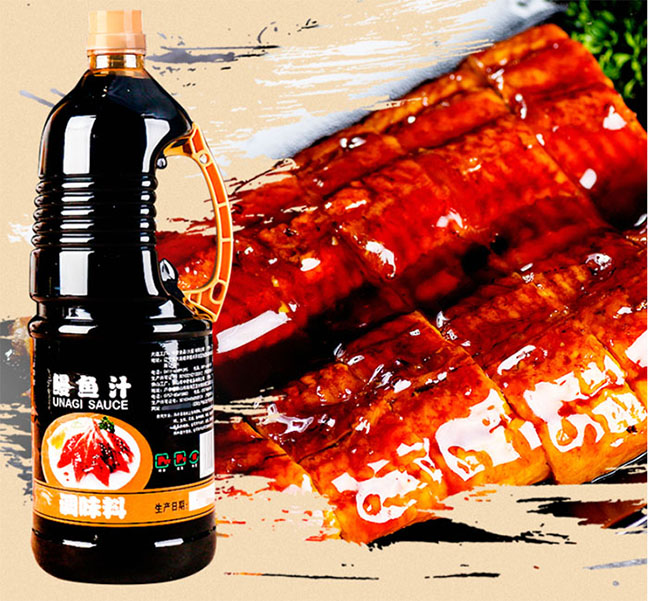
Choosing the right sauce is a critical decision for any business serious about serving authentic Japanese cuisine. While teriyaki sauce has its place, it cannot substitute for a well-made unagi glaze when preparing grilled eel. The specialized ingredients, thicker viscosity, and richer flavor of an authentic eel sauce are essential for creating the classic kabayaki experience.
By partnering with a manufacturer that controls the entire supply chain—from certified eel farms to advanced, ISO 22000-compliant production facilities—you ensure a final product that is not only delicious but also safe, consistent, and ready for the world's most demanding markets.
For detailed specifications on our unagi glaze or to request a sample for your menu evaluation, please contact our export team.