

Unagi Kabayaki and Unagi Serve Different Buyer Needs
Unagi is a broad term for freshwater eel and eel products, while unagi kabayaki refers to eel prepared in a specific grilled and glazed style. For buyers, the distinction affects processing requirements, packaging, labor, and intended foodservice use.
What Is the Difference Between Unagi and Unagi Kabayaki?
Unagi is the Japanese term commonly used for freshwater eel. Depending on the sales context, it may refer to the species, whole fish, raw fillets, frozen eel, or a cooked eel item. Buyers should therefore treat “unagi” as a broad product description rather than a complete purchasing specification.
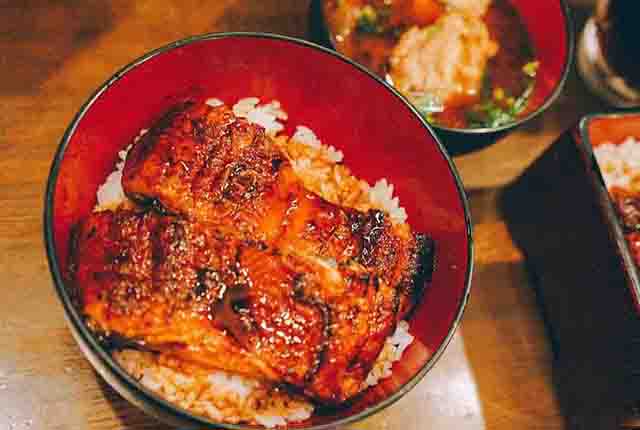
Unagi kabayaki is a prepared freshwater eel product. The eel is typically cleaned, filleted, grilled, and coated with a sweet savory sauce. The result is often sold frozen for restaurants, distributors, retailers, and food manufacturers. It is also known as kabayaki eel, prepared unagi, or glazed eel.
The distinction matters at the quotation stage. If an importer asks for “unagi” without further details, a supplier may not know whether the buyer wants whole freshwater eels, raw fillets, cooked portions, or fully glazed pieces. Clear terminology helps reduce specification errors.
For a ready-to-serve menu item, ask specifically for frozen unagi kabayaki. For a raw material program, describe the required freshwater eel form, processing level, packing format, and intended use.
The Key Differentiator Is Product Definition
Angle: product definition.
Intent: definition.
The main difference is not simply the fish itself. It is the stage of processing and the amount of work that remains for the buyer. This table provides a practical starting point for purchasing teams.
| Buyer question | Unagi as a broad term | Unagi kabayaki |
|---|---|---|
| What does the name describe? | Freshwater eel or an eel product in general | A prepared eel product made in the kabayaki style |
| Is the eel ready to serve? | Not necessarily | Usually prepared for reheating and serving |
| Has it been filleted? | The form must be confirmed | Usually supplied as cleaned and filleted pieces |
| Has it been grilled? | The cooking stage must be confirmed | Grilling is part of the traditional preparation style |
| Does it include sauce? | Not automatically | Often finished with a sweet savory glaze or paired with eel sauce |
| Who performs the final preparation? | The buyer, kitchen, or processor may do more work | The restaurant or consumer generally reheats and plates it |
In export product descriptions, the phrase “cooked eel” is still not specific enough. Buyers should state whether the product is sauced or unsauced, portioned or whole fillet, frozen or chilled, and intended for retail or foodservice. These details make the purchasing discussion clearer.
How Is Unagi Kabayaki Processed?
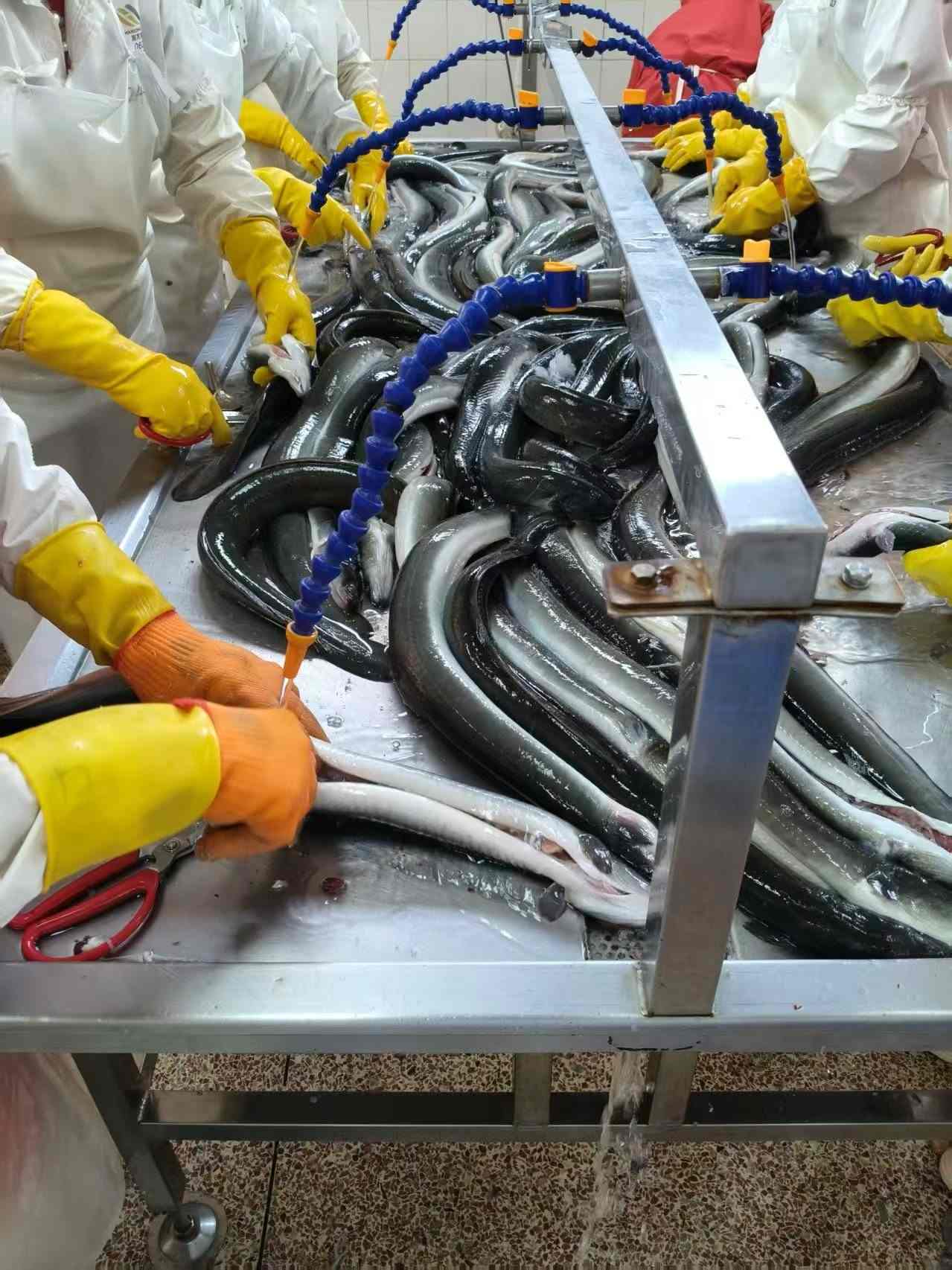
Processing begins with freshwater eel. The fish is cleaned and opened into fillets. In the kabayaki style, the fillets are then grilled and coated with sauce. This creates the brown surface, tender texture, and sweet savory flavor commonly associated with prepared unagi.
1. Cleaning and filleting
Raw eel requires skilled handling because the buyer is not receiving a finished menu item. The supplier may provide whole fish, cleaned fish, or fillets, so the product description must identify the exact form. For unagi kabayaki, filleting is normally part of the preparation before grilling.
2. Grilling
Grilling gives kabayaki eel its roasted aroma and firmer outer surface. It also changes the product from a raw ingredient into a prepared food item. Buyers should ask whether the quoted item has already been grilled or only cleaned and cut.
3. Glazing
The sauce is a defining visual and flavor feature. A glossy coat creates the appearance many diners expect from glazed eel. Eel sauce is also called unagi tare in many menus and product documents. Eelpro supplies eel sauce products for buyers who need a separate sauce option or want to manage final application in the kitchen.
4. Freezing and packing
Frozen prepared unagi is designed to support storage, shipment, and quick service. Yet “frozen” does not fully describe the pack. Ask the supplier to confirm the piece format, sauce presentation, inner packaging, outer carton, net weight, storage requirement, and case configuration.
Do not assume that every unagi kabayaki item is packed in the same way. One buyer may need individual portions for restaurant service, while another may need larger fillets for cutting into sushi rolls, rice bowls, or meal kits. The packing format should match the menu and production line.
How Preparation Changes the Foodservice Application
Unprocessed or lightly processed unagi gives the kitchen more control, but it also creates more labor. Staff may need to clean, trim, fillet, cook, sauce, and portion the eel. That may suit a specialist restaurant with trained cooks.
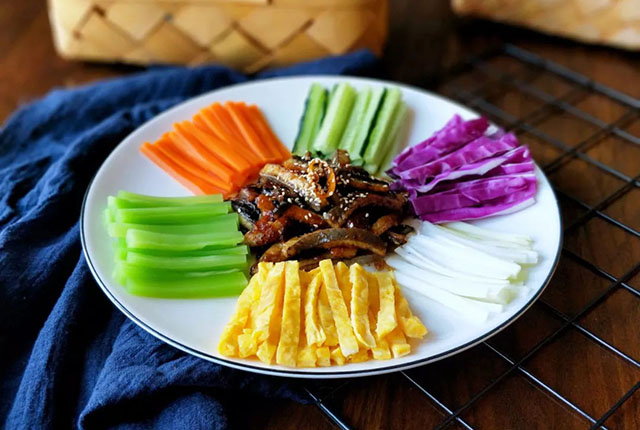
Unagi kabayaki reduces those kitchen steps. A restaurant can reheat the prepared fillet, add rice and garnish, and serve a recognizable dish. This can support donburi, sushi, bento, noodle dishes, and other menu formats. The final process should always follow the supplier’s handling instructions and the buyer’s food-safety procedures.
- Restaurants: choose prepared unagi when speed and consistent plating are priorities.
- Sushi businesses: confirm whether the fillet size suits rolls, nigiri-style service, or topping use.
- Meal-kit companies: check sauce placement, portion format, and consumer reheating instructions.
- Distributors: request clear product naming so customers do not confuse raw freshwater eel with finished kabayaki eel.
- Retail buyers: review the label, storage statement, ingredients, and serving directions before listing the product.
For menu development, our eel recipe ideas can help buyers consider how prepared eel fits into bowls, soups, and other dishes. The same product can serve several channels when its portion and packaging are clearly defined.
What Should Buyers Check in Unagi Kabayaki?
Start with the product name, then move to the physical specification. A strong purchasing request leaves little room for guesswork.
- Product form: Ask whether the item is whole, cleaned, filleted, portioned, sliced, or cut into pieces.
- Processing stage: Confirm whether the eel is raw, grilled, fully cooked, glazed, or supplied with sauce separately.
- Species and origin statement: Request the information required for your market and label review. “Unagi” alone may not answer every regulatory or commercial question.
- Frozen condition: Confirm whether the product is frozen and request the supplier’s storage and transport instructions.
- Glaze details: Ask whether the sauce is already applied, packed separately, or excluded from the quotation.
- Pack format: Match the inner pack and carton format to your warehouse, restaurant, or retail operation.
- Visual quality: Review sample images or samples for fillet shape, surface appearance, trimming, and sauce coverage.
- Menu use: Explain whether the eel is for rice bowls, sushi, bento, noodles, retail packs, or further manufacturing.
- Documentation: Request the product specification, ingredient statement, packing details, and documents needed for import review.
Buyers should also ask how the product is intended to be reheated. Do not add a guessed temperature or time to a menu instruction. The correct values depend on the product specification, equipment, pack format, and local food-safety requirements. Ask the supplier to provide written handling guidance for the exact item being quoted.
When comparing offers, use the same checklist for every supplier. A low price for raw eel is not directly comparable with a price for fully prepared, glazed, frozen fillets. The labor difference can be substantial even when the product names appear similar.
Common Sourcing Mistakes and a Useful Cold Fact
Cold fact: the word “kabayaki” describes a preparation style, not a separate eel species. The grilling and sauce treatment are what give the product its familiar identity. That is why two quotations using the word “unagi” may represent very different goods.
Avoid this mistake: asking for “Japanese eel” when the actual need is ready-to-serve frozen kabayaki eel. Use the complete commercial description instead.
Avoid this mistake: checking only the carton label. Buyers should also review the inner pack, product form, glaze condition, and intended serving method.
Avoid this mistake: choosing a fillet size without discussing the menu. A large fillet may suit a rice bowl, while another operation may need smaller pieces for rolls or prepared meals.
Avoid this mistake: treating sauce as a minor detail. Sauce changes flavor, appearance, ingredients, and sometimes the buyer’s labeling work. If you need independent flavor control, ask about unsauced options or a separate kabayaki sauce solution.
Unagi Product Types Buyers May Encounter
The phrase unagi product types covers more than one commercial format. Buyers may encounter freshwater eels sold as whole fish, cleaned raw pieces, raw fillets, grilled fillets, glazed eel, or frozen prepared unagi. These products do not have the same labor, storage, or menu requirements.
Freshwater eels may suit processors or kitchens that want to control the preparation. Raw fillets may suit further manufacturing. Unagi kabayaki can be a better fit when the buyer wants a prepared grilled product for quick service. Eel sauce can be purchased separately when a foodservice team wants to adjust the final flavor or apply sauce during plating.
Eelpro Co., LTD supplies frozen unagi kabayaki, eel sauce, frozen seafood, and freshwater eels for overseas buyers. Our product discussions focus on matching the requested form to the buyer’s operation. If your company is comparing options, review the unagi supplier information and prepare a product brief before requesting a quotation.
FAQ for International Unagi Buyers
What is the difference between unagi and unagi kabayaki?
Unagi is a broad term for freshwater eel or an eel product. Unagi kabayaki is a prepared product made by cleaning and filleting the eel, grilling it, and commonly coating it with a sweet savory glaze. Buyers should not treat the two terms as interchangeable in a purchase order.
How is unagi kabayaki processed?
The eel is generally cleaned, filleted, grilled, and glazed in the kabayaki style before being packed. The exact process, sauce arrangement, freezing method, and pack format must be confirmed in the supplier’s product specification. Ask for the processing stage rather than relying on the word “unagi” alone.
What should buyers check in unagi kabayaki?
Check the product form, fillet condition, processing stage, glaze arrangement, ingredients, pack format, frozen storage instructions, labeling information, and intended foodservice use. Also confirm the supplier’s written reheating guidance for the exact product.
Is prepared unagi suitable for restaurants?
Prepared unagi can suit restaurants that want to reduce kitchen preparation and serve dishes such as rice bowls, sushi items, bento, or noodles. Buyers should select the pack and portion format according to the menu rather than choosing by product name alone.
Can buyers order eel sauce separately?
Yes. Eel sauce, also called unagi tare, can be sourced as a separate product. This may help a restaurant control final sauce application, portioning, and menu presentation.
Use Precise Product Language Before You Order
The safest request is specific: describe the eel, processing stage, fillet form, glaze, frozen condition, packaging, and intended application. “Unagi” identifies the general ingredient. Unagi kabayaki identifies a prepared style with a clearer service purpose.
That small wording difference can affect labor, menu speed, storage planning, and customer expectations. If you are sourcing for a restaurant, distributor, retailer, or food manufacturer, share your product checklist with the supplier before receiving a quotation. You can also explore our frozen seafood range for additional menu and distribution options.
Which format fits your operation best: raw freshwater eel, grilled fillets, or fully glazed prepared unagi? Share your view in the comments, or contact Eelpro Co., LTD to discuss the product details your market requires.