

How Global Restaurants Can Localize an Unagi-Don Menu
Unagi-don is a Japanese rice bowl topped with grilled freshwater eel, typically finished with a sweet-savory sauce. For international restaurants, the question is straightforward: how can a local menu introduce eel while preserving the character that makes this dish distinctive?
Picture the first service. A guest sees glossy grilled eel over warm rice, pauses at the word “unagi,” and asks, “What does it taste like?” Clear menu language, portion guidance, sauce options, and plating can answer that question before the first bite. That is the basis of a practical unagi don menu strategy.
What Makes Unagi-Don Adaptable Across Global Markets
The best approach is not to remove the dish’s Japanese identity. It is to explain it clearly and give diners an easy way to try it. The bowl format is already familiar in many markets: rice, protein, sauce, and toppings are easy to recognize, while the eel provides a point of difference.
| Menu angle | What the diner needs to know | How the restaurant can adapt | Intent |
|---|---|---|---|
| Japanese identity | The dish is built around grilled eel and seasoned rice. | Keep “unagi” in the name, then add a short English explanation. | Definition |
| Familiar format | The dish is served as a rice bowl. | Use wording such as “grilled eel rice bowl” for first-time diners. | Reduce hesitation |
| Flavor access | The sauce is sweet, savory, and rich. | Offer the house sauce on the side or provide a lighter finishing option. | Support trial |
| Visual appeal | Glossy eel and warm rice create an immediate focal point. | Show the eel clearly and use toppings as color and texture accents. | Improve menu confidence |
This comparison highlights the main differentiator: local flexibility around a recognizable Japanese core. A restaurant can adapt the explanation, side dishes, spice level, and serving style while keeping grilled eel, rice, and sauce at the center.
Build Clear Menu Wording for First-Time Diners
Most diners do not need a long history lesson. They need a useful description. Lead with the familiar idea, then add the Japanese name.
- Grilled Eel Rice Bowl Unagi-Don provides an immediate product explanation.
- Japanese Unagi Rice Bowl works well on menus with limited space.
- Char-grilled freshwater eel over steamed rice describes the main ingredients in plain language.
- Sweet-savory kabayaki sauce offers a flavor cue without becoming too technical.
The term kabayaki refers to a Japanese preparation in which eel is cut, grilled, and coated with sauce. If the word appears on the menu, pair it with a short explanation. A specialist term can add interest, but it should not make a guest feel excluded.
A good menu description also addresses common concerns. Is the dish sweet? Is the eel boneless? What comes with it? Is the sauce already applied? Only state details that match the product and kitchen process. If the restaurant uses Eelpro frozen unagi kabayaki, the purchasing and kitchen teams should align the menu wording with the actual pack specification before printing.
Use a direct sentence such as “Grilled eel over rice with sweet-savory unagi tare.” It is short, visual, and useful. Avoid vague phrases such as “an authentic taste experience.” Guests want to know what will arrive at the table.
Make Portion Communication Easy Without Overpromising
Portion language affects both ordering confidence and kitchen consistency. A menu can offer small, regular, or generous bowl options, provided those descriptions reflect the restaurant’s actual serving policy. Avoid terms such as “light” if the bowl still includes a rich sauce and a full rice base.
For unagi don foodservice, consistency starts with a written build guide. The guide should identify:
- The rice base and serving vessel.
- The amount and cut style of eel used in each bowl size.
- When sauce is applied and whether extra sauce is available.
- The standard garnish and approved substitutions.
- The visual position of the eel when the bowl reaches the guest.
This information helps restaurant teams communicate accurately. It also helps buyers compare products from a frozen eel supplier. Eelpro supplies frozen unagi kabayaki for overseas buyers, allowing foodservice teams to plan a menu around a defined product rather than preparing freshwater eels from the beginning in every location.
Do not hide portion differences in small print. A simple menu line can say “rice bowl with a smaller eel serving” or “extra eel with additional rice.” The wording should describe the product rather than make a nutritional or value claim that has not been verified.
Design an Unagi-Don Presentation That Travels Well
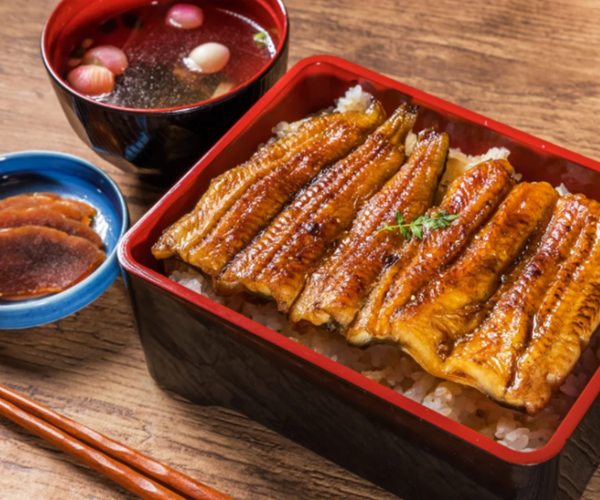
Unagi don presentation should make the eel visible at first glance. The glaze should catch the light, while the rice provides a clean background. Garnishes can add contrast without covering the main ingredient.
A practical bowl arrangement often follows a simple visual order:
- Place the rice evenly in the bowl.
- Set the grilled eel on top with the cut surface visible.
- Add a controlled amount of sauce for shine and flavor.
- Finish with a small garnish that suits the local menu style.
Garnish choices can help localize the bowl. Green onion, sesame, pickled vegetables, herbs, or a fresh acidic side may suit different dining cultures. The garnish should support the eel rather than compete with it. Strong colors can help, but too many toppings may make the dish look disconnected from its Japanese foundation.
For delivery, use packaging that keeps the eel visible rather than burying it under rice or heavy toppings. Keep sauce placement consistent. If sauce is packed separately, explain that choice on the menu so diners know they can adjust the finish. The packaging team should also confirm that the bowl still looks appealing after transport.
Photography matters. Show the actual serving style, not a studio arrangement that the kitchen cannot reproduce. A close image of glazed eel over rice can explain the dish faster than a long paragraph. Pair the image with accessible text for guests who rely on screen readers.
Localize Flavor Without Losing the Japanese Center
The sauce can serve as a bridge between an unfamiliar protein and a new audience. Eel sauce, also called unagi tare, has a sweet-savory profile that pairs naturally with rice. Restaurants can make the dish more approachable by adjusting the sauce rather than changing the eel itself.
Useful options include:
- House sauce on the eel with extra sauce served separately.
- A lighter rice bowl finish for diners who prefer less sweetness.
- Pickled vegetables or fresh herbs for brightness.
- A mild spice condiment offered as an optional side.
- A seasonal local side dish that does not overwhelm the eel’s flavor.
Keep the base preparation stable, then test additions through small menu trials. A local topping should answer a clear customer preference, such as freshness, heat, acidity, or texture. It should not turn the bowl into an entirely different dish.
Restaurant buyers can review Eelpro’s eel sauce product when planning a consistent sauce program. A defined sauce source can help purchasing teams maintain flavor consistency across multiple branches. Kitchens may also use the sauce in other menu items, but the recipe and application should be documented before launch.
Position Unagi-Don for Diverse International Diners
What makes unagi-don appealing to international diners? The answer often begins with contrast. The eel is tender and rich, the rice is mild, and the sauce adds sweetness and savoriness. The bowl feels familiar, while the grilled eel gives it a clear Japanese character.
That combination can appeal to several customer groups:
- Japanese food fans who already recognize unagi.
- Curious first-time diners who want a clear, approachable introduction.
- Rice bowl customers who understand the format but want a new protein.
- Seafood diners looking for something beyond salmon, shrimp, or white fish.
- Food explorers attracted by a glossy, photogenic dish.
Menu positioning should remain factual. Say what the guest will receive. Do not describe eel as “just like” another protein when its texture and taste are different. A short staff explanation can help: “It is grilled freshwater eel with a soft texture and a sweet-savory sauce over rice.” That gives guests enough information to decide.
For family dining, consider a smaller trial bowl or a shared tasting format if the restaurant’s service model supports it. For casual dining, place the bowl beside other rice-based meals rather than isolating it in a section that feels difficult to approach. For premium dining, focus on the cut, grill finish, rice quality, and plating discipline.
Use Unagi-Don Restaurant Marketing That Shows the Dish
Unagi don restaurant marketing works best when it shows texture, preparation, and a clear eating occasion. A short video of sauce being brushed over grilled eel can communicate more than a generic “Japanese special” message.
Useful content angles include:
- “A sweet-savory grilled eel bowl for a satisfying lunch.”
- “Try unagi with rice before exploring other eel dishes.”
- “Choose the classic bowl or add a local side.”
- “See how our kitchen finishes each eel bowl.”
Do not make unsupported claims about health, origin, sustainability, or production. If a buyer needs sourcing details, the procurement team should request the relevant documentation from the supplier. Eelpro also offers related frozen seafood products for buyers building a broader menu, but each item should have its own verified description.
Use the same product name across the printed menu, ordering platform, delivery app, photographs, and staff training notes. Small naming differences can create confusion for both customers and operations teams. Search-friendly wording can include “Japanese grilled eel rice bowl,” while “unagi-don” keeps the dish connected to its original identity.
Practical Buying and Kitchen Checks
Before adding the bowl to a global menu, purchasing and culinary teams should review the product together. A sample tasting should examine appearance, texture, sauce coverage, cut consistency, packaging, and the manufacturer’s reheating instructions. Never make preparation claims that have not been tested in the receiving kitchen.
Ask the supplier for the product information required by your market. This may include ingredient declarations, storage instructions, cooking guidance, pack labeling, and export documents. Requirements differ by destination, so the importer and local compliance team must confirm what applies.
Eelpro Co., LTD supplies frozen unagi kabayaki, eel sauce, freshwater eels, and frozen seafood to overseas buyers. Our Technical Team recommends treating the bowl as a complete system: product, sauce, rice, garnish, packaging, menu text, and staff explanation should all align. A strong photograph cannot fix an unclear description, and a good product cannot compensate for inconsistent handling.
Frequently Asked Questions About Menu Localization
How can restaurants localize an unagi-don menu?
Start with the description, not the recipe. Keep unagi-don in the menu name, then explain it as a grilled eel rice bowl. Offer familiar side dishes, optional spice, and clear portion language. Localize the supporting elements while keeping grilled eel, rice, and Japanese-style sauce at the center of the dish.
What makes unagi-don appealing to international diners?
It combines a familiar rice bowl format with a distinctive protein. The eel has a rich grilled character, while the sauce provides a recognizable sweet-savory finish. Clear wording and an attractive photograph can reduce uncertainty for first-time diners.
How should foodservice brands present unagi-don?
Show the eel clearly, describe the sauce plainly, and explain the serving format. Use consistent photography and portion terms across every ordering channel. For delivery, protect the visible eel and control sauce placement so the dish remains recognizable when it arrives.
What is a common mistake when launching the dish?
Avoid adding too many toppings before testing the classic bowl. Heavy garnish can hide the eel and make the menu message unclear. Another mistake is promising a portion, flavor, or preparation detail that the kitchen cannot repeat. Keep the first version simple, train the team, and collect guest feedback.
Start With a Clear Bowl and Invite Feedback
A successful global menu does not need to make unagi-don unfamiliar to Japanese diners or intimidating to new ones. It needs to explain the dish, show the eel, communicate the portion, and offer controlled choices around sauce and sides.
Begin with a well-defined bowl. Test the wording. Photograph the real serving. Then listen to guests. Which description helped them order? Did they prefer sauce on the side? Which local garnish made the bowl feel natural?
Share your own menu ideas in the comments. For further recipe inspiration, explore Eelpro’s eel rice bowl toppings and review our unagi kabayaki product information when planning your next foodservice concept.