

Substitute for Eel Sauce: 7 Smart Swaps for Global Menus
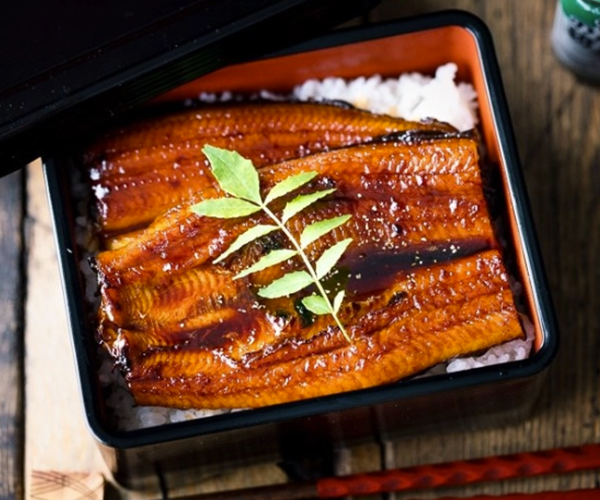
Picture this: the dinner rush is 45 minutes away. Your grill is hot, the unagi is prepped, and then your chef calls out — the last bucket of eel sauce is empty. Panic? Not today. A good substitute for eel sauce can save the service, and sometimes even improve the dish.
Eel sauce, or unagi tare, is that glossy, sweet-savory glaze that makes unagi kabayaki shine. It’s a reduction of soy sauce, sugar, mirin, and sake. The problem is, not every kitchen stocks it. Dietary shifts, supply hiccups, and cost pressures push chefs to look for eel sauce alternatives that still deliver that umami punch.
We’ve spent years making the real thing at Eelpro, so we understand exactly what you need a replacement to do. It must coat, glaze, and balance salt with sweet. Here are seven options that work in real commercial kitchens.
What is the Best Substitute for Eel Sauce? A Quick Flavor Map
There isn’t one perfect answer. The best unagi sauce substitute depends on the dish. A sushi roll needs a thick, clingy drizzle. A noodle bowl wants a looser, more savory blend. Before we dive deep, here’s your cheat sheet.
| Substitute | Best For | Flavor Profile | Viscosity |
|---|---|---|---|
| Homemade Eel Sauce | Authentic unagi dishes | Sweet, rich umami | Thick syrup |
| Thick Teriyaki Sauce | Grilled meats, rice bowls | Sweeter, garlic notes | Medium-thick |
| Hoisin-Soy Blend | Fusion menus, spring rolls | Sweet, spiced, salty | Thick paste |
| Oyster Sauce + Honey | Stir-fries, vegetables | Deep savory, mild sweet | Thick |
| Vegan Eel Sauce | Plant-based sushi, bowls | Sweet-salty, clean | Medium-thick |
| Molasses-Soy Glaze | BBQ eel, robust proteins | Bold, bitter-sweet | Very thick |
| Ponzu Reduction | Light seafood, salads | Citrusy, tangy-sweet | Thin syrup |
Keep this map handy. Now, let’s break down each one with the detail a working kitchen needs.
1. Homemade Eel Sauce: The Closest Match
If you have 20 minutes and basic Japanese pantry staples, make your own. This is the truest substitute for eel sauce because it uses the same building blocks.
Combine equal parts soy sauce, mirin, and sugar. Add a splash of sake. Simmer until it reduces by half and coats the back of a spoon. The reduction time is critical. Pull it too early and it’s watery. Cook it too long and you get bitter caramel.
Pro tip: For extra depth, throw in a piece of kombu or a few dried shiitake mushrooms while it simmers. Fish them out before bottling. This mimics the dashi notes in a traditional kabayaki sauce. Our technical team often recommends this method to clients testing new eel dishes before committing to bulk sauce orders.
2. Thick Teriyaki Sauce: The Reliable Standby
Teriyaki sauce is the most common teriyaki sauce alternative for eel sauce, but not all teriyaki is created equal. Bottled versions are often too thin and too sweet. You need the thick, reduction-style teriyaki.
Look for a teriyaki with high sugar content and a glossy finish. Better yet, take a standard teriyaki and simmer it with an extra tablespoon of brown sugar and a dash of fish sauce. The fish sauce adds the fermented depth that plain teriyaki lacks. This tweaked version works wonders on eel teriyaki: grilled unagi with sweet savory glaze.
Watch out: Teriyaki often contains garlic and ginger. That’s fine for chicken, but it can clash with delicate eel. Taste it first. If the garlic is too loud, start with a low-sodium soy sauce and build your own.
3. Hoisin-Soy Blend: The Fusion Powerhouse
Hoisin sauce is thick, sweet, and deeply savory — a solid starting point for an unagi sauce substitute with a twist. Straight hoisin is too spiced, with five-spice and fermented bean notes. But mix it 2:1 with soy sauce and thin with a little water, and you get a glaze that clings beautifully to grilled proteins.
This blend shines in fusion applications. Think eel bao buns, sushi burritos, or glazed chinese dimsum. It’s also shelf-stable and inexpensive, making it a favorite for food trucks and high-volume casual dining.
4. Oyster Sauce + Honey: The Umami Bomb
Oyster sauce brings a tidal wave of umami. It’s thick, salty, and slightly funky in the best way. On its own, it lacks the sweetness of eel sauce. Stir in honey (about 1 tablespoon per 1/4 cup of oyster sauce) and warm it gently. The result is a rich, lacquered glaze.
This combination works best in cooked applications. Brush it on frozen eel fillets before broiling, or toss it through stir-fried noodles. Don’t use it raw as a sushi drizzle — the oyster flavor is too pronounced when cold. Heat mellows it out.
5. Vegan Eel Sauce Substitute: Keeping It Plant-Based
Traditional eel sauce often contains bonito flakes or fish-based dashi. A vegan eel sauce substitute skips all that without sacrificing depth. The secret weapon is mushroom dashi or a concentrated shiitake soaking liquid.
Start with a base of soy sauce, brown sugar, and mirin. Use kombu and dried shiitake for the stock. Reduce slowly. Some chefs add a teaspoon of miso paste at the end for extra body. The texture will be slightly less glossy than the original, but the flavor holds its own.
This is increasingly important for menu developers. Plant-based sushi is booming, and a dedicated vegan unagi sauce lets you menu a fully plant-based eel bowl using eggplant or tofu “unagi.” Check our eel recipes: 10 flavor pairings for menus for more ideas on how to pair these sauces.
6. Molasses-Soy Glaze: The Bold Choice
Molasses and soy sauce. Two ingredients, huge flavor. This is the darkest, most robust eel sauce alternative on the list. Use blackstrap molasses for a bitter, mineral kick, or mild molasses for a smoother profile.
Mix 3 parts molasses to 1 part soy sauce. Add a splash of rice vinegar to cut the sweetness. This glaze is thick — almost like a barbecue sauce — and it chars beautifully under a broiler. It’s perfect for smoked eel recipe: smoke unagi at home or any preparation with heavy char and smoke.
Caution: Molasses can burn fast. Apply this glaze in the last few minutes of cooking, and watch it closely.
7. Ponzu Reduction: The Light and Bright Option
Ponzu is soy sauce met with citrus juice, usually yuzu or sudachi. It’s thin, tangy, and refreshing — the opposite of heavy eel sauce. But reduce it by half with a spoonful of sugar, and it transforms into a syrupy, bright glaze.
This unagi sauce substitute is ideal for summer menus. Use it on eel and avocado salads, chilled soba noodles with eel, or as a finishing drizzle on eel tempura: crispy japanese recipe guide. It cuts through oil and fat, cleansing the palate between bites.
How to Replace Eel Sauce in Sushi Menus Without Losing Customers
Sushi is where the sauce matters most. That dark, dramatic zigzag on top of a dragon roll isn’t just decoration — it’s a flavor anchor. When you replace eel sauce in sushi menus, you’re messing with a customer’s expectations.
The key is viscosity and application. Your substitute must flow from a squeeze bottle in a controlled line. If it’s too thin, it bleeds into the rice. Too thick, it clogs the nozzle. Test your sauce at service temperature, not just hot from the stove.
For raw applications like sushi drizzles, our recommended order of preference is:
- Homemade eel sauce (ideal)
- Thick teriyaki reduction (reliable)
- Vegan mushroom-based sauce (for plant-based rolls)
- Hoisin-soy blend (for fusion rolls only)
Always label the change clearly on the menu if you’re swapping permanently. “House-made unagi glaze” sounds intentional. “We ran out of eel sauce” does not.
Which Eel Sauce Alternative Suits Foodservice? A Buyer’s Checklist
Choosing an eel sauce alternative for foodservice isn’t just about flavor. It’s a business decision. Here’s what to consider before you commit to a substitute, whether you’re making it in-house or sourcing from a supplier.
1. Shelf Life and Storage
Homemade reductions have a short fridge life — usually 5-7 days. Commercial teriyaki or hoisin lasts months. If your kitchen makes sauce weekly, fresh is great. If you’re a central kitchen shipping to multiple locations, you need stability. Our eel sauce product page details the shelf life of our commercially produced tare, which is formulated for long-term storage without preservatives.
2. Cost Per Serving
Calculate this ruthlessly. A homemade reduction using mid-grade mirin and soy might cost $0.15 per ounce. Premium bottled teriyaki could be $0.22. A hoisin blend might be $0.09. Over 10,000 sushi rolls a month, the difference buys a lot of frozen seafood.
3. Allergen Profile
Soy is in almost everything on this list. That’s a given. But oyster sauce brings shellfish allergens. Hoisin often contains wheat and sesame. Teriyaki can have pineapple or garlic. Map your allergens before you menu the dish. A vegan eel sauce substitute based on mushroom and kombu eliminates fish allergens, which opens up the dish to a wider customer base.
4. Consistency Across Batches
This is the hidden killer. A chef making sauce by feel on Monday might produce a different result than the prep cook on Friday. If you’re scaling up, document the recipe exactly. Use weights, not volumes. Brix meters — which measure sugar content — are a worthwhile investment to ensure every batch glazes the same way.
Flavor Pairing Guide: Matching the Substitute to the Dish
Not every substitute works with every preparation. Here’s a quick pairing guide based on what our clients actually menu.
- Unagi Don (Eel Rice Bowl): Homemade eel sauce or thick teriyaki. The sauce needs to soak slightly into the rice. A thin ponzu reduction would make the rice soggy. See our eel rice bowl toppings: 7 better donburi ideas for inspiration.
- Unagi Sushi Rolls: Vegan mushroom sauce or homemade. Clean, controlled application is critical.
- Eel Noodle Soup: Hoisin-soy blend or oyster sauce + honey. These stand up to broth. Check unagi ramen: japanese eel noodle soup guide for the full technique.
- Grilled Eel (Yakitori-style): Molasses-soy glaze. The char from the grill loves the bitterness of molasses.
- Eel Tempura Dipping Sauce: Ponzu reduction, no question. The citrus cuts the fryer oil.
A common mistake we see is using one substitute across the entire menu. That’s a missed opportunity. Your kitchen might need two different eel sauce alternatives — one for hot applications, one for cold. The labor is minimal, but the menu impact is huge.
Storage and Handling Tips for Any Eel Sauce Substitute
Treat your substitute with the same care you’d give the real thing. Sugar-rich sauces are breeding grounds for bacteria if mishandled. Cool sauces completely before covering and refrigerating. Use clean, dry utensils every time you dip into the container.
Avoid the double-dip disaster: Never pour unused sauce from a prep bowl back into the main container. You’ve just introduced contaminants. Portion out what you need for the shift.
If a sauce separates, don’t panic. A quick whisk over low heat usually brings it back. But if you see mold or smell fermentation (beyond the normal fermented soy notes), discard it immediately. No sauce is worth a food safety incident.
Cold Knowledge: Why Eel Sauce Is So Hard to Fake
Here’s a bit of food science. Eel sauce isn’t just flavored syrup. The long reduction of soy sauce and mirin creates complex Maillard reaction products — the same chemical process that sears a steak. These compounds give eel sauce its deep, slightly smoky, almost meaty character.
Most quick substitutes lack this. That’s why the homemade version, which you simmer for 20-30 minutes, outperforms a cold-mixed sauce every time. You’re not just mixing flavors; you’re building them. This is also why a splash of fish sauce or a piece of kombu helps — it adds glutamates, which mimic the savory depth of long-reduced tare.
Understanding this helps you troubleshoot. If your substitute tastes flat, the problem is usually missing glutamates or underdeveloped Maillard notes. Add a touch of fish sauce for the former, and simmer longer for the latter.
Making the Call: When to Substitute and When to Source the Real Thing
Substitutes are brilliant in a pinch, for vegan menus, or for fusion experiments. But if unagi is a core menu item — if your restaurant is known for it — source the authentic product. A true eel sauce made by a manufacturer who specializes in eel products will always outperform a kitchen hack for consistency and depth.
That’s not just sales talk. We’ve seen kitchens spend more on labor making a mediocre substitute than they would have spent buying the genuine article. Do the math. If your chef spends 30 minutes making sauce three times a week, that’s 1.5 hours of skilled labor. At $20/hour, that’s $30 a week — $1,500 a year — for a sauce that might vary batch to batch. Sometimes, the smartest substitute is simply a reliable supplier.
What’s your go-to swap when the eel sauce runs dry? Have you tried something not on this list? We’re always curious to hear what’s working in real kitchens. Drop your method in the comments, or explore more techniques in our guide on how to cook eel: easy methods and tips.